Table of Contents
- The Fateful Dawn of September 24, 2013
- Awaran District: Geography, People, and Precarity
- Earthquake Science: Understanding the Makran Subduction Zone
- The Morning Shakes: Sequence and Magnitude of the Earthquake
- Immediate Impact: Ruins, Casualties, and the Human Toll
- Remote Lands, Isolated Voices: Communication Challenges
- Government Response: Mobilization Amid Crisis
- Role of Local Communities: Resilience in the Face of Disaster
- Aid and International Assistance: Help from Abroad
- The Aftershocks: Lingering Threats and New Fears
- Infrastructure Breakdown: Roads, Hospitals, and Essential Services
- The Invisible Scars: Psychological Trauma and Displacement
- Media Coverage: Narratives From the Ground
- Reconstruction Efforts: Rebuilding Lives and Hope
- Lessons Learned: Preparedness and Policy Changes
- Geopolitical and Economic Consequences for Balochistan
- Cultural Reflections: Stories, Memory, and Identity
- Scientific Advances Post-Disaster: Research and Monitoring
- Comparing Awaran 2013 to Previous Regional Earthquakes
- Community-Led Innovations in Disaster Resilience
- Nature’s Fury and Human Fragility
- Conclusion: The Enduring Legacy of the 2013 Awaran Earthquake
- FAQs
- External Resource
- Internal Link
The Fateful Dawn of September 24, 2013
The earth beneath Awaran jolted with a violent, unforgiving roar that early September morning. A silence broken, lives shattered. For the residents of Balochistan’s remote Awaran district, September 24, 2013 was etched indelibly into their collective memory as a chapter of loss, endurance, and the merciless unpredictability of nature. It was not just a seismic event—it was an upheaval that burrowed deep into the social fabric of isolated communities, exposing vulnerabilities and testing human will against the raw force of the planet.
At precisely 6:29 a.m. local time, the ground beneath the barren and rugged landscape lurched violently. Buildings, fragile and poorly constructed, crumbled like sandcastles; roads fractured; homes vanished. Panic surged through the population—some barely had time to react, many never did. Children, elders, families were swallowed in a moment’s cruelty. The earthquake registered a staggering magnitude of 7.7, a powerful thrust that ripped through the earth’s crust along the Makran Subduction Zone, a geological fault line seldom noticed by the world but mercilessly active beneath Balochistan’s arid hills.
When the shaking ceased, an eerie stillness hovered over Awaran and its surrounding villages. Dust hung heavy in the air; screams pierced the aftermath; a sense of profound shock permeated the land. This was only the beginning of a long, arduous path toward recovery—a journey marked by logistical nightmares, political challenges, and a tapestry of human stories.
Awaran District: Geography, People, and Precarity
Nestled in southwestern Pakistan, Awaran is a district carved from the harsh contours of the Balochistan plateau. It is a region marked by rocky terrains and sparse vegetation, with a population that is predominantly Baloch, led by tribal communities bound by deep traditions and a fierce sense of identity.
Life in Awaran is tough, grounded in subsistence agriculture and pastoralism. Access to healthcare, education, and government infrastructure is limited even in the best of times. Poverty runs deep, with many living beyond the reach of state services. The region’s geopolitical position—bordering Iran and near the Arabian Sea—places it at the crossroads of strategic interests, yet development remains slow and fraught with challenges.
Fragility defines the built environment: mud-brick homes, lacked-engineered structures, and basic facilities characterize the settlements. This inherent vulnerability set the stage for disproportionate damage when the earthquake struck. Awaran’s isolation amplified the human cost and complicated rescue efforts, creating a crisis scenario that extended well beyond the tremor itself.
Earthquake Science: Understanding the Makran Subduction Zone
Balochistan’s geological character is dominated by the Makran Subduction Zone, a little-known but potent tectonic interface where the Arabian Plate dives beneath the Eurasian Plate. This slowly moving collision zone generates significant seismic energy, building tension over decades and centuries until that energy inevitably releases in destructive quakes.
The 2013 Awaran earthquake was a result of strain accumulation along faults related to this subduction process. Unlike earthquakes triggered by visible surface ruptures, this event occurred inland but was linked to deeper tectonic thrust movements. The magnitude of 7.7 underscored the ferocity of seismic processes hidden beneath the landscape and revealed how such events can rupture not only the ground but social and administrative preparedness.
Seismologists later noted the quake’s relatively deep focal point—nearly 15 kilometers underground—accounted for complex patterns of damage scattered across the district. Additionally, aftershocks followed, some strong enough to stoke renewed fear and destruction.
The Morning Shakes: Sequence and Magnitude of the Earthquake
Just moments before dawn, many residents of Awaran were stirred by an uneasy tremble. At 6:29 a.m., the earth’s violent convulsion made clear something far graver was unfolding. There was no warning, only a sudden rupture—a catastrophic release of strain.
Witnesses in the villages recounted the ground rolling and buckling beneath their feet. Walls swayed perilously before collapsing. Livestock panicked, blaring cries echoed, fires ignited in homes. The quake lasted nearly a minute—an eternity in which community life was fractured.
Initial readings placed the quake’s epicenter roughly 89 kilometers from the city of Gwadar, with a moment magnitude (Mw) of 7.7. The intensity was highest in Awaran and neighboring districts, where structural damage was near total in some villages.
The shaking was so extreme that paved roads cracked and impassable landslides soon blocked key routes. Many residents were thrown into the open, their homes reduced to rubble. Panic led to chaotic scenes as survivors hurried to find safety beneath open skies.
Immediate Impact: Ruins, Casualties, and the Human Toll
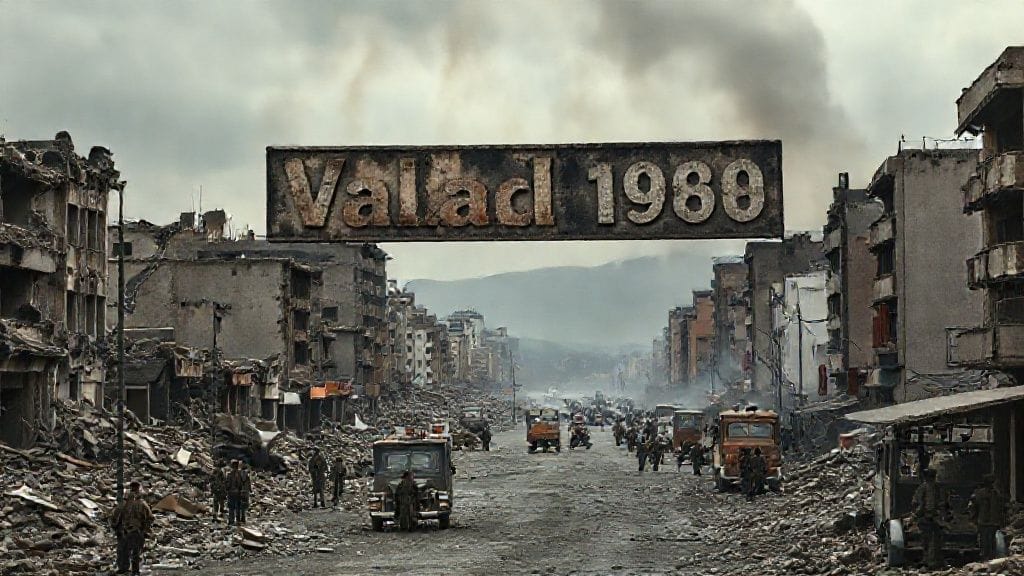
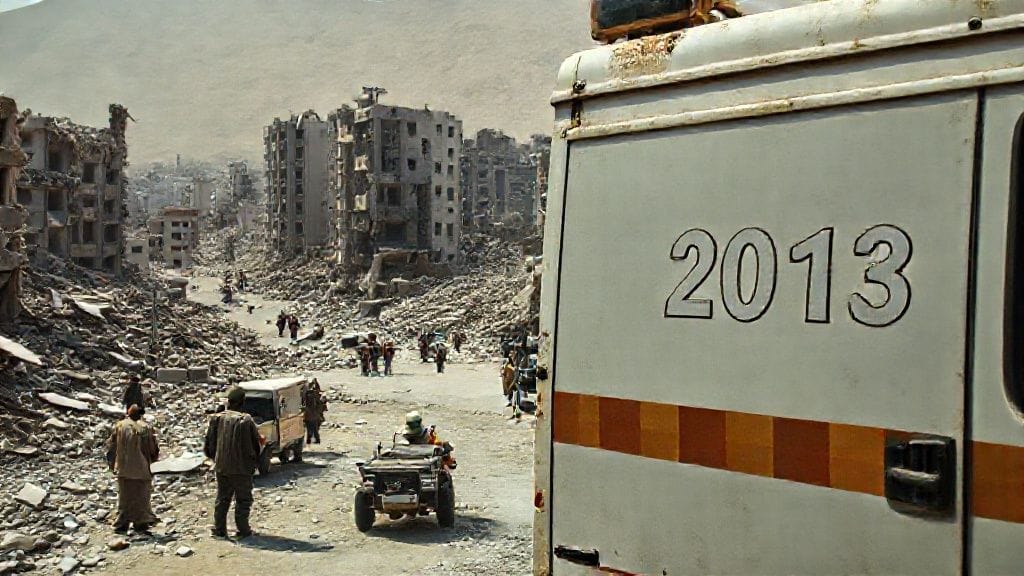
As seismic waves faded, the grim reality emerged: over 200 reported fatalities, thousands injured, and tens of thousands rendered homeless. Entire villages were wiped off the map—mud-brick homes, the staple shelter of the region, disintegrated into dust and debris.
Hospitals and clinics were overwhelmed or themselves damaged. Rescue teams struggled to reach remote communities amid crumbled infrastructure. Many were trapped beneath ruins, and chilling tales of survival and loss surfaced within days.
Among the dead were children buried alive in collapsed schools, women who died shielding their families, and elderly left defenseless. In a region where extended families live closely, the ripple of grief was profound—altering community structures and social rituals.
Remote Lands, Isolated Voices: Communication Challenges
Perhaps the greatest tragedy post-earthquake was the isolation that ensued. Awaran's rugged terrain and poor communication infrastructure meant satellite phones and local radio were crucial—yet services were spotty or nonexistent immediately after the quake.
Rescue teams initially relied on tribal elders and local volunteers to report the extent of destruction. It was only through their heroic efforts that the severity became clear to provincial and federal governments. The remoteness delayed international aid and complicated evacuation.
An anecdote from a volunteer reporter painted a vivid scene: a young man scaling cliffs to reach a wiped-out village to report by radio the desperate condition of survivors. These communication gaps intensified the trauma and hampered rescue coordination.
Government Response: Mobilization Amid Crisis
The Pakistani government’s initial response was swift but hampered by logistical and political hurdles. Prime Minister Nawaz Sharif immediately ordered relief operations, dispatching paramilitary forces and disaster management units to the region.
However, Balochistan’s longstanding political tensions between local nationalist movements and the federal government complicated efforts. Distrust fueled skepticism among locals toward aid workers, sometimes slowing distribution.
Military helicopters and trucks became lifelines, delivering food, tents, and medical supplies. Yet the scale of destruction—spread across dozens of villages—outstripped resources. The earthquake exposed systemic weaknesses in disaster preparedness at the provincial and national levels.
Role of Local Communities: Resilience in the Face of Disaster
While external help trickled in, it was the community spirit and traditional practices that often saved lives in Awaran. Tribal networks quickly organized makeshift shelters, distributed food, and cared for the injured.
One vivid story emerged from the village of Gishkaur, where elders led by example, coordinating rescue teams searching for survivors beneath collapsed structures. Local healers treated wounds with limited supplies, while women knitted blankets from whatever fabric was accessible.
This collective response showcased the resilience ingrained in Baloch culture, forged by centuries of hardship in a hostile environment. Yet it also emphasized the need for better integration of local knowledge in formal disaster risk reduction strategies.
Aid and International Assistance: Help from Abroad
Pakistan’s government appealed for international assistance. Within days, humanitarian agencies and NGOs responded—UNICEF, the Red Cross, Médecins Sans Frontières, and others arrived to provide emergency medical care, water purification, and shelter.
Countries such as China, the United States, and the United Arab Emirates pledged aid. Yet delivery was tactically difficult. Aid flights landed in Karachi or Gwadar, then trucks faced treacherous routes to reach the hinterlands.
Despite these challenges, international aid mitigated suffering and laid foundations for longer-term rehabilitation. However, critics later argued that aid distribution was uneven and lacked cultural sensitivity, potentially undermining local capacities.
The Aftershocks: Lingering Threats and New Fears
In the days following the main quake, Awaran was shaken repeatedly by aftershocks ranging in magnitude from 4.0 to 6.0. Each tremor reopened wounds—both physical and psychological.
Families huddled outdoors for fear of more collapses; children cried in terror during night tremors; adults grappled with trauma exacerbated by uncertainty. The aftershocks complicated rescue operations and slowed reconstruction, as many feared returning to damaged homes.
Seismologists warned that this sequence could persist for weeks, underscoring the geological instability beneath Awaran. These recurrent shocks echoed the trauma experienced by Awaran’s people.
Infrastructure Breakdown: Roads, Hospitals, and Essential Services
Perhaps the most devastating legacy of the earthquake was the near-complete obliteration of infrastructure. Roads, the arteries of connectivity, were fractured or buried beneath landslides; bridges collapsed; communication towers toppled.
The sole district hospital struggled to operate amid crumbling walls and overwhelmed staff. Basic services like electricity, clean water, and sanitation were disrupted—exacerbating health risks amid the humid September heat.
Schools remained closed for months, denying children education and exacerbating societal disruptions. Rebuilding infrastructure became the monumental challenge ahead—a physical and symbolic necessity to renew hope and function.
The Invisible Scars: Psychological Trauma and Displacement
Beyond physical destruction, the earthquake imprinted invisible but profound psychological wounds. Survivors grappled with the loss of loved ones, homes, and certainty. Displacement was widespread, with many families relocating to temporary camps, cut off from their ancestral lands.
Mental health services were virtually absent—a devastating reality in rural Pakistan. Post-traumatic stress disorder, anxiety, and depression took hold. Children, uprooted from their normal routines, displayed behavioral disturbances.
Local healers and religious leaders became pillars of emotional support, offering solace through prayer and community gatherings. The slow recovery demanded attention not only to bricks and mortar but also to hearts and minds.
Media Coverage: Narratives From the Ground
The 2013 Awaran earthquake received intermittent international media attention, overshadowed by global events and regional conflicts. Yet Pakistani journalists risked personal safety to report from affected areas.
Their accounts captured the human drama: stories of survival, tragedy, and resilience. Photographs of ruined villages circulated widely, pressing national consciousness to confront forgotten provinces.
Social media slowly became a tool for families searching for missing members, for volunteers coordinating aid, and for advocacy demanding better government accountability and reconstruction funding.
Reconstruction Efforts: Rebuilding Lives and Hope
In the months and years following, efforts shifted toward long-term reconstruction. Sparse government budgets, donor funds, and local initiatives combined to rebuild homes, schools, and clinics—though progress was slow and uneven.
Innovations emerged: earthquake-resistant designs blending traditional materials with modern techniques. Community participation increased, empowering locals to prioritize needs.
Yet challenges persisted—corruption allegations, security concerns, and residual political tensions hindered full recovery. The rebuilding process became a mirror reflecting broader socio-political dynamics in Balochistan.
Lessons Learned: Preparedness and Policy Changes
The Awaran quake exposed glaring gaps in disaster preparedness. Pakistan’s National Disaster Management Authority (NDMA) initiated reforms in early warning systems, community training, and emergency logistics.
Investment in geological monitoring expanded. Awareness campaigns targeted vulnerable rural populations. Cross-agency coordination improved, though implementation remained uneven.
Importantly, authorities recognized the necessity to integrate indigenous knowledge and local governance into disaster frameworks—a shift toward more locally rooted resilience.
Geopolitical and Economic Consequences for Balochistan
Beyond humanitarian tragedy, the earthquake influenced Balochistan’s economic and political landscape. Infrastructure damage slowed development projects crucial to the China-Pakistan Economic Corridor (CPEC).
The disaster illuminated long-standing grievances over state neglect, fueling nationalist rhetoric and complicating security stabilization efforts.
International observers noted the quake’s potential to either deepen marginalization or catalyze renewed investment, contingent on political will and governance reforms.
Cultural Reflections: Stories, Memory, and Identity
The earthquake entered local folklore and collective memory, recounted in poetry, songs, and oral histories. It became a symbol of both suffering and survival—a shared point of reference in Baloch identity.
Survivors view the disaster as a living scar, shaping notions of community, fate, and destiny. Cultural rituals adapted to honor the dead and support the living, intertwining grief with resilience.
These narratives contribute to the broader human story of endurance amidst nature’s unpredictable power.
Scientific Advances Post-Disaster: Research and Monitoring
The quake galvanized seismic research in the region. Enhanced monitoring networks, including additional seismometers and GPS stations, were established to track tectonic activity.
Studies of ground rupture and soil liquefaction informed engineering practices. The event became a case study in understanding subduction zone earthquakes outside traditional oceanic trenches.
Collaborations between Pakistani institutions and international scientists deepened knowledge, fostering improved hazard assessments.
Comparing Awaran 2013 to Previous Regional Earthquakes
Historically, Balochistan has experienced destructive earthquakes, notably the 1935 Quetta quake. However, the Awaran event was unusual in epicenter location and intensity for the region.
Comparison highlighted vulnerabilities rooted in socio-economic conditions and infrastructural deficits distinct from more urban disasters.
This analysis informed a more nuanced regional risk profile, integrating both urban and rural considerations.
Community-Led Innovations in Disaster Resilience
In response to the earthquake’s devastation, local communities pioneered innovative approaches to resilience. For example, traditional building techniques were modified with cement reinforcement, balancing affordability and safety.
Village councils implemented early warning committees, and mobile health units were established to reach isolated populations.
These grassroots initiatives underscored that empowerment and self-reliance are vital complements to external assistance.
Nature’s Fury and Human Fragility
The Awaran earthquake stands as a stark reminder of nature’s indifferent force and the fragile status of human societies perched on fault lines—geological and political alike.
It exposed systemic inequities, infrastructural weaknesses, and governance challenges, while simultaneously revealing profound depths of courage and solidarity.
Such disasters demand humility, preparedness, and compassion in our shared custodianship of vulnerable lives.
Conclusion
The 2013 Awaran earthquake was not merely a geological event but an epochal trauma that reverberated far beyond the ruptured earth. In its rawest form, it revealed the tenuous balance between survival and destruction, isolation and solidarity, disaster and renewal. The people of Awaran faced nature’s most ruthless test and emerged bearing stories of loss and the unyielding flame of hope.
This tragedy carved scars into the land and souls alike—scars that, over time, became pathways to resilience, learning, and transformation. The earthquake challenged Pakistan’s institutions, galvanized communities, and prompted reflections on how vulnerable populations can better withstand such cataclysms in the future.
History will remember September 24, 2013, as a day when the earth shook, but also when humanity in one of its most unforgiving corners refused to be broken.
FAQs
Q1: What caused the 2013 Awaran earthquake?
The earthquake resulted from tectonic movements along the Makran Subduction Zone where the Arabian Plate subducts beneath the Eurasian Plate. Accumulated strain released in a powerful thrust earthquake with a magnitude of 7.7.
Q2: How many people were affected by the earthquake?
Over 200 people died, thousands were injured, and more than 30,000 were displaced due to the extensive destruction of homes and infrastructure in Awaran district and neighboring areas.
Q3: Why was the rescue effort delayed in Awaran?
Awaran’s remote and rugged terrain, combined with poor communication infrastructure and damaged roads, severely hampered rescue and aid delivery, delaying comprehensive response efforts.
Q4: How did local communities respond to the disaster?
Local tribal networks and community leaders organized rescue, relief, and care efforts, providing immediate support and maintaining social cohesion despite limited resources.
Q5: What were the long-term consequences of the earthquake?
Long-term consequences included ongoing displacement, slow reconstruction of infrastructure, psychological trauma, economic setbacks, and increased attention to disaster preparedness and resilience.
Q6: Did the earthquake lead to policy changes in Pakistan?
Yes, it prompted improvements in early warning systems, disaster management coordination, community training, and integration of local knowledge into preparedness programs.
Q7: How has the earthquake influenced cultural memory in the region?
The event entered local folklore, expressed through poetry, songs, and oral histories, becoming a symbol of community strength, survival, and identity in Balochistan.
Q8: What scientific research followed the earthquake?
The quake spurred enhanced seismic monitoring and geological studies to better understand subduction zone activity in the Makran region, improving earthquake hazard assessments.