Table of Contents
- The Morning the Earth Trembled: March 23, 1839
- Shwebo in the Early 19th Century: A Kingdom on the Edge
- The Geology of Myanmar: Faultlines Hidden Beneath the Soil
- The First Signs: Rumblings Before the Roar
- The Earthquake Unfolds: Chaos in Shwebo
- Human Faces Amidst Ruin: Stories of Survival and Loss
- The Aftershock: Myanmar’s Land and People Transformed
- Political Turmoil Meets Natural Disaster: The Konbaung Dynasty’s Struggles
- Responses and Relief: How a Pre-Modern State Reacted to Catastrophe
- Myths and Memories: The Earthquake in Burmese Oral Tradition
- Scientific Understanding Then and Now: From Superstition to Seismology
- Economic Consequences: The Shocks Felt Beyond the Epicenter
- The Landscape Altered: Geographic and Environmental Changes Post-1839
- The Earthquake in Regional Context: Comparing Southeast Asia’s Seismic Events
- Legacy of the 1839 Shwebo Earthquake: Lessons from a Forgotten Tremor
- Conclusion: Memory, Nature, and the Resilience of Myanmar
- FAQs: Unraveling the Mysteries of the 1839 Shwebo Earthquake
- External Resource
- Internal Link
On the morning of March 23, 1839, as dawn spread its pale light over the ancient city of Shwebo, the ground beneath whispered a warning few noticed. Then, with the suddenness that only nature can muster, the earth convulsed violently, tearing through homes, temples, and the very fabric of the community. This was no ordinary tremor; it was a shattering earthquake that would ripple across the years, shaping not just the physical landscape but the collective memory of a kingdom.
1. The Morning the Earth Trembled: March 23, 1839
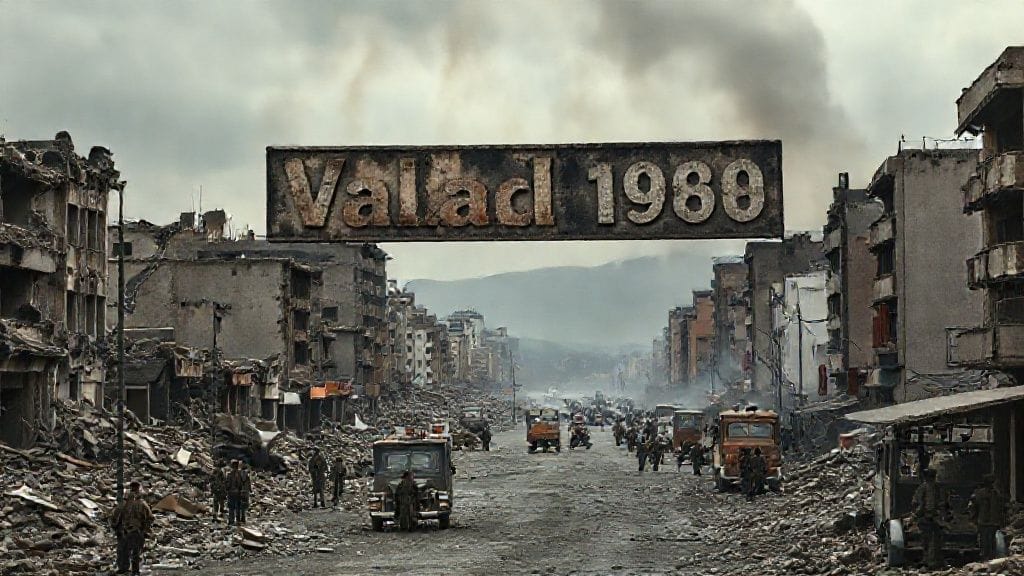
Imagine standing on the bustling streets of Shwebo, the heart of the Burmese Konbaung dynasty’s early resurgence. Vendors call out their wares, horses clatter on cobblestones, monks pass in silent procession. Then, a deep growl rises from the earth, a rolling crescendo that becomes a terrifying roar. Buildings sway and collapse; dust chokes the air, screams echo—mother earth is violently shaking her ancient cradle.
Save for journals and later historical chronicles, the voices from that day are ghostly faint, yet through them shines the painful brilliance of a society suddenly exposed to forces beyond human control. For the people of Shwebo and the surrounding regions, the 1839 earthquake was not just a seismic event—it was a profound rupture in the flow of history.
2. Shwebo in the Early 19th Century: A Kingdom on the Edge
To understand the trauma unleashed on March 23, 1839, one must first know the backdrop. Shwebo was more than a city; it was a symbol. The birthplace of King Alaungpaya, founder of the Konbaung dynasty (1752), Shwebo held immense cultural and political significance. By the 1830s, the dynasty wrestled with internal discord and mounting pressure from British colonial expansion in nearby territories.
Myanmar—or Burma, as referred to then—found itself at a crossroads between tradition and modern turbulence. Agricultural richness and bustling trade characterized parts of Upper Burma, but political instability lingered beneath the surface. The land was fertile, yet not forgiving to those who underestimated its hidden dangers.
3. The Geology of Myanmar: Faultlines Hidden Beneath the Soil
Myanmar sits at the uneasy junction of the Indian and Eurasian tectonic plates, a geographic arrangement making it prone to earthquakes and seismic instability. Some of the most significant fault lines—like the Sagaing Fault, which runs close to Shwebo—are notorious for ruptures. Yet in the early 19th century, knowledge of these underground threats was limited, wrapped in folklore rather than science.
This geological tension meant the land was a sleeping giant; beneath its beauty, strains accumulated silently for decades, until an inevitable release.
4. The First Signs: Rumblings Before the Roar
Historical records hint at smaller tremors felt in the weeks and months before the great quake—a subtle foreshadowing unnoticed by many. Oral traditions relate whispers of the ground “breaking its breath,” livestock refusing to graze, and strange animal behaviors. These were nature’s desperate reminders, barely audible above daily life’s demands.
Then, on the fateful morning, everything changed. No one could deny what the earth was about to unleash.
5. The Earthquake Unfolds: Chaos in Shwebo
When the shaking hit, it was merciless. Reports speak of a violent jerking lasting several minutes, enough to cause widespread destruction in a city built largely with wooden and brick structures vulnerable to seismic shocks. Temples with revered Buddha statues suffered damage; homes crumbled, burying families in splinters and dust.
Stone pagodas toppled with mournful crashes, disrupting centuries of spiritual solace. Water sources became turbid or dried up. Roads cracked and split, isolating communities. The epicenter near Shwebo meant that the seismic waves devastated the very heart of Upper Burma.
6. Human Faces Amidst Ruin: Stories of Survival and Loss
Behind the statistics—if any survive—were human stories fierce with emotion. Families torn apart; a mother’s desperate search for her child; monks delivering last rites amid ruins; farmers gazing at cracked earth where they once sowed life’s sustenance. We find fragments in Burmese chronicles describing a mix of panic, courage, and grief.
One story tells of a young merchant who, trapped beneath collapsing timber beams, survived by holding onto a sacred amulet. Another recounts villagers who gathered in the open fields, offering prayers and repairing neighbors' homes by dawn. These narratives humanize a disaster often reduced to numbers.
7. The Aftershock: Myanmar’s Land and People Transformed
The earthquake was but the beginning. Aftershocks continued for days, unsettling a population already shaken. Fear of future tremors spread like wildfire. Agricultural lands cracked, irrigation channels disrupted. Crops failed that season, compounding misery with famine fears and economic strain.
In the aftermath, epidemics found fertile ground amid displacement and poor sanitary conditions. The social fabric strained, communities fragmented or banded tighter, depending on circumstance.
8. Political Turmoil Meets Natural Disaster: The Konbaung Dynasty’s Struggles
The 1839 earthquake came at a precarious moment. King Tharrawaddy reigned, navigating internal dissent and external threat from the British looming ever larger after the First Anglo-Burmese War (1824–1826). The costly conflict had left the dynasty shaken, territories lost, and resources drained.
Now, the earthquake further tested the regime’s resilience. Officials had to divide attention between rebuilding efforts and managing political opposition. The symbolic damage to culturally significant sites in Shwebo threatened to erode royal legitimacy and public morale.
9. Responses and Relief: How a Pre-Modern State Reacted to Catastrophe
Without modern disaster response mechanisms, the kingdom relied on communal organization, royal decrees, religious rituals, and traditional medicine. Records reveal that King Tharrawaddy ordered relief supplies, including rice and cloth, to be sent to affected areas. Buddhist monastic communities mobilized to provide shelter and care.
Yet, logistical challenges were severe. Poor roads, damaged infrastructure, and the absence of centralized communication meant that help arrived unevenly. Still, the earthquake forged a narrative of resilience grounded in faith, kinship, and pragmatism.
10. Myths and Memories: The Earthquake in Burmese Oral Tradition
Natural disasters naturally feed into myth. In Myanmar, the 1839 earthquake found its place in an evolving tapestry of stories. Some locals interpreted it as an ominous sign from the Nats—the animist spirits ubiquitous in Burmese spirituality—warning of royal failings or moral decay.
Poems and folk songs lamented the shattered earth and called for repentance. These cultural expressions helped the community process grief and reframe the catastrophe within a spiritual cosmology, blending Buddhism and local beliefs.
11. Scientific Understanding Then and Now: From Superstition to Seismology
The world of 1839 knew little in the way of earthquake science. Explanations were spiritual or superstitious. It wouldn’t be until decades later that the geology underpinning such events would be understood in scientific terms.
Today, Myanmar is monitored by modern seismic networks, and the 1839 Shwebo earthquake is studied as a significant historical precedent, informing risk assessment and preparedness. The gap between past and present understanding echoes the broader human journey from mystery to knowledge.
12. Economic Consequences: The Shocks Felt Beyond the Epicenter
Shwebo’s destruction rippled economically across Upper Burma. Trade routes were disrupted; markets closed; harvest failures threatened food security. Landowners struggled to repair fields and estates while commoners faced unemployment and hunger.
These economic dislocations, set against the backdrop of colonial encroachment and internal political instability, intensified pressures that would affect the region’s fate in coming decades.
13. The Landscape Altered: Geographic and Environmental Changes Post-1839
The earthquake’s violent jolt altered more than human structures. Geological surveys and modern research indicate surface ruptures along fault lines, land subsidence, and changes in river courses. Some water wells dried; others became contaminated. These environmental transformations forced adaptation and migration in the years that followed.
The land itself seemed to breathe differently after that day, a reminder of nature's profound power to remake habitable spaces.
14. The Earthquake in Regional Context: Comparing Southeast Asia’s Seismic Events
While Southeast Asia is not as earthquake-prone as the Pacific "Ring of Fire" countries, 1839’s Shwebo tremor was one of the significant shocks recorded in the 19th century. Comparisons with earthquakes in Thailand, Sumatra, and India provide perspective: an event moderate in magnitude yet devastating because it struck near populated centers lacking resilient infrastructure.
It reminds us that seismic vulnerability is not only about size but preparedness, geography, and social context.
15. Legacy of the 1839 Shwebo Earthquake: Lessons from a Forgotten Tremor
Though overshadowed by wars and colonial expansion in history books, the 1839 earthquake shaped Myanmar in subtle yet lasting ways. It tested the resilience of a kingdom caught between tradition and modernity, revealed the limits of human control, and sowed myths and cultural memory that persist.
For historians and seismologists alike, it offers a case study in disaster’s interplay with politics, society, and environment.
16. Conclusion: Memory, Nature, and the Resilience of Myanmar
The Shwebo earthquake of 1839 is more than a date or a quaking earth; it is a story of human vulnerability and endurance. In the cracked stones of ruined temples and the whispered legends of villagers, the event lives on as a powerful reminder: we stand on a planet that breathes, shifts, and at times rebels.
Yet, it also testifies to the indefatigable spirit of communities who rebuild, remember, and find meaning in catastrophe. Myanmar’s history is a mosaic laced with such moments—acts of destruction and creation, fear and hope, nature and culture in ceaseless dialogue.
FAQs: Unraveling the Mysteries of the 1839 Shwebo Earthquake
Q1: What caused the 1839 Shwebo earthquake?
The quake was caused by tectonic stresses along fault lines, particularly the Sagaing Fault, where the Indian and Eurasian plates meet and grind against each other beneath Myanmar.
Q2: How strong was the earthquake?
Precise measurements were not possible in 1839, but historical records and geological evidence suggest a significant magnitude likely above 7.0 on the modern Richter scale.
Q3: What were the main effects on the local population?
Massive destruction of homes and temples, loss of life, social disruption, famine risks due to crop damage, and health crises following the quake.
Q4: How did the Konbaung dynasty respond?
The royal court ordered relief efforts such as sending food and supplies, mobilizing monastic networks to aid survivors, though logistical constraints limited the response.
Q5: Has the earthquake influenced Myanmar's culture?
Yes, it inspired oral traditions, religious interpretations, folk songs, and enduring myths that helped Burmese society process the event spiritually and socially.
Q6: How does the 1839 earthquake compare to other Asian seismic events?
While not the largest, it was devastating due to its proximity to population centers and the limited preparedness of the time, similar in impact to notable regional quakes.
Q7: Is Myanmar still at risk of earthquakes today?
Absolutely; the active geological fault lines running through Myanmar continue to pose seismic threats, prompting modern monitoring and disaster preparedness.
Q8: Where can I find more detailed information about the earthquake?
Historical archives in Myanmar, geological surveys, and specialist studies in Southeast Asian seismology provide deeper insights.