Table of Contents
- The Morning Tremor: A Sudden Roar Beneath the Waves
- The Geological Stage: Understanding the Indian Ocean’s Tectonic Restlessness
- Sri Lanka’s Vulnerable Shores: A Community on Alert
- The 2005 March 28 Earthquake: Unfolding a Natural Drama
- The Mechanics of the Quake: Magnitude, Epicenter, and Aftershocks
- The Immediate Aftermath: Waves, Sirens, and Uncertain Fear
- Tales from the Coastline: Human Stories Amidst the Chaos
- Regional Impact: Beyond Sri Lanka’s Borders
- The Indian Ocean’s Seismic History: Patterns and Predictions
- Government and International Response: Mobilizing Relief and Aid
- Scientific Revelations: Advances in Tsunami Warning Systems Post-2005
- Economic Ripples: Fishing, Tourism, and Infrastructure at Stake
- The Environmental Toll: Coastal Erosion and Marine Disruptions
- Cultural Reflections: How the Earthquake Shaped Local Narratives
- Comparing 2005 to 2004: The Shadow of the Devastating Tsunami
- Lessons Learned: Preparedness and Resilience in Sri Lanka
- The Role of Media: Broadcasting Fear, Hope, and Solidarity
- Psychological Aftershocks: Trauma and Healing in Coastal Communities
- The Earthquake in Global Context: Indian Ocean’s Growing Seismic Awareness
- Sri Lanka’s Ongoing Vigilance: From 2005 to Today
- Epilogue: Nature’s Silent Warnings and Human Resolve
The Morning Tremor: A Sudden Roar Beneath the Waves
It was a tranquil morning on March 28, 2005, when beneath the placid surface of the Indian Ocean, a sudden rupture of the Earth's crust whispered an ominous warning. Coastal residents of Sri Lanka, still scarred by memories of the catastrophic 2004 tsunami that rattled their very existence, felt a jolt ripple through the earth—a distant yet unmistakable tremor. Unlike the deafening roar of its predecessor, this earthquake struck quietly, its message subtle but profound. It was a reminder that beneath the ocean’s surface lay restless tectonic plates, constantly negotiating their shifting dance, sometimes violently.
As the sun rose over reclaimed bays and fishing villages dotted with stilt houses, the tremor felt was a faint alarm baton passed silently among nature’s elements. Few could fully grasp the significance at the moment; yet, it was a vital episode in the complex geophysical saga of the Indian Ocean rim. The Sri Lanka offshore earthquake of March 2005 remains an event whose ripples, though modest in physical destruction, offer deep insight into Earth’s ceaseless power and human vulnerability.
The Geological Stage: Understanding the Indian Ocean’s Tectonic Restlessness
The Indian Ocean lies at the junction of several potent tectonic plates: the Indo-Australian, the Eurasian, and the African plate. These massive chunks of Earth’s crust constantly collide, slide past, or dive beneath each other in a slow but unrelenting process. Sri Lanka nestles near the southern edge of the Indian plate, in proximity to some of the planet’s most active and complex fault lines.
The enormous energy stored along subduction zones—where one plate dives beneath another—makes this region notoriously prone to seismic activity. The 2004 Indian Ocean earthquake and resultant tsunami, which claimed over 230,000 lives, was a brutal demonstration of this reality. The tectonic theatre was primed for further quakes, a fact known but not fully grasped by many living along these beguiling coasts.
Sri Lanka’s Vulnerable Shores: A Community on Alert
Long before 2004, Sri Lanka’s communities had lived with the dual gifts and dangers of their island’s geography. Fishermen setting out at dawn, children playing near rocky shores, coastal farmers tending salt pans—all experienced the sea as both a giver and taker of life. The 2004 tsunami shocked this equilibrium, forcing a collective reckoning with nature’s unpredictable power.
By early 2005, coastal inhabitants had rebuilt much physically but remained psychologically fragile. Early warning systems were still under development, while local knowledge often wrestled with scientific caution. The Indian Ocean offshore earthquake of March 28 thus came to test the fragile balance anew, challenging Sri Lanka’s readiness to face whatever beneath-the-surface shifts might come next.
The 2005 March 28 Earthquake: Unfolding a Natural Drama
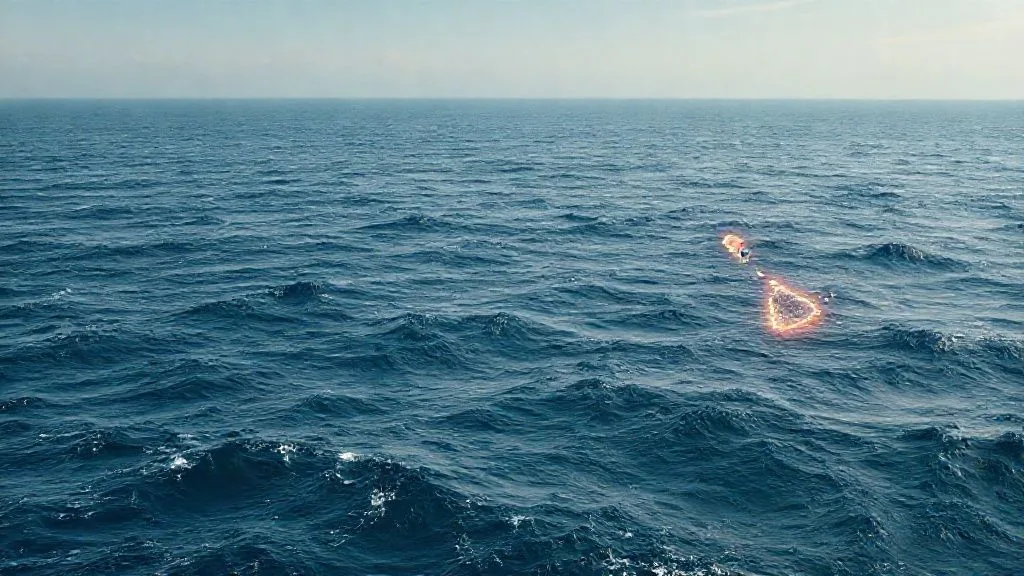
At precisely 04:05 UTC on March 28, 2005, seismic instruments detected a sudden release of energy offshore in the Indian Ocean, located some 150 kilometers west-northwest from Sri Lanka’s southern coast. The earthquake’s moment magnitude registered around 7.0—a significant tremor but notably smaller than the colossal 9.1 event of December 2004.
This quake originated in a complex underwater subduction zone where the Indian plate flexes and grinds beneath the Burma and Sunda plates. Despite the considerable power unleashed, this event favored an imperfect rupture, releasing energy across multiple smaller fractures rather than a single massive fault line.
The Mechanics of the Quake: Magnitude, Epicenter, and Aftershocks
Earthquake magnitude estimates placed the main shock near 7.0 on the Richter scale, ranking it among moderate-to-strong events globally, but relatively minor compared to recent megathrust quakes in the Indian Ocean. The epicenter’s offshore location, about 200 km southwest of the Sri Lankan coast, meant the shaking on land was moderate but noticeable.
Seismologists recorded a flurry of aftershocks in the hours and days after March 28, a common feature indicating crustal adjustments following the seismic rupture. These tremors varied between magnitude 4 and 5, unsettling residents anxious of a chain reaction. Yet, over time, the aftershock frequency diminished steadily, signaling a relaxation of tectonic stress—for a while, at least.
The Immediate Aftermath: Waves, Sirens, and Uncertain Fear
Unlike the devastating tsunami wave that followed the 2004 quake, this 2005 offshore earthquake did not generate large destructive tsunamis. Nonetheless, in some coastal regions, inhabitants reported minor sea-level disturbances—small swellings or choppy waters. Authorities promptly issued tsunami watches, but these were lifted after a few tense hours of monitoring.
The psychological impact of this near-miss was palpable. Sri Lanka’s emergency services, better prepared than a year prior, mobilized warnings and coordinated with regional tsunami alert networks. But for civilians, the memory of 2004’s devastation lingered ominously. The tremor rekindled anxieties, with many refusing to return to the shoreline until reassured of safety.
Tales from the Coastline: Human Stories Amidst the Chaos
In the fishing town of Tangalle, known for its clamour of early morning markets and boats pulling nets heavy with the ocean’s bounty, the quake’s subtle shake prompted a curious reaction. Elder fishermen, who had lived through countless tremors, recognized the signs, while younger villagers experienced the event as a surreal flashback to the horror of 2004.
One fisherman, Ranjith Fernando, later recounted: “The sea was calm, but my boat rocked differently this day. We all knew something was off. But the wave didn’t come. It felt like the ocean took a breath and held it.”
Such stories—half myth, half lived reality—formed the tapestry of human experience around the quake, reminding us that natural disasters are felt not only physically but embedded deeply in communal memory.
Regional Impact: Beyond Sri Lanka’s Borders
Though centered offshore near Sri Lanka, tremors were detected as far as the Maldives, southern India, and parts of Indonesia. The regional interconnectedness around the Indian Ocean basin meant early warning exchanges were crucial. Sri Lanka’s neighbors watched anxiously, many recalling the shared catastrophe of 2004.
Yet, this quake underscored the uneven distribution of hazard preparedness and communication. Some island nations mobilized quickly; others remained dependent on external aid or delayed response. This event catalyzed calls for a better regional seismic monitoring and warning integration across all bordering countries.
The Indian Ocean’s Seismic History: Patterns and Predictions
The Indian Ocean’s seismic footprint is marked by historic mega-quakes and numerous smaller yet impactful events recorded over centuries. The 2005 quake fit within this recurring pattern of earthquakes resulting from the plate convergence beneath the ocean floor.
Scientists have for decades warned of future unpredictable shakes, with stress accumulating particularly along the Sunda trench and adjacent fault systems. Although large breaks like 2004 are rare, the Indian Ocean remains a hotbed of tectonic tension, perpetually reminding communities of their fragile coexistence with a shifting Earth.
Government and International Response: Mobilizing Relief and Aid
The Sri Lankan government, learning hard lessons from the 2004 disaster, responded swiftly by activating tsunami early warning mechanisms and deploying emergency teams along the south and west coasts. International agencies such as the United Nations and Red Cross provided technical assistance for monitoring and public communication.
Moreover, this event pushed momentum for establishing more comprehensive regional collaborations, including the Indian Ocean Tsunami Warning System, which sought to improve information flow and disaster preparedness among member states.
Scientific Revelations: Advances in Tsunami Warning Systems Post-2005
Though the 2005 earthquake did not trigger a large tsunami, it served as a valuable "test event" for newly emerging tsunami warning protocols. Scientists refined seismic data interpretation and improved sea-floor sensor networks. Importantly, the event revealed gaps in real-time data transmission that needed urgent redress.
Research following March 28, 2005, contributed to a paradigm shift: combining seismic with oceanographic monitoring to better predict tsunami risks. Today, this multi-tiered approach is central to Indian Ocean hazard mitigation.
Economic Ripples: Fishing, Tourism, and Infrastructure at Stake
The offshore quake, minor in casualties, nevertheless rippled through Sri Lanka’s fragile coastal economy. Fishermen experienced temporary disorientation, and some avoided going out to sea, fearing aftershocks or tsunamis. Tourist resorts along the southern coastline saw hesitant visitors delaying bookings, reflecting persistent communal trauma.
Infrastructure damage was minimal, but the quake was a stark reminder to maintain robust coastal defenses, critical port facilities, and transport routes that underpinned Sri Lanka’s economic lifelines.
The Environmental Toll: Coastal Erosion and Marine Disruptions
Scientifically, the earthquake demonstrated subtle but significant impacts underwater. Small shifts in the ocean floor altered some seabed habitats, and minor coastal subsidence in parts of southern Sri Lanka was documented. Coastal erosion continued gradually, compounded by human development and climate factors.
The fragile coral ecosystems, essential to fisheries and biodiversity, experienced stress from these disturbances, affirming the interconnectedness of seismic events and environmental health.
Cultural Reflections: How the Earthquake Shaped Local Narratives
Sri Lankan artists, poets, and storytellers responded to the quake and its precedent with themes of vulnerability and resilience. Traditional narratives, long rooted in the rhythms of nature, took on new meaning amid seismic uncertainty. Communities organized ritual ceremonies thanking the sea for its bounty while calling for protection from future disasters.
This cultural processing of the earthquake helped maintain collective memory and fostered solidarity, essential to rebuilding both physical space and spiritual confidence.
Comparing 2005 to 2004: The Shadow of the Devastating Tsunami
The 2005 earthquake inevitably stood in the long and painful shadow cast by the December 2004 megathrust. Unlike the latter’s engulfing waves that reshaped history, the 2005 event was quieter, more contained. Yet it punctuated an ongoing cycle of risk.
Experts often compare the two, using the 2005 quake as a reminder of nature’s less dramatic but persistent dialogue with Sri Lanka. It signals that even when the earth is silent, the threat remains alive beneath the surface.
Lessons Learned: Preparedness and Resilience in Sri Lanka
Perhaps the greatest gift of the 2005 quake was the impetus to deepen disaster preparedness in Sri Lanka. The event reinforced vital lessons: the need for efficient early warning systems, community education, and infrastructural resilience.
Local governments enhanced evacuation protocols, and coastal communities grew more accustomed to responding rapidly to tremors. These steps have since fortified Sri Lanka’s stance against future uncertainty, although the path remains challenging.
The Role of Media: Broadcasting Fear, Hope, and Solidarity
Media coverage of the quake balanced urgency with calm reassurance. Radio broadcasts, televised interviews, and newspaper reports became critical in disseminating vital information. The 2005 earthquake highlighted both the power and responsibility of media in crisis moments.
Journalists embedded in affected areas told stories of survival, compassion, and recovery, stitching a narrative of connectedness that transcended fear. The media thus became a bridge between science, governance, and public trust.
Psychological Aftershocks: Trauma and Healing in Coastal Communities
For many Sri Lankans, March 28 was more than a geological event—it reopened emotional wounds left by the 2004 tsunami. Psychologists noted heightened anxiety, post-traumatic stress, and a pervasive sense of vulnerability in coastal populations.
In response, local NGOs and international groups intensified mental health outreach. Community healing rituals, group therapy, and educational programs helped to stem waves of despair, fostering resilience grounded in shared experience.
The Earthquake in Global Context: Indian Ocean’s Growing Seismic Awareness
The 2005 seismic event contributed to a wider global consciousness about Indian Ocean hazard dynamics. It became part of an evolving narrative among geologists and policymakers focused on megadisasters, regional collaboration, and humanitarian preparedness.
This awareness stimulated scientific forums, emergency drills, and funded projects designed to close the gap between prediction and survival.
Sri Lanka’s Ongoing Vigilance: From 2005 to Today
Nearly two decades later, Sri Lanka’s engagement with seismic risk remains active. Continuous investment in seismic research, community education, and infrastructure protective measures reflects a matured societal vigilance.
The March 28, 2005 earthquake is taught in schools, remembered in cultural contexts, and serves as a quiet sentinel reminding all that the Indian Ocean’s restless heartbeat continues.
Epilogue: Nature’s Silent Warnings and Human Resolve
As waves lap the shores once stirred on that March morning in 2005, the island of Sri Lanka stands resilient—a land shaped by oceans and earth, by adversity and hope. The offshore earthquake was a whisper from the depths, a portrait of Earth’s ceaseless reconfiguration beneath our feet.
It reminds us, poignantly yet humbly, of the fragile threads linking human life to the planet’s might. In the quiet aftermath, communities learned anew the art of listening—to nature’s silent warnings, and to each other—with courage and resolve that endures still.
Conclusion
The Sri Lanka offshore earthquake of March 28, 2005, offers a compelling episode in the ongoing dialogue between humanity and Earth’s formidable geological forces. Though overshadowed by more catastrophic predecessors, this event stands as a narrative of awareness, resilience, and the persistent quest to live safely amid nature’s unpredictability.
By revisiting this moment, we grasp not just the mechanics of tectonic shifts, but the human spirit stirred by those tremors—how memory, culture, science, and community intertwine to forge a future prepared to face the unknown.
FAQs
Q1: What caused the Sri Lanka offshore earthquake on March 28, 2005?
The earthquake was triggered by tectonic movements along the subduction zone in the Indian Ocean, where the Indian plate interacts with neighboring plates, causing stress buildup and release offshore from Sri Lanka.
Q2: How strong was the 2005 Sri Lanka offshore earthquake?
The quake registered approximately magnitude 7.0, significant but moderate compared to the destructive 9.1 magnitude 2004 earthquake.
Q3: Did the 2005 earthquake cause a tsunami?
No major tsunami followed the 2005 offshore earthquake, though minor sea disturbances were reported and precautionary warnings issued.
Q4: How did Sri Lanka respond to the earthquake?
Sri Lanka activated early warning systems, coordinated with regional agencies, and mobilized emergency response teams to monitor the situation and prepare coastal communities.
Q5: How did the event impact the local population psychologically?
The quake rekindled trauma from the 2004 tsunami, increasing anxiety and stress, which prompted mental health interventions focused on healing and community resilience.
Q6: What scientific advancements arose from this event?
The event revealed gaps in real-time seismic and tsunami monitoring, accelerating improvements in multi-disciplinary warning systems in the Indian Ocean region.
Q7: How does this earthquake fit into the Indian Ocean’s seismic history?
It was one of several notable medium-strong quakes reinforcing that the Indian Ocean remains an active seismic zone with ongoing risk of larger events.
Q8: What lessons did Sri Lanka take from the 2005 earthquake?
Key lessons included the necessity of efficient warning systems, community education, cross-border cooperation, infrastructure resilience, and addressing psychological impacts.