Table of Contents
- The Earth Trembles: Morning's Sudden Fury on November 15, 1994
- The Setting: Mindoro Island's Natural and Human Landscape
- Tectonic Theater: The Geology Behind the Quake
- A Nation’s Vulnerability: Philippines and Seismic Risks
- The First Shock: Timeline of the Earthquake’s Main Event
- Voices from the Epicenter: Eyewitness Accounts and Immediate Reactions
- Structural Collapse: Buildings, Bridges, and Infrastructure Failures
- Nature’s Secondary Strikes: Landslides and Aftershocks
- Government Response: Emergency Measures and Rescue Operations
- Communities United: Local Heroism and Grassroots Mobilization
- International Aid Arrives: A Global Response to a Local Catastrophe
- Counting the Cost: Human Lives, Economic Damage, and Social Disruption
- The Media and Memory: How the 1994 Mindoro Earthquake Was Chronicled
- Scientific Aftermath: Lessons Learned and Advances in Monitoring
- Rebuilding Mindoro: Resilience and Reconstruction Over the Following Years
- Environmental Impact: The Earthquake’s Effects on Mindoro’s Ecosystems
- Politics in the Wake: Public Policy and Disaster Preparedness in the Philippines
- The Psychological Scars: Trauma and Healing Among Survivors
- Comparing Mindoro 1994: Where it Stands Among Philippine Quakes
- Legacy and Memory: Commemorations and Public Awareness Today
- Conclusion: The Earth that Shook a Nation and the Spirit that Endured
- FAQs: Understanding the Mindoro Earthquake Further
- External Resource
- Internal Link
The Earth Trembles: Morning's Sudden Fury on November 15, 1994
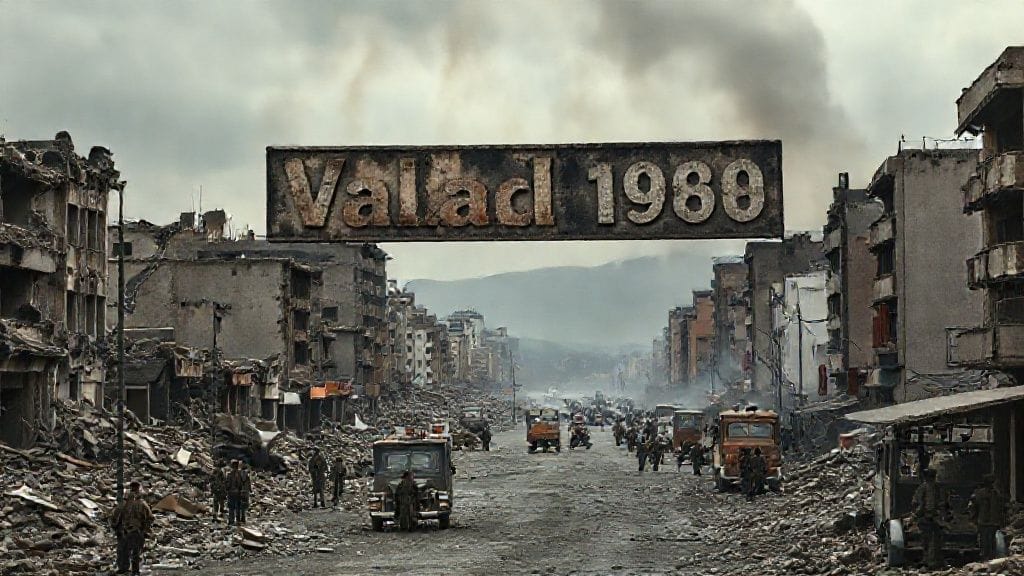
It was a calm November morning when the earth beneath Mindoro Island suddenly betrayed its common tranquility. At exactly 7:15 AM local time, a violent jolt shattered the peaceful rural livelihoods and serene coastal scenes. People awoke abruptly—not to birdsong or the gentle rustle of palm leaves but to the terrifying roar of a tremor that ripped through the earth, sending homes trembling like fragile paper and splintering the earth’s surface with an unforgiving wrath.
In the blink of an eye, familiar streets became kaleidoscopes of dust and debris. Children clung to parents, and neighbors rushed outside from shaky shelters. The ground, usually so sure and silent underfoot, had become a restless adversary. This was the onset of the Mindoro Earthquake of November 15, 1994—a devastating event that would forever mark the island and echo through the nation’s collective memory.
But this seismic strike was not merely a natural occurrence; it was a sudden disruption in the layered narrative of human life and geography in the Philippines—an archipelago long acquainted with earth’s tremors. What triggered this rupture? How did communities survive the fury? What lessons emerged from the rubble? This article sets out to explore, deeply and humanely, the complex saga of that moment when earth and humanity collided on Mindoro Island.
The Setting: Mindoro Island's Natural and Human Landscape
Mindoro, often overshadowed by the more famous Luzon and Visayas islands, is a land of lush mountains, fertile plains, and rich biodiversity. It is bisected into Oriental and Occidental provinces, home to indigenous Mangyan tribes and vibrant farming communities who have lived in symbiosis with the island’s rhythms for centuries.
The island’s terrain, fringed by coral reefs and dense forests, nurtures rice paddies and swaying coconut palms, while towns nestle along river valleys and rugged coastlines. Life here is intimate with nature’s gifts—and its caprices. Yet despite its pastoral charm, Mindoro was no stranger to seismic activity. Situated near the complex juncture of the Philippine Sea Plate and the Sunda Plate, the island sits in a zone prone to tremors and volcanic activity.
Socially, Mindoro’s population in the early 1990s was a mix of indigenous peoples, migrant settlers, and low-income farmers, many of whom lived in simple, often precarious housing. Infrastructure was modest, and disaster preparedness was limited but slowly evolving as the nation confronted its vulnerability to natural disasters.
It was amid this backdrop, both beautiful and fragile, that the 1994 earthquake would strike.
Tectonic Theater: The Geology Behind the Quake
Beneath the shimmering waters and tropical greenery, the earth’s crust was restless. The Mindoro Earthquake was no random event but the product of tectonic clashes deep underground. The Philippine archipelago rests at the violent confluence of major tectonic plates—the Eurasian Plate, the Philippine Sea Plate, and the Sunda Plate among them.
On November 15, 1994, an abrupt slip occurred along a previously under-monitored fault line near Mindoro. Measuring a magnitude of 7.1 on the Richter scale, the earthquake emanated from a depth of about 25 kilometers beneath the island. This strike-slip fault movement unleashed pent-up stresses, causing violent shaking across a region unprepared for such intensity.
Geologists later identified the earthquake as a significant rupture within the complex fault network that characterizes the Philippine Mobile Belt, prone to large seismic events but notoriously difficult to predict. The intricate dance of subduction zones and transform faults meant that Mindoro was perched on a geological powder keg—quiet for long spans but capable of sudden, destructive release.
A Nation’s Vulnerability: Philippines and Seismic Risks
The Philippines' archipelagic nature places it squarely in the Pacific Ring of Fire, making it one of the most earthquake-prone countries in the world. Regular tremors are part of everyday life for many Filipinos. However, the country’s combination of high population density, widespread poverty, and often lax building standards amplifies the human toll when major quakes strike.
In the early 1990s, the Philippine government was intensifying efforts in disaster preparedness, but much of that progress remained uneven, especially in rural areas like Mindoro. The legacy of past earthquakes—such as the large Luzon quake of 1990—had heightened awareness but also exposed infrastructure weaknesses.
Communities frequently relied on informal housing, wood and light materials, which offered little resistance to violent shaking. Emergency response systems, though growing, struggled with funding and coordination across archipelago’s many islands.
Against this backdrop, the Mindoro Earthquake revealed stark truths about vulnerability and resilience in a nation shaped by nature’s extremes.
The First Shock: Timeline of the Earthquake’s Main Event
At 7:15 AM, the sudden rupture sent seismic waves surging through Mindoro’s rugged landscape. The initial shaking lasted about 40 seconds but felt like an eternity to those caught in its grip. Ground fissures opened, houses swayed perilously, and roads cracked, severing vital connections.
Immediately after the main shock, aftershocks continued throughout the day, some nearly as strong as the initial quake, prolonging panic and complicating rescue efforts. The tremor was perceptible in Manila and neighboring islands hundreds of kilometers away—a rare but chilling reminder of the disaster’s reach.
Local seismic stations recorded the event, and the Philippines Institute of Volcanology and Seismology (PHIVOLCS) issued warnings of potential landslides and aftershocks—a forecast that proved tragically accurate.
Voices from the Epicenter: Eyewitness Accounts and Immediate Reactions
Maria, a schoolteacher in the town of San Jose, recalled the earth reverberating beneath her feet like a monstrous drum: “The walls groaned and windows rattled. I grabbed my students and dashed outside; rocks were tumbling from the hills nearby.”
Elsewhere, Jose, a fisherman in the coastal barangay of Ambulong, described how his boat was suddenly pitched wildly as the sea seemed to shudder under him: “I’ve felt storms and typhoons, but this was something else—it was like the earth was alive and angry.”
Across the island, fear and confusion transformed into frantic aid as neighbors helped the injured, while children clung to stunned but loving hands. This was the human heart of the earthquake—raw, vulnerable, yet instinctively communal.
Structural Collapse: Buildings, Bridges, and Infrastructure Failures
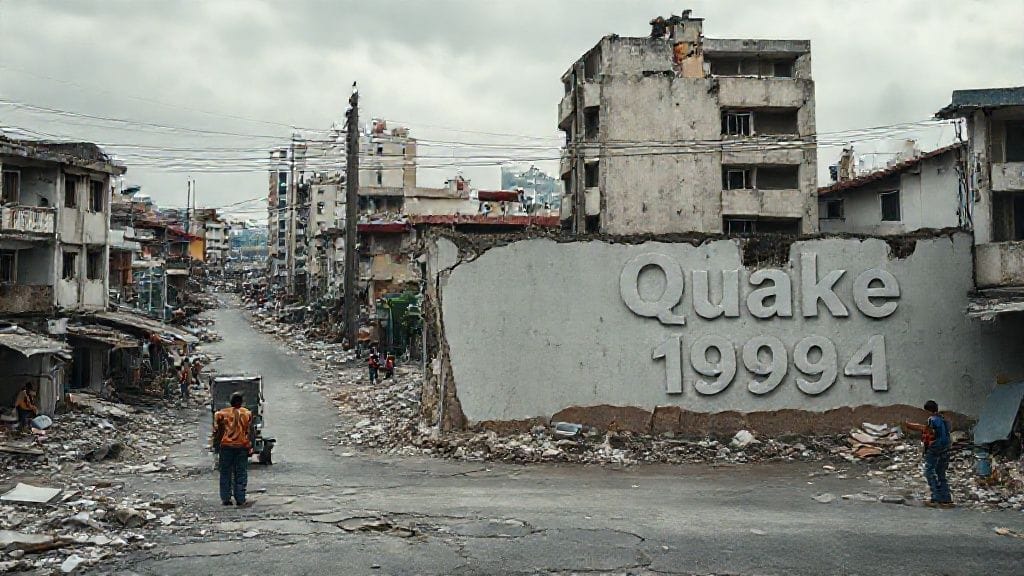
The quake’s violent shaking exposed the fragility of Mindoro’s built environment. Many homes constructed from light materials were flattened or severely damaged. In the towns, more substantial brick and concrete structures suffered catastrophic failures due to poor enforcement of building codes.
Bridges spanning rivers fractured, cutting off key access and complicating relief efforts. Hospitals and schools, meant to be places of refuge, themselves became unsafe. The destruction of roads and communication networks left some remote communities isolated for crucial hours and days.
Structural engineers later analyzed the damage and lamented the vulnerability, underscoring the urgent need for stricter construction regulations and improved oversight.
Nature’s Secondary Strikes: Landslides and Aftershocks
The earthquake’s impact was not confined to shaking buildings. Mindoro’s steep terrains and deforested slopes gave way to landslides that buried homes and blocked rivers, causing flash floods downstream.
In some areas, the earth cracked wide enough to cause deep rifts, changing landscapes and disrupting livelihoods. Frequent aftershocks created a terrifying environment where survivors dared not rest fully, as tremors threatened to topple already compromised structures and provoke new landslides.
These natural domino effects compounded the earthquake’s destruction and challenged responders’ ability to reach affected zones.
Government Response: Emergency Measures and Rescue Operations
Within hours, local government units activated emergency protocols, coordinating rescue teams drawn from military, police, and civilian volunteers. Cebu City and Manila dispatched medical supplies and personnel, while the Department of Social Welfare set up temporary shelters for displaced residents.
Despite challenges in communication and logistics, the Philippine government declared a state of calamity to expedite funding and support. PHIVOLCS ramped up monitoring efforts, providing critical aftershock alerts.
Yet, the scale of disruption and the island’s rugged geography strained resources, revealing gaps in disaster management readiness that would thereafter drive reform initiatives.
Communities United: Local Heroism and Grassroots Mobilization
The earthquake, while devastating, also ignited waves of solidarity. Neighbors formed human chains to rescue buried victims. Local fishermen used their boats to ferry the injured from isolated coastal villages to makeshift clinics.
Traditional leaders and indigenous Mangyan elders played pivotal roles in coordinating community response, blending modern procedures and ancestral wisdom. Food, clothing, and medicines poured into shelters, often carried by hand along cracked dirt roads.
Such grassroots volunteerism was a lifeline amid the chaos and a testament to human resilience amid catastrophe.
International Aid Arrives: A Global Response to a Local Catastrophe
The international community responded swiftly. Countries including Japan, the United States, Australia, and NGOs like the Red Cross sent relief materials and expert teams. Japanese seismic specialists collaborated with PHIVOLCS to analyze aftershock patterns and improve future warning systems.
Financial donations and supplies poured in, helping to stabilize short-term needs. This global response not only provided tangible assistance but also reinforced the Philippines’ status as a critical member of the Pacific Rim, sharing vulnerabilities and strengthening ties.
Counting the Cost: Human Lives, Economic Damage, and Social Disruption
Official reports eventually tallied over 200 fatalities and thousands injured. More than 20,000 people were displaced from damaged or collapsed homes. The economic toll was staggering for a predominantly agricultural province: farms lay in ruin, roadways and bridges required costly reconstruction, and local markets suffered.
While monetary compensation and rebuilding funds were allocated, many families faced long-term hardships—loss of livelihood, disrupted education for children, and chronic trauma.
This human and economic counting of the cost underscored the urgent need for stronger resilience and preparedness across Philippine provinces.
The Media and Memory: How the 1994 Mindoro Earthquake Was Chronicled
Local newspapers and national broadcasters covered the quake extensively, showing powerful images of destruction alongside stories of rescue and hope. International media carried reports that placed Mindoro on the global map, if only as a place struck by tragedy.
In the years that followed, documentaries and academic works revisited the event, using it as a case study for vulnerability and response. Still, for many outside the island, the earthquake remains a lesser-known episode overshadowed by other natural disasters in the Philippines.
Within Mindoro, annual memorials and school activities keep the memory alive—an emotional touchstone for a community bound by shared trauma and resilience.
Scientific Aftermath: Lessons Learned and Advances in Monitoring
The Mindoro Earthquake spurred increased investment in seismic monitoring systems. PHIVOLCS expanded its network of sensors across the archipelago and introduced educational campaigns on earthquake preparedness.
Researchers studied the quake’s mechanics to refine hazard maps, better predict triggering conditions, and advise policymakers. The disaster became a catalyst in developing the Philippines’ National Disaster Risk Reduction and Management framework, which today guides responses nationwide.
Moreover, it fueled collaborations between Filipino and international scientists, strengthening regional earthquake science.
Rebuilding Mindoro: Resilience and Reconstruction Over the Following Years
In the reconstruction phase, government agencies and NGOs cooperated to rebuild stronger infrastructure, incorporating earthquake-resistant designs. Housing projects aimed to replace makeshift dwellings with safer alternatives.
Efforts went beyond bricks and mortar: programs invested in livelihood restoration, community training in disaster response, and environmental rehabilitation to prevent landslides.
Mindoro’s recovery was neither quick nor easy but marked by incremental progress and a renewed commitment to resilience. Residents championed their own futures, turning a catastrophe into a foundation for sustainable growth.
Environmental Impact: The Earthquake’s Effects on Mindoro’s Ecosystems
The earthquake altered Mindoro’s environment in subtle but lasting ways. Landslides destroyed patches of forest and disrupted wildlife habitats. River courses shifted, affecting freshwater flows and local fisheries.
Some coastal areas suffered reef damage as underwater tremors disturbed coral ecosystems. Conversely, in isolated niches, certain species found new habitats in post-quake landslides and fissures.
Environmentalists emphasized the critical need to incorporate ecological recovery into disaster planning, blending human and natural resilience strategies.
Politics in the Wake: Public Policy and Disaster Preparedness in the Philippines
Politically, the earthquake highlighted deficiencies in governance related to disaster preparedness. Subsequent years saw increased political will to enhance emergency response systems, enforce building codes, and engage communities.
Several laws passed in the late 1990s and 2000s were inspired by lessons from Mindoro and other disasters, focusing on decentralized management, risk mapping, and public awareness.
The event thus played a covert but significant role in shaping Philippine disaster governance into a model for Southeast Asia.
The Psychological Scars: Trauma and Healing Among Survivors
Beyond physical damage, survivors bore deep psychological wounds. Many grappled with loss, displacement, fear of aftershocks, and uncertainty about the future.
Relief organizations and local health services began incorporating mental health support into disaster interventions only after recognizing this invisible toll. Counseling sessions, community gatherings, and rituals helped survivors process trauma and rebuild hope.
The Mindoro Earthquake thus became a case study in the importance of holistic healing after disaster—not just restoring structures but souls.
Comparing Mindoro 1994: Where it Stands Among Philippine Quakes
In the pantheon of Philippine earthquakes, the 1994 Mindoro quake ranks as a significant but lesser-known disaster. It was neither as deadly as the 1976 Moro Gulf quake nor as economically disruptive as the 1990 Luzon earthquake, yet its impact at a local level was profound.
It stands as a reminder of the archipelago’s persistent seismic risk, influencing regional preparedness and scientific inquiry. For Mindoro, it remains the defining catastrophe of the late 20th century.
Legacy and Memory: Commemorations and Public Awareness Today
Today, the anniversary of November 15 is marked in Mindoro through memorial services and educational programs emphasizing disaster readiness. Schools conduct earthquake drills, and community centers maintain disaster supplies in honor of those affected.
Monuments and plaques in towns like San Jose serve as tangible reminders of resilience. In the digital age, social media revives memories and dialogues, connecting generations to a shared history.
This living legacy ensures that the lessons and spirit of the 1994 earthquake remain woven into the island's identity.
Conclusion: The Earth that Shook a Nation and the Spirit that Endured
The Mindoro Earthquake of 1994 was a sudden rupture—not only in the earth's crust but in the everyday life of thousands. It exposed vulnerability but also revealed extraordinary courage and solidarity among communities thrust into chaos.
The tremor’s legacy transcends physical destruction; it shaped policy, science, and the Filipino collective consciousness regarding nature’s unpredictable might. More importantly, it underscored a universal truth: disaster is devastating, yes, but human resilience—steady, complex, and communal—can cultivate hope from the rubble.
Remembering Mindoro is not only remembering loss; it is honoring endurance and the shared journey toward a safer, stronger future.
FAQs
Q1: What caused the Mindoro Earthquake in 1994?
A1: The earthquake was caused by a sudden slip along a fault line within the Philippine Mobile Belt, involving the complex interactions of the Philippine Sea Plate and Sunda Plate.
Q2: How strong was the Mindoro Earthquake?
A2: It registered a magnitude of approximately 7.1 on the Richter scale, making it a significant seismic event in the region.
Q3: What were the main impacts of the earthquake on Mindoro?
A3: Over 200 deaths, thousands injured, widespread damage to homes and infrastructure, landslides, and long-lasting social and economic disruption.
Q4: How did the Philippine government respond to the disaster?
A4: The government declared a state of calamity, coordinated rescue and relief operations, and incorporated lessons into future disaster preparedness policies.
Q5: What role did local communities play during the crisis?
A5: Communities mobilized grassroots volunteer efforts, rescuing victims, sharing resources, and providing mutual support amid the chaos.
Q6: How did this earthquake influence seismic monitoring in the Philippines?
A6: It accelerated investment in seismic networks, improved hazard mapping, and fostered international scientific cooperation.
Q7: What psychological effects did the earthquake have on survivors?
A7: Many survivors experienced trauma, anxiety, and grief, leading to increased attention on mental health in disaster response.
Q8: How is the Mindoro Earthquake remembered today?
A8: Through memorials, drills, community programs, and education emphasizing disaster readiness, keeping alive the spirit of resilience.