Table of Contents
- The Morning the Earth Trembled: September 28, 2018
- Before the Shock: Sulawesi’s Volcanic and Tectonic Legacy
- The Ring of Fire’s Fierce Grip: Indonesia’s Geological Battleground
- A City on Edge: Palu’s Social and Economic Landscape
- The Earthquake Strikes: Magnitude, Epicenter, and Immediate Impact
- Tsunami Waves Unleashed: The Hidden Menace
- The Descent into Darkness: Power Outages and Communication Breakdowns
- Scenes of Devastation: Collapsed Buildings, Cracked Roads, and Shattered Lives
- The Human Toll: Deaths, Injuries, and Displacement
- The Landslide that Buried a Village: The Catastrophe at Balaroa
- Emergency Response Mobilized: Local and International Efforts Unite
- Challenges in the Aftermath: Accessing Remote Areas and Coordinating Aid
- Survivors’ Stories: Resilience Amid Ruins
- Media Coverage and the World’s Gaze on Sulawesi
- Political Repercussions and the Government’s Accountability
- Scientific Insights: Lessons Learned about Sulawesi’s Seismic Risks
- Reconstruction and Recovery: Rebuilding a Broken City
- Psychological Scars: The Lingering Effects on Communities
- Tsunami Warning Systems and Prevention Measures Post-Palu
- Legacy of the 2018 Palu Earthquake: Change and Hope
- Conclusion: Remembering the Day Nature Roared
- FAQs About the Palu (Sulawesi) Earthquake
- External Resource
- Internal Link
1. The Morning the Earth Trembled: September 28, 2018
It was a sunny morning in Palu, on the Indonesian island of Sulawesi, a day that began like any other but would be etched forever into memory. At precisely 6:02 a.m. local time, the earth roared beneath the city—its violent convulsions tearing through homes, shaking markets, and shattering the fragile calm of daily life. The 7.5-magnitude earthquake unleashed an unimaginable fury that struck without warning, a cataclysm that not only reduced buildings to rubble but also set off a tsunami that relentlessly surged toward the coastline.
In that instant, thousands found themselves caught in nature’s merciless grip, scrambling for safety while the world around them disintegrated. Palu, a bustling city of nearly 350,000, transformed into a scene of chaos and grief. The ground cracked open, roads twisted like pieces of paper, and entire villages vanished beneath landslides. Survivors would describe it as “a nightmare come to life,” a sudden, gut-wrenching silence followed by cries for help echoing through dust-choked air.
But this was only the beginning. Behind the quake lay a complex geological and sociopolitical tapestry that would test Indonesia’s resilience and humanity in ways few could have anticipated.
2. Before the Shock: Sulawesi’s Volcanic and Tectonic Legacy
To grasp the magnitude of what befell Palu, one must first understand Sulawesi’s restless nature. This island sits at a seismic crossroads where the Australian, Pacific, and Eurasian tectonic plates converge — a volatile triangle often dubbed part of the infamous “Ring of Fire.” This zone is responsible for a large share of the world’s earthquakes and volcanic eruptions.
Sulawesi’s landscape is a mosaic of rugged mountains, deep valleys, and fault lines crisscrossing its terrain like raw scars. The area surrounding Palu lies near the Palu-Koro fault, a major strike-slip fault system known for prior seismic activity. Historical records reveal a pattern of earthquakes, some centuries old, often accompanied by tsunamis. Yet, despite warnings from scientists, urban development surged along vulnerable stretches, driven by economic growth and increasing population density.
The island’s residents had long lived with the earth’s trembling beneath their feet — a reminder of nature’s volatility — but the unprecedented combination of the earthquake, subsequent tsunami, and landslides on September 28 would shatter any sense of familiarity or safety.
3. The Ring of Fire’s Fierce Grip: Indonesia’s Geological Battleground
Indonesia’s position as an archipelago straddling multiple tectonic boundaries has made it a natural laboratory of geological forces. It experiences thousands of tremors annually, ranging from barely perceptible shakes to devastating quakes that reshape entire regions.
The mechanics behind the Palu earthquake are complex yet harrowingly instructive. The quake resulted from a sudden slip along the Palu-Koro fault, one that shifted tens of kilometers beneath the surface in seconds. Such strike-slip faults cause lateral displacement, akin to the San Andreas Fault in California, but what followed was particularly striking: a series of secondary hazards.
The earthquake’s rupture was among the fastest ever recorded, accelerating seismic waves across the area and triggering a tsunami, despite the fault’s strike-slip character typically not favoring large waves. Additionally, the quake destabilized steep slopes, causing deadly landslides and liquefaction—where saturated soils lose strength and behave like a liquid—compounding destruction.
Indonesia’s geological story is thus one of both breathtaking natural dynamism and perilous risk — a dual reality that confronted Palu in tragic terms.
4. A City on Edge: Palu’s Social and Economic Landscape
Palu was more than a geographic pin on the map; it was a city alive with the rhythms of community and commerce. As the capital of Central Sulawesi province, it served as a hub for trade, education, and culture. Its population was diverse—comprising indigenous groups, migrants from other parts of Indonesia, and a growing youth eager for opportunities.
The city’s economy was anchored in agriculture, fisheries, and a fledgling tourism sector, with its palm-covered beaches and rolling hills drawing visitors. Yet, rapid urbanization had pushed many residents into informal settlements near fault lines and unstable land.
Infrastructural development lagged behind population growth, and many buildings were not designed to withstand powerful earthquakes. There was an ongoing debate about how to balance development with safety and environmental awareness—a debate that, in September 2018, took on grim urgency.
5. The Earthquake Strikes: Magnitude, Epicenter, and Immediate Impact
At 6:02 a.m., the seismographs recorded a seismic event of magnitude 7.5, centered roughly 77 kilometers north of Palu city at a shallow depth of 10 kilometers. This shallow focus meant energy was released violently near the surface, intensifying ground shaking.
The intensity of the earthquake was catastrophic. Buildings swayed and crumbled; bridges buckled; highways tore apart. Eyewitnesses reported the terrifying sensation of the ground twisting beneath them, throwing people off balance, and toppling trees and poles.
Unlike many disasters that give some hours of fading warning, this was instantaneous—no sirens, no alerts, just raw terror. People fled their homes in panic, seeking open spaces or higher ground, though many were caught without time or options.
This seismic event was a brutal reminder of nature’s sudden fury, capable of rewriting the fate of an entire city in seconds.
6. Tsunami Waves Unleashed: The Hidden Menace
If the earthquake was nature’s roar, the following tsunami was its merciless strike. Roughly 15 minutes after the initial shake, huge waves, estimated at up to six meters high, slammed into Palu Bay’s coastlines.
This tsunami was unusual for a strike-slip fault quake, typically not generating such waves. Scientists later attributed it to underwater landslides triggered by the seismic event, which rapidly displaced water mass and created devastating waves.
The tsunami obliterated coastal villages, swept away vehicles and boats, and trapped victims with nowhere to run. Some eyewitnesses described how the sea withdrew dramatically before surging back—a terrifying sign other coastal residents recognized too late.
This secondary disaster caught many unaware. Inadequate early warning systems and poor communication amplified the tsunami’s deadly toll.
7. The Descent into Darkness: Power Outages and Communication Breakdowns
In the hours following the earthquake, Palu and surrounding areas plunged into darkness—literally and figuratively. Power grids were destroyed or severely damaged. Telecommunication networks collapsed, cutting off crucial lines of contact.
For residents, this was chilling not only because of the loss of light and heat but because it meant isolation. Loved ones could not be reached, emergency responders found access difficult, and misinformation spread rapidly.
The blackout magnified the chaos. Without clear communication channels, coordinating rescue and relief became a logistical nightmare. Survivors relied heavily on word of mouth and improvised efforts to signal for help.
This blackout period also stands as a metaphor for the initial helplessness felt by many, trapped in a sudden void.
8. Scenes of Devastation: Collapsed Buildings, Cracked Roads, and Shattered Lives
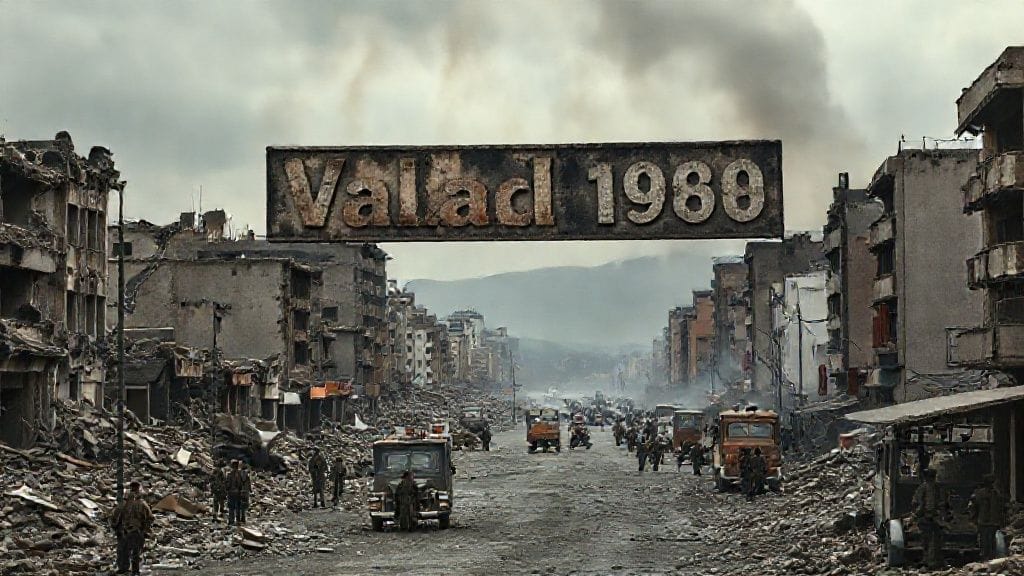
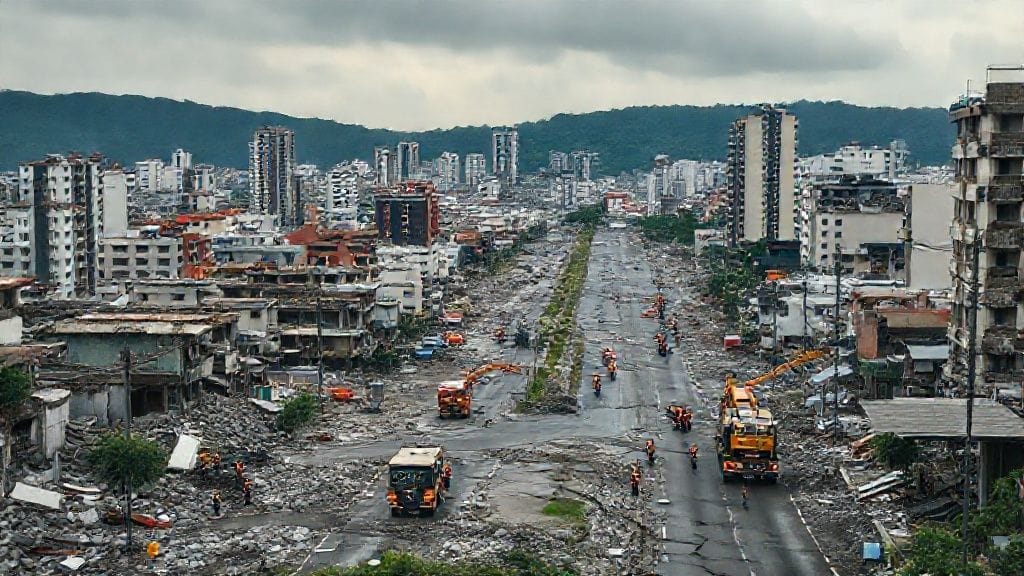
The city’s physical landscape was unrecognizable. The earthquake leveled some districts, with modern concrete structures crumbling like matchsticks. In some parts, entire blocks were reduced to rubble; in others, cars were crushed under debris.
Roads cracked open into jagged chasms, complicating movement. The airport suffered damage but remained operational for vital humanitarian flights.
Hospitals, schools, and government buildings lay in ruins or were severely compromised. The sense of security communities had known vanished overnight.
And beneath the destruction lay hundreds, perhaps thousands, trapped, injured, or missing. Scenes of desperate rescue emerged as neighbors dug through debris with bare hands, desperately seeking survivors.
9. The Human Toll: Deaths, Injuries, and Displacement
The official death toll eventually exceeded 4,300, though many believe the actual number was higher due to delayed reporting and inaccessible areas. Thousands more were injured, with many suffering debilitating wounds, broken bones, or burns.
Over 200,000 people were displaced, forced to live in temporary shelters or makeshift camps. Families were torn apart, communities scattered.
Health crises emerged from the damaged sanitation infrastructure, posing risks of disease outbreaks. Psychological trauma permeated survivors, as many struggled with the loss of loved ones, homes, and livelihoods.
This human cost would echo for years, a wrenching reminder that behind every number lies a personal story of suffering and endurance.
10. The Landslide that Buried a Village: The Catastrophe at Balaroa
One of the most devastating moments during the disaster was the landslide in Balaroa, a neighborhood at the outskirts of Palu. Triggered by liquefaction and seismic shocks, an enormous mass of earth and mud engulfed the village.
Entire neighborhoods vanished beneath the debris fields, swallowing homes and families without warning. Rescue teams faced grim tasks—recovering bodies and searching for survivors amid unstable ground.
The tragedy at Balaroa symbolized the unpredictable and multifaceted nature of the disaster—earthquakes were only part of the story, as the land itself transformed into a deadly hazard.
11. Emergency Response Mobilized: Local and International Efforts Unite
In the aftermath, Indonesia’s National Disaster Mitigation Agency (BNPB) spearheaded rescue and relief operations. Military units, medical teams, and volunteers converged on Palu to provide aid.
International partners, including the United Nations, Red Cross, and neighboring countries, offered logistical support and supplies.
Despite challenging conditions—damaged infrastructure, ongoing aftershocks, and weather obstacles—the collective effort saved countless lives. Makeshift clinics, water purification centers, and food distribution points sprung up.
Still, the sheer scale of the calamity overwhelmed resources at times, highlighting gaps in preparedness and response.
12. Challenges in the Aftermath: Accessing Remote Areas and Coordinating Aid
Accessing isolated or severely damaged areas proved difficult. Landslides blocked roads, bridges were impassable, and communication blackouts hindered coordination.
Aid convoys often had to rely on helicopters or boats to reach victims. The geography of Sulawesi, rife with mountains and forests, complicated these efforts.
Moreover, the region’s fragile infrastructure showed its limits, testing the resolve of responders and raising questions about urban planning and disaster readiness.
13. Survivors’ Stories: Resilience Amid Ruins
Amid the rubble rose countless stories of bravery and human spirit. Neighbors formed chains to rescue the trapped; families shared scarce resources; local leaders emerged as pillars of strength.
A woman recounted how she was pulled from the collapsed remains of her home by neighbors hours after the quake. A fisherman described how his boat saved dozens from the tsunami’s edge.
These narratives bring a profoundly human face to the disaster, illustrating not only loss but hope — the will to endure and rebuild.
14. Media Coverage and the World’s Gaze on Sulawesi
News outlets worldwide raced to cover the unfolding tragedy. Dramatic images and survivor testimonies flooded the airwaves and internet, spurring international solidarity.
Social media became a tool for locating missing persons, sharing vital information, and mobilizing donations. Yet, misinformation also circulated, complicating rescue and relief.
The Palu earthquake was a stark reminder of how modern communication shapes disaster responses — for better and worse.
15. Political Repercussions and the Government’s Accountability
The Indonesian government faced scrutiny over disaster preparedness and housing regulation. Critics pointed to lax enforcement of building codes and inadequate tsunami warning systems.
President Joko Widodo pledged accelerated recovery and infrastructure upgrades, while local authorities sought to build back safer communities.
The crisis exposed challenges endemic to developing nations balancing growth, governance, and vulnerability to natural hazards.
16. Scientific Insights: Lessons Learned about Sulawesi’s Seismic Risks
Seismologists studied the Palu earthquake intensively, uncovering unique dynamics in the fault rupture and consequent tsunami generation.
These findings revised risk assessments for similar strike-slip faults worldwide, emphasizing the unpredictability of secondary hazards like underwater landslides.
Experts urged Indonesia to invest more heavily in monitoring networks, public education, and resilient urban planning.
17. Reconstruction and Recovery: Rebuilding a Broken City
Reconstruction began amid the ruins. International funds and government programs targeted housing, schools, hospitals, and infrastructure.
Yet rebuilding posed daunting questions: Should new settlements avoid high-risk zones? How to support displaced communities equitably? Can economic activity resume without compromising safety?
A slow, painful process of healing and rebuilding would occupy the region for years.
18. Psychological Scars: The Lingering Effects on Communities
Beyond physical damage, the trauma inflicted deep psychological wounds. Survivors grappled with PTSD, anxiety, and grief.
Mental health services were limited but gradually expanded to address these silent aftershocks. Community support systems and counseling programs became crucial.
The disaster’s emotional legacy underscored the need for holistic recovery that recognizes both body and mind.
19. Tsunami Warning Systems and Prevention Measures Post-Palu
The Palu disaster spurred reforms in Indonesia’s tsunami warning system. Investments were made to improve early detection, communication, and evacuation protocols.
Community drills and education campaigns emphasized preparedness. New technologies, including portable sensors and mobile alerts, were deployed.
While no system can prevent earthquakes, these steps aim to mitigate future waves of destruction.
20. Legacy of the 2018 Palu Earthquake: Change and Hope
In the years following September 28, 2018, Palu stands as a testament to human endurance and the imperative of respecting nature’s power.
The tragedy forced a reckoning with environmental stewardship, urban planning, and disaster readiness, catalyzing reforms and greater awareness.
Though scars remain, the city’s recovery ignites hope that lessons learned will shape safer futures—honoring those lost with vigilant care for those who remain.
Conclusion
The 2018 Palu Earthquake was a sudden convulsion of the earth that transformed an ordinary day into a nightmare etched in Indonesian history. It was a vivid reminder that beneath the soil we tread lies a dynamic, sometimes hostile planet whose forces can disrupt, destroy, and challenge civilization in a matter of moments.
Yet, from the ruins emerged stories of courage, solidarity, and resilience that speak to humanity’s remarkable will to survive and rebuild. Palu’s tragedy underscores the urgent need for harmonizing human progress with the unpredictable rhythms of our natural world—building communities not only for convenience and growth but for endurance.
As we remember the lives lost and the community scattered by that fateful morning, we are also called to vigilance, empathy, and proactive action. The earth may tremble again, but through knowledge, preparation, and unity, such devastation can be met with strength and hope.
FAQs About the Palu (Sulawesi) Earthquake
Q1: What caused the Palu earthquake of 2018?
The earthquake was caused by a sudden slip along the Palu-Koro fault, a strike-slip fault located on the island of Sulawesi where several tectonic plates interact.
Q2: Why did the earthquake generate a tsunami despite being a strike-slip event?
Scientists believe underwater landslides triggered by the quake displaced large water volumes, generating tsunami waves even though strike-slip faults typically produce limited vertical displacement.
Q3: How many casualties resulted from the earthquake and tsunami?
Official estimates report over 4,300 deaths, with thousands injured and more than 200,000 people displaced.
Q4: What challenges hampered the disaster response?
Severe infrastructural damage, power outages, communication breakdowns, and difficult access to remote and landslide-affected areas slowed rescue and aid operations.
Q5: What safety measures were implemented after the disaster?
Improvements included upgrading Indonesia’s tsunami early warning systems, enhancing public awareness campaigns, and revising building codes to better withstand earthquakes.
Q6: How did the disaster impact Sulawesi’s communities psychologically?
Many survivors suffered post-traumatic stress, anxiety, and grief, leading to increased focus on mental health services and community support programs.
Q7: What lessons did scientists learn from this earthquake?
The event revealed new insights into strike-slip fault behavior, tsunami generation from underwater landslides, and the need for comprehensive hazard assessments in similar regions.
Q8: How is Palu recovering today?
Reconstruction is ongoing, with efforts focused on rebuilding infrastructure, housing, and social services—aiming to create safer, more resilient communities.