Table of Contents
- Awakening the Shadows: The Morning of March 28, 2005
- The Geographic and Geological Heartbeat of Nias
- Indonesia’s Dance with Earthquakes: A History of Tremors and Resilience
- The Tectonic Theatre: Understanding the Sunda Megathrust
- Before the Quake: Life on Nias Island in Early 2005
- 17:05 Local Time: The Ground Roars to Life
- The Immediate Impact: Buildings Shatter, Waves Rise
- The Human Face of Disaster: Stories from Survivors
- How the Tsunami Threat Failed to Materialize: A Rare Twist
- National and International Emergency Responses
- The Role of Technology in Detecting and Mapping the Disaster
- Infrastructure Devastated: Roads, Hospitals, and Homes in Ruins
- The Toll of Nature: Deaths, Injuries, and Displacement
- The Aftershocks: Mother Earth’s Lingering Fury
- Psychological Scars: Coping with Trauma and Loss
- Aid and Reconstruction: The Long Road to Recovery
- Environmental Consequences: Forests, Coasts, and Biodiversity
- Economy in Peril: Fishing, Agriculture, and Local Livelihoods
- Lessons Learned: Changes in Indonesia’s Disaster Preparedness
- The Quake in the Global Media Spotlight
- Remembering Nias: Memorials and Cultural Memory
- Scientific Advances Sparked by the 2005 Nias Earthquake
- Comparing Nias to the 2004 Indian Ocean Earthquake and Tsunami
- Community Resilience: Stories of Hope and Rebirth
- Reflection: Nature’s Power and Humanity’s Fragility
The sun was sinking low over the Indian Ocean on the afternoon of March 28, 2005, painting a golden hue across the palm-fringed shores of Indonesia’s Nias Island. Children’s laughter mingled with the rhythmic crashing of waves, fishermen mended their nets, and families prepared for the evening meal. Nothing seemed out of the ordinary. But beneath this tranquil Caribbean-like panorama, deep below the Earth’s shifting crust, forces were silently gathering — forces that would jar the island to its very core.
Awakening the Shadows: The Morning of March 28, 2005
At precisely 5:05 p.m. local time, the Earth beneath Nias Island erupted in an abrupt, violent release of pent-up tectonic tension. The ground heaved and rolled as if a giant beast had stirred from its slumber. Buildings swayed, windows shattered, and leaves fell like rain. The earthquake, registering a staggering magnitude of 8.6 on the Richter scale, would come to be known as the Nias Earthquake — a catastrophic event that turned a tranquil island paradise into a landscape of devastation and despair. The air was thick with panic and confusion, yet amid the chaos, stories of bravery and human solidarity began to emerge.
The Geographic and Geological Heartbeat of Nias
Nias Island, located off the western coast of Sumatra in Indonesia, rests atop one of the most volatile geotectonic junctions on Earth. The island is part of the Sunda Arc, where the Indo-Australian Plate relentlessly converges with the Eurasian Plate. This immense tectonic clash crafts a borderline of seismic activity that has made the region earthquake-alert for centuries. Beneath Nias, the Sunda megathrust—a colossal undersea fault line—is a ticking time bomb of geological potential.
Indonesia’s Dance with Earthquakes: A History of Tremors and Resilience
Long before 2005, Indonesia’s archipelago had been the stage for numerous earthquakes, tsunamis, and volcanic eruptions. Communities had become accustomed, albeit reluctantly, to the cycles of destruction and renewal. Yet the events of March 28 arrived only months after the historic December 2004 Indian Ocean earthquake—the “Boxing Day Tsunami”—which had reshaped the entire region’s understanding of disaster and response. Nias Island, still bearing scars from that tragedy, stood again on the precipice of geological wrath.
The Tectonic Theatre: Understanding the Sunda Megathrust
The heart of the story lies deep underground at the Sunda megathrust, where two massive plates collide. Over centuries, stress accumulates silently, until it eventually fractures the Earth’s crust with terrifying energy. The 8.6 magnitude quake was one of the strongest shocks recorded worldwide, characterized by an unusually long rupture length—several hundred kilometers—and extreme vertical displacement. This seismic theatre not only generated the main shock but a series of powerful aftershocks, leaving the island’s geology forever altered.
Before the Quake: Life on Nias Island in Early 2005
Nias was a place both remote and rich in culture, home to approximately 800,000 inhabitants. The island's economy was primarily based on agriculture, fishing, and a growing tourism sector attracted by its pristine beaches and unique megalithic traditions. Villages stood close-knit on a rugged landscape where life was simple but struggles were many. Community bonds were strong, but infrastructure was fragile — many homes constructed from wood and bamboo were vulnerable to natural disasters.
17:05 Local Time: The Ground Roars to Life
As the first ripples of the quake reached the surface, a palpable terror swept through the population. The shaking was fierce and prolonged, lasting nearly two minutes—an eternity in moments of terror. In some coastal villages, landslides cascaded down hills, and entire shores experienced uplift, raising beaches several meters above sea level. Notably, the earthquake triggered a massive tsunami alert, but the feared giant waves struck only limited parts of the coastline, sparing the island from a catastrophe reminiscent of the previous year.
The Immediate Impact: Buildings Shatter, Waves Rise
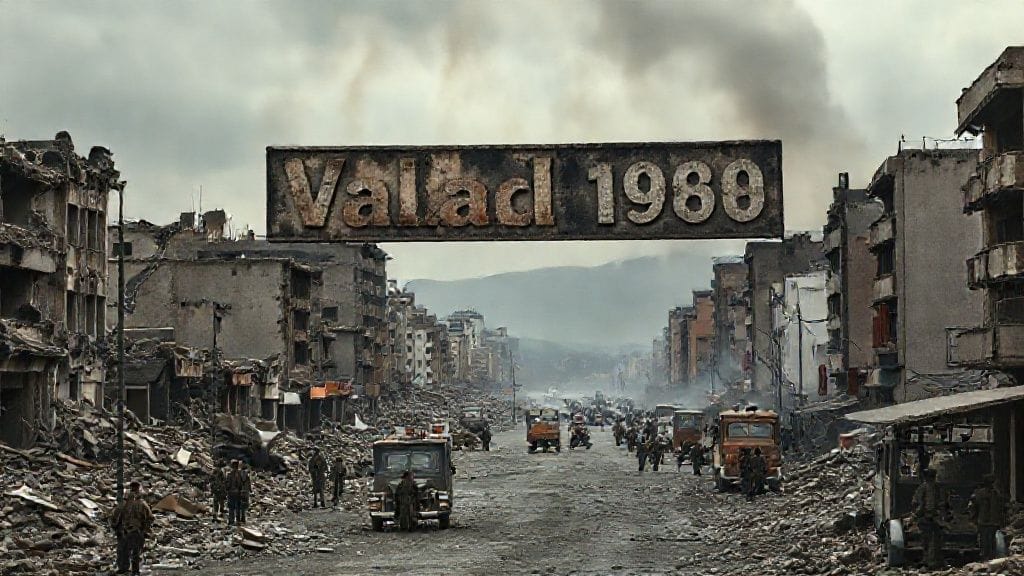
Within seconds, traditional houses collapsed, schools crumbled, and infrastructure was brought to a halt. The once vibrant island was shadowed by clouds of dust and smoke, cries of injury, and frantic calls for help. The local harbor was severely damaged, disrupting vital supplies and fishing activities. Yet, contrary to many assumptions, the Indonesian government’s improved early warning systems ensured a rapid dissemination of alerts, a progress born from recent hard lessons, saving thousands from what could have been a worse fate.
The Human Face of Disaster: Stories from Survivors
The earthquake wasn’t merely a geological event—it was a slowly unfurling human tragedy, as inhabitants lost loved ones, homes, and livelihoods. There was Pak Taufik, a fisherman who, despite ruptured injuries, navigated his shattered boat through shifting sands to rescue stranded neighbors. Or Maria, a schoolteacher, who organized displaced families under makeshift shelters, rallying hope amidst the rubble. Their stories remind us that amid destruction, the human spirit often shines brightest.
How the Tsunami Threat Failed to Materialize: A Rare Twist
Unlike other quakes along the Sunda trench, the 2005 Nias earthquake produced relatively limited tsunamis. Fears lingered from the previous year’s devastating event, but oceanographers later revealed that the nature of the fault rupture and uplift patterns contributed to the relative calm seawater response. Still, this suspenseful watchfulness shaped emergency operations and ongoing scientific investigations.
National and International Emergency Responses
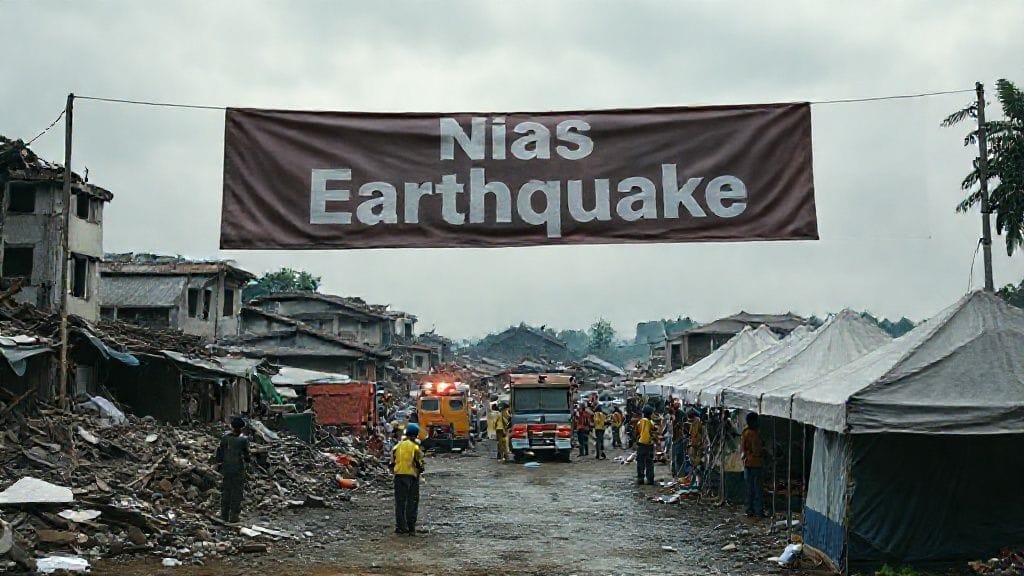
The Indonesian government immediately declared a state of emergency, mobilizing the military, police, and health services to provide aid, restore order, and begin search-and-rescue. Internationally, agencies like the United Nations, Red Cross, and various NGOs dispatched relief teams, medical supplies, and equipment. Despite logistical challenges posed by damaged infrastructure and remote locations, coordination improved significantly compared to past crises, reflecting hard-earned experience.
The Role of Technology in Detecting and Mapping the Disaster
Advanced seismic monitoring satellites, early warning networks, and GIS mapping played critical roles in both understanding the quake and facilitating relief. The real-time information allowed responders to prioritize the most devastated areas. International scientific collaboration enabled detailed aftershock tracking and the development of preemptive evacuation protocols for future events.
Infrastructure Devastated: Roads, Hospitals, and Homes in Ruins
One of the most visible scars was the devastation of infrastructure. Vital roads connecting villages were fractured, rendering many communities isolated. Hospitals, often the first line of defense, were severely damaged or destroyed, complicating emergency medical care. Schools, markets, and religious sites crumbled, delivering a blow to both immediate survival and long-term social stability.
The Toll of Nature: Deaths, Injuries, and Displacement
Approximately 1,300 people lost their lives, with thousands more injured and rendered homeless. Entire villages faced displacement as families scrambled to find shelter in the aftermath. Campgrounds and temporary housing sprawled across the island, where diseases and malnutrition threatened to compound human suffering. Yet amidst this dark reality, survival and solidarity fueled the initial steps towards recovery.
The Aftershocks: Mother Earth’s Lingering Fury
For weeks, Nias Island experienced continuous aftershocks, some of them strong enough to cause additional damage and heighten anxiety. Each tremor was a reminder that the Earth was not yet done reshaping the landscape or testing its inhabitants. These aftershocks underscored the fragility of reconstructed buildings and the necessity for resilient, quake-proof infrastructure.
Psychological Scars: Coping with Trauma and Loss
Beyond physical destruction, the quake inflicted deep psychological wounds. Survivors grappled with grief, trauma, and uncertainty. Traditional coping mechanisms were supplemented by mental health outreach programs and counseling initiatives introduced by NGOs and local leaders, emphasizing that recovery was as much about healing minds as rebuilding cities.
Aid and Reconstruction: The Long Road to Recovery
Rebuilding Nias was a herculean task. International funding poured in, but coordination between agencies and local government often proved complicated. Reconstructing homes, roads, water supplies, and schools took years, demanding innovative designs to withstand future seismic events. Local communities played vital roles, infusing reconstruction with indigenous knowledge and cultural sensitivity.
Environmental Consequences: Forests, Coasts, and Biodiversity
The earthquake altered not just human life but the environment. Shifts in the coastline, landslides, and soil liquefaction affected forests, river courses, and marine habitats. Some species found their homes changed irrevocably, while natural barriers against erosion and storms were weakened. Environmental recovery programs integrated conservation efforts with disaster risk reduction strategies.
Economy in Peril: Fishing, Agriculture, and Local Livelihoods
The island’s economic engine stalled. Fishing fleets were damaged or destroyed, farmlands uprooted, and markets disrupted. The ripple effects touched every household, ushering food insecurity and poverty risks. Nevertheless, the community’s adaptive strategies, combined with government subsidies and NGO interventions, gradually kindled economic revival.
Lessons Learned: Changes in Indonesia’s Disaster Preparedness
The 2005 Nias earthquake became a learning milestone, reshaping Indonesia’s approach to disaster preparedness. Improved early warning systems, building codes, community education, and coordination between agencies enhanced national resilience. The integration of local wisdom with scientific forward-planning created a more nuanced model for disaster mitigation.
The Quake in the Global Media Spotlight
International media coverage captured the world’s attention, following images of collapse and human struggle. Unlike the overwhelming global focus on the 2004 tsunami, the Nias disaster was often a secondary story — yet it sparked important debates about disaster fatigue and the ethics of global humanitarian visibility.
Remembering Nias: Memorials and Cultural Memory
In the ensuing years, memorials rose to honor those lost. Cultural ceremonies and annual commemorations knit the earthquake’s memory into the island’s identity. Oral histories and traditional songs preserve stories of survival, reminding future generations of nature’s power and human endurance.
Scientific Advances Sparked by the 2005 Nias Earthquake
The event spurred scientific advances in seismology, tsunami modeling, and engineering. Studies on the rupture mechanics of the Sunda megathrust yielded better predictive tools. Collaborative international projects emerged, positioning Indonesia at the forefront of earthquake research.
Comparing Nias to the 2004 Indian Ocean Earthquake and Tsunami
While geographically close, the 2005 Nias earthquake differed in mechanism, scale, and impact from the massive 2004 disaster. This comparison provided unique insights into the complex dynamics of the Sunda megathrust, informing disaster risk strategies across the Indian Ocean region.
Community Resilience: Stories of Hope and Rebirth
Ultimately, Nias Island’s story is one of resilience. Communities rebuilt stronger, traditions persisted, and hope was restored. Remarkably, some villages declared themselves “quake-safe zones,” investing in education and infrastructure to face future challenges. The earthquake tested them, but did not break them.
Reflection: Nature’s Power and Humanity’s Fragility
The Nias earthquake stands as a stark reminder of our planet’s immense force and unpredictability. It calls us to respect Earth’s rhythms, to cultivate preparedness, and to cherish the human bonds that transform tragedy into triumph. The island’s trembling earth was a crucible of destruction and renewal, etching lessons that continue to resonate.
Conclusion
The March 28, 2005 Nias earthquake is etched into the annals of history not just as a geological event of monumental power but as a human saga resonating with loss, courage, and profound transformation. It showcased the fragile veneer beneath which our modern world exists, vulnerable yet resilient. The island of Nias, scarred physically but undaunted spiritually, teaches us that while nature’s fury can upend lives in moments, humanity’s enduring spirit can rebuild over generations. As the Earth continues its relentless tectonic dance, the lessons of Nias fortify our collective resolve to better understand, prepare for, and ultimately live alongside the restless planet we call home.
FAQs
1. What caused the 2005 Nias earthquake?
The earthquake was caused by a rupture along the Sunda megathrust, where the Indo-Australian Plate subducts beneath the Eurasian Plate. This tectonic interface builds stress over centuries, eventually releasing energy through powerful earthquakes.
2. How strong was the earthquake, and how long did it last?
The quake measured magnitude 8.6 and shaking lasted nearly two minutes, making it one of the most powerful seismic events recorded globally in recent decades.
3. Did the earthquake trigger a tsunami?
Although there was an initial tsunami warning, the earthquake generated limited tsunami waves on the island’s coast, sparing Nias from a secondary disaster like the 2004 Indian Ocean tsunami.
4. What was the human toll of the earthquake?
Approximately 1,300 people died, thousands were injured, and many tens of thousands were displaced from their homes due to destruction and infrastructural collapse.
5. How did Indonesia respond to the disaster?
The government declared a state of emergency, mobilized military and emergency services, and coordinated with international aid organizations for rescue and relief efforts.
6. What long-term effects did the earthquake have on Nias?
The earthquake altered the island’s geography, economy, and infrastructure, prompting large-scale reconstruction and improvements in disaster preparedness that have enhanced resilience.
7. How did the 2005 Nias earthquake differ from the 2004 tsunami earthquake?
While both occurred along the Sunda megathrust, the 2005 quake had a longer rupture and generated less widespread tsunami impact, providing valuable insights into regional seismic behavior.
8. How is the Nias earthquake remembered today?
Through annual memorial ceremonies, oral histories, cultural remembrance, and scientific studies, the event remains a powerful chapter in the collective memory and identity of the island’s people.