Table of Contents
- The Dawn of Disaster: May 16, 1968
- Japan on the Eve: Economic Boom and Seismic Shadows
- The Geography of Fury: Understanding Tokachi-Oki Region
- The Tectonic Setting: Plates in Peril
- The Earthquake Unfolds: Moments of Horror Beneath the Waves
- The First Shakes: Seismic Data and Initial Impact
- Tsunami Warning: The Ocean’s Deadly Response
- Coastal Villages and Cities: Human Stories in Ruins
- Government Reaction: Crisis Management and Communication
- Rescue Efforts and Community Resilience
- Scientific Breakthroughs: Advancing Earthquake Understanding
- The Psychological Toll: Trauma in a Country Familiar with Disaster
- Economic Consequences: Reconstruction Amid Growth
- Media Coverage: Narratives of Tragedy and Heroism
- Environmental Aftermath: Altered Landscapes and Oceanic Shifts
- Remembering Tokachi-Oki: Memorials and Cultural Memory
- Lessons Learned: Policy Changes and Technological Innovations
- Tokachi-Oki in the Context of Japan’s Seismic History
- Global Reflections: Insights for Earthquake-Prone Nations
- The Quiet Before Tomorrow: Japan’s Ever-Present Vulnerability
The Dawn of Disaster: May 16, 1968
The morning of May 16, 1968, began with a deceptive calm along the eastern coast of Hokkaido, Japan’s northernmost island. Fishermen prepared their boats, children headed to school, and the rhythm of daily life beat steadily as the sun timidly climbed above the Pacific horizon. But nature, lying in uneasy wait beneath the ocean surface, was about to shatter this tranquil scene. At 05:49 local time, without a whisper of warning felt on land, a powerful earthquake struck the Tokachi-Oki region off Hokkaido’s coast, triggering a violent chain reaction of destruction that rippled through communities, psyche, and disciplines far beyond Japan’s borders.
As houses trembled, the earth groaned beneath millions of feet, and waves surged ominously against the shorelines, a collective nightmare unfolded—one that would challenge the nation’s resilience and reshape its understanding of seismic risks in an era of rapid modernization.
Japan on the Eve: Economic Boom and Seismic Shadows
The 1960s was a period of remarkable transformation for Japan. Just over two decades after the devastation of World War II, the nation was sprinting toward economic miracle status, characterized by dizzying industrial growth, urban expansion, and technological innovation. Hokkaido, traditionally known for its vast agricultural spaces and fisheries, was experiencing growing development, its coastal towns weaving tighter connections to the rest of the country.
Yet beneath this prosperity lingered a truth Japan knew all too well: it was one of the most seismically active countries on Earth. Living atop the turbulent convergence of four major tectonic plates, the nation’s history was scarred by earthquakes and tsunamis that could swiftly erase progress and lives alike.
Few anticipated what would unfold in Tokachi-Oki—a reminder that no amount of human advancement could escape nature’s raw power.
The Geography of Fury: Understanding Tokachi-Oki Region
Tokachi-Oki refers to the offshore area bordering the southeastern coast of Hokkaido, lying along the Pacific “Ring of Fire.” This region is marked by complex underwater topography and sits near critical plate boundaries. The area’s proximity to populous coastal towns and the importance of fishing industries heightened the stakes when seismic energy struck deep beneath its waves.
Mapping this place illuminates more than geography; it illuminates a confluence of livelihoods, cultural ties to the sea, and risks honed by generations of living in balance with the unpredictable ocean.
The Tectonic Setting: Plates in Peril
The Tokachi-Oki earthquake’s roots lie in the ceaseless movement of the Pacific Plate diving beneath the North American (Okhotsk) Plate, a process known as subduction. At this convergent boundary, stress accumulates as the denser oceanic plate sinks, only to be released violently when friction is overcome.
Such megathrust earthquakes, which occur at this interface, are among the most powerful on Earth. The 1968 event, estimated at magnitude 8.2, fit this pattern—a sudden slip that snapped undersea fault lines and sent waves of destruction racing outward.
The Earthquake Unfolds: Moments of Horror Beneath the Waves
Seismic instruments captured the initial rupture, an immense release of energy lasting over a minute—an eternity for those caught in its grip. The epicenter located roughly 90 kilometers offshore, but the shock propagated swiftly, shaking Hokkaido’s eastern coast with an intensity that toppled buildings and cracked roads.
Accounts from survivors describe a deep, rumbling growl followed by violent tremors lasting long enough to unsettle even seasoned residents used to quakes. The ocean itself heaved, foreshadowing the next calamity: the tsunami.
The First Shakes: Seismic Data and Initial Impact
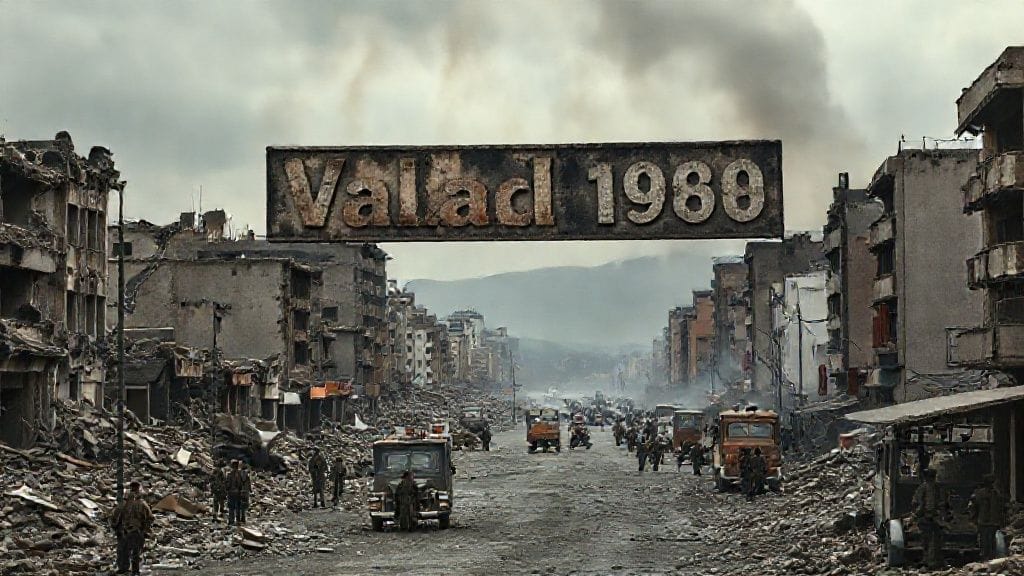
As seismologists pieced together data in the hours and days after, the Tokachi-Oki earthquake ranked among the most significant of Japan’s postwar period. Stations detected waves traveling thousands of kilometers, while damage assessments revealed shattered infrastructure: collapsed homes, disrupted rail lines, and ruptured communication cables that hampered early response.
Though casualties were fewer than in some previous quakes, every loss echoed painfully in the close-knit coastal communities.
Tsunami Warning: The Ocean’s Deadly Response
Perhaps the most terrifying aftermath arrived as a towering tsunami surged inland, propelled by the violently displaced seabed. Warnings issued minutes after the quake reached coastal towns, but the speed of the waves allowed little time for evacuation.
In several fishing villages, boats were smashed against docks, and houses near the shore were swept away. The waters, swollen and furious, carved new scars into the landscape—transforming familiar horizons into scenes of desolation.
Coastal Villages and Cities: Human Stories in Ruins
Among the hardest hit was the small town of Kushiro, whose residents woke to destruction and loss. Interviews conducted in the disaster’s aftermath reveal tales of heroism and heartbreak: families pulled from the wreckage by neighbors, children separated and reunited, elderly citizens stoically facing a world unrecognizable by dawn.
These human stories give flesh to statistics—300 casualties, thousands rendered homeless—that risk becoming cold numbers without the warmth of memory.
Government Reaction: Crisis Management and Communication
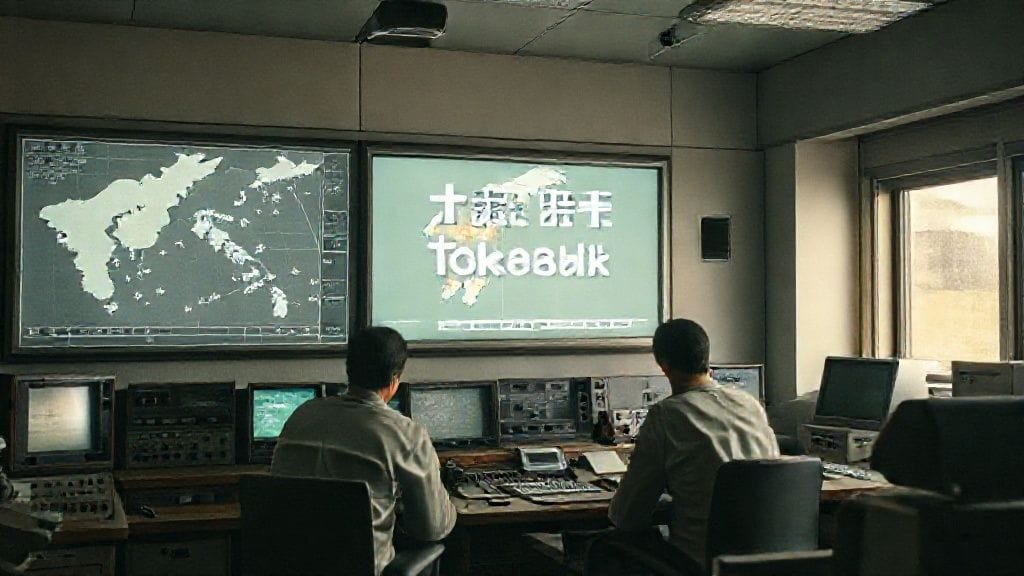
The Japanese government’s response involved mobilizing emergency services, deploying the Self-Defense Forces, and coordinating disaster relief. Despite communication challenges, the institutional experience gained from earlier quakes facilitated rapid deployment of aid.
Moreover, this event highlighted areas needing improvement, such as tsunami warning systems, which would undergo significant upgrades in subsequent years.
Rescue Efforts and Community Resilience
Amid the wreckage, local communities banded together to clear debris, set up temporary shelters, and share scarce resources. Volunteerism surged, underscoring a cultural ethos of mutual aid.
Stories from this period reveal the tension between despair and determination—the human spirit’s refusal to kneel before catastrophe.
Scientific Breakthroughs: Advancing Earthquake Understanding
The Tokachi-Oki earthquake spurred a wave of scientific inquiry. Researchers gained critical insights into megathrust events, fault mechanics, and tsunami genesis. The data collected informed new seismic hazard models and showcased the importance of investing in early-warning technologies.
This knowledge would prove vital in mitigating devastation in future earthquakes, including the tragic 2011 Tōhoku disaster.
The Psychological Toll: Trauma in a Country Familiar with Disaster
Though Japan’s population had long endured earthquakes, the repeated trauma carved deep psychological wounds. Mental health impact studies from this period reveal heightened anxiety, grief, and a complex interplay between communal resilience and individual suffering.
These human dimensions, often overshadowed by physical reconstruction, became an essential part of recovery discourse.
Economic Consequences: Reconstruction Amid Growth
Post-quake reconstruction posed both challenges and opportunities. While damage costs ran into billions of yen, government investment spurred local economies, modernized infrastructure, and improved building codes.
Yet the balance between growth and safety remained delicate, reminding Japan of the price exacted by geological volatility.
Media Coverage: Narratives of Tragedy and Heroism
Newspapers, radio broadcasts, and emerging television media captured the drama unfolding on Hokkaido’s shores. Journalists’ reports combined factual updates with deeply human angles, broadcasting stories that reached audiences nationwide.
These narratives helped galvanize national solidarity, shaping public memory and policy.
Environmental Aftermath: Altered Landscapes and Oceanic Shifts
The earthquake reconfigured coastal topographies, raising and lowering land in measurable ways. Marine ecosystems suffered disruptions, fisheries endured losses, and ocean currents reflected the sudden change in underwater topography.
Such environmental impacts extended the disaster’s reach beyond immediate human experience.
Remembering Tokachi-Oki: Memorials and Cultural Memory
Over decades, commemorations have kept the memory of May 16 alive. Monuments dot coastal towns, annual ceremonies honor victims, and educational programs teach younger generations about preparedness.
This cultural remembrance functions as both tribute and warning.
Lessons Learned: Policy Changes and Technological Innovations
The disaster instigated significant policy shifts, including tighter building regulations, establishment of more comprehensive tsunami warning systems, and expanded disaster education.
Technological breakthroughs stemmed from the event, underlining science’s vital role in safeguarding lives.
Tokachi-Oki in the Context of Japan’s Seismic History
While overshadowed by other infamous quakes, the 1968 Tokachi-Oki earthquake occupies a critical place in Japan’s seismic narrative, bridging postwar recovery and the modern era of disaster science.
Its study enhanced national preparedness, sowing seeds for responses to future catastrophes.
Global Reflections: Insights for Earthquake-Prone Nations
Internationally, the event served as a case study demonstrating the interconnectedness of tectonic processes, urban vulnerability, and societal resilience.
Countries facing similar threats drew lessons from Japan’s experience, fostering global exchanges in disaster risk reduction.
The Quiet Before Tomorrow: Japan’s Ever-Present Vulnerability
As the dust settled on Tokachi-Oki, Japan knew that the earth’s memory was long and unpredictable. The nation’s story is one of coexistence with nature’s fury—alert, adaptive, and humble in the face of an uncertain geological future.
Conclusion
The Tokachi-Oki earthquake of May 16, 1968, stands as a poignant chapter in the history of natural disasters—a moment when earth’s subterranean forces surged forth with typically Japanese quietude and devastating force. Its legacy is etched not only in the stones and shores of Hokkaido but deep within the collective consciousness of a people shaped by resilience and reverence for nature’s power.
This calamity illuminated the vulnerabilities inherent in human ambition and the imperative of humility before forces we cannot control. Yet, it also showcased the extraordinary capacities for courage, solidarity, and innovation that arise when communities confront catastrophe together.
The story of Tokachi-Oki is one of warning and hope, a testament to the enduring dance between earth and humanity—a dance as old as time and infinitely compelling.
FAQs
Q1: What caused the Tokachi-Oki earthquake of 1968?
The earthquake was caused by the subduction of the Pacific Plate beneath the North American (Okhotsk) Plate along a megathrust fault offshore Hokkaido, releasing accumulated tectonic stress in a magnitude 8.2 event.
Q2: How many people were affected by the earthquake and tsunami?
Approximately 300 people lost their lives, with thousands injured and many more displaced due to the tsunami and earthquake damage, particularly in coastal Hokkaido communities.
Q3: What was Japan’s response to the disaster?
The government rapidly mobilized rescue and relief efforts, deployed Self-Defense Forces, and began improving warning systems and building codes as part of longer-term recovery.
Q4: Did the earthquake lead to scientific advances?
Yes, it significantly advanced understanding of megathrust earthquakes and tsunami mechanisms, influencing seismic hazard models and early-warning technologies.
Q5: How is Tokachi-Oki remembered in Japan today?
Through memorials, annual ceremonies, and educational programs that honor victims and teach disaster preparedness to future generations.
Q6: How did this event influence later disaster preparedness in Japan?
It prompted stricter building regulations, enhanced tsunami warning systems, and increased focus on public education, playing a role in shaping responses to future quakes.
Q7: Was the damage mostly from the earthquake itself or the tsunami?
While the earthquake caused significant structural damage, the devastating tsunami waves were responsible for much of the coastal destruction and loss of life.
Q8: How does Tokachi-Oki compare to other major Japanese earthquakes?
Though less globally famous than the 2011 Tōhoku earthquake, Tokachi-Oki was one of the most powerful postwar quakes and pivotal in the evolution of Japan’s disaster science.