Table of Contents
- Dawn of Disaster: The Early Hours of the Kumamoto Earthquake
- Kyushu's Sleeping Giant Awakens
- The Geological Faultlines of Kumamoto: A Volatile Landscape
- Prelude to Catastrophe: Seismic Activity Before April 2016
- The Perfect Storm: Two Major Shocks in Close Succession
- April 14 and 16: The Twin Earthquakes That Shook Japan
- Human Stories Amid the Rubble: Survival and Loss
- The Ruptured Infrastructure: Roads, Bridges, and Buildings Crumble
- The Response: Rescue Efforts Under Pressure
- The Role of the Japanese Government and Disaster Agencies
- Lessons Learned: Japan’s Earthquake Preparedness Tested
- Economic Seismic Waves: Impact on Industry and Local Economy
- Cultural Heritage at Risk: Temples and Castles Damaged
- Community Resilience: How Kumamoto’s People Rebuilt Their Lives
- The Science of Aftershocks: Understanding the Tremors That Followed
- Global Reactions: Solidarity and Aid from Around the World
- The Long Road to Recovery: Reconstruction and Renewal
- Memory and Commemoration: Honoring Lives Lost and Lessons Gained
- The Kumamoto Earthquake’s Place in the Broader Narrative of Japanese Seismic History
- Conclusion: A Story of Nature’s Fury and Human Endurance
- FAQs
- External Resource
- Internal Link
1. Dawn of Disaster: The Early Hours of the Kumamoto Earthquake
On a serene spring morning in mid-April 2016, the residents of Kumamoto, nestled on the island of Kyushu, went about their daily routines under clear, mild skies. The cherry blossoms were still flourishing, casting delicate pink hues across the streets and fields — a scene quintessentially Japanese, suggesting calm and renewal. Yet, beneath this tranquil exterior, the Earth was about to reveal its raw and terrifying power. At 9:26 pm on April 14, the ground shuddered with a force that jolted the region awake. Then, just two days later, on April 16 at 1:25 am, an even more violent quake tore through the same area. These twin shocks devastated the landscape, homes, and hearts, marking one of the deadliest natural disasters to strike Japan in recent memory.
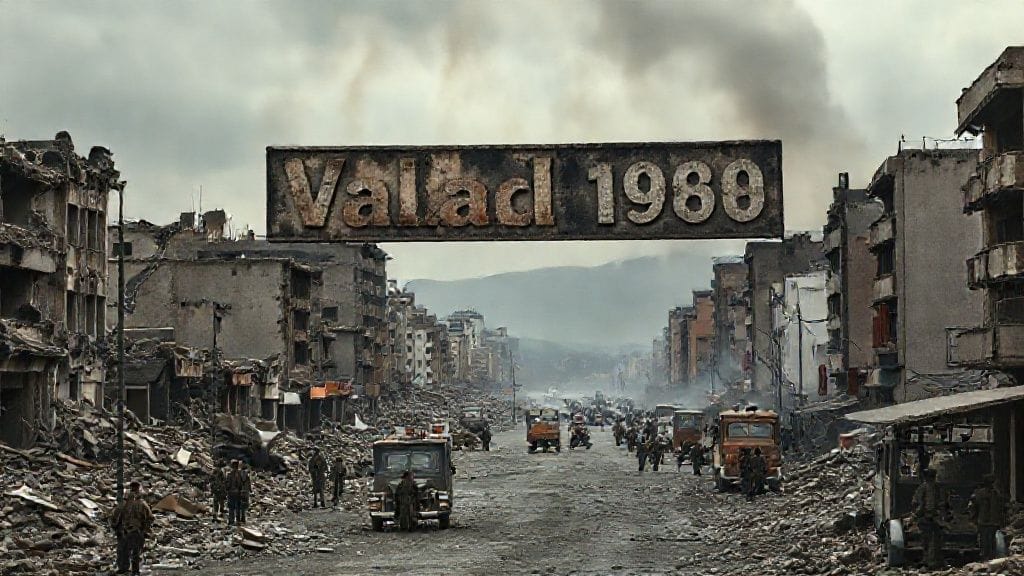
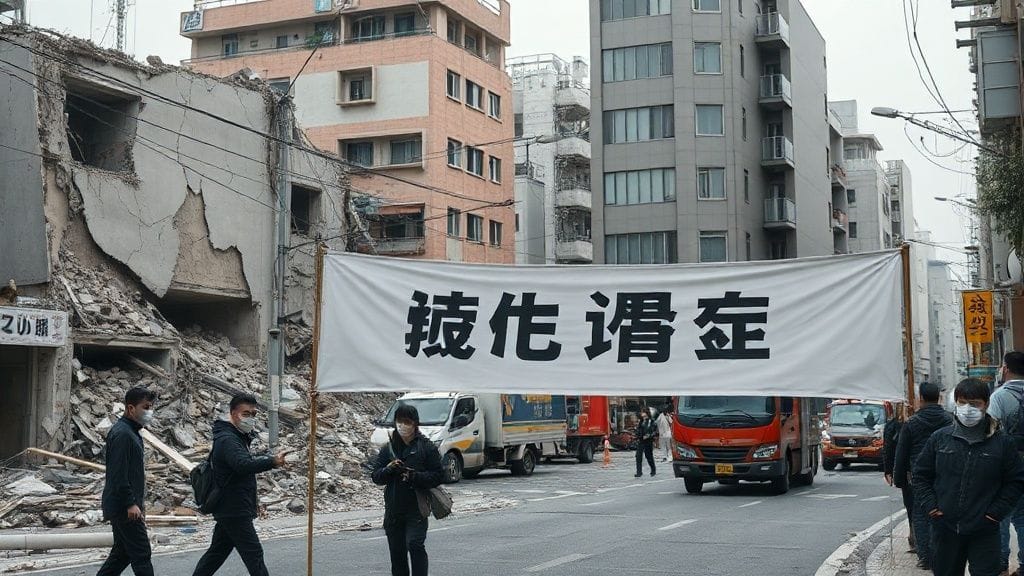
The immediate aftermath was a chaotic tableau of shattered buildings, ruptured roads, and frightened survivors clutching remnants of their lives. This was not just an earthquake; it was a seismic reckoning that tested the resilience of an ancient land renowned for both its beauty and its vulnerability.
2. Kyushu's Sleeping Giant Awakens
Kyushu, Japan’s southernmost major island, is a region known for its lush mountains, active volcanoes, and volatile geology. Its soils are rich, fed by millennia of volcanic activity, but so too is the risk for earthquakes and related hazards. Kumamoto, lying near the Aso caldera — one of the world's largest active volcanoes — had long been considered vulnerable, but nothing in living memory foreshadowed such a violent ordeal.
The region’s residents, many of whom had lived their entire lives without experiencing a quake of this magnitude, were suddenly thrust into the eye of nature’s unpredictable fury. The “sleeping giant” beneath their feet was awakening — not from volcanic activity, but the shifting tectonics that shape the Japanese archipelago.
3. The Geological Faultlines of Kumamoto: A Volatile Landscape
Japan sits at the crux of four tectonic plates — the Pacific, Philippine Sea, Eurasian, and North American plates — a collision zone that makes it one of the most seismically active places on Earth. Beneath Kumamoto lies the Hinagu Fault and the Futagawa Fault, both notorious for their capability to produce large earthquakes. It was these very faults that ruptured violently in April 2016.
Geological surveys after the disaster painted a vivid picture of what transpired underground: kilometers of faults cracked open, ground shifted meters laterally, and the earth’s crust groaned with energy released after centuries of tectonic tension. The complexity of the fault system compounded damage patterns and posed challenges for effective mitigation.
4. Prelude to Catastrophe: Seismic Activity Before April 2016
Kyushu had experienced smaller tremors in the recent past, often causing minor alarm but little serious damage. Seismologists had observed increased microseismic activity near Kumamoto in the weeks leading up to the event — subtle warnings that, in hindsight, hinted at the impending disaster.
These precursors, often invisible to the public eye, were pieces of a puzzle that would soon engulf the region in calamity. The scientific community had been tracking these signals intensively, knowing full well that Kyushu’s fault lines harbored potential for a large-scale earthquake — but predicting the exact timing remained beyond reach.
5. The Perfect Storm: Two Major Shocks in Close Succession
What made the Kumamoto earthquake particularly notable was the occurrence of two significant shocks within 48 hours. On the evening of April 14, a magnitude 6.2 quake struck, devastating buildings and infrastructure. Residents were still reeling from the damage and bracing for aftershocks when, in the predawn darkness of April 16, a far more powerful magnitude 7.0 quake ignited widespread destruction.
This double blow was rare and cruel in its timing. The first quake’s damage had weakened structures, turning them into fragile shells ill-equipped to withstand the second assault. Emergency responders struggled with limited resources as aftershocks continued to ripple across the county.
6. April 14 and 16: The Twin Earthquakes That Shook Japan
The initial quake late on April 14 centered near Minamiaso and persisted for roughly 20 seconds, sending shockwaves felt across southern Japan. It collapsed homes, toppled walls, and caused landslides in rural mountainous areas. Although the death toll was limited, fear blanketed the region.
Then, in the early morning darkness of April 16, the 7.0 magnitude rupture shattered any lingering sense of safety. This was not only more violent but more expansive, with fault lines tearing open the earth across dozens of kilometers. Towns like Mashiki bore the brunt — whole neighborhoods were flattened, and critical infrastructure crippled.
The seismic waves traveled quickly, and reports of severe damage poured in from emergency services and residents alike. It was a moment etched forever into the memories of countless lives.
7. Human Stories Amid the Rubble: Survival and Loss
Beyond statistics and geological data lie stories of human tragedy and resilience. The 50 lives lost in the disaster included elderly villagers trapped in collapsed homes, children frightened and displaced, and families separated in the chaos. Emergency shelters overflowed with tens of thousands of survivors seeking refuge from aftershocks and unstable buildings.
One particularly poignant tale was that of an elderly couple rescued after being trapped for nearly 20 hours under the ruins of their home. Another involved community volunteers who risked their own safety to save neighbors caught in landslides. These acts of courage and compassion became beacons of hope amid despair.
8. The Ruptured Infrastructure: Roads, Bridges, and Buildings Crumble
Kumamoto’s infrastructure suffered terribly. The devastation cut off access to rural villages, complicated rescue operations, and disrupted supply chains. The historic Kumamoto Castle, a symbol of regional pride and heritage, was heavily damaged; its stone walls fractured, turrets collapsed, and priceless artifacts threatened.
Roads buckled and bridges swayed precariously, forcing emergency crews to resort to airlifts and improvised routes. Utilities such as water, electricity, and gas were interrupted, complicating the lives of survivors and responders alike. The earthquake starkly revealed how vital sturdy infrastructure is to societal resilience.
9. The Response: Rescue Efforts Under Pressure
Japan’s reputation for advanced disaster response was put to the test. The Self-Defense Forces, firefighters, medical teams, and volunteer groups launched immediate rescue missions. Thousands were evacuated, medical assistance was rapidly deployed, and temporary shelters established across the affected zones.
Yet, coordination was difficult amid the scale of damage and continuing seismic activity. Communication networks were partially knocked out, and some areas remained inaccessible for days. Despite these obstacles, the collective effort saved hundreds of lives.
10. The Role of the Japanese Government and Disaster Agencies
The Japanese government quickly declared a disaster area, mobilizing national resources toward recovery. Agencies collaborated with local governments to provide aid, evaluate damage, and plan reconstruction. Financial aid packages were announced, focusing on helping displaced families and businesses regain footing.
Japan’s disaster framework, praised worldwide, was based on lessons from prior tragedies such as the 1995 Kobe earthquake and the 2011 Tōhoku tsunami. Kumamoto added new insights, especially on dealing with repeated shocks and fractured fault lines.
11. Lessons Learned: Japan’s Earthquake Preparedness Tested
Despite excellent preparedness protocols, the Kumamoto quake exposed vulnerabilities. Buildings constructed prior to the 1981 seismic code revision faced collapse. Older infrastructure crumbled more easily than newly reinforced structures. Public awareness campaigns gained new urgency, emphasizing emergency kits, evacuation drills, and structural assessments.
The dual-quake sequence also underscored the importance of readiness for multiple shocks — a detail sometimes overlooked in disaster planning. Scientists and policymakers renewed calls for investment in early warning systems and community-based resilience.
12. Economic Seismic Waves: Impact on Industry and Local Economy
The immediate economic fallout rippled beyond physical destruction. Kumamoto's agricultural sector, a backbone of the local economy, was hit hard. Farmlands buried in landslides or inaccessible slowed food production. Local industries faced halted operations due to damaged factories and interrupted logistics.
Estimates placed the cost of the destruction at several billion dollars. Recovery efforts alone injected economic stimulus over time, but the path to full restoration would take years. Insurance claims surged, and many small businesses struggled to stay afloat.
13. Cultural Heritage at Risk: Temples and Castles Damaged
Kumamoto’s rich cultural landscape — from its towering castle to centuries-old temples and shrines — suffered grievous harm. Kumamoto Castle’s damage was symbolic: seeing its ancient walls crack was like watching history crumble. Restoration efforts were immediately prioritized, blending traditional craftsmanship with modern engineering.
These sites were more than buildings; they embodied community identity and national heritage. Their recovery became a rallying point for civic pride and cultural resilience.
14. Community Resilience: How Kumamoto’s People Rebuilt Their Lives
In the months and years following the disaster, the spirit of Kumamoto’s people shone brightly. Neighborhood groups organized cleanups, volunteers rebuilt homes, and social networks tightened. Psychological trauma from the tremors led to mental health initiatives that helped survivors cope with loss and uncertainty.
Children returned to schools that were retrofitted or relocated. Local governments encouraged green zones where collapsed neighborhoods once stood. Slowly but surely, life found a rhythm again amidst the scars.
15. The Science of Aftershocks: Understanding the Tremors That Followed
After the main shocks, thousands of aftershocks rattled the region, some reaching magnitudes above 5.0. This relentless seismic activity compounded fear and hindered rebuilding. Researchers studied these aftershocks extensively to better map the complex fault interactions and refine disaster models.
The dense instrumentation deployed during the crisis provided unprecedented data — insights that would feed into early warning technologies and help prepare other quake-prone regions.
16. Global Reactions: Solidarity and Aid from Around the World
International observers offered condolences and aid; countries with seismic expertise, including the United States and Taiwan, shared resources and knowledge. Humanitarian organizations contributed supplies and assistance. The world watched with empathy, reminded once again of the universal vulnerability to nature’s unpredictable forces.
Japanese diaspora communities abroad mobilized fundraising efforts, and cultural exchanges highlighted the importance of global solidarity in disaster response.
17. The Long Road to Recovery: Reconstruction and Renewal
Rebuilding Kumamoto was a monumental task. Government funds, private investments, and community efforts combined over years to restore homes, public facilities, and infrastructure. Innovations in seismic-resistant construction were widely adopted. The rehabilitation process also sparked urban planning reforms emphasizing sustainability and risk reduction.
This long arc of recovery transformed Kumamoto, not only physically but socially, embedding resilience in its blueprint for the future.
18. Memory and Commemoration: Honoring Lives Lost and Lessons Gained
Memorials and annual ceremonies ensure that the tragedy and the moral lessons of the Kumamoto earthquake remain alive. Survivors, rescuers, and community leaders share stories to remind future generations of the stakes involved in preparing for such natural calamities.
Schools incorporate the event into history education, fostering respect for nature’s power and the importance of solidarity.
19. The Kumamoto Earthquake’s Place in the Broader Narrative of Japanese Seismic History
Japan’s history is intertwined with earthquakes — from the Great Kanto Quake of 1923 to the Tōhoku disaster of 2011. Kumamoto is a significant chapter in this ongoing narrative, illustrating both the unpredictability of seismic events and the remarkable capacity of a society to adapt, survive, and learn.
The lessons extracted here resonate within the fields of geology, urban planning, and humanitarian aid worldwide.
20. Conclusion: A Story of Nature’s Fury and Human Endurance
The Kumamoto earthquake was more than a geophysical event; it was a profound human moment — where the earth’s unstoppable force collided with human fragility and resilience. It exposed vulnerabilities but also showcased courage, cooperation, and hope.
From the trembling earth to the tender kindness of neighbors, the story of Kumamoto reminds us of the delicate balance between nature’s fury and humanity’s endurance. While the scars remain, they are etched alongside the will to rebuild and the wisdom to prepare for the future.
Conclusion
The Kumamoto Earthquake of April 2016 stands as a stark reminder of the profound power latent beneath our feet and the indomitable spirit of those who face it. Amid the destruction and grief, the people of Kumamoto found courage, solidarity, and renewal. Their story is not just a record of a catastrophe, but a lesson in human resilience and a call for vigilance in the face of nature’s unpredictability. It beckons us to honor the past, protect the present, and prepare wisely for whatever may come. The earth may shake again, but so too will the resolve to stand firm — together.
FAQs
Q1: What caused the 2016 Kumamoto earthquakes?
A1: The earthquakes were caused by the sudden rupture of two major fault lines, the Hinagu and Futagawa faults, in the Kumamoto region. These faults shifted due to accumulated tectonic stress from the movements of the Philippine Sea and Eurasian plates beneath Kyushu island.
Q2: How many people were affected by the earthquakes?
A2: Approximately 180,000 people were displaced, with over 50 lives lost and thousands injured. Tens of thousands were forced into emergency shelters, and widespread infrastructural damage disrupted daily life for months.
Q3: What was unique about the Kumamoto earthquake sequence?
A3: The uniqueness lies in the two powerful shocks occurring just 28 hours apart — a magnitude 6.2 quake followed by a damaging magnitude 7.0 event. This double shock severely compounded damage and complicated rescue efforts.
Q4: How did the disaster affect Kumamoto Castle?
A4: Kumamoto Castle suffered extensive damage; its stone walls cracked, turrets collapsed, and historic structures were destabilized. The castle’s damage was deeply symbolic due to its historical and cultural importance, prompting major restoration initiatives.
Q5: How prepared was Japan for such an earthquake?
A5: Japan is globally renowned for its earthquake preparedness, with strict building codes and early warning systems. However, the Kumamoto earthquake exposed vulnerabilities, especially in buildings constructed before the 1981 seismic regulation updates and challenges posed by multiple shocks.
Q6: What scientific advances resulted from the study of the Kumamoto earthquakes?
A6: The disaster yielded valuable data on fault interactions, aftershocks, and seismic patterns. This improved understanding has contributed to better hazard models and refined early warning systems, benefiting earthquake-prone regions globally.
Q7: How did the international community respond to the Kumamoto disaster?
A7: International governments, experts, and humanitarian organizations offered condolences, shared expertise, and assisted with aid efforts. The global response emphasized solidarity and cooperation in times of natural disaster.
Q8: What are the long-term impacts of the Kumamoto earthquake?
A8: Long-term impacts include urban redevelopment with enhanced seismic safety, economic recovery challenges, and strengthened community resilience. The event remains an important case study for improving disaster preparedness worldwide.