Table of Contents
- A City Shattered: The Morning of February 22, 2011
- The Quiet Before the Quake: Christchurch in Context
- The Geology of Disaster: Understanding New Zealand’s Seismic Setting
- A Moment Frozen in Time: Experiencing the 6.3 Magnitude Earthquake
- The Collapse of the Canterbury Television Building: Tragedy Under the Rubble
- Lives Interrupted: Personal Stories from the Aftermath
- The Emergency Response: Rescue, Recovery, and Resilience
- Infrastructure in Ruins: How a Modern City Faced Unseen Devastation
- The Toll of Tragedy: 185 Dead and a Nation Mourning
- Media and Memory: How Christchurch’s Earthquake Captured the World’s Attention
- Psychological Aftershocks: Mental Health and Community Trauma
- Political Repercussions: Governance and Accountability in Crisis
- Reconstruction Begins: Challenges and Innovations in Rebuilding Christchurch
- Engineering Lessons Learned: Innovations in Earthquake Preparedness
- Cultural Shifts: Art, Memory, and the Human Spirit Post-Quake
- Environmental Consequences: The Earth Remaking Itself
- Comparative Catastrophes: Christchurch Among Global Earthquakes
- The Global Response: Aid, Solidarity, and International Support
- The Role of Technology: Social Media and Real-Time Crisis Reporting
- Resilience and Hope: Christchurch’s Journey Towards Renewal
- Remembering the Fallen: Memorials and Annual Commemorations
- The Legacy of 22/02/2011: What Christchurch Teaches Us Today
1. A City Shattered: The Morning of February 22, 2011
The sun had barely risen over Christchurch on that late summer morning when the earth beneath began to tremble with an unrelenting fury. It was 12:51 p.m. on February 22, 2011 — a time destined to be etched forever in New Zealand’s collective memory. In an instant, the vibrant city pulsating with daily life was transformed into a fractured landscape of destruction and despair. Concrete facades crumbled, glass shattered, and the ground itself seemed to writhe underfoot, swallowing hopes and lives in its terrifying embrace.
For the thousands who felt the quake’s violent grasp, the world tilted, shook, and broke apart. The tremor lasted scarcely 10 seconds, yet the devastation it triggered would reverberate for a lifetime. This was not a distant natural disaster; it was a human tragedy, a raw and visceral moment where everything changed.
2. The Quiet Before the Quake: Christchurch in Context
Christchurch, New Zealand’s second-largest city and the gateway to the South Island, had always been known for its tranquil charm—a blend of English heritage and natural beauty. Its tree-lined streets, historic stone churches, and gardens gave it a reputation as the “Garden City.” But beneath this calm facade lay a restless earth, its underlying geology primed for unrest.
In the years leading up to 2011, Christchurch was growing rapidly, its infrastructure modernizing but perhaps not entirely prepared for the seismic threats that simmered just below the surface. In 2010, just over six months before the catastrophic February quake, the city had already experienced a moderate 7.1 magnitude earthquake centered further west. Though strong, the 2010 tremor caused relatively limited damage and no loss of life, leading many to believe, mistakenly, that the worst had passed.
This illusion of safety would be brutally shattered in February 2011.
3. The Geology of Disaster: Understanding New Zealand’s Seismic Setting
New Zealand perches on the volatile boundary between two tectonic plates—the Pacific Plate and the Australian Plate. Their slow but inexorable movement creates one of the world’s most seismically active regions. Christchurch itself lies close to a complex network of faults crisscrossing beneath the Canterbury Plains.
The earthquake on February 22, 2011, was the result of a rupture along the Greendale Fault, a previously unknown strike-slip fault running east-west just south of the city. The earthquake’s shallow depth—at approximately 5 kilometers underground—meant that the ground shaking was unexpectedly intense, localized, and deadly.
This shallow, powerful jolt would expose the city’s vulnerabilities, shaking not just structures but deeply anchored assumptions about natural safety and urban planning. Scientists would later describe the event as one of the most damaging earthquakes ever recorded given its scale relative to the devastation wrought.
4. A Moment Frozen in Time: Experiencing the 6.3 Magnitude Earthquake
For many Christchurch residents, the earthquake was experienced as a sudden, violent upheaval followed by chaos. Descriptions abound: “It was like the whole city was a wave,” recalled one eyewitness, gripping a door frame for dear life. Office workers were thrown from their desks, vehicles halted mid-journey, and families rushed to seek safety.
Despite the earthquake’s “moderate” magnitude of 6.3, the impact on human life and infrastructure far exceeded many that were larger but deeper or more distant. This paradox stems precisely from the quake’s proximity and depth—factors that can exacerbate damage independently of magnitude.
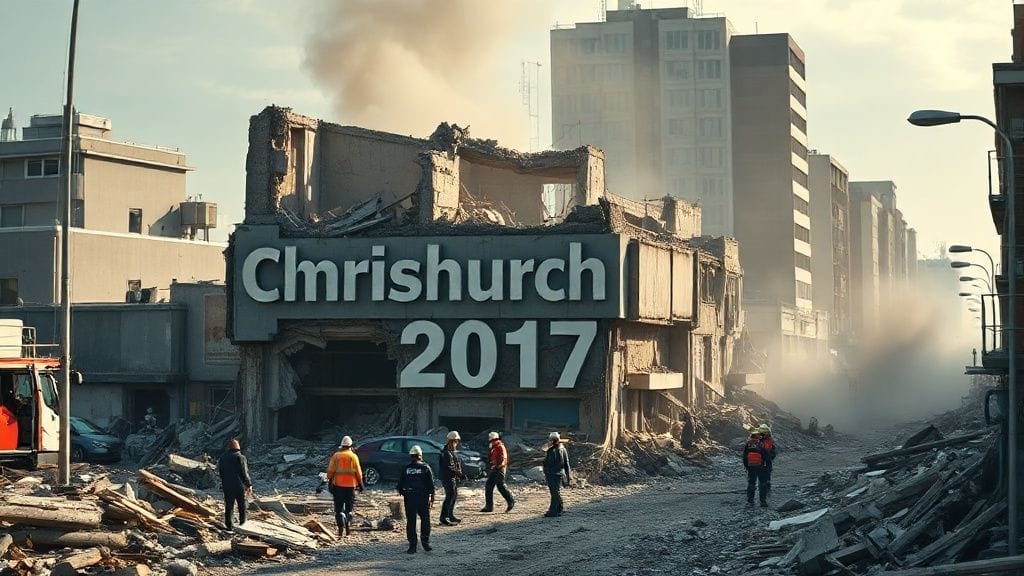
In the city center, iconic heritage buildings, many made of unreinforced masonry, crumbled or suffered fatal collapses. The Canterbury Television (CTV) building, a six-story tower, was the site of the worst human loss, tragically collapsing and killing 115 people in one fell swoop.
5. The Collapse of the Canterbury Television Building: Tragedy Under the Rubble
The destruction of the CTV building encapsulates the human cost of the disaster. Home to dozens of workers, students, and families on that fateful day, the building’s failure was sudden and catastrophic. The upper floors pancaked as the quake’s brutal force overwhelmed the structure's design.
In the immediate aftermath, rescue teams descended into the precarious ruins, often risking their own lives to unearth survivors. Amidst this chaos, gripping tales of heroism emerged—like that of a trapped nurse who comforted her colleagues even as debris closed in, or firefighters who tunneled through darkness to reach those buried alive.
The CTV collapse sparked a national reckoning about building codes and construction standards, raising agonizing questions about oversight, safety regulations, and accountability that would ripple through New Zealand society for years.
6. Lives Interrupted: Personal Stories from the Aftermath
Behind every statistic and collapsed building was a human story of survival, loss, and resilience. Countless individuals found their lives irrevocably altered within seconds—parents losing children, friends pulled from rubble, entire families displaced.
One poignant narrative is that of a young teacher whose school was reduced to debris but who transformed her grief into a mission to support her traumatized students. Another story comes from a local business owner who, facing ruin, reinvented himself, contributing to the city’s recovery with steadfast optimism.
These intimate memories weave a tapestry of pain, courage, and hope, illustrating how personal the earthquake’s impact truly was.
7. The Emergency Response: Rescue, Recovery, and Resilience
The initial hours and days following the quake were marked by a heroic, often chaotic emergency response. New Zealand's first responders—firefighters, police, paramedics—worked tirelessly amidst treacherous conditions to save lives. International aid swiftly arrived from countries including Australia, Japan, and the United States, offering specialized search-and-rescue teams, medical supplies, and expertise.
Communities banded together in shelters and churches, sharing resources and emotional support. The government quickly established coordination centers to manage the scale of the operation, although criticism later emerged regarding communication breakdowns and preparedness lapses.
Yet, it was a powerful testament to human solidarity—ordinary people and trained professionals alike united in the face of disaster.
8. Infrastructure in Ruins: How a Modern City Faced Unseen Devastation
Christchurch’s infrastructure, though modern and expansive, buckled under the earthquake’s pressure. Roads cracked open, essential services like water and electricity were severed, and telecommunications became unreliable—leaving thousands isolated.
Critical buildings such as hospitals, courts, and schools sustained damage severe enough to close or relocate them indefinitely. The city’s iconic heritage sites, symbols of its identity, were left in precarious states.
This widespread infrastructural failure underscored the challenges cities face when nature’s forces strike unexpectedly, demanding a reconsideration of urban resilience strategies.
9. The Toll of Tragedy: 185 Dead and a Nation Mourning
The human cost of Christchurch’s earthquake was staggering: 185 lives lost, including children, the elderly, and professionals from all walks of life. It remains New Zealand’s deadliest natural disaster since the 1931 Hawke’s Bay earthquake.
Public grief was profound. Nationwide, people paused to honor the victims. A city known for its quiet composure now carried the heavy weight of sorrow, mingled with determination to remember and rebuild.
Funerals, vigils, and gatherings allowed a grieving community to come together, creating shared rituals of mourning and remembrance.
10. Media and Memory: How Christchurch’s Earthquake Captured the World’s Attention
The Christchurch earthquake was among the first major natural disasters to be witnessed in near real-time through emerging social media platforms. Videos, tweets, and photos flooded the internet, bringing raw images of destruction to a global audience.
Traditional media outlets delivered round-the-clock coverage, humanizing victims and heroes, while also scrutinizing governmental responses. This media saturation shaped the event’s immediate historical narrative and helped sustain awareness and aid over months.
The earthquake’s imprint on the collective consciousness was magnified by this digital age transparency—one of the earliest examples of a disaster lived, shared, and mourned in a global village.
11. Psychological Aftershocks: Mental Health and Community Trauma
The earthquake’s shockwaves were felt not only in bricks and mortar but also in hearts and minds. Mental health professionals reported rises in anxiety, depression, and post-traumatic stress disorder among survivors.
Collective trauma manifested in fear of aftershocks, disruption of daily routines, and profound loss. The ongoing aftershock sequence—which lasted many months—kept communities in a state of heightened alert.
Support networks, counseling services, and community programs became essential pillars for psychological recovery, emphasizing the necessity of holistic approaches to disaster management.
12. Political Repercussions: Governance and Accountability in Crisis
The catastrophe prompted intense political scrutiny in New Zealand. Questions emerged around preparedness, building code enforcement, and the speed and effectiveness of governmental response.
The Earthquake Commission, responsible for disaster insurance, faced criticism over claims delays. Investigations were launched into building collapses, notably the CTV building, uncovering design flaws and regulatory oversights.
These political consequences fostered reforms in policies, aiming to prevent future losses and enhance national resilience—yet also revealed the complexities of governing amid unprecedented calamity.
13. Reconstruction Begins: Challenges and Innovations in Rebuilding Christchurch
The task of rebuilding Christchurch was monumental. Plans had to integrate modern safety standards while respecting the city’s heritage and community needs. Property damage exceeded NZ$40 billion, with significant areas designated as “residential red zones” deemed too damaged for reconstruction.
Innovative urban planning took hold, emphasizing sustainable design, earthquake-resistant architecture, and green spaces. Community engagement was prioritized, allowing residents to shape their city's new identity.
The rebuilding process would unfold over decades, embodying a narrative of endurance and renewal.
14. Engineering Lessons Learned: Innovations in Earthquake Preparedness
The failure of certain structures during the earthquake served as a powerful lesson for engineers worldwide. Emphasis shifted toward incorporating base-isolation techniques, improved foundation design, and strict adherence to building codes capable of withstanding shallow seismic events.
Research institutions in New Zealand and abroad intensified studies on fault behaviors and urban vulnerabilities. Christchurch became a living laboratory—where theory met practice—to enhance global understanding of earthquake resilience.
These lessons now influence construction throughout New Zealand and many earthquake-prone regions globally.
15. Cultural Shifts: Art, Memory, and the Human Spirit Post-Quake
Out of the rubble emerged a new cultural consciousness. The city’s art scene blossomed with murals, sculptures, and installations commemorating the quake and celebrating resilience.
The “Cardboard Cathedral,” designed by architect Shigeru Ban, symbolized both fragility and strength. It became a beacon of hope, housing faith and community events.
These cultural expressions helped Christchurch heal, providing a canvas for collective grief, remembrance, and forward-looking optimism.
16. Environmental Consequences: The Earth Remaking Itself
The earthquake reshaped Christchurch’s physical environment in subtle and dramatic ways. Land subsidence altered waterways, liquefaction caused widespread soil instability, and the natural landscape bore scars of tectonic violence.
Scientists studied these phenomena closely to understand the long-term ecological impacts. The quake revealed the dynamic interplay between human settlements and shifting earth, compelling planners to consider environmental factors in future development.
17. Comparative Catastrophes: Christchurch Among Global Earthquakes
Though tragic, Christchurch’s experience fits into a global history of urban earthquakes that have reshaped societies. Comparisons with the 1906 San Francisco earthquake, the 1994 Northridge quake, and more recent events like the 2010 Haiti earthquake reveal patterns in response, recovery, and resilience.
Unlike some disasters triggered by massive magnitudes but distant epicenters, Christchurch’s shallow, moderate quake produced an intensity of damage disproportionate to scale, highlighting unique risks.
These contrasts enrich our understanding of the earthquake’s place in global natural history.
18. The Global Response: Aid, Solidarity, and International Support
The world’s response showcased the power of international solidarity in crisis. Rescue teams from Australia, Japan, the UK, and the US played crucial roles. Financial and material aid poured in, directed not only at immediate relief but also long-term reconstruction.
The disaster fostered international collaboration in earthquake science, humanitarian logistics, and urban design. Christchurch’s experience would inform preparedness protocols worldwide, emphasizing community-centered approaches.
19. The Role of Technology: Social Media and Real-Time Crisis Reporting
Social media platforms were fundamental in bridging communication gaps during and after the disaster. Citizens posted updates, requested help, and shared safety information in real time.
This democratized information flow empowered individuals and agencies alike but also posed challenges in misinformation and data overload.
The event became a case study for emergency management agencies globally on harnessing technology during natural disasters.
20. Resilience and Hope: Christchurch’s Journey Towards Renewal
Despite the destruction, Christchurch emerged embodying resilience—a testament to human capacity to adapt and rebuild. Community spirit fueled neighborhood initiatives, cultural projects, and economic rejuvenation.
Schools reopened, businesses revived, and new housing developments sprang up. The city gradually transformed from a symbol of loss into one of hope.
As one resident poetically stated: “The earth shook us, but it also taught us how to stand again.”
21. Remembering the Fallen: Memorials and Annual Commemorations
Memory has been carefully preserved through memorials like the Earthquake Memorial at the Avon River, incorporating stone from collapsed buildings and the names of the deceased.
Each year on February 22, nationwide moments of silence honor the dead, reminding the world of the fragility of life and strength of community.
These rituals cement the quake’s place in New Zealand’s shared identity and history.
22. The Legacy of 22/02/2011: What Christchurch Teaches Us Today
The Christchurch earthquake continues to resonate as a powerful reminder of nature’s unpredictability and humanity’s perseverance. It is a story not simply of destruction, but of rebirth—of communities learning from pain to forge safer, stronger futures.
From seismic science to urban design, mental health support to cultural expression, the lessons learned ripple beyond New Zealand’s shores, influencing how societies worldwide respond to the great challenge of living on a trembling planet.
Conclusion
The earthquake that struck Christchurch on February 22, 2011, was more than a geological event—it was a profound human tragedy that tested the limits of endurance, governance, and compassion. The city’s landscape was irrevocably altered, lives were lost, and the collective psyche was shaken. Yet within that destruction emerged a narrative of solidarity, courage, and renewal. Christchurch’s journey reminds us that while the earth may tremble beneath our feet, the human spirit’s capacity to rebuild, remember, and hope endures far beyond the shocks of disaster. In honoring those who perished and celebrating those who rose from the rubble, Christchurch stands as a testament to resilience—a beacon shining across the fault lines of history.
FAQs
Q1: What caused the Christchurch earthquake of February 22, 2011?
The earthquake was caused by a rupture along the Greendale Fault, a previously unknown shallow strike-slip fault near Christchurch. Its shallow depth and proximity to the city intensified the shaking.
Q2: How severe was the damage compared to other earthquakes?
Despite a moderate 6.3 magnitude, the quake caused devastating damage due to its shallow focus and epicenter near the densely populated city center, making it one of New Zealand’s deadliest disasters.
Q3: Which building suffered the greatest loss of life?
The Canterbury Television (CTV) building collapsed during the quake, resulting in 115 deaths, the largest single-site loss in the disaster.
Q4: How did the Christchurch earthquake affect New Zealand’s building codes?
Post-quake investigations prompted significant reforms, emphasizing stricter enforcement and the adoption of modern engineering standards to improve earthquake resilience.
Q5: What role did social media play during the earthquake and its aftermath?
Social media facilitated real-time information sharing, requests for aid, and community support, shaping crisis communication and response nationwide.
Q6: How did the earthquake impact mental health in Christchurch?
The community experienced widespread psychological trauma, including PTSD and anxiety, leading to expanded mental health services and support programs.
Q7: What are some notable memorials dedicated to the earthquake victims?
The Earthquake Memorial by the Avon River and annual commemorations on February 22 serve as places of remembrance and reflection.
Q8: What is the current state of Christchurch after a decade of rebuilding?
Christchurch has made significant strides in reconstruction, balancing modern infrastructure with heritage preservation, fostering community resilience and cultural renaissance.