Table of Contents
- The Dawn of Disaster: A City Before the Tremors
- Geological Prelude: New Zealand’s Volcanic and Seismic Identity
- Early Warnings: Signs and Sensations Before the Quake
- February 3, 1931: The Morning When The Earth Roared
- The Ground Shattered: Napier’s Collapse and Human Chaos
- Stories from the Rubble: Personal Accounts of Survival and Loss
- Emergency Response: Rescue Efforts Amidst Devastation
- The Toll Revealed: Lives Lost and Infrastructure Destroyed
- Napier’s Changed Landscape: From Ruins to Rebirth
- The Role of Earthquake Engineering: Lessons Learned Too Late?
- National Shock and Global Attention: How the World Reacted
- Psychological Aftershocks: The Trauma Imprinted on Survivors
- Social and Economic Consequences: Hawke’s Bay in Crisis
- Political Ramifications: Government’s Response and Policy Shifts
- The Rebuilding Process: Vision and Architecture in Napier’s Renaissance
- Art Deco Emerges: Napier’s Architectural Identity Forged by Calamity
- Community Spirit and Cultural Memory: Annual Commemorations
- Scientific Progress: Investigations and Seismological Advancements
- Comparing Catastrophes: The 1931 Earthquake in Global Seismic History
- Modern-Day Preparedness: From 1931 Lessons to Future Resilience
- Conclusion: Echoes of the Earthquake in New Zealand's National Soul
- FAQs: Common Questions About the Hawke’s Bay Earthquake
- External Resource
- Internal Link
The Dawn of Disaster: A City Before the Tremors
It was a quiet summer morning in Napier on February 3rd, 1931. The sun had already begun to climb over the Otatara hills, casting long shadows on the bay’s shimmering waters. Birds chirped, fishermen prepared their boats, and life unfolded serenely in this picturesque New Zealand town renowned for its vineyards, mild climate, and bustling port. Families readied themselves for church, businesses opened their doors, and children played in the streets without knowing that within mere minutes, the earth beneath them would violently unravel the fabric of their world.
Napier was a city brimming with potential and poised on the edge of modernity—a beacon of prosperity in the Hawke’s Bay region. Yet, beneath this tranquil exterior, deep geological forces were relentlessly gathering power. The stage was set for one of the most devastating natural disasters New Zealand has ever witnessed. The 1931 Hawke’s Bay earthquake was more than a tremor of the earth; it was a cataclysm that reshaped a city, its people, and the nation’s approach to seismic risk.
Geological Prelude: New Zealand’s Volcanic and Seismic Identity
To understand the magnitude of this disaster, one must first appreciate New Zealand’s restless geological underpinnings. The islands lie astride the boundary of the Pacific and Australian tectonic plates—a fiery seam where immense slabs of the Earth’s crust push, pull, and slide past each other. This tectonic dance births mountains, fuels volcanoes, and sets the stage for frequent earthquakes.
The Hawke’s Bay region, nestled on the North Island’s east coast, occupies a particularly volatile spot. Its landscape is a mosaic of volcanic calderas, fault lines, and sedimentary deposits—testaments to millennia of seismic and volcanic upheaval. Prior to 1931, small earth tremors were not uncommon, but nothing foreshadowed the magnitude to come.
Still, scientific understanding of seismic hazards was in its early stages; New Zealanders lived with an awareness of earthquakes, yet preparedness was minimal. Buildings were primarily wooden and brick, often poorly engineered to withstand shaking. The geological threat simmered quietly beneath daily life, nearly invisible until the earth’s violent reminder.
Early Warnings: Signs and Sensations Before the Quake
In the weeks leading up to February 3rd, there were subtle hints. Locals reported minor tremors—shaking that rattled china cabinets and awakened sleeping infants. Animals behaved strangely; birds ceased their songs, and dogs growled uneasily. Folk wisdom spoke of “the earth’s sighing,” an omen that often gets dismissed as superstition.
On the morning of the quake, some residents noticed a peculiar stillness—a calm before the storm. Even the sea lay unnervingly motionless. But the clock marched forward inexorably, counting down to a moment that would alter lives irreversibly.
February 3, 1931: The Morning When The Earth Roared
At precisely 10:47 a.m., the ground convulsed violently. The Hawke’s Bay earthquake, measuring an estimated 7.8 on the Richter scale, unleashed an unstoppable force. For nearly two minutes, the earth twisted, shattered, and buckled beneath Napier and neighboring Hastings. The sheer power was unimaginable: buildings swayed then splintered, roads cracked open, and entire bridges tossed aside like twigs.
Witnesses described it as if the earth had turned inside out. A thick cloud of dust enveloped the city, choking the air with grit and despair. Silence was shattered by screams, collapsing walls, and the roar of destruction. The harbor rippled, and some recalled seeing the sea retreat suddenly before surging back in frightened waves.
Napier’s population froze in disbelief—a moment suspended between calm and chaos. Then the unimaginable happened: fires broke out, trapping residents in a cruel double threat.
The Ground Shattered: Napier’s Collapse and Human Chaos
Napier’s buildings, most constructed of unreinforced masonry, crumbled with fatal speed. The central business district was transformed into a dangerous wasteland of fallen bricks and twisted steel. Churches cracked, homes were reduced to piles of timber, and schools became deadly traps. Hundreds of people were injured or buried beneath their own cities.
The earthquake was followed by aftershocks, some almost as powerful, further destabilizing what remained. Anxiety swept through the survivors, a collective dread that the earth might tear apart again at any moment.
Amid the physical destruction was a profound human tragedy. Families lost loved ones; children were orphaned. The community’s sense of safety was shattered in an instant, replaced by fear, confusion, and grief.
Stories from the Rubble: Personal Accounts of Survival and Loss
Amid the ruins, tales of courage and heartbreak emerged. One nurse from Napier Hospital recalled treating patients while floors rocked beneath her feet, and rescuers pulled battered survivors from beneath collapsed walls. A fisherman credited his survival to instinctively diving under a sturdy table as his house cracked around him.
Yet, the stories of loss were equally poignant. A mother who had sent her children off to school spent hours desperately searching among rubble, hoping against hope. A businessman watched his life’s work reduce to ash and stone in minutes.
These narratives impart a human face to the disaster—testaments to resilience, love, and the cruel whimsy of fate.
Emergency Response: Rescue Efforts Amidst Devastation
Despite the chaos, rescue efforts mobilized swiftly. Local volunteers, fire brigades, and the police formed impromptu teams, digging through debris with bare hands and basic tools. They faced a daunting task: limited equipment, aftershocks, and fires that raged uncontrolled in many parts of the city.
Medical teams worked tirelessly in makeshift hospitals; food, water, and shelter became urgent needs. The New Zealand government dispatched aid, and neighboring communities offered support. Yet, infrastructure damage severely hampered communication and transportation, complicating relief operations.
This was a time when neighbor helped neighbor in the most desperate circumstances—disaster revealing the strength of human solidarity amidst despair.
The Toll Revealed: Lives Lost and Infrastructure Destroyed
The numbers were staggering. Approximately 256 people lost their lives—an immense toll for a region with a population of around 65,000. Entire families perished, and many survivors bore lifelong physical and psychological scars.
Thirty thousand buildings were affected, with Napier almost entirely flattened. Roads, railways, and port facilities crucial to Hawke’s Bay’s economy suffered extensive damage. The estimated financial cost was £4 million—an astronomical sum during the era of global economic depression.
The earthquake was, until then, New Zealand’s deadliest natural disaster, leaving an imprint of sorrow and resolve on the national consciousness.
Napier’s Changed Landscape: From Ruins to Rebirth
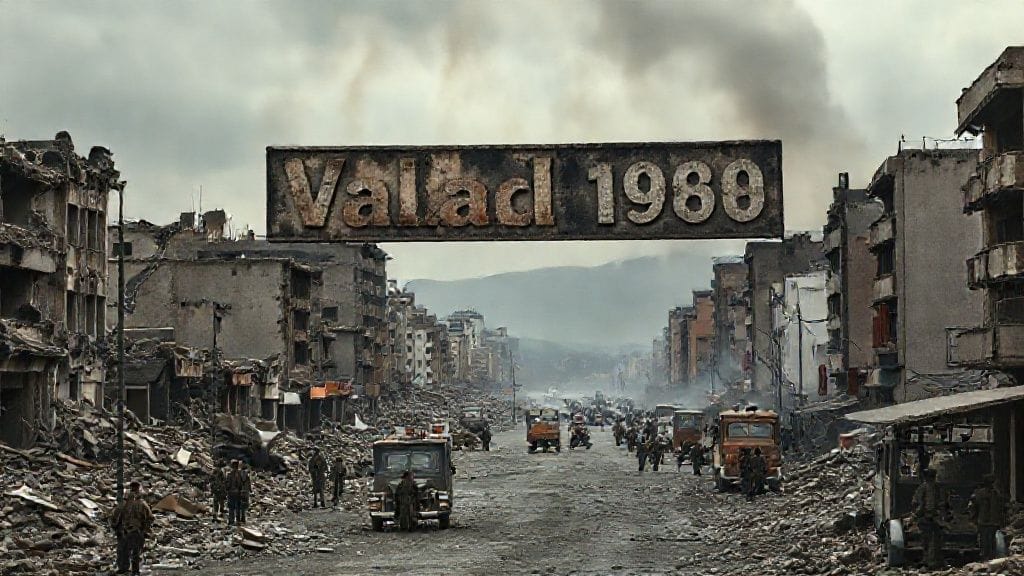
In the immediate aftermath, Napier was unrecognizable. Streets that once buzzed with trade were filled with rubble and smoldering fires. The harbor's edge had shifted, and parts of the land had risen by as much as two meters due to tectonic uplift.
But amid the devastation lay an opportunity—Napier could rise anew, planned and constructed to be stronger, safer, and more beautiful.
This vision catalyzed an ambitious rebuilding effort, one that would define the city’s modern identity and inspire architectural innovation.
The Role of Earthquake Engineering: Lessons Learned Too Late?
The 1931 earthquake underscored the deadly consequences of poor construction practices and inadequate building codes. At the time, earthquake-resistant design was rudimentary, and many structures were ill-prepared for such violent shaking.
In the quake’s wake, engineers and policymakers embraced the need for change. Stricter building regulations were introduced, and seismic safety became a priority in urban development. Although these lessons arrived with a heavy human price, they laid the groundwork for future resilience.
The tragedy catalyzed advancements in earthquake engineering across New Zealand, influencing standards still in use today.
National Shock and Global Attention: How the World Reacted
News of the disaster spread rapidly—through newspapers, radio broadcasts, and international wires. The global community expressed sympathy and solidarity. Relief funds were raised from Australia, Britain, and beyond.
New Zealanders themselves were galvanized into action, aided by the harsh reality of the Great Depression: limited resources but an immense need to respond.
This event illustrated New Zealand’s vulnerability in the face of natural hazards and showcased the country’s resilience on the world stage.
Psychological Aftershocks: The Trauma Imprinted on Survivors
Beyond physical destruction, the emotional toll was profound. Survivors grappled with grief, fear of aftershocks, and the collapse of normal life. Post-traumatic stress was common, though not yet clinically recognized.
Communities found solace in shared mourning, religious faith, and public commemorations. Mental health support was rudimentary but evolved gradually following the disaster.
The earthquake's psychological scars remind us that natural disasters shape not just landscapes, but human hearts and minds.
Social and Economic Consequences: Hawke’s Bay in Crisis
The region’s economy, largely based on agriculture, viticulture, and shipping, faced severe disruption. Loss of infrastructure hindered trade, and rebuilding demanded resources that were scarce in a globally depressed economy.
Socially, displacement and poverty rose sharply. Many families lost homes and livelihoods overnight.
The catastrophe exposed vulnerabilities in public health, housing, and social welfare—sparking debates about the role of government in disaster recovery and social protection.
Yet the crisis also ignited community cooperation and a determination to rebuild better.
Political Ramifications: Government’s Response and Policy Shifts
The disaster forced New Zealand’s government to rethink disaster management and urban planning. Emergency funds were allocated, and public inquiries analyzed failures and proposed reforms.
The quake accelerated the development of civil defense mechanisms. More broadly, it spotlighted the need for coordinated national responses to natural crises.
These political shifts influenced disaster policy domestically and inspired international dialogue on earthquake preparedness.
The Rebuilding Process: Vision and Architecture in Napier’s Renaissance
Reconstruction began swiftly, but it was more than mere rebuilding; it was a deliberate reimagining. Napier’s planners seized the chance to craft a modern cityscape, integrating earthquake resilience with aesthetic innovation.
Wide streets replaced narrow laneways, building codes demanded reinforced materials, and public spaces were redesigned for safety and beauty.
The government supported these efforts, and foreign architects were invited to contribute designs that reflected progress and hope.
Napier’s rebirth became a symbol of both tragedy and triumphant recovery.
Art Deco Emerges: Napier’s Architectural Identity Forged by Calamity
Most remarkable was the embrace of Art Deco style—the flamboyant, geometric aesthetic marking an era of optimism amid hardship. Napier’s reconstruction gave rise to a unique collection of Art Deco buildings, now considered among the world’s finest.
This architectural identity fused form, function, and modernity, reflecting the city’s resolve to move forward with strength and style.
Visitors still flock to Napier to admire these landmarks, testaments to creative renewal born from disaster.
Community Spirit and Cultural Memory: Annual Commemorations
Every year since 1931, Hawke’s Bay remembers the earthquake with solemn ceremonies, exhibitions, and storytelling. Survivors, descendants, and new generations gather to honor lives lost and lessons learned.
These commemorations foster community cohesion and keep history alive, underscoring the human dimension beyond statistics and rubble.
They remind us that memory is an essential foundation for resilience.
Scientific Progress: Investigations and Seismological Advancements
The earthquake prompted a new era in New Zealand’s seismological research. Scientists deployed early monitoring instruments and studied aftershock patterns, ground deformation, and fault mechanics.
This event was a catalyst for establishing institutions dedicated to earthquake science, which improved hazard assessment and risk reduction strategies.
Their ongoing work has made New Zealand one of the most advanced countries in seismic understanding and disaster preparedness.
Comparing Catastrophes: The 1931 Earthquake in Global Seismic History
While not the deadliest earthquake worldwide, Hawke’s Bay ranks among the most significant in New Zealand’s history and southern hemisphere’s seismic records.
Its impact parallels other 20th-century urban disasters, highlighting universal challenges in earthquake-prone regions—vulnerability, preparedness, and recovery.
Studying this event enriches our global awareness of natural risks and human responses.
Modern-Day Preparedness: From 1931 Lessons to Future Resilience
Decades later, New Zealand continues to build on lessons of 1931. Building standards are stringently enforced, emergency response systems are sophisticated, and public education emphasizes readiness.
The legacy of the Hawke’s Bay earthquake is alive in drills, engineering innovations, and community programs.
Yet, the quest continues—nature is unpredictable, and vigilance remains the key to safeguarding lives and livelihoods.
Conclusion: Echoes of the Earthquake in New Zealand's National Soul
The Hawke’s Bay earthquake was a moment when the earth itself seemed to revolt, shaking New Zealand’s trust in permanence and safety. It reminded a young nation of the raw power beneath its feet and the fragility of human endeavor.
Yet out of destruction arose remarkable resilience—a community united by loss, creativity, and hope. Napier’s scars became symbols of renewal; its streets a living museum of courage and ingenuity.
This earthquake is not just a chapter in history; it is an enduring story about humanity confronting nature’s fury and choosing to rebuild with grace. It teaches us that while the earth may tremble unpredictably, the human spirit, anchored in memory and knowledge, can rise steadfast and radiant.
FAQs
Q1: What caused the Hawke’s Bay earthquake of 1931?
A1: The earthquake was caused by a sudden rupture along geological faults in the region, related to the tectonic boundary between the Pacific and Australian plates. The massive strain release produced a 7.8 magnitude event.
Q2: How many people died in the earthquake?
A2: Approximately 256 people lost their lives, making it New Zealand’s deadliest natural disaster to that date.
Q3: What were the immediate challenges after the quake?
A3: Survivors faced fires, aftershocks, lack of shelter, medical emergencies, disrupted communications, and shortages of food and clean water.
Q4: How did the earthquake change urban planning in Napier?
A4: The disaster led to wide streets, reinforced buildings, and zoning designed to minimize future risks—ultimately culminating in the iconic Art Deco architecture Napier is known for.
Q5: What psychological impacts did the event have on survivors?
A5: Many experienced trauma, grief, and anxiety; although psychological help was limited, community support and remembrance helped in healing.
Q6: How did this event influence New Zealand’s disaster policies?
A6: It spurred the government to strengthen civil defense, improve building regulations, and develop coordinated response plans.
Q7: Why is Napier famous for Art Deco architecture today?
A7: The city’s reconstruction after the earthquake embraced the Art Deco style, turning devastation into an opportunity for a forward-looking architectural identity.
Q8: What scientific advances resulted from this earthquake?
A8: Seismology institutions were established, better monitoring was developed, and comprehensive studies improved understanding of earthquake mechanics in New Zealand.