Table of Contents
- The Morning That Shook Agadir: A City in Ruins
- Morocco on the Eve of Tragedy: Historical and Social Landscape
- Geological Underpinnings: The Tectonic Forces Beneath Morocco
- February 29, 1960: The Cataclysm Unfolds
- The Immediate Aftermath: Chaos and Courage Amidst the Rubble
- Human Stories: Lives Torn Apart and Acts of Heroism
- The Moroccan Government’s Response: Challenges and Limitations
- International Solidarity: A Global Outpouring of Support
- Reconstruction Efforts: From Ashes to a New Vision
- Societal Impact: How the Earthquake Reshaped Moroccan Identity
- Urban Planning Revolution: Modernizing Agadir
- The Psychological Scars: Trauma and Collective Memory
- Economic Consequences: Wounds to a Developing Nation's Economy
- Lessons Learned: Earthquake Preparedness and Policy Changes
- Agadir 1960 in Global Context: Comparing Catastrophes
- Remembering the Dead: Memorials and Annual Commemorations
- The Cultural Aftershock: Art, Literature, and Memory
- The Role of Media: Reporting the Disaster in a Pre-Digital Era
- The Scientific Legacy: Advances in Seismology Spurred by the Event
- Reflections Fifty Years Later: Voices of Survivors and Historians
- Conclusion
- FAQs
- External Resource
- Internal Link
1. The Morning That Shook Agadir: A City in Ruins
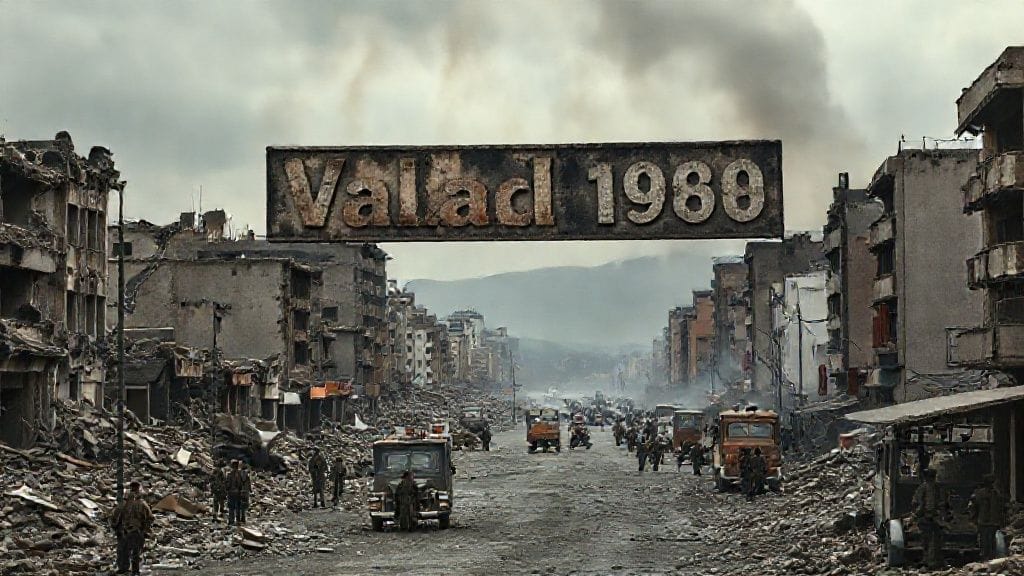
On the dawn of February 29, 1960, the city of Agadir lay sprawled peacefully along Morocco’s Atlantic coast. The sun rose over palm-lined avenues and whitewashed buildings, bathing the bustling port town in a golden glow. But within moments, a violent tremor shattered this idyllic scene, ripping through the earth and tearing Agadir into a shadow of its former self. The ground heaved, buildings screamed as they collapsed, and a once-thriving city was engulfed by dust and despair. The quake, lasting mere seconds, would claim tens of thousands of lives and redefine the future of Morocco. But beyond the numbers and rubble lay raw human emotions: fear, loss, courage, and resilience. The Agadir earthquake was not just a natural disaster; it was a profound human tragedy etched forever in the memory of Morocco and the world.
2. Morocco on the Eve of Tragedy: Historical and Social Landscape
In 1960, Morocco was a nation balancing tradition and modernity. Only four years earlier, it had emerged from French and Spanish protectorates to claim independence under King Mohammed V. Agadir, a cosmopolitan hub with deep Berber roots and a growing tourist industry, symbolized Morocco’s aspirations for progress. The city was a magnet for traders, fishermen, and families seeking opportunity. Yet beneath the optimism lurked challenges: infrastructural gaps, rapid urban expansion without proper planning, and social disparities. Across the mountains and plateaus, traditional ways blended unevenly with the tides of change. The country's fragile political fabric and burgeoning economic ambitions would be tested harshly by nature’s cruelty that February morning.
3. Geological Underpinnings: The Tectonic Forces Beneath Morocco
Morocco is perched precariously near the converging boundaries of the African and Eurasian tectonic plates. This dynamic border, where continents grind and collide slowly over millions of years, is responsible for the seismic activity that occasionally rattles the region. The Agadir earthquake occurred along a fault line near the Atlas Mountains, where accumulated stress had silently built up. Seismologists today describe the quake as a magnitude 5.7 event—a moderate tremor by global standards—but striking near the surface and in an area poorly equipped to withstand shaking, its effects were catastrophic. The geology explains the why, but the devastation speaks to preparedness, vulnerability, and human proximity.
4. February 29, 1960: The Cataclysm Unfolds
At approximately 23:40 local time on a leap day night, the earth groaned beneath Agadir. The buildings—many constructed without seismic considerations—shuddered violently. Over the course of a 15 to 20 second tremor, entire neighborhoods crumbled. Walls disintegrated, roofs collapsed, and people fled blindly into the chaos. It was midnight when the full horror became clear: Agadir was a graveyard of stone and mortar. Fires ignited by ruptured gas lines flared up, silencing cries for help under towering smoke plumes. Communications cut off, rescue was impossible at first, and the city was reduced to darkness and destruction. Time seemed to freeze amid the panic.
5. The Immediate Aftermath: Chaos and Courage Amidst the Rubble
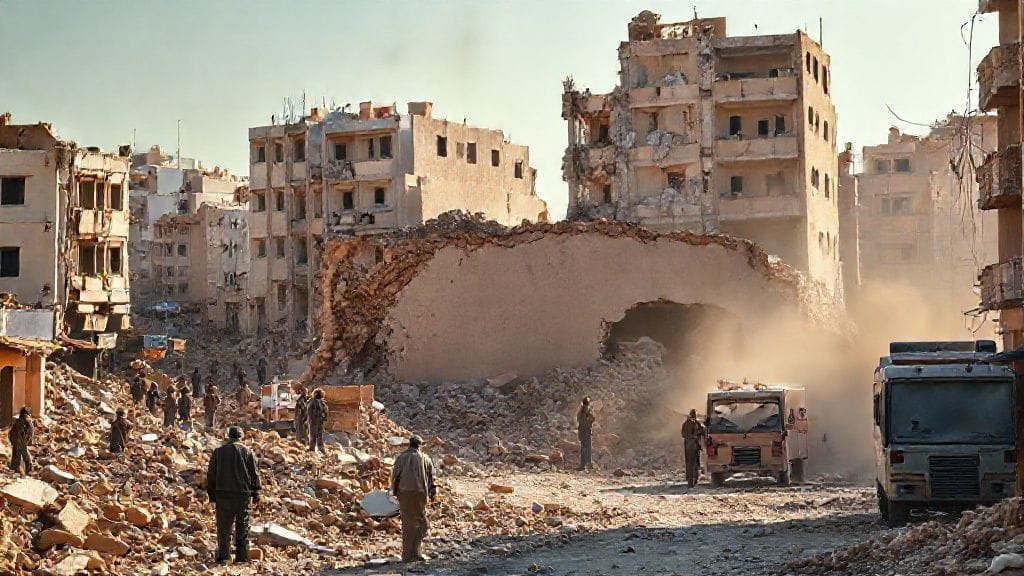
When rescue teams finally arrived hours later, the scale of destruction was staggering. Over 12,000 confirmed dead, with thousands more missing, and injuries estimated in the tens of thousands. Entire districts vanished; families buried alive under their homes. Yet amidst the horror, stories of heroism flickered like beacons. Neighbors dug with bare hands, fishermen used boats to ferry survivors to safety, and medics worked tirelessly by candlelight. The local mosque became an impromptu shelter and hospital. The Moroccan Royal Armed Forces mobilized swiftly despite limited resources. But the extent of devastation overwhelmed the city’s fragile institutions—there was simply no preparation for such a calamity.
6. Human Stories: Lives Torn Apart and Acts of Heroism
In the midst of destruction, human will shone with resilience. Young Ali Mohamed, a fisherman, heroically saved nearly 20 people from drowning after collapsed docks plunged into the sea. Fatima Zahra, a nurse, tended to the wounded with only a flashlight and sheer determination. Families who lost everything shared their meager bread and hope. The disaster did not just break buildings; it fractured lives but also welded communities together in shared suffering. Oral histories passed down speak to the raw emotions—sobbing mothers, desperate calls for missing children, and the quiet bravery of strangers turned saviors.
7. The Moroccan Government’s Response: Challenges and Limitations
King Mohammed V faced an unprecedented crisis early in Morocco’s post-colonial history. The government’s response was constrained by nascent institutions, limited infrastructure, and financial hardship. The authorities declared a national emergency and sought international help promptly. Emergency shelters were set up despite scarce resources, while the army and police coordinated rescue and law enforcement. This catastrophe exposed the fragility of the Moroccan state apparatus, pushing officials to rapidly adapt policies for crisis management. Yet the true scale of the disaster revealed wide gaps in urban planning and civil defense that no young nation was fully prepared to address.
8. International Solidarity: A Global Outpouring of Support
The world watched in horror as news of the Agadir earthquake spread. From Europe to the United States, countries sent aid in the form of medical supplies, food, tents, and rescue teams. The United Nations coordinated relief efforts, while neighboring African and Arab nations offered support both materially and symbolically. France, recently the colonial power, grappled with complicated emotions but responded by dispatching military and medical aid. Thousands of volunteers landed in the devastated city, demonstrating a profound spirit of solidarity. This early example of international humanitarian cooperation underscored a global fraternity beyond politics.
9. Reconstruction Efforts: From Ashes to a New Vision
What followed was a massive undertaking: rebuilding a city that had been virtually erased. The Moroccan government established the Agadir Reconstruction Service, hiring international architects and urban planners to envision a safer, modern city. This was not merely about bricks and mortar but an opportunity to craft a new urban identity. The process took years and significant investment. New building codes emphasized seismic resilience, wider streets, and better infrastructure. Slowly, Agadir rose from the ashes, blending traditional Moroccan aesthetics with modernist principles. However, rebuilding stirred debates about displacement, historical erasure, and the true meaning of “progress.”
10. Societal Impact: How the Earthquake Reshaped Moroccan Identity
The quake left an indelible mark on the Moroccan psyche. It fueled nationalism and a collective resolve, tying survival to an emerging post-colonial identity. The tragedy was a crucible forging unity across ethnic and class lines, reminding all of shared vulnerability and hope. Yet, grief persisted—many felt the government could have done more, and rural populations recognized urban neglect. The tragedy reshaped political discourse about state responsibility, social justice, and modernization. For many, Agadir became a symbol of both human frailty and resilience.
11. Urban Planning Revolution: Modernizing Agadir
Agadir’s reconstruction is studied today as a milestone in urban planning. The city was redesigned with innovation: reinforced concrete structures, open public spaces, and zoning laws intended to prevent future catastrophes. The architect Jean-François Zevaco and his team introduced modernist designs adapted to seismic zones. Infrastructure improvements included enhanced roads, water systems, and emergency services. This transformation influenced wider Moroccan urbanism, setting new benchmarks. Yet the ambitious plans had to balance tradition with change, sparking debates about cultural preservation versus progress.
12. The Psychological Scars: Trauma and Collective Memory
Beyond physical damage, the earthquake inflicted deep psychological wounds. Survivors grappled with loss, survivor’s guilt, and nightmares. The trauma rippled through generations, coloring attitudes toward disaster and loss. Psychologists note that the collective memory shaped national narratives of endurance. Annual commemorations, memorial sites, and personal reminiscences functioned as communal therapy. This aspect—often overshadowed by policy and reconstruction—reminds us that disasters remake human hearts as much as cities.
13. Economic Consequences: Wounds to a Developing Nation's Economy
Agadir’s destruction disrupted a vital economic hub. Fishing, tourism, and trade ground to a halt. Many lost their livelihoods overnight. The Moroccan economy—already stabilizing after colonial withdrawal—absorbed a severe shock. Government spending shifted drastically toward reconstruction, diverting funds from social programs and development projects. Despite international aid, hardships lingered for years. The disaster underscored Morocco’s vulnerabilities in infrastructure and economic diversification. Still, recovery efforts eventually contributed to longer-term modernization.
14. Lessons Learned: Earthquake Preparedness and Policy Changes
The catastrophe galvanized Morocco to rethink disaster preparedness. New seismic regulations were instituted, and civil defense systems improved dramatically. Public awareness campaigns educated citizens on earthquake safety. Geologists and engineers began rigorous seismic risk assessments, influencing urban growth for decades. The disaster became a case study in how emerging nations can integrate science, governance, and community involvement to mitigate risks. Yet, challenges remain—as recent tremors remind us, disaster preparedness is an ongoing struggle.
15. Agadir 1960 in Global Context: Comparing Catastrophes
Though devastating, the Agadir earthquake is often overshadowed in global memory by larger quakes in Asia or the Americas. Yet it provides crucial lessons on vulnerability in developing contexts. Compared to events such as the 1960 Valdivia earthquake or the 1976 Tangshan disaster, Agadir highlights the interplay between magnitude, population density, and preparedness. Its human cost and rebuilding efforts resonate as a microcosm of how societies confront sudden catastrophe, reminding us that every earthquake is also a deeply human story.
16. Remembering the Dead: Memorials and Annual Commemorations
Each year, Moroccans honor those lost on February 29. Memorials stand at sites of greatest destruction—simple, somber markers etched with names and prayers. Commemorative ceremonies blend Islamic rituals with national remembrance, attended by government representatives, survivors, and families. These acts of remembrance ensure that Agadir is never forgotten. Public education campaigns keep the memory alive, linking past trauma to future vigilance. They stand testament to the city’s resilience and the dignity of those who perished.
17. The Cultural Aftershock: Art, Literature, and Memory
The earthquake’s aftermath inspired profound cultural expressions. Moroccan poets, writers, and artists grappled with loss, hope, and rebirth. Literature captured the raw emotions of survivors; paintings depicted haunting ruins and shattered lives; music mourned and celebrated survival. This cultural output contributes to the earthquake’s place not only in history but in the soul of the nation. Through art, the trauma was transformed into a collective narrative, enriching Morocco’s cultural fabric.
18. The Role of Media: Reporting the Disaster in a Pre-Digital Era
News of the Agadir earthquake traveled slowly but surely across the globe. Radio broadcasts, telegrams, and newspapers conveyed horror and appeal for aid. Journalists faced challenges of communication blackout and regional instability yet managed to document the human plight. Media played a crucial role in mobilizing international response and shaping public perceptions. This disaster highlights the evolution of crisis reporting, reminding us of how technology shapes empathy and action.
19. The Scientific Legacy: Advances in Seismology Spurred by the Event
Agadir’s tragedy prompted scientists to deepen study of Morocco’s seismic risks. Advances in seismology, including better fault mapping and historic quake analysis, can trace roots to this event. Earthquake engineering became a priority in regional universities, and geopolitical awareness of natural hazards grew. The data collected informed safer construction standards and disaster mitigation strategies, with benefits extending beyond Morocco’s borders.
20. Reflections Fifty Years Later: Voices of Survivors and Historians
Half a century after the quake, survivors recall the night with vivid emotion. Historians analyze its lasting impact not only on Morocco’s urban landscape but on national consciousness. Interviews reveal stories of grief, unexpected survival, and renewal. The event remains a defining moment in modern Moroccan history—a pivot around which the nation turned toward a new future. As Agadir continues to grow, the earthquake’s shadow endures as a reminder of nature’s power and human fortitude.
Conclusion
The Agadir earthquake of February 29, 1960, was a cruel rupture in the fabric of Moroccan life. In a city alive with promise, it struck with sudden violence, erasing thousands of lives and reinventing a landscape overnight. Yet within that catastrophe lay profound lessons of resilience, community, and transformation. From the ashes of destruction arose a new Agadir—a beacon of modernization and hope. The event forged a national identity shaped by both grief and determination, urging Morocco to confront the precarious balance between human ambition and the unpredictable earth beneath. Remembering Agadir is not merely recalling loss; it is honoring the courage that emerges when humanity is pushed to its limits.
FAQs
Q1: What caused the 1960 Agadir earthquake?
A: The earthquake was caused by tectonic movements along a fault near the Atlantic margin of Morocco, where the African and Eurasian plates interact. Stress accumulation along this fault eventually triggered the magnitude 5.7 quake on February 29, 1960.
Q2: How many people died in the Agadir earthquake?
A: Approximately 12,000 people died, with many more injured and thousands displaced, making it one of Morocco’s deadliest natural disasters.
Q3: How did the Moroccan government respond to the earthquake?
A: The government declared a national emergency, mobilized the military for rescue and relief, and initiated reconstruction efforts, although it faced challenges due to limited resources and infrastructure.
Q4: What was the international response to the disaster?
A: Countries worldwide sent medical aid, supplies, and rescue teams. The United Nations coordinated aid efforts, and neighboring nations offered solidarity and assistance.
Q5: How did the earthquake impact Morocco’s urban planning?
A: The disaster led to the redesign of Agadir with seismic safety in mind, shaping modern urban planning practices that emphasized earthquake-resistant constructions and emergency preparedness.
Q6: What cultural impacts did the earthquake have?
A: The earthquake inspired works of literature, art, and music that explored themes of loss, survival, and renewal, becoming central to Morocco's collective memory.
Q7: How is the Agadir earthquake remembered today?
A: Through annual commemorations, memorials, educational programs, and cultural expressions, Moroccans honor the victims and survivors, keeping the memory alive.
Q8: Did the earthquake change Morocco’s disaster preparedness policies?
A: Yes, it led to improved seismic regulations, civil defense reforms, and broader awareness campaigns to better prepare the country for future natural disasters.