Table of Contents
- The morning that shook Algeria: October 10, 1980
- Algeria before the quake: a nation in transition
- The geology beneath El Asnam: fault lines and seismic history
- The initial tremors: eyewitness accounts and immediate reactions
- The great shake: the earthquake unfolds in raw power
- The destruction unveiled: cities flattened, lives erased
- Heroes and tragedies: human stories from the rubble
- Emergency response: Algeria’s struggle to cope
- International aid and political implications
- The scientific quest: measuring and understanding the quake
- Rebuilding from ruins: urban renewal and challenges
- Psychological scars: trauma and resilience in the survivors
- The quake’s impact on Algeria’s infrastructure and economy
- The government’s response: policies and controversies
- Lessons learned: seismic awareness and preparedness
- Cultural memory: how El Asnam shaped Algerian identity
- The earthquake in the global context of seismic disasters
- Rethinking hazards in North Africa: scientific and political shifts
- Long-term demographic changes and migration patterns
- Commemorating the catastrophe: monuments and memorials
- The legacy of 1980: between history, science, and human endurance
The morning that shook Algeria: October 10, 1980
The dawn of October 10, 1980, in Algeria began like any other, with the mild sunlight diffusing through the windows of homes in El Asnam, a town nestled in the north-central region of the country. People rose to their daily routines—children prepared for school, artisans opened their shops, farmers headed toward their fields. Yet, beneath the surface of the earth, a slow but inexorable tension had been building, waiting for a moment to erupt. At precisely 10:25 AM local time, the ground beneath El Asnam convulsed violently, unleashing a catastrophic earthquake that would forever mark Algeria’s history.
The suddenness of the disaster caught thousands unawares. Buildings that had stood for generations crumbled like fragile toys, sending clouds of dust into the air. Panic and confusion reigned as the earth continued to tremble with aftershocks. Within minutes, thousands of lives were altered irrevocably—some vanished under the rubble, others fractured physically and emotionally by the violent forces of nature. The town’s face was changed, and with it, the trajectory of Algeria’s development and collective memory.
Algeria before the quake: a nation in transition
To fully grasp the significance of the 1980 El Asnam earthquake, one must step back a decade or two and look into Algeria’s post-independence era. Since gaining freedom from French colonial rule in 1962, Algeria was undergoing ambitious social, economic, and political transformations under the leadership of the National Liberation Front (FLN). The country focused heavily on industrialization, infrastructure development, and modernization, aspiring to emerge as a beacon of progress in North Africa.
El Asnam itself was a microcosm of this ambition. As a center for agriculture, industry, and mining activities in the mountainous area of the Tell Atlas, the town was growing steadily. Yet, urban planning lagged behind rapid expansion. Many buildings were constructed without stringent seismic standards, a critical oversight in a region historically exposed to tectonic activity. Moreover, the Algerian government balanced internal pressures—ranging from economic hardships to political dissent—while facing the challenge of forging a national identity after years of turmoil. The stage was set for a seismic event not only to test geological forces but also the resilience of a young nation.
The geology beneath El Asnam: fault lines and seismic history
Algeria lies at the convergence of the African and Eurasian tectonic plates, making it one of the more seismically active regions in the Mediterranean basin. The Tell Atlas mountain range, near which El Asnam is situated, hosts numerous fault lines, many of which had not been thoroughly studied or monitored before 1980.
The earthquake originated along the Cheliff fault system—a complex and lengthy fault that runs extensively through northern Algeria. Historically, the area had experienced seismic activity; minor earthquakes were not uncommon, but a disaster of this magnitude was unprecedented in the modern memory of the populace and scientific community alike.
Seismologists later determined that the main shock reached a magnitude of 7.3 to 7.4 on the Richter scale, with the epicenter just southwest of El Asnam. The quake was shallow, around 10 kilometers beneath the surface, which contributed to its devastating impact. Unlike deep quakes that may dissipate energy en route to the surface, the shallow focus here transferred immense ground shaking directly where people lived.
The initial tremors: eyewitness accounts and immediate reactions
“El Asnam began to sway, like a leaf caught in a storm.” This vivid description comes from Ahmed, a local schoolteacher who was at his desk when the first rumble struck. People described furniture dancing across floors, walls groaning, and a deafening roar that pierced the usual morning calm. Phones went dead, electricity flickered and vanished—everything plunged into chaos within seconds.
Children screaming, families rushing into the streets—these were spontaneous reactions born of primal fear. The earthquake struck mid-morning, when many were indoors, increasing casualties as walls collapsed around them. Others who had just stepped outside found themselves amid falling debris and cracked roads swallowing vehicles.
Local radio and television stations attempted to broadcast warnings, but the communication infrastructure suffered severe damage. Eyewitness accounts, gathered later by journalists and sociologists, conveyed a mix of terror, confusion, and surreal disbelief. “It was like the earth was tearing itself apart,” one survivor recalled. Another said, “The sky seemed to fall; I felt we were at the end of the world.”
The great shake: the earthquake unfolds in raw power
At 10:25, the seismic waves surged outward in concentric patterns from beneath El Asnam. The primary shock lasted nearly 35 seconds—a lifetime in moments of catastrophe. Buildings constructed of unreinforced masonry lacked the flexibility to absorb such violent movements. Walls cracked and collapsed, roofs pancaked on top of residents, and infrastructure suffered catastrophic damage.
Seismic accelerations reached destructive levels, leveling entire neighborhoods. Schools, markets, mosques, and government buildings—the heart of El Asnam—were no match for the raw, unrelenting power of the earth's movements. Roads split open, landslides buried entire hillsides, and water mains ruptured, turning streets into mud-filled trenches.
In nearby towns, light shaking foreshadowed secondary aftershocks, but nothing approached the main earthquake’s violence. For survivors, the primary tremor was only the beginning—aftershocks would continue to rock the region for days and weeks, keeping fear and uncertainty alive.
The destruction unveiled: cities flattened, lives erased
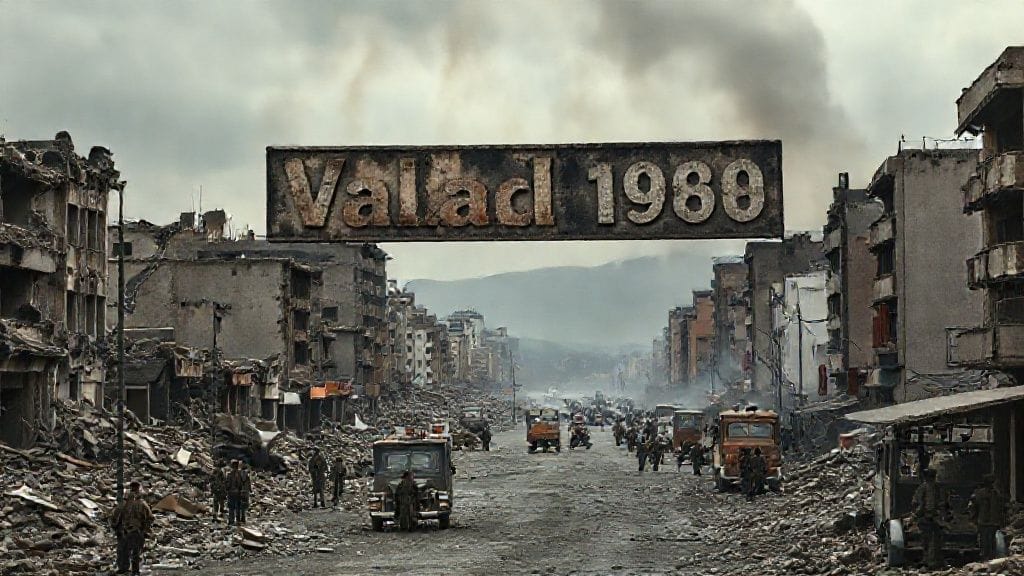
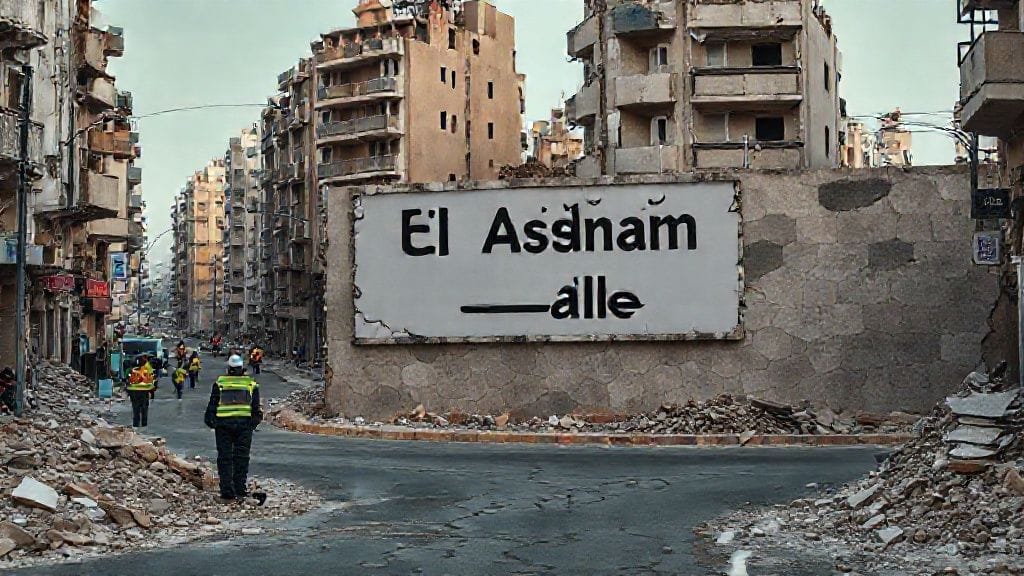
El Asnam, once a thriving urban hub, became a city of ruin overnight. Estimates suggest that approximately 2,600 people lost their lives, while tens of thousands were injured. The scale of material destruction was staggering: over 25,000 homes were damaged or destroyed, and tens of thousands of residents found themselves homeless.
The urban fabric that had evolved over decades was shattered. Schools where children once laughed were reduced to rubble. Hospitals, meant to provide care, were themselves crippled, complicating rescue efforts. Water supply and electricity were cut off, and communication with the broader nation was severed.
The surrounding rural areas were not spared. Villages on the mountainsides suffered collapsed homes and destroyed agricultural lands. Roads became impassable, cutting off vital supply routes. The disaster was comprehensive, impacting every aspect of life and dispersing suffering far beyond the city limits.
Heroes and tragedies: human stories from the rubble
Within the overwhelming tragedy, stories of heroism emerged. Rescue workers, local volunteers, and neighbors dug tirelessly through debris by hand and with limited machinery. One famous story tells of Fatima, a mother who, after losing her home, led a group of survivors to dig out trapped children beneath a collapsed school.
At the same time, there were heartbreaking losses: entire families vanished, including elderly grandparents and newborns alike. Hospitals overflowed, and those who managed to reach them faced harrowing waits. These stories humanize the catastrophe, reminding us far beyond numbers and statistics, that the 1980 earthquake was a human tragedy that tested the limits of endurance and compassion.
Emergency response: Algeria’s struggle to cope
Algeria’s government responded swiftly but was overwhelmed by the disaster's scale. Medical teams were mobilized, but shortages of supplies and damaged infrastructure delayed aid. The military played a critical role, deploying search-and-rescue teams and establishing temporary shelters.
International aid began arriving days later, but the initial moments post-quake were desperate. There was an urgent need for food, water, shelter, and medical care. Logistical challenges in a mountainous terrain slowed deliveries, and cold October nights added to the hardship for survivors left homeless.
Despite these obstacles, a spirit of solidarity galvanized local communities and national institutions alike. Algeria's crisis management exposed gaps in preparedness but also highlighted determination to mount a collective response.
International aid and political implications
The El Asnam earthquake drew an outpouring of international sympathy and support. Countries from around the world sent medical teams, emergency supplies, and financial assistance. The Red Cross and United Nations coordinated significant relief efforts.
Politically, the earthquake reinforced Algeria’s visibility on the global stage. The government used the disaster to seek international cooperation and to highlight the importance of regional seismic monitoring. At the same time, it revealed weaknesses in infrastructure and governance that critics would later cite.
For Algeria, the disaster became a catalyst for discussions on development priorities and disaster preparedness, intersecting with Cold War-era geopolitics and regional alliances.
The scientific quest: measuring and understanding the quake
Seismologists from Algeria and abroad converged to study the event. The El Asnam earthquake was among the most significant seismic occurrences recorded in North Africa’s modern era, offering valuable data.
Field surveys documented fault ruptures, landslides, and ground deformation. Seismograms were analyzed to understand the nature of the shock and its aftershocks. This scientific scrutiny expanded knowledge about the African-Eurasian plate boundary and the specific tectonic risks facing Algeria.
The disaster highlighted the critical need for improved seismic monitoring, hazard mapping, and public education on earthquake preparedness in the region.
Rebuilding from ruins: urban renewal and challenges
The rebuilding of El Asnam was a Herculean task. The Algerian government launched extensive reconstruction programs aimed not only at restoring what was lost but also at modernizing the town with improved safety standards.
New building codes were introduced, emphasizing seismic resistance. Urban planners reimagined the city layout to reduce vulnerability to future quakes. Yet, financing and resource constraints slowed progress.
Population displacement was significant, with some families relocating permanently. Rebuilding was not merely physical but also social, as communities sought to regain trust and normalcy amid scars of trauma and loss.
Psychological scars: trauma and resilience in the survivors
Beyond physical destruction, the earthquake left indelible psychological wounds. Survivors grappled with PTSD, anxiety, and grief. Counseling and mental health services were scarce, but informal community support networks emerged.
Yet, stories of courage and adaptation also abound. Survivors rebuilt their lives and homes despite formidable odds. Oral histories preserve memories of resilience: how families reunited, neighborhoods regenerated, and hope slowly returned.
The earthquake became a shared trauma embedded deeply in Algerian consciousness—a painful reminder but also a tale of human fortitude.
The quake’s impact on Algeria’s infrastructure and economy
Economically, the disaster slowed regional growth dramatically. Agricultural production suffered due to damaged lands; industries faced interruptions from destroyed facilities and disrupted transport routes.
Nationwide, resources had to be diverted to emergency relief and reconstruction, affecting investments in other sectors. The rebuilding effort stimulated construction-related activity but also strained government budgets.
Infrastructure modernization became a priority, yet the quake underscored the fragile dependency on vulnerable systems.
The government’s response: policies and controversies
The Algerian government’s handling of the earthquake met with mixed reactions. Officially, the leadership emphasized unity and resolve, often portraying the disaster response as a national achievement.
Critics, however, pointed out slow responses to some affected areas, inadequate communication with victims, and a lack of transparency in aid distribution. Political opposition groups used the crisis to question government accountability.
Ultimately, the earthquake became a prism reflecting both the state’s capacities and limitations during moments of extreme stress.
Lessons learned: seismic awareness and preparedness
In the quake’s aftermath, Algeria began investing more seriously in earthquake preparedness. Public education campaigns were launched to teach citizens how to act during tremors. Seismic building codes were progressively enforced.
The government initiated the creation of a national seismic monitoring network and improved disaster management protocols.
These reforms have helped mitigate later earthquakes, though the challenge of fully defending an earthquake-prone nation remains.
Cultural memory: how El Asnam shaped Algerian identity
The 1980 earthquake transcended geology to enter Algerian cultural memory profoundly. Literature, music, and oral traditions commemorated the event, preserving stories of both loss and resilience.
Annual memorial ceremonies honor victims. The disaster united Algerians in shared grief and collective reflection, reinforcing national solidarity.
In many ways, the quake became a symbol of vulnerability and strength coexisting—a defining moment of Algeria’s modern history.
The earthquake in the global context of seismic disasters
The El Asnam earthquake found its place among significant late 20th-century seismic catastrophes, comparable in impact to quakes in Turkey, Iran, and Mexico during that era.
It spotlighted the Mediterranean and North African regions as areas at risk, often overlooked in global seismic risk assessments.
The event contributed to international seismic research collaborations and underscored the universal need for preparedness regardless of geography.
Rethinking hazards in North Africa: scientific and political shifts
Post-1980, scientists and policymakers in North Africa revisited hazard assessments and disaster readiness strategies.
The quake accelerated regional efforts to create comprehensive seismic hazard maps and fostered cross-border cooperation on emergency management.
It also influenced political discourse on urban planning, environmental risk management, and infrastructure investment decisions.
Long-term demographic changes and migration patterns
The destruction induced demographic shifts: displaced populations migrated within Algeria, some permanently resettling elsewhere.
Rural-to-urban migration patterns adjusted as El Asnam’s reconstruction oscillated between opportunity and hardship.
These changes altered regional population dynamics, community structures, and economic activities over ensuing decades.
Commemorating the catastrophe: monuments and memorials
Physical memorials, plaques, and dedicated spaces were established to honor the 1980 victims and heroic responders.
Monuments serve educational and symbolic functions, inviting remembrance and reflection.
They stand today as powerful reminders of the fragility of human life and the enduring desire to overcome tragedy.
The legacy of 1980: between history, science, and human endurance
Forty years on, the El Asnam earthquake remains etched in Algeria’s soul. It is a chapter marked by profound loss but also by scientific advancement, social resilience, and purposeful transformation.
The past teaches us that nature’s unpredictable forces test nations not only by destruction, but by the human responses they inspire. In remembering El Asnam, we affirm a commitment to vigilance, compassion, and the unyielding human spirit.
Conclusion
The El Asnam Earthquake of October 10, 1980, was more than a seismic event; it was an epochal moment that challenged Algeria’s emerging identity, tested its governance, and reshaped its society. The violent shaking of the earth in northern Algeria erased much in an instant but also revealed the profound strength latent within communities.
From the rubble emerged stories of survival, solidarity, and rebuilding that continue to resonate today. The disaster exposed vulnerabilities but also became a catalyst for progress in science, urban planning, and disaster preparedness.
Ultimately, the tragedy of El Asnam reminds us poignantly of life’s fragility and the indomitable courage humans summon when the earth beneath their feet turns hostile. It is a human story written in the language of the planet itself—a narrative of loss and hope intertwined.
FAQs
1. What caused the El Asnam earthquake in 1980?
The earthquake was caused by tectonic activity along the Cheliff fault system, part of the boundary between the African and Eurasian plates. Shallow focus and high magnitude (7.3–7.4) led to severe ground shaking.
2. How many people died in the 1980 El Asnam earthquake?
Estimates indicate approximately 2,600 fatalities, with tens of thousands injured or displaced due to widespread destruction.
3. How did the Algerian government respond to the disaster?
The government mobilized emergency services, engaged the military for rescue operations, and later launched reconstruction programs. However, its response faced logistical challenges and criticism for delays and resource allocations.
4. What were the main challenges in the rescue and relief efforts?
Damaged infrastructure, including roads and communication lines, mountainous terrain, and shortages of medical supplies complicated rescue work. Cold weather and ongoing aftershocks also hindered operations.
5. What scientific advances came from studying the El Asnam earthquake?
The event expanded understanding of seismic hazards in North Africa, improved knowledge about fault mechanics, and spurred the development of Algeria’s seismic monitoring systems.
6. How did the earthquake affect Algeria’s economy?
The disaster disrupted agriculture, industries, and trade in the region. Reconstruction required significant resources that strained national budgets and delayed other development projects.
7. Are there memorials commemorating the El Asnam earthquake?
Yes, several monuments and annual ceremonies honor victims and responders, serving as places of remembrance and education.
8. What lessons did Algeria learn regarding earthquake preparedness?
Post-disaster, Algeria strengthened building codes, improved public seismic awareness programs, and enhanced emergency response capacities to better face future risks.