Table of Contents
- The Quiet Morning Broken: Dawn of the Mascara Earthquake
- Algeria in the Early 1990s: A Nation Under Strain
- The Fault Lines Beneath: Geological Roots of the Disaster
- August 18, 1994: The Earth Trembles
- Immediate Aftermath: Chaos and Confusion in Mascara
- Human Stories Amidst the Ruins: Voices from the Disaster
- The Role of Government and Emergency Services
- Local Community Response: Solidarity in the Face of Tragedy
- International Aid and Attention: Algeria’s Call for Help
- The Death Toll and Damage: Numbers That Tell a Story
- Infrastructure Shattered: Rebuilding a City and a Spirit
- Psychological Impact: Trauma and Resilience
- Media Coverage: Bringing Mascara’s Plight to the World
- Political Ramifications: Disaster in a Time of Crisis
- Lessons Learned: Improvements in Seismic Preparedness
- The Earthquake’s Place in Algerian Memory and Identity
- Scientific Advances Spurred by Mascara’s Tragedy
- Comparisons with Other Mediterranean Seismic Events
- The 1994 Earthquake and Algeria’s Development Path
- Conclusion: From Rubble to Renewal – The Enduring Spirit of Mascara
- FAQs: Understanding the 1994 Mascara Earthquake
- External Resource
- Internal Link
The Quiet Morning Broken: Dawn of the Mascara Earthquake
On the morning of August 18, 1994, as the sun timidly bathed the quaint town of Mascara in northwest Algeria, a sudden, violent tremor shattered the tranquility. What had begun as an ordinary summer day soon became a nightmare. Buildings trembled, walls cracked, the earth groaned—a powerful earthquake erupted from the depths beneath, disrupting lives, dreams, and the very foundations of this historic city.
The sky, clear only moments before, seemed to darken with dust and despair. Families scrambled from their homes, streets filled with panic and confusion. For many, it was an event both unexpected and devastating, yet borne of geological forces centuries old. This was no ordinary tremor; it was a profound tragedy that marked Algeria's modern history and left an indelible imprint on the soul of its people.
Algeria in the Early 1990s: A Nation Under Strain
To fully grasp the layers of tragedy and resilience embodied in the Mascara earthquake, one must understand Algeria’s fragile stage at the time. The early 1990s were turbulent years. Fresh from the scars of a brutal civil conflict ignited by political upheaval and intensified Islamist insurgencies, Algeria was a nation struggling for stability and identity.
Economic hardships drained public coffers, and social tensions simmered beneath the surface. Infrastructure was often neglected amid political and security concerns, making cities like Mascara more vulnerable to natural disasters. The earthquake’s arrival was, metaphorically, the final unbalancing blow to a society already strained to its limits.
The Fault Lines Beneath: Geological Roots of the Disaster
Algeria sits on the northern edge of the African tectonic plate, where it meets the Eurasian plate. The region’s complex geology, characterized by the Atlas Mountains and accompanying fault lines, has historically made northern Algeria prone to seismic activity. While earthquakes are relatively common, the 1994 Mascara earthquake stood out due to its magnitude and impact.
Approximately a magnitude of 5.8 on the Richter scale, its epicenter near Mascara brought forth a sudden release of tectonic tension. The quake unfolded along a previously underestimated fault line, a critical reminder that beneath serene landscapes, the Earth's restless forces can erupt without warning.
August 18, 1994: The Earth Trembles
At precisely 10:18 AM, the earth beneath Mascara suddenly lurched. The ground rippled like a disturbed pond, then plunged into violent shaking lasting just seconds but amplifying devastation across the region. Walls collapsed, roofs crumbled—homes and businesses once lively became rubble heaps.
Residents recounted the terrifying sensation: a wave of heat and motion, a deafening roar punctuated by the crack of splitting stone and breaking glass. One elderly man later described it as “the mountain itself was alive and angry.” Within minutes, Mascara’s sunlit charm was enveloped in dust, cries for help, and the sirens' wailing.
Immediate Aftermath: Chaos and Confusion in Mascara
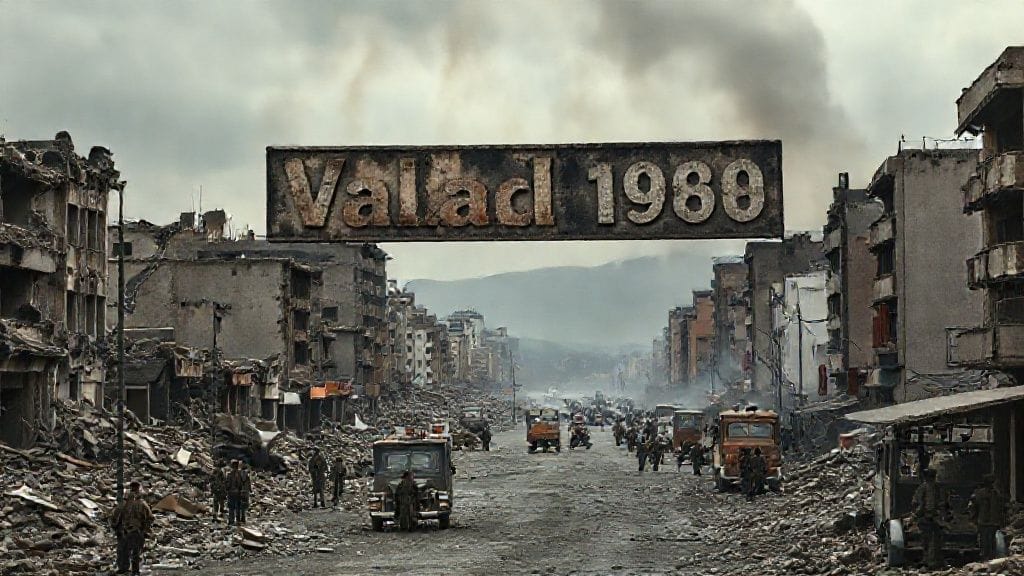
As the tremors ceased, a stunned silence followed, broken only by the cries of survivors and the grim realization of destruction. Roads were obstructed by debris; communication lines severed. Search and rescue efforts were frantic yet perilous; aftershocks threatened to topple unstable structures.
Hospitals, already stretched thin, were inundated. Medical supplies ran low; emergency responders moved swiftly but were overwhelmed. The community's collective sorrow and shock settled in, as rescue workers counted casualties and families feared the worst.
Human Stories Amidst the Ruins: Voices from the Disaster
Beyond the statistics, the 1994 Mascara earthquake is, above all, a collection of individual stories of tragedy and hope. Thirty-year-old Fatima was trapped beneath her home’s collapsed ceiling, clutching her young son until they were rescued hours later. Elderly couples, neighbors who had lived side by side for decades, found strength in their unity amidst loss.
A mother’s frantic search for her lost children became emblematic of the human cost. These narratives of survival and loss illuminate the earthquake’s profound personal imprint, magnifying the raw human suffering and endurance that numbers alone cannot capture.
The Role of Government and Emergency Services
In the quake’s immediate aftermath, the Algerian government faced enormous pressure to respond effectively. Emergency services, though limited in resources, mobilized rapidly. Military units joined first responders to clear debris and assist victims.
However, challenges abounded: logistical constraints, damaged infrastructure, and communication breakdowns disrupted coordination. Still, government declarations emphasized national solidarity and recovery, promising aid and rebuilding. The disaster exposed systemic weaknesses in disaster preparedness but also galvanized efforts toward reform.
Local Community Response: Solidarity in the Face of Tragedy
Amid the chaos, local communities in Mascara revealed extraordinary resilience. Informal networks sprang into action—neighbors dug through rubble with bare hands, shared scarce resources, and sheltered the displaced.
Mosques opened their doors as shelters; local volunteers coordinated makeshift medical stations. This grassroots solidarity became a powerful testament to Algerian communal bonds, offering hope and dignity when official channels faltered.
International Aid and Attention: Algeria’s Call for Help
Though Algeria’s government maintained a degree of self-reliance, the scale of human suffering prompted appeals for international assistance. Relief agencies from Europe and beyond responded with donations, medical teams, and expertise.
The world watched as the Algerian people navigated tragedy. This influx of support was crucial in supplementing overwhelmed local resources, reflecting a global recognition of shared humanity amidst disaster.
The Death Toll and Damage: Numbers That Tell a Story
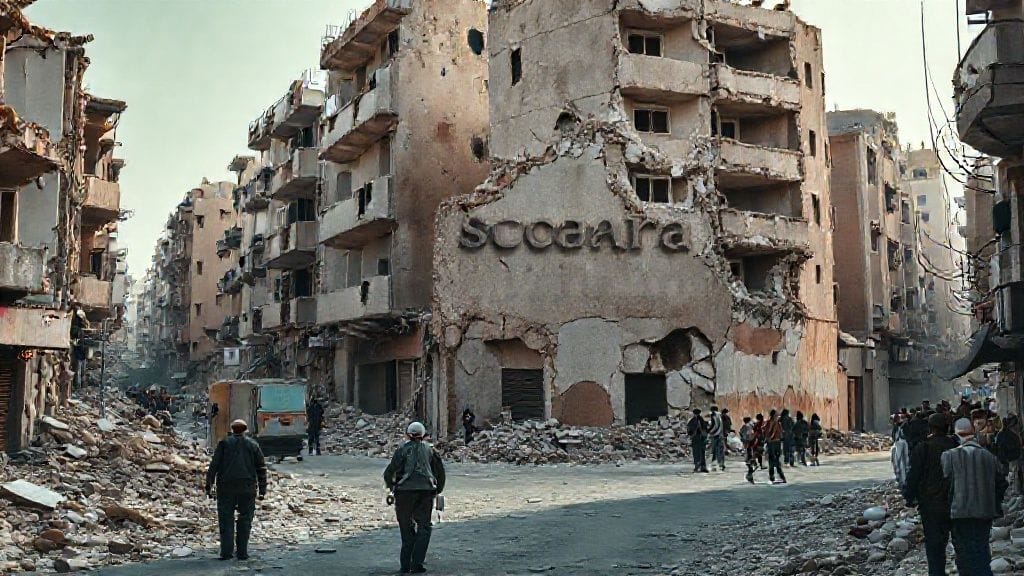
Official figures estimated approximately 3,000 dead and thousands injured, with tens of thousands rendered homeless. Entire neighborhoods were flattened; vital infrastructure—schools, hospitals, roadways—lay in ruins.
Beyond statistics, these numbers represented shattered lives and futures deferred. Mascara’s economy, once vibrant with agricultural and artisanal activity, faced severe disruption. The physical and economic scars on the city defined the challenges of recovery ahead.
Infrastructure Shattered: Rebuilding a City and a Spirit
Reconstruction was an arduous process extending for years. With many homes reduced to rubble and public buildings destroyed, the government launched rebuilding initiatives focusing on safer construction methods.
Mascaras streets were slowly repaved; new buildings rose from ashes alongside the tempered hope of residents. Architects incorporated seismic-resistant designs, marking a turning point in Algerian urban planning catalyzed by disaster.
Psychological Impact: Trauma and Resilience
The earthquake inflicted invisible wounds as well. Survivors grappled with grief, anxiety, and post-traumatic stress. In a society where mental health services were limited, many endured their pain in silence.
Yet, acts of collective mourning, memorials, and community gatherings became key in processing trauma. The shared experience forged bonds of resilience that would define Mascara’s social fabric for generations.
Media Coverage: Bringing Mascara’s Plight to the World
News outlets quickly descended on Mascara, filming scenes of devastation and survivor interviews. International media coverage played a dual role: raising awareness and pressing authorities for transparency and swift response.
However, some criticized the portrayal as sensationalist or superficial, failing to capture the nuanced human stories beneath the rubble. Still, media presence amplified international aid and kept Mascara’s plight in the global consciousness.
Political Ramifications: Disaster in a Time of Crisis
The earthquake struck amid political unrest and civil conflict, compounding Algeria’s challenges. Critics contended that the disaster exposed government mismanagement and inadequate preparedness.
In some quarters, the event was politicized, impacting governmental credibility. Conversely, it also fostered a moment of tentative unity as Algerians sought to rebuild not just structures but national hope.
Lessons Learned: Improvements in Seismic Preparedness
The 1994 Mascara earthquake served as a critical wake-up call. Algerian authorities, along with international partners, undertook comprehensive reviews of seismic risks.
Seismic monitoring networks were expanded, emergency response protocols overhauled, and public awareness campaigns launched. This tragic event laid foundations for more robust disaster resilience, saving lives in subsequent tremors.
The Earthquake’s Place in Algerian Memory and Identity
Mascara’s earthquake etched itself into Algeria’s collective memory as a symbol of vulnerability and strength. Annual commemorations honor the victims, and survivors’ testimonies preserve history.
Cultural expressions—from literature to music—reflect the event’s deep imprint, intertwining natural disaster with national endurance narratives.
Scientific Advances Spurred by Mascara’s Tragedy
The quake spurred research into Algerian seismology. Scientists mapped fault lines with greater precision and developed risk models integrating geology with urban development.
These advances contributed not only to local safety but to the global understanding of seismic hazards in Mediterranean regions.
Comparisons with Other Mediterranean Seismic Events
Algeria’s 1994 earthquake is one among several powerful Mediterranean quakes, notably the 1980 Irpinia earthquake in Italy or the 1999 İzmit quake in Turkey.
Comparative analysis highlights similarities in tectonic settings and government responses, underscoring shared vulnerabilities and the importance of regional cooperation in disaster management.
The 1994 Earthquake and Algeria’s Development Path
Beyond immediate recovery, the earthquake influenced Algeria’s broader developmental trajectory. Emphasis on infrastructure quality, urban planning, and disaster risk management became integral to policy.
This sent a message: growth must account for nature’s unpredictability—a lesson painfully learned in Mascara.
Conclusion: From Rubble to Renewal – The Enduring Spirit of Mascara
The Mascara earthquake of August 18, 1994, stands as a poignant chapter in Algeria’s history—a fierce reminder of nature’s power and human frailty. Yet amidst destruction, it also revealed resilience: communities bound by shared grief, governments prompted toward reform, and a nation striving for renewal.
“You never forget the day when the earth moved beneath your feet,” a survivor once said. Indeed, Mascara’s story is not just about shattered stones, but about hearts enduring, rebuilding, and reaching toward hope even in the darkest tremors.
FAQs: Understanding the 1994 Mascara Earthquake
Q1: What caused the 1994 Mascara earthquake?
The earthquake resulted from tectonic movement along fault lines where the African and Eurasian plates converge, releasing accumulated stress beneath northern Algeria.
Q2: How severe was the earthquake?
It registered around 5.8 in magnitude but caused significant damage due to shallow depth, dense population areas, and vulnerable infrastructure.
Q3: What were the main challenges in the emergency response?
Damaged infrastructure, limited resources, and ongoing security concerns complicated coordination among rescue teams and delayed aid delivery.
Q4: How did the Algerian government respond?
The government quickly mobilized emergency services and declared national mourning, but shortcomings in preparedness and infrastructure were exposed, leading to reforms.
Q5: What role did local communities play?
Local residents were pivotal, providing immediate rescue efforts, sheltering displaced neighbors, and fostering communal solidarity during crisis moments.
Q6: How did the earthquake impact Algeria’s urban planning?
It led to the adoption of seismic-resistant building codes and enhanced disaster preparedness policies to reduce vulnerability in future events.
Q7: How is the earthquake remembered today?
Through annual commemorations, survivor testimonies, cultural works, and integration into Algeria’s shared identity as a moment of tragedy and resilience.
Q8: Did the international community assist Algeria after the earthquake?
Yes, various countries and relief organizations provided aid, medical help, and technical expertise critical to recovery efforts.