Table of Contents
- The Shaking of a Region: A Morning to Remember
- Geographical and Geological Context of Lake Kivu
- Historical Fault Lines: Tectonics of the African Rift Valley
- The Lead-up to February 3, 2008: Seismic Prelude?
- The Earthquake Strikes: Sequence and Magnitude
- Immediate Human and Material Impact
- The Response of Local Authorities and International Aid
- A Transboundary Disaster: DR Congo and Rwanda Connected by Catastrophe
- The Earthquake in the Eyes of Scientists: Analysis of the Fault Movement
- Personal Stories from Survivors: Voices from Bukavu and Goma
- The Aftershocks: Fear and Uncertainty in the Following Weeks
- Challenges of Disaster Management in Conflict Zones
- Environmental Consequences: Lake Kivu and the Risk of a Limnic Eruption
- Infrastructure Damage and Economic Setbacks
- Political Reverberations: Governments and Regional Cooperation
- Lessons Learned and Improvements in Regional Preparedness
- The Media Coverage: Framing a Natural Disaster Across Borders
- Memory and Memorial: How Communities Remember the 2008 Earthquake
- Scientific Advancements Sparked by the Lake Kivu Earthquake
- Reflections on Vulnerability: Nature, Geopolitics, and Human Resilience
- Conclusion: A Tremor that Changed the Heart of Central Africa
1. The Shaking of a Region: A Morning to Remember
On the crisp morning of February 3, 2008, before dawn had even fully broken, the ground beneath the shores of Lake Kivu began to tremble. For the inhabitants of eastern Democratic Republic of Congo, and neighboring Rwanda, this was no ordinary shaking; it was the earth groaning with an intensity that would soon carve tragedy into their lives. People were jolted awake, homes quaking, walls cracking, and roads rupturing as a 5.9 magnitude earthquake rippled through the region, a pulse felt not only physically but emotionally across borders already marked by history, conflict, and resilience. This was a moment when the raw power of nature intersected with the fragile hopes of countless families, forever etching February 3 into the collective memory of Central Africa.
The seismic event was a sudden and stark reminder that beneath the serene waters of Lake Kivu and the lush hills of this Rift Valley region, forces long buried were alive and restless. As the sun climbed, communities began to emerge from the rubble not just grappling with shock, but with the sobering reality of loss and disruption.
2. Geographical and Geological Context of Lake Kivu
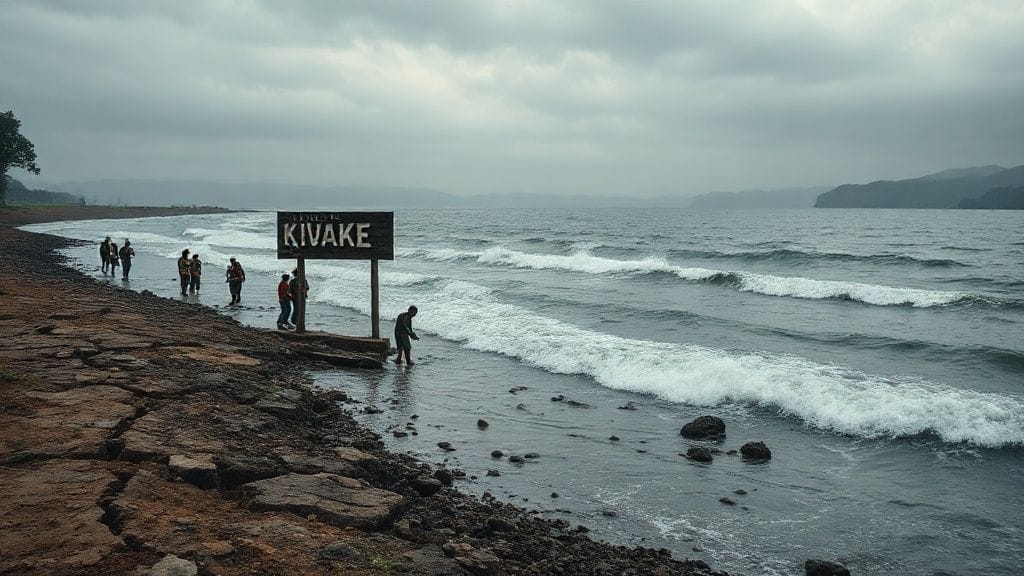
Lake Kivu, perched high in the Albertine Rift—part of the vast East African Rift system—is a place of remarkable natural beauty, but also latent danger. The lake itself is a deep freshwater reservoir nestled between the volcanic ranges that straddle the border of DR Congo and Rwanda. This geologic setting is anything but placid; it is positioned along active tectonic structures where the African continent is slowly tearing apart.
One of Africa’s Great Lakes, Kivu’s waters hold a rare and volatile mixture of dissolved methane and carbon dioxide gases, naturally seeping from volcanic activity beneath. The surrounding terrain is characterized by steep hills, active volcanoes such as Nyiragongo and Nyamuragira, and a landscape continually reshaped by geological forces.
The region has long been a focus of attention—not just for its breathtaking vistas—but for the precarious balance between tectonic activity and human settlement. The underlying rift system is part of the East African Rift, where two continental plates—the Nubian and the Somali plates—are gradually drifting apart, creating fault lines and setting the stage for earthquakes.
3. Historical Fault Lines: Tectonics of the African Rift Valley
The Earth’s crust beneath Lake Kivu is riven by a network of faults that have been active for millions of years. As part of the Western Branch of the East African Rift, this region embodies one of the planet’s most dynamic geological theaters. Unlike the more famous San Andreas Fault or the Pacific Ring of Fire, the rifting in East Africa progresses more slowly—but no less dramatically.
Historically, the area has witnessed seismic activity that has influenced not only the landscape but the human societies settled therein. Tremors and volcanic eruptions are interwoven with the history of the peoples living along the lake’s shores. The fault ruptures here are often subtle, with smaller quakes punctuating the intervals between rare but potentially catastrophic events.
Before 2008, seismicity in the Lake Kivu region had been routinely monitored but not fully understood in terms of risk. The interplay between the tectonic movement and the methane-rich lake added a layer of uncertainty rarely encountered elsewhere.
4. The Lead-up to February 3, 2008: Seismic Prelude?
In the weeks and months before that fateful morning, the region experienced minor tremors, some subtle enough to escape widespread notice. Scientists later noted a pattern of small seismic events—a prelude that nonetheless failed to generate the alarm necessary for evacuation or widespread preparedness.
Locals reported unusual animal behavior and groundwater variances, anecdotal signals sometimes associated with impending earthquakes. However, the lack of advanced early-warning systems and the socio-political complexities in eastern DR Congo and Rwanda limited response capabilities.
This calm before the storm was a fragile veneer, beneath which tensions—not just seismic but social and political—gathered like storm clouds.
5. The Earthquake Strikes: Sequence and Magnitude
At precisely 6:34 am local time, the main shock released a formidable energy, registering 5.9 on the Richter scale. It originated near the border between the DR Congo and Rwanda, about 10 kilometers deep, disturbing the lakebed and jolting settlements dozens of kilometers away.
The earthquake was not a sudden isolated jolt but a sequence—a main shock followed by turbulent aftershocks that would plague the region for days. The tremors rumbled through the earth with resonances that collapsed homes, fractured roads, and sent panicked residents fleeing into the open.
The event’s magnitude, though moderate by global standards, was enormously impactful due to the region’s geological and infrastructural vulnerabilities. Buildings poorly adapted to seismic stress crumbled, and the population was thrown into immediate peril.
6. Immediate Human and Material Impact
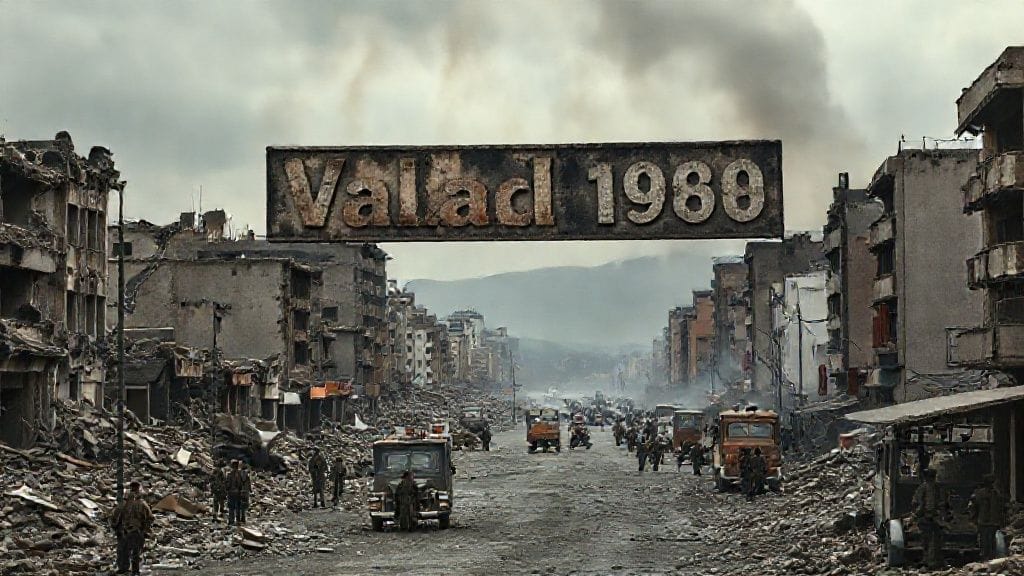
Within minutes, the scale of destruction began to emerge. In DR Congo’s South Kivu province, especially around the city of Bukavu, houses made mostly of mud bricks and unreinforced concrete fared poorly. Dozens were reported dead, hundreds injured, and thousands rendered homeless. Roads and bridges essential for access were damaged or destroyed, isolating communities.
Rwanda’s northwest, including parts of Gisenyi and Ruhengeri, suffered shakes strong enough to damage homes and disrupt daily life, though structural losses were generally less severe than on the Congolese side.
Hospitals overflowed, emergency responders mobilized with difficulty, and the intersection of natural disaster with already precarious humanitarian conditions magnified suffering. Power outages and communication breakdowns further hindered aid coordination.
7. The Response of Local Authorities and International Aid
The governments of both DR Congo and Rwanda swiftly issued emergency declarations. In Bukavu, makeshift camps were established to shelter displaced families, while Rwanda dispatched additional resources to affected districts.
International aid agencies—UNICEF, the Red Cross, Médecins Sans Frontières—and regional organizations quickly joined the response effort. However, the underlying challenges of infrastructure, security concerns, and difficult terrain complicated relief logistics.
The layered crisis, coupled with ongoing conflicts in parts of eastern DR Congo, turned the earthquake into not just a natural disaster but a humanitarian emergency needing multifaceted intervention.
8. A Transboundary Disaster: DR Congo and Rwanda Connected by Catastrophe
The earthquake was a stark reminder that natural disasters do not respect political borders. The epicenter’s position along an international boundary underscored the need for cross-border cooperation, which until then had been tenuous given historical tensions.
Both countries faced the common threat of instability triggered by the quake’s devastation. Joint scientific and humanitarian dialogues were initiated to foster collaboration, improve seismic monitoring, and enhance regional disaster preparedness.
Despite historic rivalries, the shared experience of vulnerability provided a rare platform for dialogue, signaling a shift in how the two nations approached mutual risks.
9. The Earthquake in the Eyes of Scientists: Analysis of the Fault Movement
Seismologists studying the 2008 quake identified it as a strike-slip event—where two sides of a fault slide past each other horizontally. This profile of movement is consistent with the extensional forces acting in the rift valley's tectonics.
The quake's epicenter was located near mapped faults on the western edge of Lake Kivu, suggesting stress build-up had reached a tipping point. The data collected allowed scientists to better calibrate their understanding of seismic hazard in this part of Africa.
More importantly, the event highlighted the need to monitor potential triggers of limnic eruptions tied to lake gas accumulations, a disaster exemplified by the tragic Lake Nyos event in Cameroon decades earlier.
10. Personal Stories from Survivors: Voices from Bukavu and Goma
Amid statistics and technical reports, the true heart of the earthquake’s impact beats strongest in personal testimonies. Marie, a mother of four in Bukavu, recounted waking to the violent shaking, her home's walls trembling and crumbling as she scrambled to gather her children. “It felt like the earth itself was angry,” she said.
In Gisenyi, Paul, a local teacher, spoke of his school days disrupted, students terrified, parents anxious. “We stood outside under open skies, fearing the building might fall,” he recalled.
Such stories evoke the resilience and fears of ordinary people caught in extraordinary circumstances—a human face to a geological event.
11. The Aftershocks: Fear and Uncertainty in the Following Weeks
The main shock was only the beginning. Over the subsequent weeks, aftershocks continued to rock the region with lesser but still unsettling intensities. Each tremor reopened old wounds and kept communities on edge.
Psychological trauma mounted with every shake. Families reluctant to return to damaged homes lived in precarious shelters, while aid organizations struggled to address mental health alongside physical recovery.
These aftershocks maintained a climate of uncertainty that complicated reconstruction efforts and delayed a return to normalcy.
12. Challenges of Disaster Management in Conflict Zones
Eastern DR Congo had long been plagued by armed conflicts, displacement, and weak governance structures. The earthquake’s aftermath laid bare how intersecting crises could cripple effective disaster response.
Access to remote areas was limited by insecurity and destroyed infrastructure. Coordination between government, UN peacekeepers, local NGOs, and international actors was hindered by communication gaps and mistrust.
The earthquake exposed the pressing need to integrate disaster preparedness more firmly into peace-building and development strategies in fragile states.
13. Environmental Consequences: Lake Kivu and the Risk of a Limnic Eruption
The quake brought uneasy focus to Lake Kivu itself. The seismic disturbance threatened the stability of deep water layers saturated with lethal gases. Scientists feared that any release could trigger a limnic eruption—a catastrophic outgassing event that could suffocate populations around the lake.
While the 2008 earthquake did not trigger such an outbreak, concerns intensified about monitoring the lake’s volatile contents and developing emergency plans.
This ongoing risk has made Lake Kivu not just a site of natural beauty, but a geological time-bomb demanding continuous vigilance.
14. Infrastructure Damage and Economic Setbacks
The material damage went beyond homes. Roads, bridges, schools, health clinics, and markets suffered functional losses, setting back economic activity for months.
Agricultural production, the backbone of rural livelihoods, was disrupted as farmers lost tools and livestock or could not access fields due to damaged roads.
The disaster thus deepened poverty in already vulnerable communities, necessitating long-term international support to rebuild and restore economic resilience.
15. Political Reverberations: Governments and Regional Cooperation
The earthquake strengthened regional dialogues at various levels—from local community groups to heads of states. Joint commissions on disaster risk management were established, and there was a renewed interest in sharing seismic data and emergency resources.
In some ways, the disaster became a catalyst for diplomacy, as shared vulnerability fostered cooperation against common threats.
However, political tensions and competition over resources persisted, reminding all that progress in cooperation remained fragile and required sustained commitment.
16. Lessons Learned and Improvements in Regional Preparedness
The 2008 Lake Kivu earthquake became a case study in disaster risk reduction for Central Africa. Authorities and international agencies recognized the critical gaps in early warning, resilient infrastructure, and public education.
Subsequent investments focused on improving seismic monitoring, community training, and establishing protocols that could better protect populations.
While significant challenges remain, the event galvanized momentum toward a more proactive approach to natural hazards in the Rift region.
17. The Media Coverage: Framing a Natural Disaster Across Borders
The earthquake’s reportage revealed interesting contrasts. Local media in DR Congo emphasized humanitarian needs and infrastructural damage, reflecting immediate realities.
Rwandan outlets, meanwhile, highlighted governmental responses and the importance of cross-border coordination, shaping public perception toward regional solidarity.
International media attention was more sporadic, often contextualizing the event within broader narratives of African instability, sometimes overshadowing the precise human toll and scientific significance.
18. Memory and Memorial: How Communities Remember the 2008 Earthquake
In the years following, anniversary commemorations took root—both informal gatherings and official ceremonies—honoring victims and promoting awareness.
Local artists, poets, and musicians incorporated the earthquake into cultural expression, transforming trauma into collective memory and resilience.
These memorials serve not only as remembrance but as urgent reminders of nature’s unpredictability and the need for vigilance.
19. Scientific Advancements Sparked by the Lake Kivu Earthquake
The event spurred enhanced geophysical research in Central Africa. Collaborative projects on seismic hazard mapping, volcanic monitoring, and limnic gas dynamics accelerated.
Technological investment improved seismic station networks and developed modeling techniques predicting both earthquake impacts and potential volcanic gas releases.
The earthquake became a crucial impetus for integrating geoscience with public policy in the region.
20. Reflections on Vulnerability: Nature, Geopolitics, and Human Resilience
The Lake Kivu earthquake of 2008 lays bare layered vulnerabilities: a region shaped by geological fault lines and faulted by human conflict and poverty. Nature’s tremor intertwined with social fissures, revealing how fragile societies confront the immense forces beneath their feet.
Yet, through the destruction and despair emerged stories of courage, mutual aid, and an enduring will to rebuild. Communities learned, adapted, and persevered, embodying a resilience etched as deeply as the lake’s faults.
Conclusion
The 2008 Lake Kivu earthquake was a jolt not only in geography but in the human narrative of Central Africa. It challenged governments, scientists, and citizens to rethink vulnerabilities and cooperation across borders. Beyond the rubble and loss, it catalyzed a deeper understanding of the delicate relationship between people and their restless earth. More than a natural disaster, it was a chapter of shared experience—painful yet uniting—that continues to shape the region’s journey toward safety and stability. The tremors felt that morning in February echoed far beyond seismic waves: they stirred hopes for a future where vigilance, knowledge, and solidarity stand firm against the unpredictable earth.
FAQs
Q1: What caused the 2008 Lake Kivu earthquake?
The earthquake was caused by tectonic movements along strike-slip faults in the East African Rift system, where the Nubian and Somali plates are diverging, creating stress and fractures beneath Lake Kivu.
Q2: How strong was the earthquake and where was the epicenter?
It measured 5.9 in magnitude with the epicenter near the border between the Democratic Republic of Congo and Rwanda, at a depth of approximately 10 kilometers beneath the lake.
Q3: What were the human impacts of the earthquake?
Dozens of people died, hundreds were injured, and thousands were displaced—especially in DR Congo’s South Kivu province. Homes, infrastructure, and essential services suffered significant damage.
Q4: Why is Lake Kivu particularly dangerous in the context of earthquakes?
Lake Kivu contains large volumes of dissolved methane and carbon dioxide gases. Earthquakes could trigger a limnic eruption, releasing these gases suddenly and causing widespread fatalities—a risk unlike in most lakes worldwide.
Q5: How did the earthquake affect relations between DR Congo and Rwanda?
It served as a rare unifying event, encouraging joint disaster preparedness initiatives and scientific collaboration, despite preexisting political tensions.
Q6: What challenges complicated the disaster response?
Security issues, damaged infrastructure, limited communication, and fragmented governance in conflict-affected eastern DR Congo made rescue and relief operations difficult.
Q7: Have there been improvements in monitoring and preparedness since 2008?
Yes. The earthquake catalyzed investments in seismic monitoring, early warning systems, and community education about earthquake and limnic eruption risks.
Q8: How is the earthquake remembered today?
Through annual commemorations, community storytelling, and cultural expressions that emphasize both loss and resilience, keeping awareness alive about natural hazards in the region.