Table of Contents
- April 1, 2014: The Morning the Sea Broke Its Silence
- Iquique’s Calm Before the Storm: A Coastal City on Edge
- The Geological Orchestra: Understanding the Pacific Rim’s Fury
- The Magnitude 8.2 Earthquake: The Unseen Trigger
- From Tremor to Tsunami: Nature’s Swift Transition
- Warnings Sent and Lives Scrambled: The Race Against Time
- Iquique and Neighboring Towns: The Evacuation and Its Challenges
- The Tsunami’s First Wave: Impact on the Shores of Northern Chile
- Stories from the Frontline: Witnesses Speak of Fear and Courage
- The Aftermath: Rescue Efforts Amid Chaos
- Infrastructure Devastated: Ports, Roads, and Homes Transformed
- Chile’s Emergency Response: Lessons Learned and Protocols Tested
- Economic Ripples: The Cost of a Natural Catastrophe
- Environmental Toll: The Sea and Shores in the Wake of Destruction
- Rebuilding Hope: Community and Government Collaboration
- The Scientific Significance: Insights Gained for Future Preparedness
- Chile’s Tsunami History: A Legacy of Waves and Resilience
- International Support: Solidarity Across Borders
- The Psychological Landscape: Trauma, Memory, and Healing
- How Iquique Remembers April 1, 2014
- Broader Implications: Tsunami Preparedness Worldwide
- Conclusion: The Tide That Changed a Nation
- FAQs: Understanding the Iquique Tsunami
- External Resource
- Internal Link
April 1, 2014: The Morning the Sea Broke Its Silence
The dawn on April 1, 2014, in Iquique, Chile, began much like any ordinary day along the Pacific coast — fishermen setting out, markets opening, children walking to school under a clear, crisp sky. But beneath that gentle blue veneer, the restless earth had been storing a force potent enough to rewrite the day’s narrative. At 20:46 local time, the earth gave a deep, thunderous groan — a violent shaking that rattled every home, rumbled through the streets, and sent thousands stumbling outdoors in alarm. And with it came a siren unlike any before: a warning that the sea itself was preparing to turn. As people fled toward higher ground, the ocean began its slow, ominous retreat, exposing stark seabeds where water had been for centuries. Minutes later, monstrous waves surged ashore, swallowing docks, homes, and memories. The Iquique tsunami was no mere ripple — it was a brutal reminder of nature’s might and humanity’s fragile place upon the coastal edge.
Iquique’s Calm Before the Storm: A Coastal City on Edge
Nestled in northern Chile, Iquique has always lived with one foot in tranquility and the other in turbulent history. A vibrant port city hailed for its mining boom and strategic location within the Atacama Desert’s reach, it’s a place where desert sands meet the restless Pacific, creating an environment both stark and beautiful. Yet, this beauty masks a perpetual tension — Chile lies along the notorious “Ring of Fire,” a horseshoe-shaped belt circling the Pacific Ocean where tectonic plates collide, producing countless earthquakes and volcanic eruptions. For residents, awareness of seismic risk was second nature, etched into the city’s rhythm. Decades of education campaigns, drills, and infrastructure investment sought to prepare for inevitable seismic events, but April 1 was about to test all that practice in a most dramatic fashion.
The Geological Orchestra: Understanding the Pacific Rim’s Fury
The mechanism behind the Iquique tsunami was Chile’s location atop a restless tectonic boundary: the Nazca Plate sliding beneath the South American Plate at a devastating pace of roughly 8 centimeters per year. This subduction zone is a cauldron of built-up stress, where rocks grind, stick, and ultimately snap, unleashing earthquakes capable of shaking continents and roiling oceans. The 2014 event was a product of this immense geological power. It was a reminder that beneath the Earth's surface, immense forces shape the destiny of cities, shaping them through cycles of destruction and renewal.
The Magnitude 8.2 Earthquake: The Unseen Trigger
At 20:46 local time, an 8.2 magnitude earthquake burst forth approximately 95 kilometers northwest of Iquique, at a relatively shallow depth of 25 kilometers. It lasted a minute — an eternity for those caught in its grip. The seismic waves radiated relentlessly, registering on monitoring stations worldwide. The quake was powerful enough to be felt across neighboring countries — Peru, Bolivia, and Argentina — but its focal point was the ocean floor, where the undersea fault released pent-up energy violently. This slip on the subduction interface triggered a rapid uplift of the seabed, acting as the trigger for the looming tsunami. Some described the shaking as the strongest since the devastating 2007 Tocopilla earthquake, another grim reminder of northern Chile’s seismic vulnerability.
From Tremor to Tsunami: Nature’s Swift Transition
Within minutes of the earthquake’s cessation, seismic instruments and tsunami detection buoys reported abnormal sea level changes — a sign the ocean was shifting unnaturally. The initial waves began a silent surge, racing at hundreds of kilometers per hour across the Pacific. The rapid succession from ground shaking to ocean upheaval left little margin for error. Early warnings were issued, but in some remote locations, the time gap before the waves’ arrival was perilously short. The technical marvels of Chile’s national emergency systems would be tested to their limits as the authorities scrambled to transmit alerts and organize evacuations across vast stretches of coastline.
Warnings Sent and Lives Scrambled: The Race Against Time
Chile’s National Emergency Office (ONEMI) quickly declared a tsunami warning and issued evacuation orders for coastal populations, urging residents to flee to designated safe zones. Radios, televisions, and mobile alerts blared warnings, while sirens howled in town centers. For many, it was a moment of acute frenzy — families scrambled to pack essentials, grab loved ones, and climb to high ground. Emergency agencies mobilized in real-time, liaising with naval forces, police, and civil defense units. Still, challenges abounded in reaching isolated fishing villages and informal settlements, where communication lines were thin or fragile. This crucial phase underscored both the strides achieved in disaster preparedness and the lingering gaps that left some exposed.
Iquique and Neighboring Towns: The Evacuation and Its Challenges
In Iquique itself, with a population exceeding 200,000, the evacuation unfolded under tense circumstances. The city’s topography — steep hillsides overlooking the sea — offered natural refuge points, but urban sprawl and socioeconomic disparities complicated swift movement. In smaller coastal towns like Pisagua and Huara, the waves’ proximity to shore meant that inhabitants had barely 20 minutes or less to react. Stories circulated later of fishermen abandoning boats mid-waves and children being hurried out of school. Some residents hesitated, waiting for confirmation or doubting the danger; others rushed with an instinctual fear. Emergency drills, though regular, had never felt so real.
The Tsunami’s First Wave: Impact on the Shores of Northern Chile
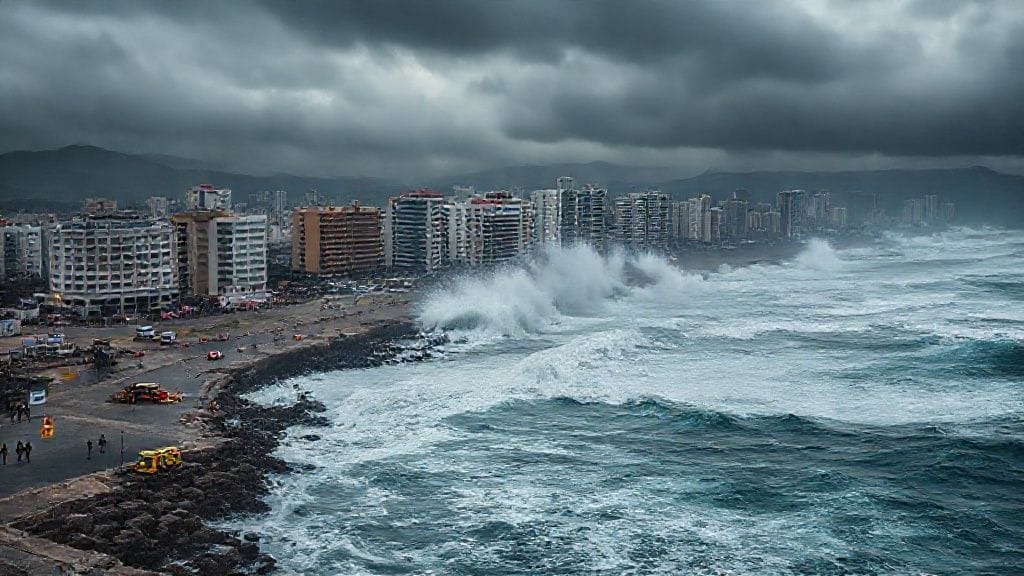
At approximately 21:15, the tsunami hit the shorelines of northern Chile. The first wave reached heights of up to 2.11 meters in Iquique, with variations along the coast due to underwater topography and coastal geometries. It surged into ports, marinas, and coastal streets, sweeping away docks, fishing boats, and infrastructure. The force tore apart piers, flooded residential areas, and fractured the calm sea into violent roars of crushing water and debris. The ocean, usually a source of life and livelihood, transformed into an uncontrollable juggernaut. Amazingly, casualties were limited — a testament to Chile’s growing expertise in disaster readiness — but the psychological shock reverberated just as powerfully.
Stories from the Frontline: Witnesses Speak of Fear and Courage
Eyewitness accounts bring a deeply human dimension to this natural disaster. Maria Alvarez, a schoolteacher in Iquique, recalled the moment vividly: “The ground shook like a giant’s breath. Then the sirens screamed, and we gathered the kids, many trembling. We ran up the hills, hearts pounding. I’d never seen the sea pull back like that—it felt like the ocean was angry, revealing its bones.” Similarly, fisherman Diego Rojas described abandoning his boat amidst the swirling waves, clutching to floating debris until rescuers arrived. Such testimonies reveal not just the destruction but also resilience and the power of community in moments of crisis.
The Aftermath: Rescue Efforts Amid Chaos
Following the tsunami’s withdrawal, emergency crews dispatched swiftly to assess damage and rescue those trapped or injured. Hospitals braced for an influx of trauma cases; temporary shelters opened their doors; volunteers mobilized logistics for food, water, and medical supplies. Despite the damage, the lack of major loss of human life was a relief, but the work was far from over. Power outages, communication blackouts, and blocked roads complicated operations, but the spirit of solidarity pervaded every effort. The disaster response highlighted Chile’s evolution in emergency management since the catastrophic 2010 Maule earthquake and tsunami further south.
Infrastructure Devastated: Ports, Roads, and Homes Transformed
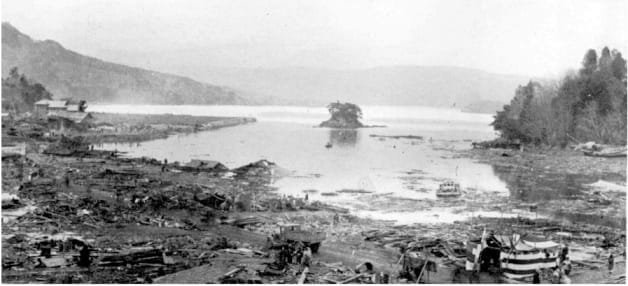
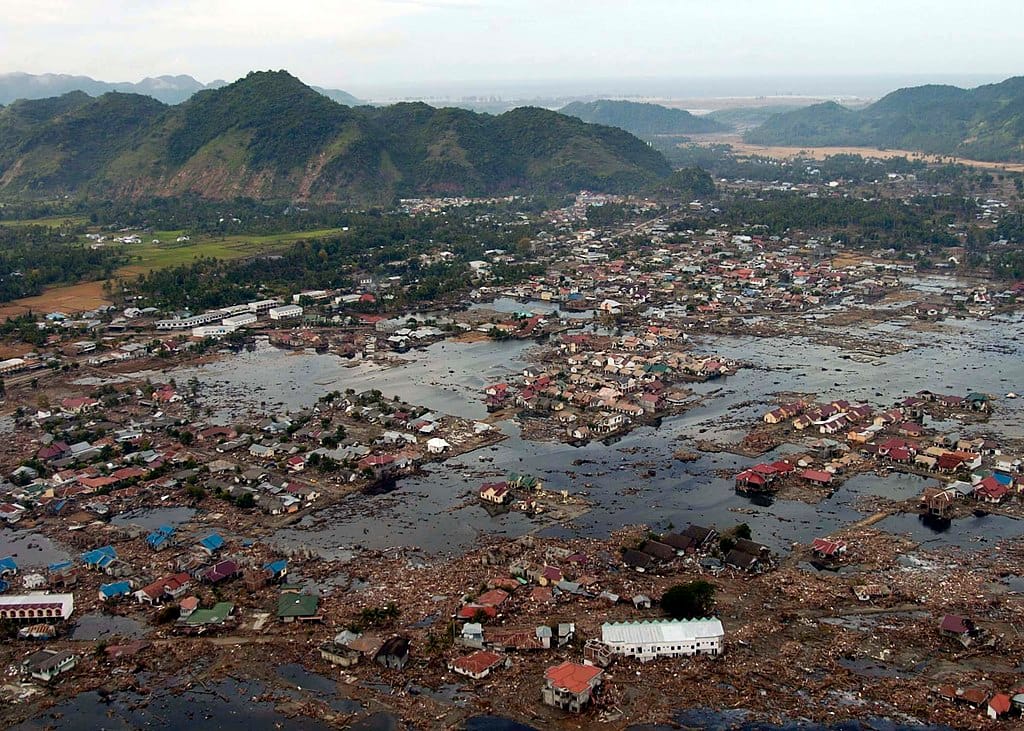
The tsunami left a costly bill etched into the very fabric of coastal infrastructure. The ports of Iquique and Pisagua suffered significant damage, with docks unstable or destroyed, crippling fishing and commercial activities temporarily. Roads along the shoreline buckled under the combined force of quake tremors and seawater corrosion. Countless homes, especially in poorer neighborhoods along the coast, were flooded or structurally compromised. Rebuilding required careful engineering to mitigate future risks, blending modern technology with lessons from the past. The visible scars were a stark reminder that nature’s wrath spares little.
Chile’s Emergency Response: Lessons Learned and Protocols Tested
Chile’s experience with repeated natural disasters afforded it a robust emergency framework led by ONEMI and the Navy’s Hydrographic and Oceanographic Service (SHOA). Following the 2014 event, official reports hailed the efficiency of early warnings and coordination but also pointed to areas for improvement — such as faster communication to remote areas and enhanced public education on tsunami signs. The event became a catalyst for refining evacuation routes, raising community awareness, and investing in new technology such as expanded seismic sensor networks. The balance between confidence in preparedness and humility before nature’s unpredictability was a pervasive theme in post-crisis evaluations.
Economic Ripples: The Cost of a Natural Catastrophe
Beyond the immediate physical damage, the tsunami rippled through northern Chile’s economy. Iquique, a hub for mining export and fishing industries, experienced disrupted supply chains and temporary port closures, affecting exports of copper and seafood. Small businesses along the coast faced losses from property damage and decreased consumer activity. The government allocated emergency funds and engaged international loans for reconstruction, emphasizing not only physical repair but long-term economic resilience. Though the damage estimate ran into hundreds of millions of dollars, Chile’s diversified economy and proactive policies cushioned a potentially more severe downturn.
Environmental Toll: The Sea and Shores in the Wake of Destruction
Natural disasters disturb ecosystems as much as societies. The tsunami altered marine habitats in the nearshore areas, displacing sediments, damaging coral-like benthic communities, and polluting waters with debris and contaminants swept from land. Coastal flora suffered erosion and structural damage. Environmental scientists undertook surveys to monitor recovery and plan mitigation strategies. The event underscored the link between human activity and environmental vulnerability, sparking debates over sustainable coastal development and conservation efforts.
Rebuilding Hope: Community and Government Collaboration
In the weeks and months following, rebuilding efforts took shape, blending top-down and grassroots initiatives. Local communities organized clean-ups, rebuilding projects, and psychological support groups. Government programs aimed to restore infrastructure with improved standards to withstand future events. International agencies provided expertise and financial assistance while Chile itself shared its experience with global partners. The process was a testament to collective resilience, a beacon of hope emerging from the floodwaters.
The Scientific Significance: Insights Gained for Future Preparedness
For seismologists and oceanographers, the Iquique tsunami offered valuable data on the behavior of subduction earthquakes and tsunami wave propagation in the region. Detailed analyses refined models predicting how similar events might unfold, helping improve early-warning precision. The event also contributed to global understanding of mid-range magnitude tsunamis — those that are devastating but not the colossal megaquakes that dominate popular imagination. This scientific legacy will help save lives and property in an increasingly vulnerable world.
Chile’s Tsunami History: A Legacy of Waves and Resilience
Chile’s history is deeply intertwined with the power of the sea and the inevitability of earthquakes. From the colossal 1960 Valdivia earthquake and tsunami, the most powerful recorded on Earth, to smaller regional catastrophes, the nation has built a culture of preparedness that balances dread with hope. The 2014 Iquique tsunami was another chapter in this ongoing saga — reminding Chileans of the precarious balance between human ambition and nature’s forces.
International Support: Solidarity Across Borders
Following the disaster, countries and international organizations extended offers of aid and solidarity. Rescuers from neighboring Peru and Bolivia sent supplies and personnel; the United Nations and Red Cross mobilized humanitarian assistance; experts from Japan and the United States offered technical support in tsunami modeling. This outpouring symbolized a shared vulnerability and a shared commitment to confronting natural disasters through cooperation.
The Psychological Landscape: Trauma, Memory, and Healing
Beyond physical reconstruction, the tsunami left emotional and psychological footprints. Communities grappled with trauma from the sudden upheaval while also drawing strength from collective memory and cultural narratives of survival. Counseling services and community healing programs became vital components of recovery. In schools and town halls, storytelling became a tool to process fear and to honor the lives affected. This human dimension enriched Chile’s post-disaster responses and fostered resilience deep in the social fabric.
How Iquique Remembers April 1, 2014
Commemorations continue annually in Iquique, blending solemn remembrance with celebrations of resilience. Memorial plaques, art installations, and community events keep the tsunami’s lessons alive for new generations. Educational programs teach children about disaster preparedness through the stories of their parents and grandparents. In this continued dialogue between past and future, the city ensures the event is not forgotten — but transformed into a guide toward safer horizons.
Broader Implications: Tsunami Preparedness Worldwide
The Iquique tsunami is a global lesson in preparedness and humility. As coastal populations swell worldwide and climate change threatens sea levels, understanding tsunamis has never been more urgent. Chile’s experience enriches the international discourse on emergency communication, community resilience, and scientific innovation. The event invites us all to respect the ocean’s dual beauty and menace, and to act collectively against nature’s inevitable challenges.
Conclusion
April 1, 2014, etched a profound chapter in the story of Iquique and of Chile itself. The 8.2 magnitude earthquake and ensuing tsunami shattered the calm of the Pacific coast but revealed a deep well of human tenacity and solidarity. While the sea’s fury laid waste to infrastructure and lingered in memories, it also galvanized communities and governments toward renewed vigilance and hope. In the face of nature’s colossal power, the people of Iquique demonstrated a timeless truth: resilience is born not merely from surviving calamity, but from learning, adapting, and standing unified afterward. The tide that broke on that April evening swept away much—but it also carried forward the spirit of a nation determined to live in harmony with the restless Earth beneath their feet.
FAQs
1. What caused the April 2014 Iquique tsunami?
The tsunami was triggered by a powerful magnitude 8.2 earthquake resulting from the subduction of the Nazca Plate beneath the South American Plate along Chile’s northern coast.
2. How much time did coastal residents have to evacuate?
Evacuation time varied; some communities had around 20 to 30 minutes between the earthquake and tsunami waves, while others had less due to proximity to the epicenter and coastal geography.
3. Were there many casualties from the event?
Thanks to early warnings and efficient evacuations, casualties were relatively limited, with no major loss of life reported.
4. What kind of damage did the tsunami cause?
The tsunami damaged ports, roads, homes, and fishing infrastructure, leading to economic disruption especially in fishing and export industries.
5. How did the Chilean government respond?
The government swiftly activated emergency protocols, mobilized rescue and relief operations, and later focused on rebuilding with improved safety standards.
6. What lessons did the 2014 tsunami teach?
Key lessons included improving communication to remote areas, refining early warning systems, and reinforcing public education about tsunami risks.
7. How is the event remembered today in Iquique?
The tsunami is commemorated annually through memorials, educational programs, and community events focusing on resilience and preparedness.
8. What is the broader significance of the Iquique tsunami globally?
The event contributed valuable scientific data on mid-sized tsunamis and underscored the importance of global cooperation in disaster preparedness and response.