Table of Contents
- The Silent Surge: Dawn Breaks Over the Atacama Coast
- The Calm Before the Unseen Fury
- Geological Forces Beneath the Pacific: The Roots of Disaster
- November 11, 1922: The Earth Trembles Under Chile
- From Earthquake to Wave: The Birth of the Tsunami
- The Wave’s Deadly Journey to Copiapó
- The Human Toll: Lives Shattered by the Atacama Tsunami
- Chile’s Emergency Response and Community Resilience
- Scientific Understanding in 1922: Limits and Revelations
- Global Awareness of Tsunamis: A Historical Context
- The Aftermath: Rebuilding in a Landscape Altered
- The Economic Impact on Chile’s Northern Regions
- Memory and Myth: How the Tsunami Entered Local Lore
- Modern Reflections: The 1922 Atacama Tsunami in Contemporary Science
- Human Stories from the Waves: Testimonies and Letters
- Advances in Tsunami Warning Systems Inspired by Past Tragedies
- The Role of Geography: Why Atacama’s Coastline Was Vulnerable
- Comparative Disasters: The Atacama Tsunami Amid Other Historic Tsunamis
- Enduring Lessons from Nature’s Fury
- Preserving History: Archives, Memorials, and Education in Chile
The Silent Surge: Dawn Breaks Over the Atacama Coast
On the morning of November 11, 1922, the sun rose gently over Chile’s Atacama Desert, spilling golden light across barren sands and the restless Pacific Ocean. Along the rugged coastline near Copiapó, fishermen prepared their boats, children played along the shore, and merchants opened their shops. There was a fragile tranquility—intense yet deceiving—a quiet before the unleashed power of violent nature. The sea, seemingly endless and serene, was about to transform into a ravenous force that would ignite fear and chaos, leaving an indelible scar on this corner of the world.
The Calm Before the Unseen Fury
For those who knew the ocean’s temper, the early hours held no warning. No dramatic winds or darkening skies signaled disaster. The Pacific whispered its secrets gently. Fishermen, accustomed to the predictable patterns of tides and currents, noticed nothing unusual aside from a subtle trembling of the earth beneath their feet. To most, it was a mere curiosity, soon forgotten.
Yet beneath the surface, the tectonic plates simmered. The subduction zone off the Chilean coast—the boundary where the Nazca Plate slides beneath the South American Plate—was destined to release pent-up energy in a violent rupture.
Geological Forces Beneath the Pacific: The Roots of Disaster
Chile sits on one of the planet’s most seismically active fault lines known as the “Ring of Fire.” The Nazca Plate, oceanic and dense, inexorably dives beneath the lighter continental crust of South America, causing massive geological pressures. This subduction process is responsible for some of the most powerful earthquakes ever recorded.
In 1922, this geological tension reached a breaking point near the Atacama region. A powerful thrust earthquake struck offshore. Measuring approximately 8.5 on the Richter scale—a magnitude capable of devastating coastal cities—the quake was the harbinger of an ominous tsunami.
November 11, 1922: The Earth Trembles Under Chile
At 1:00 PM local time, the ground shook violently along Chile’s northern coast. Buildings swayed, windows shattered, and ancient adobe walls groaned under the strain. The people of Copiapó, a town nestled near the edge of the desert and the ocean, experienced the quake as a fierce and terrifying event.
For many, this earthquake was their first real encounter with natural disaster; there were no early warning systems or seismographs inline with modern standards. Confusion and panic spread quickly as aftershocks rattled the region.
From Earthquake to Wave: The Birth of the Tsunami
The earthquake’s epicenter—the subterranean rupture that displaced millions of tons of earth—triggered a deadly phenomenon. Enormous underwater landslides and vertical displacement of the ocean floor thrust seawater upward, setting off waves that raced outward in all directions.
These waves, the tsunami, were unlike ordinary ocean waves. Towering and fast-moving, they grew in height as they approached shallow coastal waters. The calm sea was replaced by monstrous walls of water that would crash onto the shorelines with devastating force.
The Wave’s Deadly Journey to Copiapó
Within minutes, the first wave reached the shores near Copiapó and neighboring towns. Some eyewitnesses described the sea withdrawing dramatically—a fleeting moment of eerie calm as the ocean receded miles from its normal reach. Then came the furious onrush.
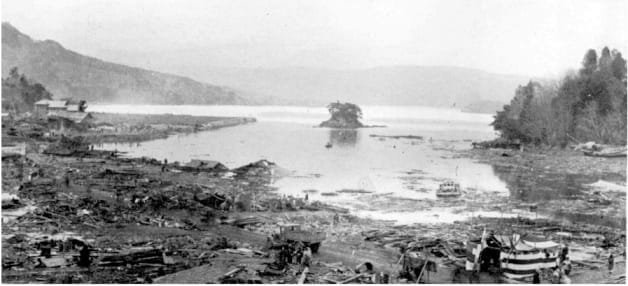
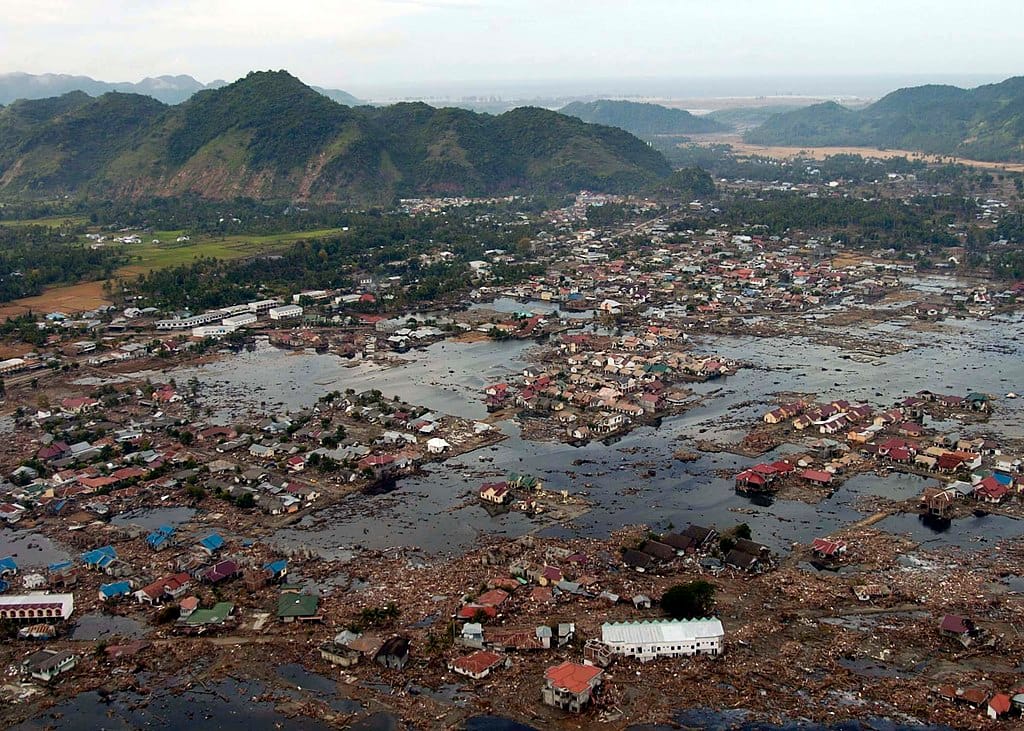
The waves surged inland, swallowing homes, markets, and everything else in their path. The water was muddy and violent, tearing up streets and uprooting trees, mixing with debris that transformed the tsunami into a rolling catastrophe.
The Human Toll: Lives Shattered by the Atacama Tsunami
Though exact numbers remain uncertain due to the remoteness of the region and limited historical records, the 1922 Atacama tsunami claimed hundreds of lives. Families were torn apart; survivors recounted harrowing escapes or the loss of loved ones swept away by currents.
Victims included fishermen whose small boats capsized, children who vanished amidst the chaos, and communities whose homes were obliterated. The tragedy left an emotional and psychological impact that endured for generations.
Chile’s Emergency Response and Community Resilience
In the wake of the disaster, local authorities rapidly mobilized. Despite limited infrastructure and communication, neighbors united to rescue survivors, recover bodies, and provide shelter to the displaced. Makeshift hospitals treated the injured, and relief efforts eventually reached from Santiago to the affected areas.
This resilience in the face of catastrophe shaped a collective spirit of endurance. Chileans, long accustomed to earthquakes, learned once again the necessity of solidarity and preparedness.
Scientific Understanding in 1922: Limits and Revelations
At the time, scientific knowledge of tsunamis was still developing globally. Chilean scientists and geologists were among pioneers observing the Pacific’s violent temperament. Yet, technology and communications were insufficient to track or predict such waves comprehensively.
The 1922 tsunami inspired empirical studies into the mechanics of subduction earthquakes and their resulting waves, contributing data that scientists would analyze in the following decades.
Global Awareness of Tsunamis: A Historical Context
While tsunamis had devastated communities across the Pacific for centuries—the 1883 Krakatoa tsunami being a poignant example—the early 20th century lacked coordinated international efforts for mitigation or study.
The Atacama event occurred during an era when much of the world was still unaware of the tsunami’s deadliness outside anecdotal accounts. This disaster would help accentuate the importance of studying seismic hazards for coastal regions.
The Aftermath: Rebuilding in a Landscape Altered
With homes destroyed and livelihoods upended, rebuilding the Atacama coast was a monumental task. Mud, debris, and saltwater had rendered fertile land unusable, while fishing communities faced the challenge of repairing or replacing vessels.
Government aid, though limited, combined with grassroots efforts revived the region slowly. Reconstructed infrastructure sought to better withstand future quakes and floods, planting seeds of modern disaster preparedness.
The Economic Impact on Chile’s Northern Regions
The regional economy, dependent on mining, agriculture in sparse oases, and fishing, suffered great blows. Ports were damaged, halting trade temporarily, and fishing stocks were depleted or unreachable as ecosystems were disrupted.
The disaster underscored the vulnerability of Chile’s northern economic zones to natural catastrophes, prompting discussions on diversification and risk management.
Memory and Myth: How the Tsunami Entered Local Lore
Over time, the 1922 tsunami became more than just a historical event; it transformed into a symbol of nature’s unpredictable fury in local storytelling and cultural memory. Songs, tales, and communal remembrances carried the lessons forward.
Elders recounted the event as a cautionary tale, ensuring subsequent generations would respect the ocean’s power and remain vigilant.
Modern Reflections: The 1922 Atacama Tsunami in Contemporary Science
Today, thanks to advances in seismology, sonar mapping, and early-warning systems, tsunamis like the one in 1922 can be better anticipated. Retrospective studies of the Atacama tsunami provide invaluable insights into the frequency and magnitude of seismic events in that region.
Chile’s commitment to disaster science owes part of its trajectory to experiences like Copiapó’s tragedy.
Human Stories from the Waves: Testimonies and Letters
Among archival treasures are survivors’ letters and personal testimonies that breathe humanity into statistics. A fisherman’s letter describes his desperate effort to save his son lost at sea; a mother’s account of sheltering neighbors highlights community bonds.
These narratives reveal the emotional fabric often invisible in official reports.
Advances in Tsunami Warning Systems Inspired by Past Tragedies
The 1922 disaster, alongside other Pacific tsunamis, spurred international cooperation, leading eventually to tsunami warning centers. Chile was instrumental in developing protocols to alert populations, combining technology and education.
These measures now save lives, embodying hard-won lessons learned from catastrophe.
The Role of Geography: Why Atacama’s Coastline Was Vulnerable
The physical terrain—steep cliffs, shallow bays, and narrow beaches—amplified the tsunami’s impact. Unlike wide, open coastlines, Atacama’s geography funneled the water with deadly precision.
Understanding this geographic susceptibility has influenced urban planning and coastal management policies ever since.
Comparative Disasters: The Atacama Tsunami Amid Other Historic Tsunamis
When placed beside other infamous waves—the 1946 Aleutian Islands tsunami, 1960 Chile earthquake and tsunami, and 2004 Indian Ocean tsunami—the 1922 event occupies an important yet often overlooked chapter.
It sits at the crossroads of early 20th-century natural disasters that shaped modern global awareness.
Enduring Lessons from Nature’s Fury
The Atacama tsunami is a stark reminder of the planet’s uncontrollable forces and humanity’s fragile place within them. It compels continuous respect, preparation, and humility in the face of nature.
Its lessons echo still: vigilance, preparedness, and community are paramount.
Preserving History: Archives, Memorials, and Education in Chile
Chile has taken steps to honor the memory of the 1922 tsunami through museums, archives, and educational programs. Memorials on the coast serve as somber reminders and symbols of resilience.
They ensure that the tragedy and its lessons remain alive, informing the collective national conscience.
Conclusion
The Atacama tsunami of November 1922 stands as a haunting testament to nature’s sudden, inexorable power and the vulnerability of human societies to forces beyond control. Beyond the death and destruction, it is also a story of resilience, community, and evolving understanding. The desert’s harsh lands and the restless ocean conspired in tragedy, yet the surviving communities rose from the waves, shaped their destinies, and contributed to a growing body of knowledge that saves lives today.
This event’s human echoes—fear, loss, hope, courage—remind us that history is not merely dates and numbers but the lived experience of people facing the extraordinary. The lessons forged on the shores of Atacama continue to resonate, inspiring vigilance and respect for the unpredictable earth beneath our feet and the infinite ocean at our doorstep.
FAQs
Q1: What caused the 1922 Atacama tsunami?
A1: The tsunami was triggered by a powerful magnitude 8.5 earthquake caused by the subduction of the Nazca Plate beneath the South American Plate off northern Chile’s coast. The sudden displacement of the ocean floor generated massive waves that struck the coastline.
Q2: How many people were affected by the tsunami?
A2: While precise figures are uncertain, hundreds of people lost their lives, and thousands were impacted through injuries, displacement, and economic loss, especially in communities around Copiapó and the Atacama coastline.
Q3: What was Chile’s response to the disaster in 1922?
A3: Local authorities and communities mobilized quickly despite limited resources, providing rescue and relief. Over time, efforts to rebuild infrastructure better equipped for disasters began, although scientific and emergency response capabilities were still in early stages.
Q4: How did this tsunami influence tsunami science?
A4: The event contributed important data to early tsunami studies, highlighting the link between subduction earthquakes and tsunamis and underscoring the need for warning systems, which Chile and other Pacific Rim countries later developed.
Q5: Is the Atacama region still vulnerable to tsunamis today?
A5: Yes. Due to its location along an active subduction zone, the Atacama coast remains at risk. Chile has implemented advanced monitoring systems to mitigate future disasters.
Q6: How is the 1922 tsunami remembered in Chilean culture?
A6: The tsunami is preserved through stories, memorials, and educational programs that emphasize resilience and respect for nature’s forces. It remains a poignant episode in local and national history.
Q7: How does the geography of the Atacama coast affect tsunami impact?
A7: The region’s steep cliffs, narrow bays, and shallow coastal waters concentrate tsunami energy, often exacerbating flooding and destruction compared to broader coastlines.
Q8: What role did international understanding of tsunamis play after this event?
A8: The Atacama tsunami increased awareness of the need for global collaboration on tsunami research and early warning, eventually contributing to Pacific-wide initiatives.