Table of Contents
- The Calm Before the Storm: Coastal Life in Early 20th Century Chile
- Chile’s Seismic Legacy: A Nation on the Ring of Fire
- December 1, 1928: A Morning Shattered
- The Earthquake at Talca: Tremors That Changed Everything
- Tsunami Genesis: The Silent Menace Unfolds
- Descent of the Waves: The Tsunami Hits Talca and Constitución
- Human Stories Amidst the Roar: Journeys of Survival and Loss
- The Immediate Aftermath: Chaos, Rescue, and Desperation
- State and Community Response: Aid and Reconstruction Efforts
- The Science Behind the Disaster: Understanding the Earthquake-Tsunami Connection
- Economic Disruption: The Toll on Chile’s Coastal Economy
- Cultural Impact: How the Catastrophe Shaped Collective Memory
- Lessons Learned: Policy Changes and Disaster Preparedness
- International Reactions and Comparisons with Previous Tsunamis
- Lasting Legacies: Memorials and Reminders in Chilean Society
- Revisiting the 1928 Talca–Constitución Tsunami Through Modern Eyes
- The Role of Oral Histories: Preserving Personal Accounts
- How the Tsunami Influenced Chilean Seismology and Engineering
- Environmental Consequences: Coastal Changes and Ecosystem Impact
- The Human Spirit: Stories of Hope, Courage, and Renewal
The Calm Before the Storm: Coastal Life in Early 20th Century Chile
In the southern stretch of Chile, where the Pacific Ocean kisses long sandy beaches and the cold winds sweep down from the Andes, life moved rhythmically in the early decades of the 20th century. The towns of Talca and Constitución, nestled along the coast, were modest communities poised between the lush landscapes of central Chile and the vastness of the sea. Here, fishing boats dotted the harbors, merchants traded fruit and grains, and families lived quietly with the steady pulse of the ocean as their constant companion.
This was a time before modern technology had fully revealed the volatile undercurrents beneath the earth’s surface. The ocean was both a sustainer and a mysterious force — a vast expanse holding power few dared to contemplate in its full might. Yet, unknown to many, the peace was deceptive. The land beneath their feet, forged by millions of years of tectonic collisions, was a reservoir of immense tension, silently waiting for the moment to release its energy.
Chile’s Seismic Legacy: A Nation on the Ring of Fire
Chile’s geography places it squarely on the Pacific “Ring of Fire,” an arc famed for its intense volcanic and seismic activity. The interactions between the Nazca and South American tectonic plates have shaped a country where earthquakes are recurrent, often devastating. By 1928, Chileans were no strangers to tremors and quakes, but each disaster brought new shocks, revealing the raw force of nature and the fragility of human settlements.
The region around Talca and Constitución was no exception. With its proximity to active fault lines and the abyssal trenches offshore, the land bore the scars and whispered warnings of previous geological upheavals. Yet scientific understanding was still in a nascent phase. Instruments were rudimentary, communication slow. Preparations for large-scale natural disasters were minimal, and coastal communities, reliant on fishing and maritime trade, were especially vulnerable to the combined forces of sea and earth.
December 1, 1928: A Morning Shattered
The morning of December 1st started like any other, with fishermen setting out to sea and villagers beginning their daily routines. The sky was cool and clear, offering a deceptive serenity. Then, without warning, the ground began to shudder violently beneath Talca. For many, the moment was surreal — buildings swayed and cracked, the earth groaned as if in pain.
The earthquake struck with a magnitude that would later be estimated around 7.6 to 7.9 — powerful enough to upend the landscape and ignite fear throughout the region. But the shaking was only the preamble to a far grimmer spectacle. Residents quickly realized that the earth’s tremors had also triggered something far deadlier: a giant tsunami rolling in from the Pacific, destined to devastate the coastline.
The Earthquake at Talca: Tremors That Changed Everything
The epicenter, occurring near the coast between Talca and Constitución, initiated a violent rupture along the subduction zone. The ground's violent undulations toppled chimneys, shattered windows, and split roadways. The quake lasted nearly a minute — an eternity in which normality ceased to exist.
Eyewitness accounts later described a mixture of confusion and dread. “The earth felt alive, like a beast twisting beneath us,” recalled an elderly farmer. This vivid metaphor encapsulated the sheer terror gripping the population. The quake’s intensity left many trapped under rubble, while others instinctively rushed to higher ground, fearing floods.
Tsunami Genesis: The Silent Menace Unfolds
What made this event especially catastrophic was its dual nature. The submarine earthquake displaced massive volumes of water, generating a tsunami that raced toward Chile’s coastline. Unlike the ground shaking, the gathering waves remained mostly invisible to those caught in their path, a looming threat that would soon become overwhelmingly apparent.
As the ocean floor abruptly shifted, water columns surged upward and outward in powerful waves, traveling at speeds over 500 km/h in deep waters. To the untrained eye, the sea momentarily appeared to retreat far from the shore — an ominous sign unnoticed by many who lived along the coastline.
Descent of the Waves: The Tsunami Hits Talca and Constitución
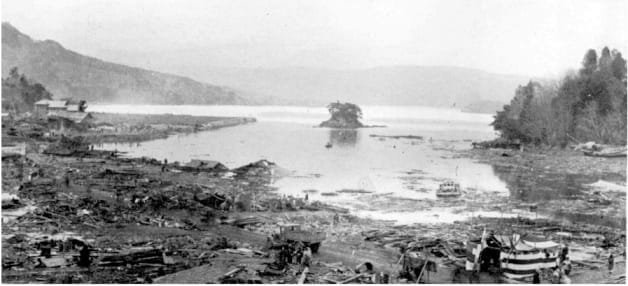
Minutes later, the anticipation was shattered by the roar of the ocean returning in massive, unstoppable walls of water. The tsunami struck with brutal force, engulfing low-lying areas and sweeping debris, boats, animals, and people into the churning water.
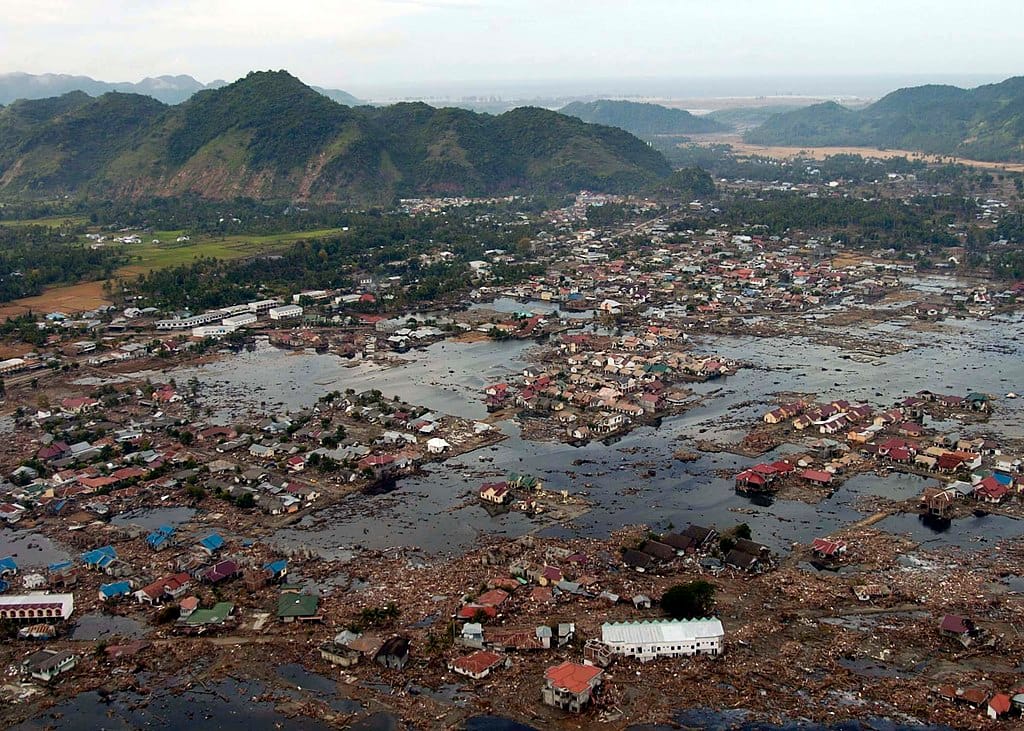
In Constitución, a bustling port town, the flooding was so swift that escape was impossible for many. Entire neighborhoods were inundated as homes collapsed under the pressure of the floodwaters. In Talca, the effects were similarly devastating, with parts of the town submerged and infrastructure destroyed.
Eyewitness testimony captures harrowing moments: “My family and I climbed the hill as the waters rose… looking back, the village was swallowed like a sandcastle in a storm.”
Human Stories Amidst the Roar: Journeys of Survival and Loss
Behind the numbers and geological facts lie deeply human stories. One survivor, Maria Fernandez, recounted watching helplessly as the family boat was torn from its moorings, forcing her brother to swim desperately to safety. Another, a young schoolteacher named Carlos Vega, heroically led students to the hills before helping disoriented neighbors find shelter.
Losses were staggering: estimates suggest that hundreds perished in the waters, drowned or crushed beneath debris. But intertwined with tales of sorrow were those of incredible courage—neighbors rescuing one another, strangers sharing food, and communities rallying to restore order amid chaos.
The Immediate Aftermath: Chaos, Rescue, and Desperation
When the shaking ceased and the waters slowly receded, a grim landscape emerged. Entire blocks were leveled, vital infrastructure crippled, and the injured strewn across open fields and makeshift shelters. Communication with inland areas was disrupted, exacerbating the scale of confusion.
Rescue efforts were limited initially by a lack of resources and knowledge. Local authorities improvised, using whatever means possible to tend to the wounded and recover the dead. The tension between despair and hope was palpable throughout the battered towns.
State and Community Response: Aid and Reconstruction Efforts
The Chilean government, confronted with mounting reports of devastation, mobilized military and medical units to the region. Supplies, including food, clothing, and medical equipment, were dispatched from Santiago and surrounding areas. Yet the scale of destruction and the region’s rugged terrain slowed relief efforts.
More remarkable was the resolve of the people themselves. Communal solidarity became the backbone of recovery, with survivors organizing to clear debris, erect temporary shelters, and share scarce resources. Reconstruction plans were drafted with a new awareness of the destruction natural disasters could unleash.
The Science Behind the Disaster: Understanding the Earthquake-Tsunami Connection
The 1928 Talca-Constitución event offered critical insights into the dynamic relationship between earthquakes and tsunamis. Scientists noted the correlation between the earthquake's magnitude, the displacement of the seafloor, and the generation of the tsunami waves.
This led to advancements in seismology and oceanography in Chile, spurring efforts toward early detection and risk mapping. The disaster underscored the urgent need for public education and readiness in coastal areas, lessons that resonate even today in tsunami-prone regions worldwide.
Economic Disruption: The Toll on Chile’s Coastal Economy
The damage inflicted went beyond human tragedy. Talca and Constitución, both important centers for fishing, timber, and trade, lost critical infrastructure: ports, boats, markets, and warehouses were destroyed or rendered unusable. The economic impact rippled through the local and regional economy.
Fishermen saw their livelihoods swept away overnight. Markets could not function, transport routes were disrupted, and the cost of reconstruction strained local budgets. Recovery took years, highlighting the vulnerability of economies dependent on fragile coastal industries.
Cultural Impact: How the Catastrophe Shaped Collective Memory
In Chilean culture, the Talca-Constitución tsunami became a touchstone of resilience and tragedy. Stories passed through generations emphasized both the forces of nature and the strength of community. Folk songs and oral histories preserved memories, ensuring that children learned of ancestors lost and lessons won.
The event earned a somber place in national consciousness, shaping literature, art, and eventually governmental policy toward disaster preparedness. For many Chileans, it became a reminder: the sea’s beauty belies its capacity for destruction.
Lessons Learned: Policy Changes and Disaster Preparedness
The catastrophe prompted crucial reflection among Chilean authorities and scientists. Policy shifts aimed at mitigating future disasters included improved building codes, establishment of rudimentary warning systems, and urban planning that considered seismic and tsunami risk zones.
While technological limits of the time constrained some measures, the groundwork laid after 1928 contributed to faster responses in subsequent earthquakes and tsunamis, helping save thousands of lives in the decades to follow.
International Reactions and Comparisons with Previous Tsunamis
News of the Talca-Constitución tsunami reached beyond Chilean borders, drawing attention from geologists and disaster experts worldwide. Comparisons were made with other notable tsunamis, such as the 1923 Great Kanto earthquake tsunami in Japan, highlighting shared vulnerabilities across Pacific rim nations.
International collaboration in seismology and tsunami research was influenced by such events, fostering an understanding that these natural disasters transcended national boundaries and required scientific cooperation.
Lasting Legacies: Memorials and Reminders in Chilean Society
Today, monuments in Talca and Constitución solemnly commemorate those lost in 1928, while museums preserve artifacts and narratives. Annual remembrance ceremonies bring communities together, honoring the past while reinforcing the imperative of vigilance.
These memorials serve a dual purpose: they keep the memory of the tragedy alive and inspire continued respect for natural forces, reminding all Chileans of the fine line between survival and loss.
Revisiting the 1928 Talca–Constitución Tsunami Through Modern Eyes
Modern technology has allowed researchers to revisit the 1928 event with greater precision—using seismograph analyses, tsunami modeling, and geological surveys. These efforts have refined understanding of the quake’s mechanics and the tsunami’s behavior, providing valuable data for contemporary risk assessment.
Furthermore, advances in communication and early warning systems now give coastal communities tools that survivors of 1928 could only have imagined, potentially preventing a repeat of such catastrophe.
The Role of Oral Histories: Preserving Personal Accounts
Much of what we know about human experience during the tsunami comes from oral histories. Interviews and testimonies collected in the decades following the disaster provide invaluable perspectives, capturing emotion, perception, and resilience beyond official reports.
These narratives keep alive the voices of those directly touched by tragedy, humanizing history and ensuring that statistics never overshadow the reality of lived experience.
How the Tsunami Influenced Chilean Seismology and Engineering
Post-1928, Chile invested significantly in seismology and engineering research. The disaster illuminated the need for earthquake-resilient infrastructure and better prediction methods. Universities expanded geological programs, and engineers pioneered building techniques now standard in seismic zones.
This event helped position Chile as a leader in earthquake preparedness, influencing policies not only domestically but in other countries vulnerable to similar threats.
Environmental Consequences: Coastal Changes and Ecosystem Impact
Beyond human destruction, the tsunami altered coastlines, shifted sediment deposits, and affected marine and coastal ecosystems. Saltwater intrusion damaged agriculture, while debris and pollutants displaced wildlife.
Ecologists note that such upheavals, while devastating, also reshaped habitats over time, creating new ecological dynamics along the Chilean coast.
The Human Spirit: Stories of Hope, Courage, and Renewal
Ultimately, the 1928 Talca–Constitución tsunami is a testament to human perseverance. Amid tragedy, communities rebuilt lives, strengthened bonds, and adapted to an environment of uncertainty.
Their stories remind us that even in the face of nature’s fiercest expressions, hope endures, nourished by courage, solidarity, and the will to survive.
Conclusion
The Talca–Constitución tsunami of December 1, 1928, was more than a geological event; it was a profound human tragedy and a crucible of resilience that forever changed Chile’s relationship with its environment. From the initial shaking of the earth to the deadly waves that swept away homes and lives, the disaster revealed both the awe-inspiring power of nature and the indomitable spirit of communities bound by hardship.
This event forced Chile to confront its vulnerabilities, laying the foundation for advances in science, policy, and culture that have since saved lives and shaped national identity. The stories of loss and survival echo across generations, urging continual reflection on how humanity must adapt to a planet perpetually in motion.
In remembering the Talca–Constitución tsunami, we honor not only those who endured its fury but also the enduring hope that emerges when people come together to rebuild and renew.
FAQs
1. What caused the Talca–Constitución tsunami in 1928?
The tsunami was triggered by a powerful submarine earthquake along the Chilean coast, which displaced large volumes of water, creating massive waves that struck the towns.
2. How severe was the earthquake that preceded the tsunami?
Estimates suggest the earthquake had a magnitude between 7.6 and 7.9, strong enough to cause widespread structural damage.
3. How many people were affected or lost their lives due to the tsunami?
While precise numbers remain uncertain, hundreds are believed to have died, and many more were injured or displaced across Talca, Constitución, and neighboring areas.
4. What were the main challenges in the immediate rescue and recovery efforts?
Limited communication, infrastructure damage, and lack of preparedness hampered rapid response, relying heavily on local and government mobilization in trying conditions.
5. How did the disaster influence Chile’s approach to disaster preparedness?
It led to important policy shifts including improved building codes, early warning systems, and scientific research into earthquakes and tsunamis to better predict and respond to future events.
6. Are there memorials in Chile that commemorate this disaster?
Yes, in both Talca and Constitución, monuments and annual commemorations remember those lost and educate communities on disaster awareness.
7. How does the 1928 tsunami compare to other tsunamis in Chilean history?
While devastating, the 1928 event was one among several major Chilean tsunamis in history, each contributing to evolving understanding and preparedness in the region.
8. What lessons from the 1928 tsunami are relevant today?
The event underscores the need for continued investment in monitoring systems, public education, and resilient infrastructure to mitigate risks in a seismically active world.