Table of Contents
- Before the Roar: Pisco's Quiet Morning
- The Wave Approaches: First Warning Signs
- The Tsunami Unleashed: Chaos on the Coast
- Immediate Aftermath: A City in Shock
- The Earthquake That Spawned the Wave
- Human Stories Amidst Nature’s Wrath
- Government Response: Mobilization and Missteps
- International Aid: A Global Call to Action
- Infrastructure Devastated: Roads, Ports, and Homes
- Economic Blow: Impact on Peru’s Heartland
- Scientific Insights: Understanding the Pisco Tsunami
- Cultural Resilience: How Pisco Rose from the Waves
- Lessons Learned: Disaster Preparedness and Warning Systems
- Commemoration and Memory: Honoring the Lost
- The Pisco Tsunami in Global Context: A Reminder of Nature’s Power
Before the Roar: Pisco’s Quiet Morning
On the crisp morning of August 15, 2007, the city of Pisco, bathed in golden sunlight, prepared for another day rooted in tradition and coastal life. Vendors set up their stalls; fishermen headed to the port, their boats bobbing gently in the calm Pacific waves. Families gathered for desayuno in modest homes, unaware that by late morning, their tranquil world would be transformed forever. The air held a deceptive stillness, a fragile calm before an unimaginable storm.
Pisco’s streets, adorned with colonial architecture and the aroma of roasted coffee, were soon to echo with the screams, the chaos, and the heartbreaking silence left in the wake of a natural catastrophe. The sea, so vital to the city’s lifeblood, was about to turn against it with a fury both swift and merciless.
The Wave Approaches: First Warning Signs
Around 11:40 AM, the earth beneath Pisco convulsed violently—a powerful earthquake ruptured the serene morning, shaking buildings and toppling structures with a deafening roar. But for many, the earthquake was not the only threat. Far off the coast, an ominous swell began to gather—almost invisible against the churning sea, yet destined to grow into a wall of water that would engulf everything in its path. The local monitoring stations alerted authorities, but the lack of a formal tsunami warning system compounded the peril.
Residents who lived by the coast instinctively tried to move to higher ground, guided by generations of oral histories passed down from survivors of previous tsunamis. Yet many were caught unprepared, and confusion spread as the monstrous wave crept closer.
The Tsunami Unleashed: Chaos on the Coast
Minutes felt like eons. As the first surge of the tsunami slammed into Pisco’s shoreline, it carried destruction with brutal efficiency. The wave, reaching heights of up to 9 meters in certain spots, swept through neighborhoods, drowning homes, dragging vehicles and boats inland like toys, and pulverizing everything in its path.
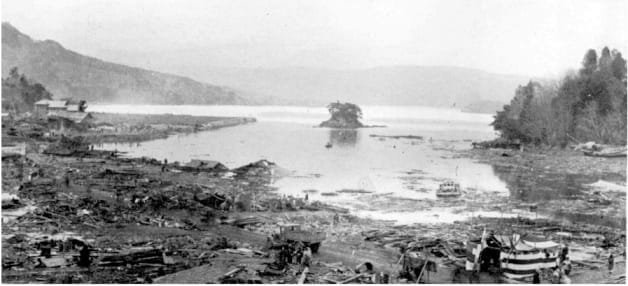
Witnesses later spoke of a sea that seemed alive—raging, howling, devastating. "The water came faster than anyone could run," one survivor recalled, tears streaking her dust-covered face. The port, once the hub of commerce and life, was transformed into a lagoon of twisted metal and shattered dreams. For over ten minutes, nature held its merciless grip, reshaping the city's geography and its people's destinies.
Immediate Aftermath: A City in Shock
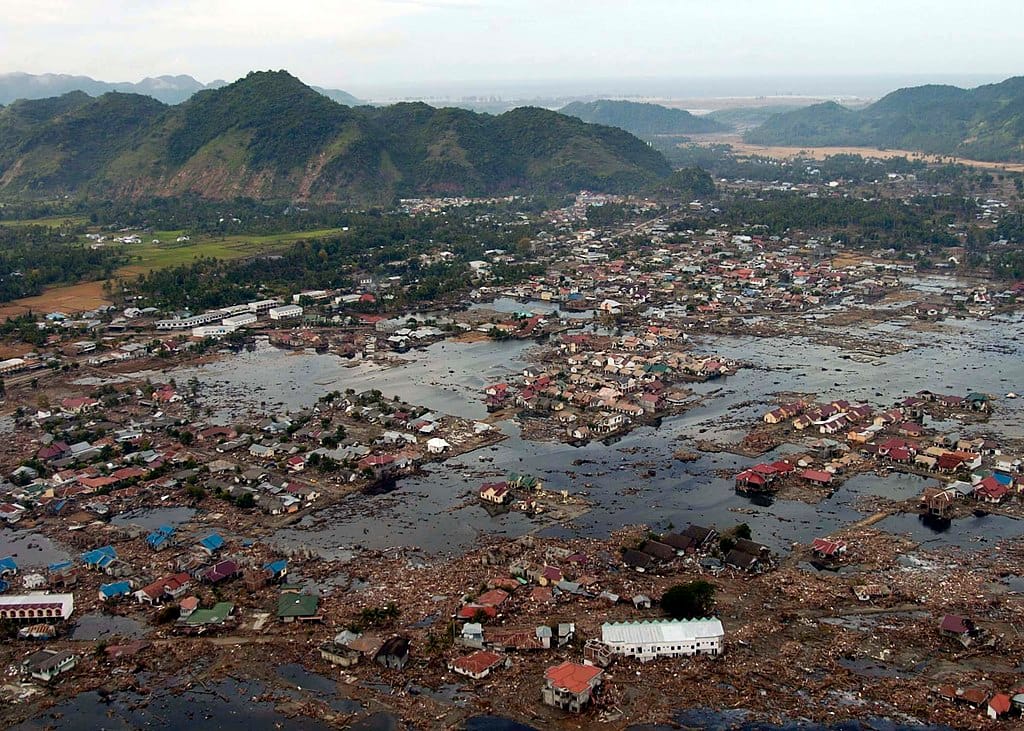
When the waters receded, they revealed a scene of utter destruction. Entire districts lay in ruins. Hospitals, schools, and historic buildings — some centuries old — had either collapsed or were severely damaged. More than 500 lives had been lost, and thousands were injured or displaced.
The silence after the chaos was deafening. Emergency responders struggled to reach survivors. Makeshift shelters sprang up amid the rubble, where people huddled, mourning and searching desperately for missing loved ones. In the midst of despair, the spirit of community ignited—a force as powerful as the tsunami itself.
The Earthquake That Spawned the Wave
The Pisco earthquake, registering 8.0 on the Richter scale, originated along the boundary of the Nazca and South American tectonic plates—one of the most seismically active regions in the world. This megathrust quake ruptured over 200 kilometers of the Peru coastline, releasing pent-up geological pressure built up over centuries.
While earthquakes had been frequent in the region, the magnitude and resulting tsunami were unexpectedly severe. Seismologists noted that the unique underwater topography amplified the wave, funneling it toward Pisco and nearby coastal towns with devastating consequences.
Human Stories Amidst Nature’s Wrath
Amid the statistics and ruins, individual stories emerged—each human life marked by courage, loss, or remarkable survival.
One fisherman, José Valdez, was at sea when the quake struck. Watching from his boat as his hometown was engulfed by water, he would later recall the sight as "a nightmare below the waves." Miraculously, José managed to navigate turbulent waters back to shore, later joining relief efforts to organize search parties.
In contrast, a young girl named María survived by clinging to the branches of a tree as her neighborhood flooded. Her story became emblematic of hope amid devastation, inspiring volunteers and donors around the country.
Government Response: Mobilization and Missteps
In the hours following the catastrophe, the Peruvian government faced immense challenges. Military units were deployed for rescue operations, while temporary hospitals and shelters were set up. However, logistical hurdles, such as damaged roads and communication breakdowns, hindered coordination.
Criticism arose over delayed warnings and insufficient preparedness. Emergency systems, designed for quakes but not for ensuing tsunamis, faltered. Yet, the government’s swift declaration of a national disaster and appeals for international assistance ultimately galvanized support.
International Aid: A Global Call to Action
The world watched as images of Pisco’s destruction spread. Countries including the United States, Chile, Mexico, and members of the European Union sent aid—ranging from medical teams and supplies to financial assistance.
Non-governmental organizations mobilized volunteers and relief goods. The international community’s response underscored how disasters transcend borders, forging a sense of shared humanity amid tragedy.
Infrastructure Devastated: Roads, Ports, and Homes
The tsunami’s impact on infrastructure was catastrophic. The Panamericana Sur highway, a vital artery linking the region, was torn apart, disrupting trade and mobility. Pisco’s port, once bustling with fishing vessels and cargo ships, was rendered unusable.
Homes, many constructed without modern anti-seismic standards, collapsed or were washed away entirely. Over 70,000 people were left homeless, facing a harsh Andean winter months away from basic amenities.
Economic Blow: Impact on Peru’s Heartland
Pisco, an economic hub for wine production, fishing, and tourism, suffered a severe downturn. Vineyards flooded; fisheries lost boats and gear. The tourism sector, reliant on the region’s natural beauty and historical attractions, faced a steep decline as visitors stayed away in the aftermath.
The ripple effects were felt beyond Pisco, affecting supply chains and regional economies dependent on its output. Rebuilding cost hundreds of millions of dollars, placing strain on Peru’s national budget and local livelihoods.
Scientific Insights: Understanding the Pisco Tsunami
In the wake of the disaster, scientists intensified research into the seismic and oceanographic phenomena that sparked the tsunami. Studies revealed that underwater landslides triggered by the earthquake amplified wave heights.
This newfound understanding led to improvements in Peru’s tidal monitoring and early warning systems, integrating satellite technology and international data sharing. Pisco became a case study in the global effort to mitigate tsunami risks in vulnerable coastal zones.
Cultural Resilience: How Pisco Rose from the Waves
Despite the devastation, Pisco’s inhabitants demonstrated remarkable resilience. Community gatherings, cultural festivals, and traditional celebrations resumed within months, acting as catalysts for healing.
Local artists, musicians, and writers channeled collective grief into creative expression, preserving memory and fostering unity. Reconstruction efforts were infused with a sense of pride and determination—a testament to human tenacity in the face of nature’s cruelty.
Lessons Learned: Disaster Preparedness and Warning Systems
The 2007 Pisco tsunami became a turning point for Peru’s approach to disaster management. Authorities instituted nationwide public education campaigns about tsunami awareness, evacuation routes, and emergency kits.
Crucially, the government invested in a comprehensive early warning network, including coastal sirens and communication protocols, aiming to ensure no community faced nature’s fury unprepared again. This progress reshaped policy and influenced disaster response strategies across South America.
Commemoration and Memory: Honoring the Lost
Each year, Pisco holds memorial ceremonies to honor the victims of August 15, 2007. Monuments and plaques commemorate those who perished, serving as sober reminders of the event’s human cost.
Survivors’ groups share stories publicly, educating younger generations and keeping the city’s collective memory alive. These acts of remembrance affirm both sorrow and solidarity, ensuring the tsunami’s lessons endure.
The Pisco Tsunami in Global Context: A Reminder of Nature’s Power
While not as globally renowned as the 2004 Indian Ocean tsunami, the Pisco tsunami remains a crucial chapter in the history of natural disasters. It highlights the vulnerability of coastal communities worldwide and the necessity of preparedness.
In a world grappling with climate change and increasing environmental uncertainty, the Pisco event stands as a powerful reminder that resilience requires both human empathy and scientific vigilance. It is a story of loss—but also of hope, renewal, and respect for the forces that shape our planet.
Conclusion
The Pisco tsunami of 2007 was more than a natural disaster—it was a profound human drama unfolding amid the unpredictable fury of the Earth itself. As the monstrous wave tore through the city, it etched into the hearts of survivors a timeless lesson about fragility, strength, and community. The scars it left on the landscape and its people remain, but so too does a renewed understanding of our place within nature’s vast, indifferent power.
Today, Pisco stands as a symbol of resurrection, showing the world that even after the darkest tidal wave, humanity’s capacity to rebuild, remember, and rise anew endures. The echoes of that fateful day reverberate beyond Peru, whispering a caution, a vigil, and ultimately a testament to the indomitable spirit of life.
FAQs
Q1: What caused the 2007 Pisco tsunami?
The tsunami was triggered by an 8.0 magnitude earthquake along the Nazca and South American tectonic plates, which caused underwater landslides that generated the destructive waves.
Q2: How many people were affected by the tsunami?
Over 500 people lost their lives, thousands were injured, and more than 70,000 were left homeless, with widespread damage to homes and infrastructure.
Q3: Was there a tsunami warning system in place before the event?
No comprehensive tsunami warning system existed in Peru at that time, which contributed to the high human toll. The disaster prompted significant improvements in warning technologies afterwards.
Q4: What was the government’s response?
The government declared a national disaster, mobilized military units for rescue, set up temporary shelters, and requested international aid, though initial coordination faced challenges.
Q5: How did the Pisco tsunami influence disaster preparedness in Peru?
It spurred the development of a national tsunami warning system, public education on evacuation procedures, and enhanced inter-agency cooperation for more effective disaster response.
Q6: What are some personal stories from survivors?
Stories include José Valdez, a fisherman who witnessed the destruction from sea, and María, a young girl who survived by clinging to a tree. Such accounts reflect resilience amidst tragedy.
Q7: How did the tsunami impact Peru's economy?
Key industries like fishing, wine production, and tourism suffered severe setbacks, leading to long-term economic difficulties in the affected regions.
Q8: How is the tsunami commemorated today?
Annual memorials, monuments, survivor testimony, and cultural events help preserve the memory of the disaster and educate new generations.