Table of Contents
- The Night the Ocean Roared: A Prelude to Disaster
- The Geological Origins: Understanding Pacific Plate Dynamics
- The Alaskan Earthquake that Echoed Across the Pacific
- The Birth of a Tsunami: From Seafloor to Shoreline
- Hilo’s Calm Before the Storm: A Community Unaware
- The First Waves: Signs Ignored and Warnings Missed
- The Tsunami Hits Hilo: Devastation Unfolds
- The Human Face of Tragedy: Stories of Loss and Survival
- Emergency Response: Chaos, Courage, and Solidarity
- The Aftermath: Damage Assessment and Initial Reactions
- Scientific Breakthroughs: The Tsunami Warning System Is Born
- Cultural Memory: How Hilo Remembered the 1964 Tsunami
- Rebuilding Hilo: Resilience in the Wake of Destruction
- The Global Impact: Lessons from the Pacific’s Fury
- Tsunamis Today: Technology, Preparedness, and the Legacy of 1964
- Reflection on Nature’s Fury: The Fragility and Strength of Coastal Communities
- Conclusion: The Enduring Echo of the 1964 Hilo Tsunami
- FAQs: Answering the Most Pressing Questions about the 1964 Hilo Tsunami
- External Resource
- Internal Link
The Night the Ocean Roared: A Prelude to Disaster
On the evening of March 27, 1964, as darkness settled over the Pacific Northwest, few could have anticipated the cataclysmic events set to ripple through the ocean and devastate communities thousands of miles away. The earth beneath Alaska convulsed violently, unleashing a seismic force of almost incomprehensible magnitude. This was the Great Alaska Earthquake—an event registered with a staggering magnitude of 9.2, the most powerful ever recorded in North America and the second largest globally. Yet, the raw power beneath the surface was only the beginning; the real destruction would find its way to far-off shores, crashing into the tranquil Pacific community of Hilo, Hawaii, in the predawn hours of March 28.
Imagine standing by the midnight shoreline, the ocean seemingly calm, moonlight casting a silvery sheen on the waves. No one could have guessed that a giant wall of water was plummeting toward them after traveling over 2,000 miles in a relentless rush. As the tsunami struck, it tore through the heart of Hilo, transforming a peaceful island town into a scene of destruction and heartbreak. This is the story of the 1964 Hilo tsunami, a disaster that forever changed not only the landscape but the very way humans understand and prepare for the fury of nature.
The Geological Origins: Understanding Pacific Plate Dynamics
To grasp the full magnitude of the 1964 tsunami, one must begin beneath the ocean’s waves, at the ever-shifting tectonic plates that border the Pacific Ring of Fire. The Pacific Plate, a massive slab of Earth’s crust, glides under the North American Plate along a boundary spanning thousands of kilometers. This subduction process, deadly in its potential, is nature’s way of relieving accumulated strain from millions of years of crustal movement.
On March 27, a rupture initiated along this precarious fault near Prince William Sound, Alaska. The earth’s crust fractured, unleashing pent-up energy accumulated over centuries. The sudden vertical displacement of the seabed thrust water upward with tremendous force, initiating a series of tsunami waves. These waves, traveling initially at speeds approaching 500 miles per hour in the deep ocean, carried the power of a natural disaster across vast expanses of the Pacific.
This geological setting was anything but unique to Alaska. The Pacific Basin, home to volcanic islands, deep ocean trenches, and active faults, has long been a landscape shaped by violent seismic activity. But the scale and suddenness of this event—the Good Friday earthquake—sent shockwaves far beyond its epicenter. The forces unleashed were destined for shores thousands of miles away, including the vulnerable coastline of Hawaii.
The Alaskan Earthquake that Echoed Across the Pacific
The 1964 Alaska earthquake struck at 5:36 PM local time, reverberating for over four minutes—a monstrous duration for an earthquake. Towns were flattened, infrastructure shattered, and the ground cracked and sunk in places. However, while the immediate devastation was tragic, scientists at the time were only beginning to comprehend the tsunami’s potential—not just near Alaska, but across the entire Pacific Basin.
As early as minutes after the quake, seismic stations detected the event, and warnings were hurriedly sent out to coastal regions. Yet, in 1964, the understanding of tsunami dynamics was rudimentary and the communication network patchy, especially for distant islands like Hawaii.
In the hours that followed, monitoring stations recorded the arrival of unusual waves in the ocean, but many dismissed them as minor disturbances. What they could not imagine was that these waves were a deadly swell, growing in height as they approached shallow coastal waters.
The Birth of a Tsunami: From Seafloor to Shoreline
Tsunamis form when large volumes of water are displaced rapidly. In this case, the undersea earthquake lifted sections of the seafloor by several meters in seconds, pushing billions of tons of water upward and outward in all directions. This "wave train" radiated across the Pacific Ocean, invisible and nearly undetectable on the deep ocean surface, where long wavelengths often measure hundreds of kilometers, but amplitudes remain barely noticeable.
However, as the tsunami approached shallower waters near land, the wave speed decreased dramatically. The ocean floor began to act as a funnel, compressing energy into waves that grew in height and fury. This phenomenon is what turned a gentle swell into a towering, destructive wall of water.
For the island of Hawaii, situated over 2,000 miles from the earthquake’s epicenter, this meant a delay of several hours—time that should have been enough to prepare and evacuate, but wasn’t fully utilized, to tragic effect.
Hilo’s Calm Before the Storm: A Community Unaware
Hilo, the largest settlement on the Big Island of Hawaii, was a town defined by its connection to the ocean. Fishing fleets, bustling ports, and serene beaches gave life to daily routines governed by tides and waves. Late on March 27, residents went about their lives in relative calm, unaware that their world was about to be irrevocably altered.
Unlike today, with sophisticated warning systems and broad public awareness, the 1964 tsunami caught many by surprise. Early warning sirens did not exist, and while seismic reports had traversed the globe, the link between the distant earthquake and imminent local danger remained unclear to most locals.
Only the keen eyes of fishermen and a handful of scientists sensed something unusual when initial small waves arrived. Unfortunately, this was dismissed by many as a typical ocean phenomenon or an error in measurements.
The quiet of the night was shattered in the early hours of March 28 when the real tsunami struck—a terrifying wakeup call that turned Hilo’s tranquil shoreline into a zone of chaos and destruction.
The First Waves: Signs Ignored and Warnings Missed
Before the largest waves crashed ashore, smaller surges trickled into harbors and river mouths, strange and puzzling in their unpredictability. Fishermen and harbor workers reported unusual water behavior: the sea receded dramatically from the beach—a classic but often misunderstood sign of an approaching tsunami.
In other parts of the Pacific, authorities scrambled to issue warnings based on seismic and oceanographic data. In Hawaii, the delay in recognizing the tsunami’s severity meant that few official warnings made it to the general public before tragedy struck.
The community's familiarity with gentle waves bred complacency; some even returned to the shore out of curiosity or to investigate. This deadly misunderstanding sealed the fate of many.
The Tsunami Hits Hilo: Devastation Unfolds
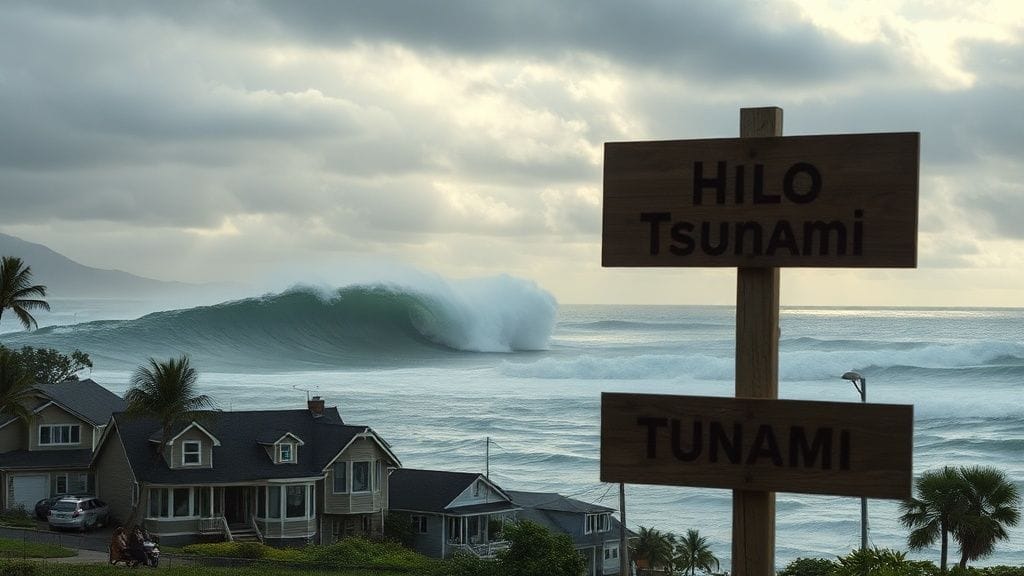
At approximately 6:30 AM on March 28, towering walls of water surged into Hilo Bay, pushing with relentless force through streets, homes, and businesses. The harbor, once a peaceful hub of maritime activity, became a maelstrom where boats were tossed like toys and debris drowned the streets.
Wave crests reached as high as 55 feet at certain points—massive, unstoppable, and merciless. Entire neighborhoods were submerged within minutes; families were swept from their homes; lives lost in heartbreaking separations between shore and shelter.
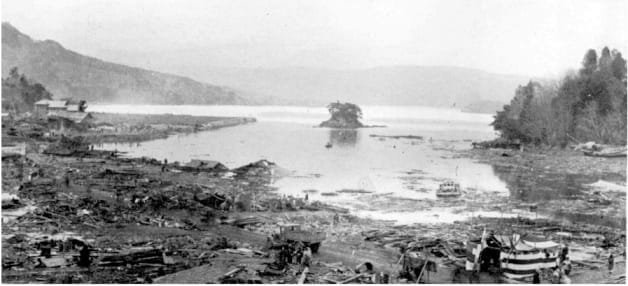
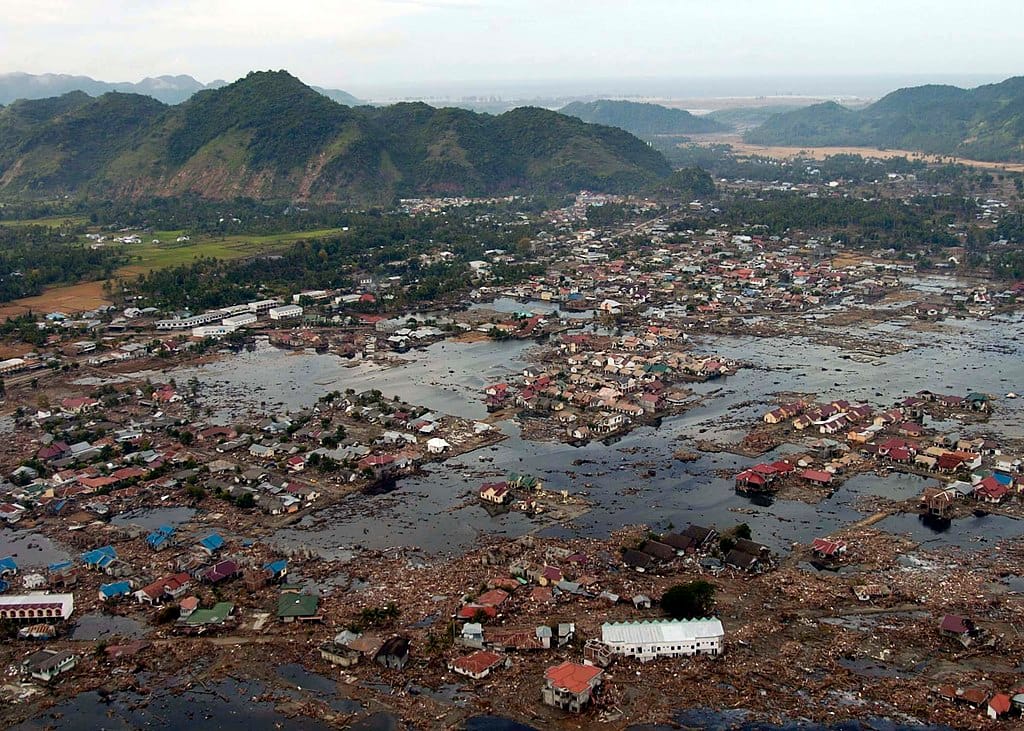
The damage was catastrophic. Buildings, many of them constructed from wood, were splintered or washed away. Infrastructure—roads, bridges, utilities—was severely compromised, rendering rescue efforts difficult.
But amid the destruction were stories of remarkable courage and survival. Neighbors rallied, strangers helped strangers, and amid the brine and rubble, humanity showed its resilience.
The Human Face of Tragedy: Stories of Loss and Survival
Behind every statistic lies a personal story. The death toll eventually reached 61 in Hilo alone, including fishermen caught at sea and families overwhelmed by the sudden surge of water. Yet countless others endured harrowing escapes.
One fisherman, launching his boat in the early hours, noticed the ocean draining from the shore and managed to head into open water, surviving the towering waves that later pulverized the harbor. Another family, awoken by the rising waters, fled to higher ground by foot through flooded streets, only narrowly escaping the tsunami’s grasp.
These narratives punctuate the abstract horror of natural disasters with the raw, human drama of courage, loss, and survival.
Emergency Response: Chaos, Courage, and Solidarity
In the immediate aftermath, Hilo’s emergency services were overwhelmed. Communications were compromised; roads were impassable. However, police, firemen, and volunteers worked tirelessly to enforce evacuations, coordinate aid, and save lives.
Military units stationed nearby mobilized quickly, and nearby communities sent help. Makeshift shelters filled with displaced families, the Red Cross and other charities deployed resources, and the island’s medical facilities faced a surge in injured patients.
This collective effort formed the backbone of Hilo’s survival and eventual recovery, highlighting both the vulnerabilities and strengths of human societies facing nature’s wrath.
The Aftermath: Damage Assessment and Initial Reactions
When the sun rose fully, illuminating the shattered landscape, the scale of destruction stunned residents and officials alike. Over 528 homes were destroyed, and much of the downtown area was leveled or irreversibly damaged. The harbor, vital to Hilo's economy, was in ruins.
Economically, the impact was profound: fisheries, a primary source of income, were decimated; trade halted. Psychologically, the trauma rippled deeply through a community whose sense of safety had been shattered.
Media coverage, both local and international, brought attention to the tragedy, but also to the urgent need for better preparedness and understanding of tsunamis.
Scientific Breakthroughs: The Tsunami Warning System Is Born
The horrors of March 1964 sparked a revolution in tsunami science and safety. Up until then, warning systems were unreliable or nonexistent despite known risks.
In the years following, scientists developed the Pacific Tsunami Warning Center (PTWC) in Hawaii, an institution dedicated to monitoring seismic activity and ocean waves, capable of sending timely alerts to at-risk regions.
Technological advances such as deep-ocean pressure sensors (DART buoys) and expanded seismic networks have since become standard, saving countless lives worldwide. The legacy of Hilo’s tragedy is a system that transformed panic into preparation.
Cultural Memory: How Hilo Remembered the 1964 Tsunami
In Hilo today, the memory of the tsunami remains vivid. Monuments stand to honor victims; annual commemorations remind citizens and visitors alike of nature’s power and fragility.
Art, literature, and oral histories preserve the narrative, ensuring the event isn’t relegated to forgotten history. Schools incorporate tsunami education; evacuation routes are clearly marked; sirens tested regularly.
This cultural memory serves not only as homage but as a tool for resilience and vigilance in a region still vulnerable to future disasters.
Rebuilding Hilo: Resilience in the Wake of Destruction
Reconstruction was slow and sometimes painful but fueled by a collective determination. Urban planners redesigned parts of Hilo with greater attention to tsunami risk, zoning laws were adapted, and new building codes introduced.
Economic diversification efforts aimed to reduce the town’s vulnerability to natural disasters. Infrastructure was modernized, and public awareness campaigns flourished.
The rebirth of Hilo is a testament to human adaptability, turning tragedy into lessons and hope.
The Global Impact: Lessons from the Pacific’s Fury
The 1964 tsunami was a grim reminder that distant events can have global repercussions. It catalyzed international cooperation in disaster monitoring and management.
Countries bordering the Pacific Rim formed alliances, sharing data and technology, knowing that tsunamis pay no heed to political borders.
It underscored the need for holistic disaster risk reduction strategies combining science, education, infrastructure, and community engagement.
Tsunamis Today: Technology, Preparedness, and the Legacy of 1964
Today’s tsunami warnings owe much to the painful lessons gleaned from Hilo and 1964. Satellite communications, GPS, and real-time data analytics have transformed early warning effectiveness.
Community drills, emergency protocols, and education are much more ingrained. Nonetheless, the unpredictability of nature requires constant vigilance.
As climate change alters oceanic patterns, understanding and respecting tsunamis remain paramount.
Reflection on Nature’s Fury: The Fragility and Strength of Coastal Communities
The 1964 Hilo tsunami is a dramatic symbol of humanity’s precarious existence amid natural forces beyond control. Yet, it also reveals people’s capacity for courage, solidarity, and adaptation.
Coastal communities worldwide continue to balance between the ocean’s generosity and its potential for destruction—a dance of precarious harmony.
Conclusion: The Enduring Echo of the 1964 Hilo Tsunami
The tsunami of March 1964 was more than a natural disaster; it was a crucible that forged new science, reshaped community awareness, and redefined humanity’s approach to oceanic threats. Hilo’s story is a powerful reminder of both vulnerability and resilience.
As waves rippled across the Pacific that night, they carried destruction—but also, eventually, hope. The lessons learned continue to safeguard lives, inspire innovation, and remind us that in the face of nature’s might, preparedness and community spirit light the way forward.
FAQs
1. What caused the 1964 Hilo tsunami?
The tsunami was triggered by the Great Alaska Earthquake, a magnitude 9.2 seismic event that caused sudden vertical displacement of the seafloor, generating massive waves that traveled across the Pacific Ocean to Hawaii.
2. How high were the tsunami waves that struck Hilo?
Waves reached heights up to approximately 55 feet (17 meters), causing widespread destruction.
3. Why was there little warning before the tsunami hit Hilo?
In 1964, tsunami warning systems were primitive or nonexistent. Communication delays and lack of public awareness contributed to the failure to adequately warn the Hawaiian population.
4. How many people died in Hilo because of the tsunami?
Sixty-one people lost their lives in Hilo during the 1964 tsunami.
5. What changes were made after the 1964 tsunami to prevent future disasters?
The Pacific Tsunami Warning Center was established, improving seismic and ocean monitoring, communication networks, and community preparedness programs.
6. How is the 1964 tsunami remembered in Hawaii today?
It is commemorated annually, with monuments and educational programs that keep alive the memory and lessons of the disaster.
7. Did the tsunami affect other parts of the Pacific?
Yes, it caused damage and casualties in parts of Alaska, California, Japan, and other Pacific islands, demonstrating the wide-reaching effects of such a powerful event.
8. What is being done now to better protect coastal communities from tsunamis?
Modern tsunami detection technology, public education, evacuation planning, and international cooperation have significantly improved preparedness and response capacities.