Table of Contents
- The Dawn of Disaster: A Quiet Morning Shattered
- The Seismic Tremor Beneath the Waves
- Unseen Forces: The Earthquake That Triggered the Tsunami
- The Gizo Region: Heart of a Fragile Archipelago
- The Arrival of the Wave: Panic and Chaos Unfold
- The Human Toll: Lives Lost and Communities Devastated
- Emergency Response: Local Heroes and International Aid
- Tales of Survival: Courage Amidst Ruin
- The Geography of Destruction: How Nature’s Fury Reshaped the Land
- Cultural Impacts: Shifts in Traditions and Collective Memory
- The Role of Warning Systems: A Message Lost in Time?
- Scientific Aftershocks: Lessons Learned for a Vulnerable Region
- International Cooperation: From Aid to Long-Term Resilience
- The Political Aftermath: Government Challenges and Policy Shifts
- Stories from Survivors: Personal Narratives of Loss and Hope
- Rebuilding Lives: Reconstruction Efforts and Community Renewal
- Environmental Consequences: Coral Reefs and Mangroves Under Threat
- Remembering April 2, 2007: Memorials and Commemorations
- The Solomon Islands Today: Living with the Legacy of the Tsunami
- Conclusion: Triumph of Spirit Amid the Ruins
- FAQs: Understanding the 2007 Solomon Islands Tsunami
- External Resource
- Internal Link
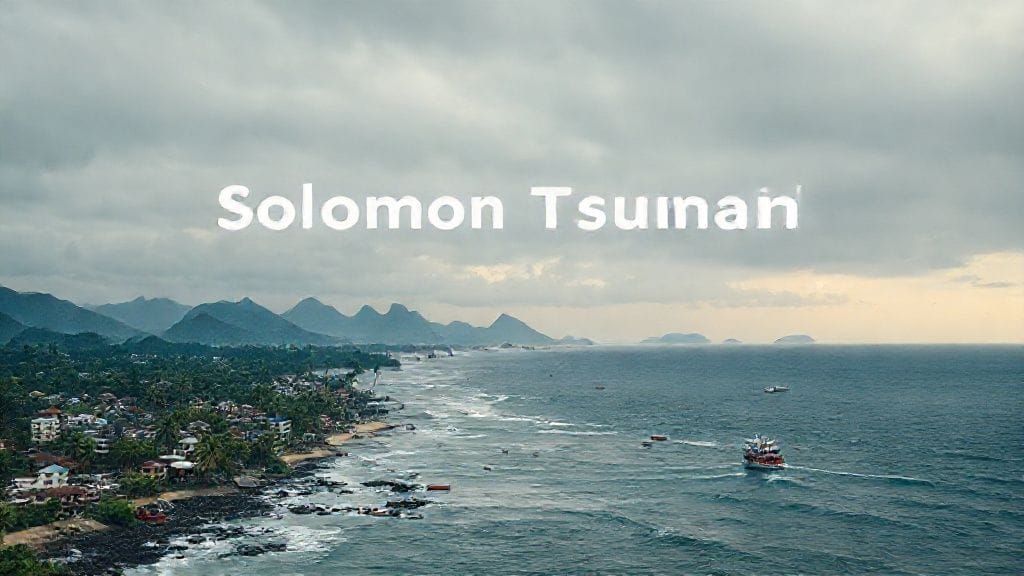
The Solomon Islands, a chain of emerald isles cloaked in swaying palms and vibrant reefs, seemed untouched by time on that early morning of April 2, 2007. The sun rose softly above the Gizo region, its golden light spilling over tranquil waters and sleepy villages scattered along the coast. Children laughed, women prepared meals, and fishermen readied their boats for the day's catch—life flowing in calm, predictable rhythms. But beneath the serene surface, the restless earth was stirring, quietly orchestrating one of the deadliest natural disasters in the recent history of the Pacific.
Suddenly, a low rumble, almost imperceptible at first, grew into a terrifying roar—a sequence of seismic pulses unraveling miles beneath the ocean floor. Within minutes, the ocean itself became a beast unleashed, sending a towering wall of water hurtling toward the shores of Gizo, wrecking homes, uprooting ancient trees, and leaving a scar that reshaped lives forever. This was no distant nightmare—it was the 2007 Solomon Islands tsunami, a brutal reminder of nature’s fragile balance and humanity’s enduring vulnerability.
In the heart of the Pacific Ocean, the Solomon Islands occupy a volatile geological crossroads. Situated along the Pacific “Ring of Fire”—a horseshoe-shaped belt notorious for earthquakes and volcanic activity—the 900-plus islands are no strangers to natural upheaval. Yet, much of the world’s attention typically drifts elsewhere, overshadowed by larger tragedies or geopolitical storms. The 2007 tsunami thrust these tranquil islands into global consciousness, exposing a story of immense human suffering, unyielding resilience, and complex geological forces.
The origins of the disaster trace back to a magnitude 8.1 earthquake, one of the strongest recorded in the region. Occurring beneath the seafloor near the New Georgia Islands, this seismic event generated violent undersea shifts that displaced colossal volumes of water. The energy unleashed traveled at jetliner speeds, yet struck the Solomon Islands within minutes, leaving no time for warning. The Gizo region, a cluster of islands renowned for their biodiversity and cultural richness, bore the brunt of the fury.
The tectonic interplay here is driven by the collision and subduction of the Australian Plate and the Pacific Plate. It is a realm where Earth's crust constantly folds, fractures, and rebirths—each movement a potential catastrophe or creation. But in April 2007, this restless plate tectonics did not birth a volcano; it birthed a deadly wave that would drown entire communities.
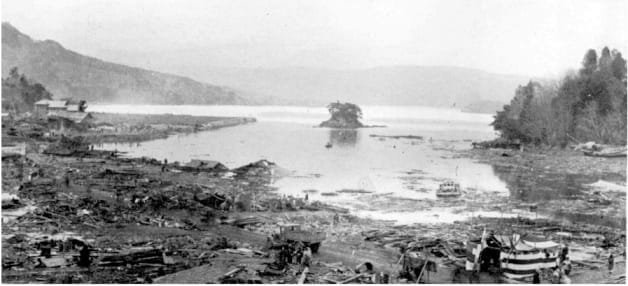
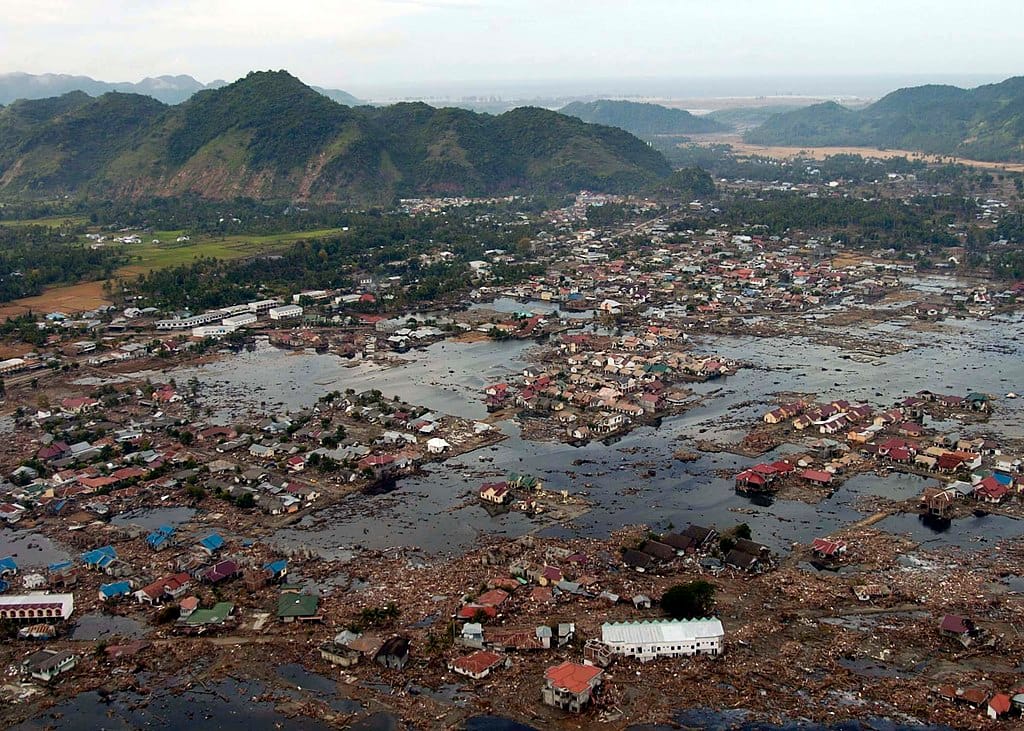
When the wave slammed into Gizo’s shores, the landscape itself seemed to scream. Houses made from local wood and coconut fibers, often clinging precariously near the waterfront, were pulverized. The force tore through villages like a scythe, swallowing everything in its path. Entire families vanished, friends were torn apart, and survivors clung desperately to fragments of wreckage or the high ground.
Among the hardest-hit locations was the town of Gizo itself, the bustling administrative center of the Western Province. Known for its vibrant markets and colorful festivals, Gizo’s streets were transformed into a scene of evacuation and despair. The tsunami was merciless in its reach—a cruel and sudden erasure of normal life. Some villagers, warned at the last moment by distant rumbles or the unnatural retreat of the sea, scrambled to safety. Others were not as fortunate.
Official tallies recorded scores of fatalities, with hundreds injured and thousands displaced. In an archipelago where infrastructure is already fragile, and access to healthcare limited, the disaster exposed vulnerabilities that extended beyond the immediate destruction. Entire communities lost their homes, crops, and fishing boats—the lifeblood of their survival.
The immediate aftermath was chaos intertwined with despair, but also acts of extraordinary courage.
Local communities—often isolated and lacking resources—rose with remarkable coordination to aid survivors. Traditional knowledge played a crucial role: elders guided their people to highlands, young volunteers organized search and rescue, and faith groups opened their doors for shelter and comfort. Even in the maelstrom, human solidarity shone through the darkness.
International aid soon followed. Countries from across the Pacific rim sent relief supplies, medical teams, and experts to assist in recovery and rebuilding. The United Nations, the Red Cross, and a multitude of NGOs arrived swiftly, but logistics were hampered by damaged ports, destroyed roads, and scattered populations. The Solomon Islands’ isolation—a beauty in peace—transformed into a challenge for aid distribution.
This blend of local resolve and global solidarity underscored the complex relationship between geography and human agency. As one survivor, a young fisherman named Samuel, recounted: “The sea was our friend and our enemy on that day. It took so much, but we took hope from each other.”
The scale of the natural destruction can hardly be overestimated. Some coastal areas were inundated by waves reportedly up to 10 meters high, reshaping shorelines and depositing debris far inland. Coral reefs, vital nurseries for fish and coastal defense, suffered breaks and sedimentation damage that would take years to heal. Mangrove forests, which serve a dual role as carbon sinks and natural buffers against future waves, were ravaged.
Scientifically, the tsunami became a window into the processes shaping not just the Solomon Islands, but the wider Pacific basin. Geologists studied the quake and wave patterns to better understand seismic hazards and improve early warning systems. Yet, the region’s remoteness and economic limitations underscored the difficulty in translating knowledge into protection.
The political repercussions rippled through the Solomon Islands’ government and civil society. In the wake of the disaster, authorities were forced to confront longstanding weaknesses in infrastructure, communication networks, and disaster preparedness. Policy reforms aimed at building resilience were proposed, but implementation struggled against economic constraints and political instability.
Furthermore, the event shuffled social dynamics. Displacement led to migrations between islands, shifting demographics and straining resources. Cultural rituals tied to ancestral lands faced interruption, and the collective psyche of the islanders was profoundly marked by trauma and loss.
Yet, amid the struggle, a renewed sense of identity and community cohesion emerged. Commemorations honoring the dead, storytelling sessions sharing survivor memories, and youth programs woven into the recovery process nurtured a collective healing.
Years after the event, the Gizo region has made strides toward recovery, but scars remain visible—in both landscape and soul. Rebuilding homes with reinforced materials, investing in tsunami awareness education, and diversifying livelihoods to mitigate dependency on fisheries and agriculture are pillars of ongoing resilience strategies.
The tsunami’s legacy extends beyond disaster; it is a lens through which we understand vulnerability and strength in the face of overwhelming natural forces. It reminds us that islands, however remote, are deeply connected to the restless pulse of the Earth.
Conclusion
The Solomon Islands tsunami of April 2, 2007, stands as a stark testament to the fragile relationship between humanity and the natural world. In those harrowing moments when the Earth ruptured beneath the waves, countless lives were irrevocably altered, landscapes rewritten, and futures reshaped.
Yet, beyond the destruction lies a story of remarkable human spirit. Communities bound by shared history and culture rallied amid loss, transforming grief into determination. International aid and local knowledge fused to rebuild not only homes but hope. The tsunami was a cruel chapter, yes, but it also sparked a deeper awareness—a call to respect, prepare, and live in harmony with the unpredictable powers of nature.
Today, as we reflect on the Gizo region’s journey through devastation to renewal, we are reminded that survival in the face of disaster is not just about geography or technology, but about humanity itself—its compassion, resilience, and unyielding will to prevail.
FAQs
Q1: What caused the 2007 Solomon Islands tsunami?
A1: The tsunami was triggered by a powerful 8.1 magnitude earthquake beneath the ocean near the New Georgia Islands. The seismic event displaced large volumes of water, creating a series of destructive waves that reached the Gizo region.
Q2: How many people were affected by the tsunami?
A2: Hundreds lost their lives, thousands were injured, and many thousands more were displaced. Precise figures vary, but the disaster profoundly impacted the Western Province’s population and infrastructure.
Q3: Were there any tsunami warning systems in place?
A3: At the time, the Solomon Islands had limited early warning capabilities. The speed of the tsunami’s arrival left little time for alerting residents, highlighting a critical need for improved detection and communication systems.
Q4: What were the main challenges in the disaster response?
A4: The island’s remoteness, damaged infrastructure, and scattered population made delivering aid and medical care difficult. Coordination between local authorities and international organizations was essential but complicated.
Q5: How has the Solomon Islands improved disaster preparedness since 2007?
A5: Efforts include installing better seismic monitoring equipment, educating communities on tsunami risk, reinforcing buildings, and developing evacuation plans tailored to the archipelago’s unique geography.
Q6: What cultural impacts did the tsunami have on local communities?
A6: The disaster disrupted traditional ways of life, forced migrations, and challenged ancestral connections to land. However, it also strengthened communal bonds and reinforced cultural practices centered on resilience and remembering.
Q7: What environmental damage was caused by the tsunami?
A7: Coastal ecosystems such as coral reefs and mangrove forests were severely damaged, affecting fisheries and natural coastal defenses, with recovery expected to take years.
Q8: How is the 2007 tsunami remembered today?
A8: Annual commemorations, memorials, storytelling events, and educational programs keep the memory alive, honoring those lost and reinforcing community awareness of natural hazards.