Table of Contents
- The Morning the Sea Turned Furious: A Moment Frozen in Time
- The Solomon Islands and Santa Cruz: An Archipelago on the Edge
- Tectonic Titans: Understanding the Pacific “Ring of Fire”
- The 2013 Tsunami’s Origins: When Earth Trembled Beneath the Waves
- A Cataclysm Unfolds: February 6th, 2013, The Day the Waves Attacked
- Eyewitness Accounts: Voices from the Eye of the Storm
- The Human Toll: Lives Lost, Homes Destroyed, Dreams Shattered
- Immediate Responses: Rescue, Relief, and the Spirit of Solidarity
- Government Actions and International Aid: Rallying Around a Crisis
- The Geography of Destruction: How Topography Shaped the Tsunami’s Impact
- Culture Shaken: Traditions and Communities Tested by Disaster
- Lessons from the Waves: Scientific Insights and Early Warning Challenges
- Rebuilding the Archipelago: Recovery Efforts and Long-Term Rehabilitation
- The Environmental Aftermath: Coral Reefs, Coastal Ecosystems, and Future Risks
- Memory and Resilience: How the Tsunami Shaped National Identity
- The Pacific’s Continuing Dance with Disaster: Preparing for Tomorrow
- The Global Context: How the Solomon Islands Tsunami Echoed Worldwide
- Personal Stories of Survival and Loss: Remembering the Invisible Heroes
- Technology and Hope: Advancements in Tsunami Detection Since 2013
- The Role of Media: Shaping Perceptions and Aid Responses
- Spiritual Reflections: The Intersection of Faith and Catastrophe
- The Psychological Impact: Trauma, Healing, and Community Bonds
- Building Back Better: Sustainable Development After the Waves
- Conclusion: From Tragedy to Tenacity – The Spirit of the Solomon Islands
- FAQs About the 2013 Solomon Islands Tsunami
- External Resource
- Internal Link
1. The Morning the Sea Turned Furious: A Moment Frozen in Time
On the dawn of February 6, 2013, the tranquil waters surrounding the Santa Cruz Islands in the Solomon Islands archipelago betrayed their calm façade. Without warning, a powerful earthquake three miles beneath the ocean floor set colossal forces into motion. Almost instantly, a towering wall of water surged ashore, sweeping away homes, uprooting memories, and changing lives forever. It was a day that shattered normalcy and thrust an entire community into a shared ordeal of loss, survival, and hope.
This moment remains etched in the collective memory of the Solomon Islands — a reminder of nature’s unpredictable fury and humanity’s enduring resilience. To understand this calamity is to read a story of intricate geology, vulnerable populations, heroic survival, and indomitable spirit.
2. The Solomon Islands and Santa Cruz: An Archipelago on the Edge
Nestled in the South Pacific, the Solomon Islands form an archipelago of nearly 1,000 islands, each embroidered with lush forests, vibrant coral reefs, and communities rich in culture and tradition. The Santa Cruz Islands, part of Temotu Province, lie on the southeastern edge of this chain, isolated yet intrinsically tied to the rhythms of the ocean and earth.
For generations, the islanders have harmonized their lives with the environment — fishing, farming, and weaving tales of ancestral spirits. But their idyll exists on a geological fault line, where the vast Pacific plate grinds against smaller tectonic pieces. This fragile balance makes the islands not only a paradise of biodiversity but also a hotspot for seismic activity.
3. Tectonic Titans: Understanding the Pacific “Ring of Fire”
The Solomon Islands sit amid one of Earth’s most volatile regions: the Pacific “Ring of Fire.” This horseshoe-shaped zone encircles the Pacific Ocean, where massive tectonic plates continuously converge, diverge, and slide past each other. These colossal movements shape volcanoes, earthquakes, and tsunamis that sculpt—and sometimes ravage—the Pacific Rim.
Beneath the Santa Cruz Islands, the complex collision between the Indo-Australian and Pacific Plates creates frequent earthquakes. Subduction zones—where one plate dives beneath another—generate tremendous energy capable of shaking the ocean floor and displacing enormous volumes of seawater. This volatile geology is key to understanding the tragic 2013 tsunami.
4. The 2013 Tsunami’s Origins: When Earth Trembled Beneath the Waves
On that early February day, at 9:12 A.M. local time, a powerful magnitude 8.0 earthquake ruptured beneath the ocean floor near the Santa Cruz Islands. The quake’s epicenter was shallow, at a depth of just three miles, intensifying its shaking effects. The sudden seabed displacement pushed millions of tons of water upward, generating a tsunami with waves reportedly reaching heights of up to 10 meters (approximately 33 feet) in some locations.
Seismologists described the event as one of the largest in the region in decades. The shaking lasted nearly a minute—an eternity to those on land feeling their homes tremble fracture. Yet, unlike earthquakes in more developed regions, there was no early warning system in place to alert the islanders. The sea’s retreat moments before the waves hit was itself the only alarm, leaving precious little time to escape.
5. A Cataclysm Unfolds: February 6th, 2013, The Day the Waves Attacked
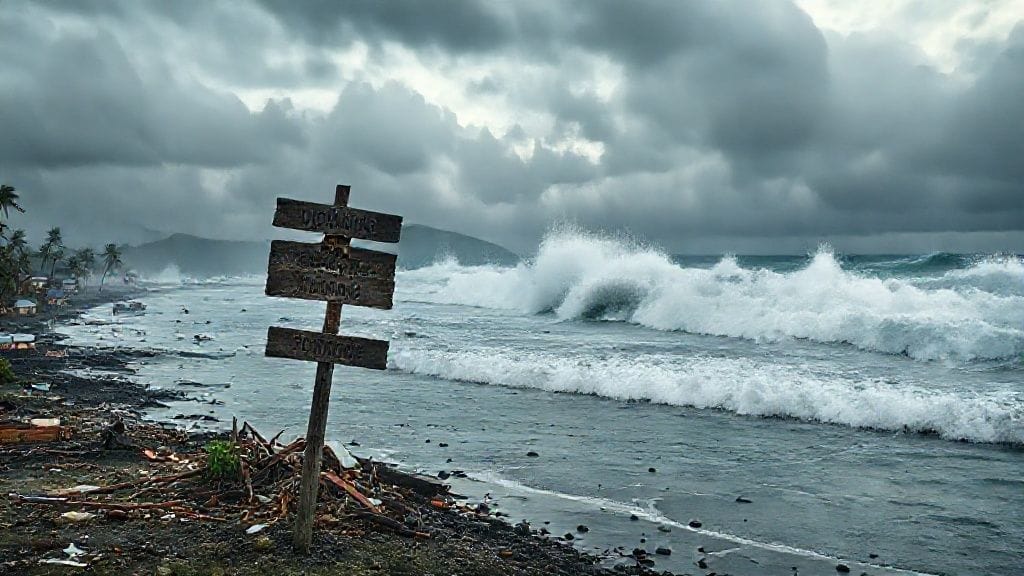
At first, many islanders noticed the sea strangely pulling back from the shore—a haunting prelude to the storm surge to come. Children playing near the beach found the sand suddenly exposed; fishermen saw their boats stranded on dry seabeds.
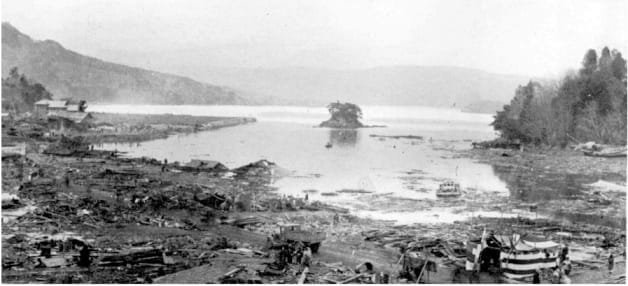
Then came the roar: a wall of water, angry and unyielding, raced inland at terrifying speed. It tore through villages, inundating homes, schools, and churches in its path. In the village of Lata, the provincial capital, structures crumbled, and families scattered in frantic attempts to reach higher ground.
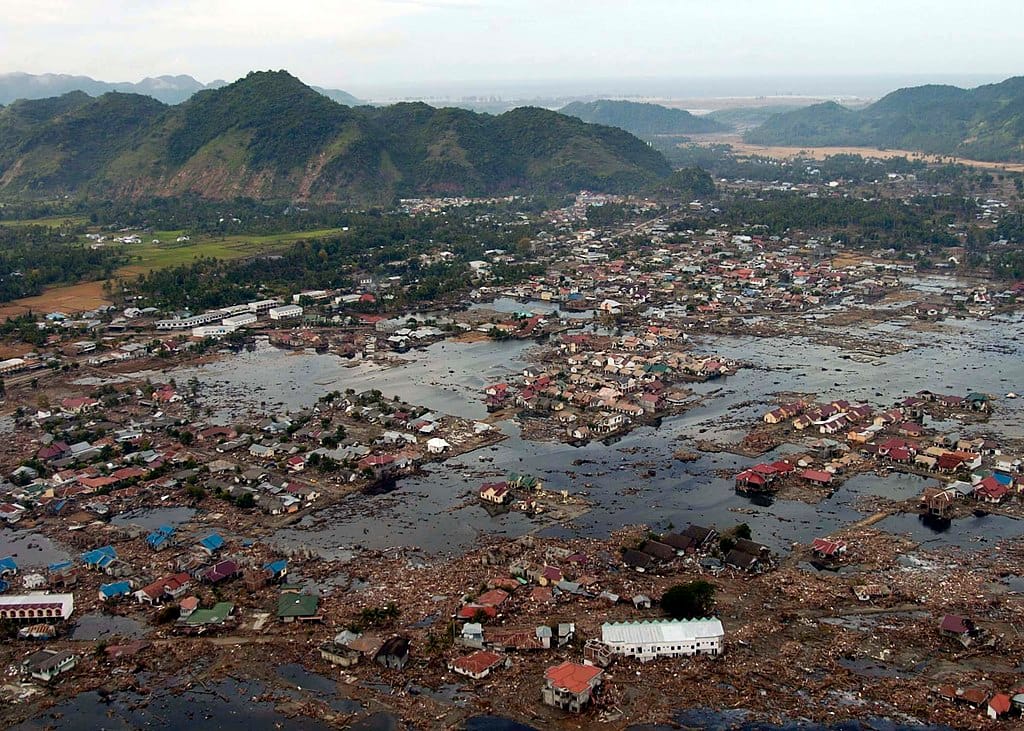
The tsunami devastated an estimated 30 kilometers of coastline across Santa Cruz and adjacent islands. Entire communities were wiped out; crops submerged; infrastructure swallowed by mud and debris. The harrowing sight was one of both nature’s immense power and the fragility of human existence.
6. Eyewitness Accounts: Voices from the Eye of the Storm
The stories survivors shared capture the raw emotion of that day. Mata, a schoolteacher from Lata, recounted: “The sea was gone—it looked like the ocean had vanished. My mother shouted, ‘Run!’ We climbed the hill, as fast as we could. Behind us, the wave came, devouring everything.”
John, a local fisherman, remembered the chaos: “I saw the wave roll in like a giant shadow. I grabbed my children and fled uphill. We lost our house, our canoe, everything. It felt like the world was ending.”
These testimonies illuminate the heartache and heroism of ordinary people faced with extraordinary circumstances—a human drama played out against a backdrop of natural disaster.
7. The Human Toll: Lives Lost, Homes Destroyed, Dreams Shattered
The tragic outcome was stark: at least 10 lives confirmed lost, with dozens more injured or missing. Thousands were displaced, and nearly 1,000 homes damaged or destroyed. Entire villages were reduced to rubble; schools and hospitals rendered unusable.
But behind the statistics lie countless stories of grief—to lose a parent, a sibling, a lifelong home. The trauma extended beyond physical loss, instilling deep psychological wounds throughout the communities. Children and elders alike bore scars that no reconstruction could immediately heal.
8. Immediate Responses: Rescue, Relief, and the Spirit of Solidarity
Despite the devastation, an outpouring of support quickly emerged. Local islanders led the initial rescue efforts, using traditional knowledge of the terrain to locate and assist victims. Community leaders organized temporary shelters on higher ground, offering food, water, and safety.
Word of the disaster spread rapidly. Within days, emergency supplies arrived—food rations, medical kits, clean water—provided both by the Solomon Islands government and international partners coordinated through the United Nations.
Remarkably, amidst loss, the spirit of solidarity shone brightly. Strangers opened their doors to those displaced. Fishermen donated boats. Emotions ran high, but so did collective willpower to survive and rebuild.
9. Government Actions and International Aid: Rallying Around a Crisis
The Solomon Islands government declared a state of emergency, mobilizing national resources for recovery. Collaboration with NGOs, humanitarian organizations, and neighboring countries ensured that aid reached remote areas.
Australia, New Zealand, Japan, and the United States all contributed assistance ranging from financial support, medical teams, to technical expertise. The World Bank and Red Cross also sent personnel and resources to aid reconstruction efforts.
While challenges persisted—damaged roads, communication failures—the combined efforts underscored an important lesson: disaster response is as much about coordination and empathy as about resources.
10. The Geography of Destruction: How Topography Shaped the Tsunami’s Impact
Santa Cruz’s jagged coastline, shaped by volcanic activity, played a paradoxical role. In some bays and coves, funnel-like inlets caused wave amplification, intensifying damage. Elsewhere, coral reefs acted as partial buffers, absorbing wave energy and softening the blow.
Islands with steeper inland terrain offered refuge, allowing inhabitants to relocate to higher ground quickly, while low-lying atolls suffered catastrophic flooding. This interplay of natural geography affected survival rates and influenced subsequent recovery planning, emphasizing the need for detailed hazard mapping.
11. Culture Shaken: Traditions and Communities Tested by Disaster
For many islanders, the tsunami was not only a physical calamity but a cultural shockwave. Sacred sites were damaged, community gathering places swept away. Traditional fishing grounds and garden plots, essential to communal food supplies, were submerged or contaminated.
Elders worried over the disruption of intergenerational transmission of knowledge, as families were scattered and rituals interrupted. Yet, this upheaval also fostered new adaptations—a blending of ancient wisdom and modern disaster preparedness, as communities re-imagined resilience.
12. Lessons from the Waves: Scientific Insights and Early Warning Challenges
The tsunami exposed significant gaps in early warning systems. The Solomon Islands lacked a robust, integrated tsunami detection and alert mechanism—common in countries like Japan or Chile.
Scientists emphasized the need for investments in seismic monitoring, community education, and evacuation infrastructure. In particular, the speed at which the tsunami arrived—mere minutes after the quake—underscored the importance of local knowledge and immediate action.
International agencies took note, bolstering Pacific-wide tsunami preparedness initiatives. The 2013 tragedy fueled discussions on how to bridge technology and tradition for greater safety.
13. Rebuilding the Archipelago: Recovery Efforts and Long-Term Rehabilitation
In the months and years that followed, reconstruction became a gargantuan task. Infrastructure had to be rebuilt—from schools to water systems. Livelihoods needed support, particularly for fishermen and farmers reliant on land and sea.
Healthcare and psychosocial services expanded to address trauma. Housing programs incorporated disaster-resilient designs, elevating structures and relocating settlements to safer zones.
This rebuilding phase revealed the complexity of recovery—not a mere physical reconstruction but a holistic restoration of community life, identity, and hope.
14. The Environmental Aftermath: Coral Reefs, Coastal Ecosystems, and Future Risks
The tsunami left visible scars on the environment. Coastal forests were uprooted, mangroves devastated, and coral reefs fractured. These ecosystems play vital roles—buffering storms, supporting fisheries, and preserving biodiversity.
Scientists monitored these changes, studying regeneration processes and pollution impacts. For island nations dependent on natural resources, environmental health is inseparable from social and economic well-being.
Furthermore, with climate change exacerbating sea-level rise and storm intensity, the tragedy served as a poignant reminder of escalating vulnerabilities.
15. Memory and Resilience: How the Tsunami Shaped National Identity
Far beyond destruction, the 2013 tsunami entered the Solomon Islands’ shared consciousness as a defining moment. Annual commemorations, memorials, and storytelling preserve the memory of those lost and celebrate survival.
Communities strengthened ties, with cultural expressions—songs, dances, art—honoring resilience. The disaster catalyzed a renewed appreciation for collective identity, rooted in a relationship with nature marked by respect, caution, and courage.
16. The Pacific’s Continuing Dance with Disaster: Preparing for Tomorrow
The Solomon Islands’ experience is part of a broader Pacific narrative where seismic activity and oceanic fury frequently converge. Regional cooperation frameworks—like the Pacific Tsunami Warning Center—have since gained prominence.
But the message remains urgent: preparedness is not optional. Building education programs, emergency drills, and infrastructure capable of withstanding future shocks remain vital tasks as populations grow and climate threats intensify.
17. The Global Context: How the Solomon Islands Tsunami Echoed Worldwide
Though occurring in a remote part of the world, the 2013 tsunami resonated globally. It reminded the international community of the Pacific’s vulnerability and the need for shared systems of disaster management.
Media coverage brought attention to a region often overshadowed geopolitically but profoundly exposed to natural risks. It influenced policies on development aid, disaster resilience, and climate adaptation, emphasizing solidarity beyond borders.
18. Personal Stories of Survival and Loss: Remembering the Invisible Heroes
Among the devastation were remarkable stories of courage: teachers guiding children up hills, fishermen risking the seas to bring aid, and elders preserving calm through ancestral wisdom.
Take Mary, a young mother who, moments after the quake, shielded her infant from the rushing floodwaters. Or Thomas, a volunteer who organized makeshift shelters with scant resources—but a heart full of resolve.
These unsung heroes are the true pulse of recovery, embodying humanity’s capacity to endure and rebuild.
19. Technology and Hope: Advancements in Tsunami Detection Since 2013
In response to the tragedy, technological strides have been made. The Solomon Islands have worked with international partners to install seismic sensors and sea-level monitors, integrating with regional early warning networks.
Mobile alert systems, community radio, and educational outreach now aim to empower locals with timely warnings. While no system can guarantee safety, these advancements blend science and community action—best defense against future tsunamis.
20. The Role of Media: Shaping Perceptions and Aid Responses
News outlets worldwide broadcast vivid images and testimonies, transmitting the personal and collective dramas unfolding. This media spotlight galvanized aid and kept the world’s eyes on a small nation facing a colossal trial.
Yet, it also raised critical questions: How to report without sensationalism? How to amplify local voices? The experience underscored media’s responsibility not just to inform but to humanize and connect.
21. Spiritual Reflections: The Intersection of Faith and Catastrophe
For many Solomon Islanders, faith plays a central role in confronting trauma. Churches and religious leaders offered solace, interpreting the tsunami as both a test and a call for unity.
Cultural rituals for mourning and renewal intertwined with Christian faith, creating profound spaces for healing. Spiritual resilience became as fundamental as physical recovery, sustaining communities through adversity.
22. The Psychological Impact: Trauma, Healing, and Community Bonds
Beyond immediate survival, psychological wounds often lingered. Depression, anxiety, and grief affected all ages. Mental health services, traditionally scarce, received new attention.
Community gatherings, storytelling, and counseling programs fostered gradual healing. These efforts recognized that true recovery encompasses mind as well as body—culture as well as infrastructure.
23. Building Back Better: Sustainable Development After the Waves
Recovery efforts embraced principles of “building back better,” mixing traditional knowledge with modern techniques to create safer, more sustainable communities.
Innovations included cyclone-resistant housing, improved water and sanitation, and diversified livelihoods to reduce vulnerability. The tsunami became a catalyst not only for reconstruction but for transformation.
24. Conclusion: From Tragedy to Tenacity – The Spirit of the Solomon Islands
The 2013 Santa Cruz tsunami struck with devastating force, uprooting lives and altering landscapes. Yet, from the shattered shores rose a testament to human tenacity—a mosaic of pain, hope, and renewal.
The story of the Solomon Islands is not solely one of loss but of resilience; not merely a warning but a lesson in courage and community. It urges us to listen to the earth’s tremors, respect nature’s power, and above all, stand united in the face of adversity.
FAQs About the 2013 Solomon Islands Tsunami
Q1: What caused the 2013 tsunami in the Solomon Islands?
A1: A magnitude 8.0 underwater earthquake near the Santa Cruz Islands triggered the tsunami by displacing the seafloor and generating large waves that struck the coast.
Q2: How many people were affected by the tsunami?
A2: Thousands were affected, with at least 10 confirmed deaths, numerous injuries, and around 1,000 homes damaged or destroyed.
Q3: Was there an early warning system in place?
A3: No comprehensive early warning system existed at the time, which contributed to limited evacuation time for the local population.
Q4: What role did geography play in the disaster’s severity?
A4: Coastal topography amplified wave heights in some locations, while coral reefs provided partial protection in others, influencing survival and damage.
Q5: Which countries and organizations helped with disaster relief?
A5: Neighboring countries like Australia and New Zealand, along with the United Nations, Red Cross, and various NGOs, provided emergency aid and support.
Q6: How has the Solomon Islands improved tsunami preparedness since 2013?
A6: Investments in seismic sensors, communication technology, and community education have strengthened early warning capacities and evacuation planning.
Q7: What long-term impacts did the tsunami have on Solomon Islands culture?
A7: The tsunami reshaped cultural practices, encouraging a blend of traditional knowledge and modern disaster preparedness, while reinforcing community bonds.
Q8: How is the tsunami remembered today?
A8: Memorials, annual commemorations, and cultural expressions ensure the event remains part of the national consciousness, honoring both loss and resilience.