Table of Contents
- The Night the Earth Shook: November 26, 1999
- The Remote Beauty of Northern Vanuatu
- Geological Preludes: Understanding the Pacific Ring of Fire
- The Science Behind the Tsunami: Earthquake to Ocean Wave
- The Moment of Terror: Initial Earthquake Impact
- The Arrival of the Giant Wave: From Depths to Shores
- Communities in Peril: The Human Experience on the Coast
- Heroism and Tragedy Amidst the Roaring Waters
- Communication Breakdown: Isolation and Delay in Warning
- Relief and Rescue: The International Response
- The Toll of Destruction: Lives Lost and Homes Shattered
- Environmental Aftermath: The Changing Coastline
- Cultural Disruption: Traditions Shaken by Nature’s Fury
- Rebuilding Lives: Recovery and Resilience in Vanuatu
- Lessons Learned: Early Warning Systems and Disaster Preparedness
- The Global Perspective: Tsunamis in the Pacific and World Awareness
- Remembering the 1999 Vanuatu Tsunami: Memorials and Memory
- Scientific Advances Sparked by the Disaster
- The Role of Indigenous Knowledge in Navigating Natural Disasters
- Vanuatu Today: Living with Nature’s Power
- The Unseen Ripples: Economic Effects on a Fragile Island Nation
- The Future of Disaster Preparedness in the Pacific Islands
- Conclusion: Endurance Against the Unpredictable
- Frequently Asked Questions (FAQs)
- External Resource
- Internal Link
The Night the Earth Shook: November 26, 1999
It was a quiet, star-filled night over the northern islands of Vanuatu on November 26, 1999. Families had settled into their homes built from timber and palm, unaware that beneath their feet, something monstrous was unfolding—a violent shudder deep in the earth's crust. Suddenly, without warning, the once-stable ground convulsed fiercely: the harbinger of a catastrophe that would reshape lives, landscapes, and local history forever. This was not merely another earthquake; it was the trigger for a series of oceanic waves that would become the infamous Vanuatu tsunami.
For the people who lived on Espiritu Santo and surrounding islets, the shaking was only the first sinister note in a deadly symphony. As the island quaked violently, the sky remained eerily silent—a deceptive calm before the sea unleashed its fury. The ocean horizon swelled, rolled, and swallowed the shoreline with an advancing wall of water as the air filled with screams, crashing timber, and the crushing despair of survival against nature’s overwhelming force.
The Remote Beauty of Northern Vanuatu
Nestled in the vast azure expanse of the South Pacific Ocean, Vanuatu is an archipelago of around 80 volcanic islands, a jewel hidden in the Ring of Fire. Northern Vanuatu's lush green hills, coral reefs, and traditional villages seemed distant from the chaos of the modern world. Fishing and subsistence agriculture were the heartbeat of local life, intertwined with centuries-old cultural practices and rich indigenous spiritual beliefs that revered the natural world.
Yet, this fragile paradise was also a land of relentless geological activity. The islands' volcanic origins made them beautiful but vulnerable. For generations, communities had learned to live with quakes and storms, interpreting tremors as messages from the gods, but nothing in recent memory prepared them for the horrifying power that would be unleashed on the night of November 26.
Geological Preludes: Understanding the Pacific Ring of Fire
The Vanuatu archipelago sits precariously on the converging boundaries of the Indo-Australian and Pacific tectonic plates—a seething cauldron known as the Pacific Ring of Fire. Here, the Earth’s crust is constantly in motion, grinding and subducting below adjacent plates, producing frequent and sometimes violent seismic activity.
On that fateful night in 1999, a megathrust earthquake roared beneath the seabed near the northern islands. With a magnitude of approximately 7.4, the earthquake was strong enough to fracture the ocean floor, shift massive underwater fault lines, and displace enormous volumes of seawater. This tectonic upheaval was the catalytic event—setting in motion a deadly tsunami that raced across the sea at hundreds of kilometers per hour.
The Science Behind the Tsunami: Earthquake to Ocean Wave
Tsunamis are not the towering breakers surfers chase; they start as long, low undulations far out in deep water and grow in height exponentially as they approach the coast. The 1999 Northern Vanuatu tsunami began as the seismic upheaval lifted and dropped the ocean floor abruptly.
The energy from the seismic rupture transferred into a vast column of seawater, generating waves that radiated in all directions. Moving unimaginable distances in minutes, these waves were invisible in the vast ocean—mere ripples to passing ships—but as the depth lessened near the island shores, the wave heights exploded upward, transforming into monstrous walls of water tens of meters high.
The Moment of Terror: Initial Earthquake Impact
Residents recall that the initial earthquake lasted barely a minute but felt like an eternity. Houses shook violently; pottery shattered and windows rattled with an eerie howling sound emanating from the earth itself. In some places, coastal cliffs crumbled while landslides buried paths and gardens.
There was confusion but also a strange calm for a fleeting moment as people tried to grasp what had just occurred. However, in the very seconds that followed, awareness dawned—a tsunami was imminent. Yet, with little or no official early warning system in place, many had nowhere to run.
The Arrival of the Giant Wave: From Depths to Shores
The tsunami’s first wave struck within 15 minutes of the earthquake. The ocean withdrew dramatically at some coastlines—an unnatural and haunting sight, exposing coral reefs and fish stranded on the sand. This withdrawal was the ominous prelude to the wall of water that charged ashore moments later.
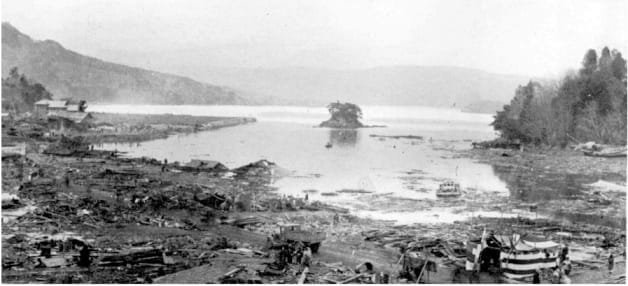
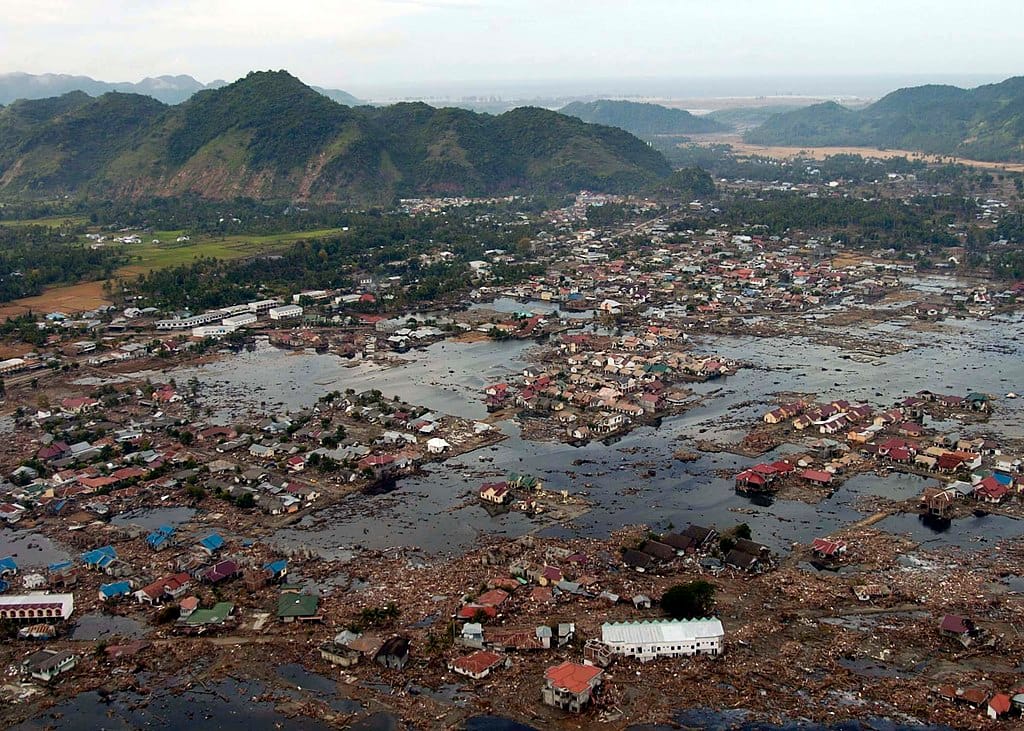
Villages along the northern coasts of Espiritu Santo faced the wrath of towering waves rushing inland, demolishing everything in their path. Mud, debris, uprooted trees, and seawater mixed in a deadly surge that drowned homes, displaced families, and carried away livelihoods.
Communities in Peril: The Human Experience on the Coast
For residents, the tsunami was a nightmare made real. With little time to react, people fled on foot or climbed to higher ground, some aided by quick-thinking neighbors who had learned from past smaller events. Others were trapped by rising waters and falling debris.
Eye-witness testimonies paint a harrowing picture: families holding hands and rushing uphill, children crying, elders sheltering in caves or clinging to tree trunks. The natural instincts to survive clashed with the overwhelming might of the sea; stories of miraculous escapes intermingled painfully with accounts of loss and devastation.
Heroism and Tragedy Amidst the Roaring Waters
Even amidst catastrophe, human courage shone brightly. Local leaders, fishermen, and youth organized impromptu rescues, pulling survivors from floodwaters and providing shelter in elevated areas. In one village, a community elder coordinated a swift, improvised warning system based on sensing distant rumbles and ocean behavior, saving dozens of lives.
But tragedy also marked the night indelibly. The death toll, though difficult to verify due to the remoteness of some islands, was estimated in the hundreds. Entire families were wiped out; homes and sacred sites lost. For many, the tsunami’s wrath meant reckoning with profound grief and sudden, harsh change.
Communication Breakdown: Isolation and Delay in Warning
One of the greatest challenges during the Vanuatu tsunami was communication—or rather, the lack of it. In 1999, early warning technologies were minimal or non-existent in this part of the Pacific. Remote villages had no radio contact or sirens, relying instead on oral traditions and local knowledge.
This isolation exacerbated the impact, as many residents were taken completely unaware. News of the disaster took days to reach government agencies and international aid organizations, delaying emergency response and further compounding human suffering.
Relief and Rescue: The International Response
Once word spread, international organizations and regional neighbors mobilized to assist Vanuatu. The Red Cross, United Nations agencies, and countries across the Pacific dispatched teams to assess damage, deliver emergency aid, and begin the daunting task of rebuilding.
Despite logistical challenges posed by the archipelago’s isolation and damaged infrastructure, support arrived: food, medical assistance, clean water, and temporary shelters. The spirit of solidarity across the Pacific region was palpable, as island nations recognized their shared vulnerability and responsibility.
The Toll of Destruction: Lives Lost and Homes Shattered
Quantifying the human cost is difficult, but conservative estimates speak of over 150 fatalities, with hundreds more injured and displaced. Thousands lost their homes—often simple but cherished structures built over generations. Entire villages had to be relocated due to the destruction of fresh water sources and farmland salinized by seawater intrusion.
The socioeconomic impact rippled far beyond immediate damage. Fishing boats were destroyed, crops ruined, and schools and health centers damaged. The delicate balance of subsistence living on the islands was shaken to its core.
Environmental Aftermath: The Changing Coastline
Nature’s fury left a lasting mark on Northern Vanuatu’s environment. The tsunami reshaped shorelines, scoured coral reefs, and deposited layers of sand and debris inland. Mangrove forests, essential buffers against future storms and habitats for marine life, suffered extensive damage.
At some sites, landslides triggered by the shaking buried forests and altered river courses. Scientists studying these changes noted the complex interplay between geological forces and ecological recovery—nature’s capacity for regeneration tempered by the ongoing threats of climate change and human activity.
Cultural Disruption: Traditions Shaken by Nature’s Fury
Beyond material loss, the tsunami struck at the heart of Vanuatu’s cultural identity. Sacred sites, ancestral burial grounds, and places of spiritual significance were destroyed or disturbed by the surge.
Traditional knowledge, passed orally through generations, faced new challenges as communities were displaced and social networks fractured. The trauma of loss also affected rituals and ceremonies, introducing themes of mourning and resilience into local cultural expressions.
Rebuilding Lives: Recovery and Resilience in Vanuatu
Yet, amid destruction, human resilience prevailed. The rebuilding process was slow but determined. Villagers constructed new homes using a blend of traditional methods and modern materials designed to better withstand future disasters.
Local leaders and international partners collaborated on disaster preparedness programs, focusing on education, infrastructure improvement, and early-warning research. Schools reopened, markets restarted, and community events returned—symbols of recovery and hope.
Lessons Learned: Early Warning Systems and Disaster Preparedness
The 1999 tsunami spotlighted the urgent need for effective early warning systems in Vanuatu and the wider Pacific. In the years following, international cooperation accelerated the deployment of seismic monitoring stations, communication equipment, and community education programs.
Vanuatu became part of regional tsunami warning networks, improving capacity to detect undersea earthquakes and alert vulnerable populations. These measures have saved lives in subsequent events, proving that even remote islands can benefit from global scientific collaboration.
The Global Perspective: Tsunamis in the Pacific and World Awareness
The Vanuatu tsunami was one among several devastating Pacific tsunamis during the late 20th century, raising global awareness about these quiet but deadly hazards. The tragic 1998 Papua New Guinea tsunami had highlighted risks, but Vanuatu’s disaster underscored the continuing vulnerability of island nations.
International agencies redoubled efforts to understand tsunamis through oceanography, geophysics, and community engagement, fostering a new era of disaster science and diplomacy linking distant lands across oceans.
Remembering the 1999 Vanuatu Tsunami: Memorials and Memory
In Vanuatu today, the memory of November 26, 1999, lives on in annual commemorations, small memorials, and oral histories. Survivors pass down stories, blending sorrow with gratitude for life and lessons learned.
These acts of remembrance help communities honor those lost and reinforce bonds of identity grounded both in cultural heritage and shared experience of surviving nature’s wrath.
Scientific Advances Sparked by the Disaster
Post-1999, studies of the seismic data, wave propagation, and coastal impact helped refine models that predict tsunami behavior. Researchers in Vanuatu partnered with international institutions to improve mapping of fault lines and assess risk zones.
Technologies such as deep ocean pressure sensors and satellite monitoring became integral to global tsunami detection networks—a scientific legacy carved out in response to the tragedy.
The Role of Indigenous Knowledge in Navigating Natural Disasters
While modern science offers tools to detect and mitigate tsunamis, indigenous knowledge remains invaluable. Local observations of animal behavior, sea-level changes, and traditional evacuation routes informed survival strategies during the 1999 event.
Efforts to blend scientific and indigenous understandings have fostered inclusive disaster preparedness programs that respect and amplify local voices in safeguarding future generations.
Vanuatu Today: Living with Nature’s Power
More than two decades later, Vanuatu continues to live in the shadow of geological forces. Volcanic eruptions, cyclones, and occasional earthquakes remind residents of their precarious place on the planet.
Yet the archipelago’s people embody adaptability and courage, preserving their culture while embracing new knowledge. Their story is one of courage facing the unpredictable—an ongoing dialogue between humanity and the Earth’s restless heart.
The Unseen Ripples: Economic Effects on a Fragile Island Nation
The tsunami’s economic impact was profound, hitting an economy already limited by geography and scale. Lost infrastructure hampered trade and tourism, while damage to agricultural production strained food security.
Government budgets absorbed unprecedented emergency expenses, delaying development projects and heightening reliance on foreign aid. Recovery required both local initiative and sustained external support to rebuild livelihoods and infrastructure.
The Future of Disaster Preparedness in the Pacific Islands
As climate change increases the frequency and severity of natural hazards, Pacific island nations like Vanuatu face mounting challenges. Rising sea levels may exacerbate tsunami risks and coastal flooding.
Building resilient communities involves integrating climate adaptation with disaster preparedness—investing in education, infrastructure, and regional cooperation. The echo of 1999 serves as a grim reminder and a call to action for the entire Pacific region.
Conclusion
The 1999 Northern Vanuatu tsunami was more than an event of catastrophe; it was a crucible that tested the spirit of an island people and reshaped their relationship with a volatile Earth. In the wake of destruction lay stories of survival, heroism, loss, and regeneration—threads that form the rich tapestry of Vanuatu’s modern history.
The violent collision of tectonic plates and the silent surge of the sea met human vulnerability and resilience on one unforgettable night. Today, the archipelago stands as a testament to endurance, where ancient traditions meet modern science in a ceaseless effort to coexist with the powerful forces beneath their feet and beneath the ocean waves.
This tragic event reminds us how fragile life can be on Earth’s dynamic surface—but also how hope and determination arise, even amid the darkest deluges.
FAQs
Q1: What caused the 1999 tsunami in Northern Vanuatu?
A1: The tsunami was triggered by a magnitude 7.4 megathrust earthquake along the tectonic plate boundaries under the seabed near northern Vanuatu. The sudden displacement of the ocean floor generated powerful waves.
Q2: How many people were affected by the Vanuatu tsunami?
A2: Estimates suggest over 150 people died, with hundreds more injured and thousands displaced. Many homes and vital infrastructure were destroyed along the northern coastlines.
Q3: Was there any early warning system in place during the disaster?
A3: No effective early warning system existed in 1999 in Vanuatu. The lack of communication infrastructure and official warning contributed to the high toll of the disaster.
Q4: How did the people of Vanuatu respond to the tsunami?
A4: Communities demonstrated courage and solidarity, with local leaders organizing evacuations and rescues. Traditional knowledge also aided some in recognizing danger signs and seeking higher ground.
Q5: What have been the long-term impacts of the tsunami on Vanuatu?
A5: Long-term impacts include loss of life, environmental changes, economic setbacks, and cultural disruptions. However, the disaster also spurred improvements in disaster preparedness and early warning systems.
Q6: How has Vanuatu improved tsunami preparedness since 1999?
A6: Vanuatu now participates in regional tsunami monitoring networks, has implemented seismic and ocean sensors, and conducts community education programs to improve early warning and disaster response.
Q7: What role does indigenous knowledge play in disaster resilience in Vanuatu?
A7: Indigenous knowledge complements scientific approaches by providing vital historical observations and culturally relevant evacuation strategies that enhance community readiness.
Q8: How is the 1999 tsunami remembered in Vanuatu today?
A8: The tsunami is commemorated through memorials, ceremonies, and oral histories that honor those lost and celebrate the resilience of survivors, ensuring the event remains a vital part of collective memory.