Table of Contents
- The Day the Sea Returned: Aitape Tsunami, July 17, 1998
- Papua New Guinea’s Northern Coast: A Landscape of Life and Challenge
- Geological Roots: The Tectonic Setting Behind the Disaster
- Early Warning Signs: Earthquake and Sudden Sea Withdrawal
- The Tsunami Unleashed: Waves Surging Against Time and Fate
- The Human Toll: Stories of Loss, Survival, and Despair
- Emergency Response: Chaos and Courage Amidst Destruction
- Local and International Aid Mobilizes: A Race to Save Lives
- The Aftermath: Rebuilding Homes and Mending Hearts
- Scientific Insights: How Aitape Reshaped Tsunami Understanding
- Warnings Unheeded? Lessons in Disaster Preparedness and Risk
- The Role of Indigenous Knowledge in Coastal Safety
- Papua New Guinea’s Societal Fabric: Isolation and Resilience
- Memorializing Aitape: Remembering the Lost and the Forgotten
- The Global Impact: Tsunami Awareness in the Late 20th Century
- Environmental Devastation: Changing Coastal Ecosystems
- Psychological Aftershocks: Trauma and Healing in Survivors’ Lives
- Policy Changes: From Tragedy to Prevention in the Pacific
- Aitape Today: Echoes of the Past and Current Challenges
- Concluding Reflections: The Indelible Mark of the Aitape Tsunami
The Day the Sea Returned: Aitape Tsunami, July 17, 1998
On a seemingly ordinary afternoon, beneath the brooding tropical sun of Papua New Guinea’s northern coastline, the earth trembled with an ominous warning. The sky was painted in lazy streaks of clouds, the salty breeze whispered through palm fronds, and children played near the shore, their laughter rising above the distant waves. But then came the unusual, disquieting pause—a sudden withdrawal of the sea, exposing the sacred coral reefs and the jagged seabed in a desolate brown stretch. Villagers who saw this knew it was a signal drowned in ancient fears: the ocean was preparing to strike back.
Minutes later, the heaving monstrous waves surged onto the tranquil shores of Aitape town, sweeping away entire villages and silencing the laughter. Time seemed to fracture as walls of water, twenty meters or more in height, crashed with unrelenting force. In that relentless rush, more than 2,000 lives were claimed—men, women, children, elders—all swallowed by the unforgiving sea.
It was July 17, 1998. Aitape would never be the same.
Papua New Guinea’s Northern Coast: A Landscape of Life and Challenge
Nestled on the northern edge of Papua New Guinea (PNG), Aitape lies in the Sandaun Province, a land of great natural beauty, juxtaposed with rugged terrain and an often harsh environment. Here, the sea and land have long formed an intimate yet dangerous partnership. The coastline is dotted by fishing villages, subsisting on a delicate balance of traditional livelihoods and regional trade.
For the indigenous communities, the ocean is a provider and a foe — a place of sustenance, but also of sacred stories and warnings. The region’s remoteness, coupled with limited infrastructure, meant that many villages were deeply connected to each other through kinship ties but remained isolated from swift external aid. Life here was governed by ancient rhythms, but the modern world and its encroaching dangers were quietly stirring.
Geological Roots: The Tectonic Setting Behind the Disaster
Beneath Aitape, the restless pulse of tectonic plates choreographed an unseen drama. PNG rests along the fiercely active Pacific Ring of Fire, where the Pacific Plate, the Australian Plate, and several microplates meet, collide, and grind against each other. This ceaseless geological tension fuels earthquakes and volcanic eruptions—a hidden storm beneath the earth’s skin.
On that July day, a significant submarine earthquake struck off the northern coast. Measuring a magnitude of approximately 7.0 on the Richter scale, the quake was powerful enough to displace massive volumes of water. The seafloor suddenly uplifted, creating the ripples that would surge into giant waves. Yet, it was the precise nature of this rupture—the vertical uplift along a thrust fault—that led to the catastrophic tsunami.
Early Warning Signs: Earthquake and Sudden Sea Withdrawal
For the residents of Aitape, the earthquake was not just a distant tremor—it was the prelude to doom. Many recounted feeling their homes shake violently, lamps swinging, dishes rattling. Some were outdoors, startled by the sudden violent shaking; others were caught unaware.
But what sparked immediate fear was the sea’s behavior. In a sinister dance of nature, after the quake, the water withdrew rapidly—desiccating the beaches and exposing previously submerged reefs and sea life. This phenomenon has been recorded in countless tsunamis across history, often serving as the last warning. The old wisdom of the locals, echoed in tales passed down generations, whispered: when the sea retreats, it will return with vengeance.
Yet, confusion clouded many minds. Some saw the water withdrawal as an invitation to gather along the exposed seabed, collecting fish and shellfish left behind. Fatal curiosity and lack of tsunami awareness sealed the fate of many.
The Tsunami Unleashed: Waves Surging Against Time and Fate
Then came the wave.
Moving at the speed of a jetliner in the deep ocean, the tsunami slowed and grew in height as it approached the shallow Aitape coast. Walls of water rushed inland with overwhelming force, crushing houses, uprooting trees, and turning everything into debris. The roar was deafening – a mix of thunder, rushing wind, and the howls of those running for their lives.
Villagers scrambled up hills and trees, some managing to cling onto whatever elevated ground they could find. Children were pulled into the arms of parents; elders were helped by community members. But the tsunami was merciless; entire families were swept away in a swirl of carnage.
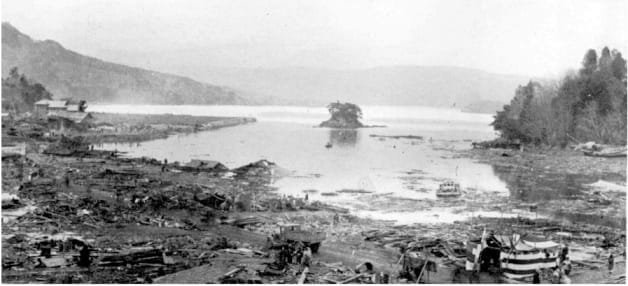
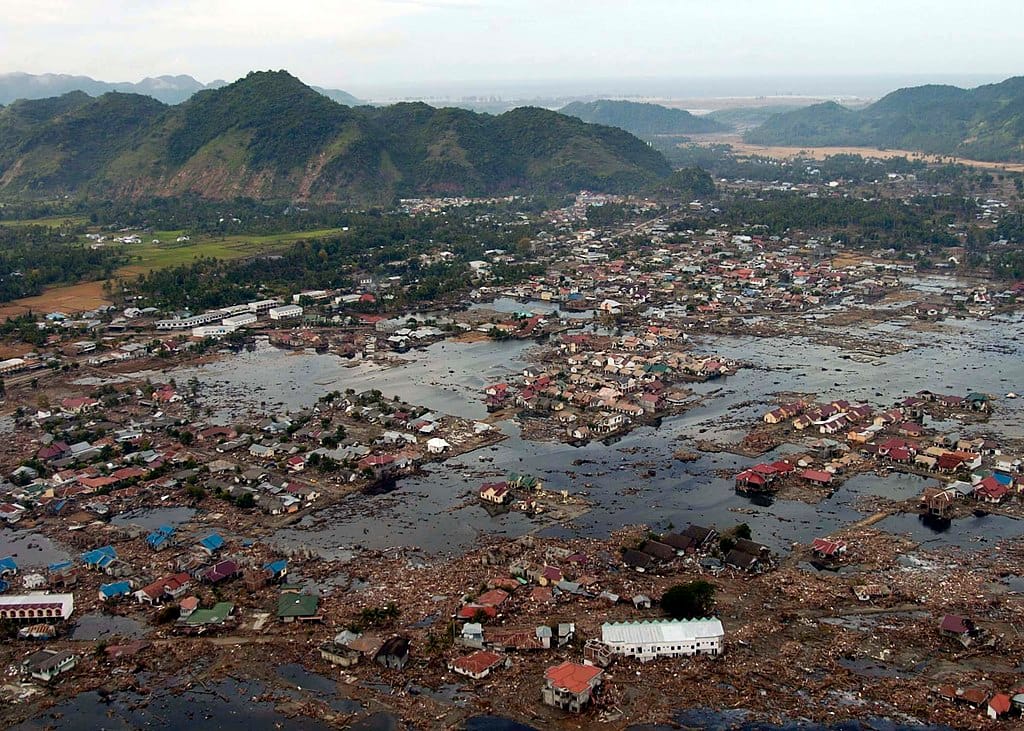
Eyewitnesses later recalled the sight of boats tossed onto land, the destruction of schools and churches, and sprawling tangles of wreckage—a landscape more akin to a bombed-out battlefield than a peaceful coastal town.
The Human Toll: Stories of Loss, Survival, and Despair
The death toll rose rapidly—estimates counting at least 2,200 fatalities, though some put the figure higher. Among the dead were entire families, children lost beneath debris, and the elderly caught in their homes.
One poignant story is that of a mother who, moments before the wave, managed to grab her youngest child and climb a lone coconut tree. For hours, they clung to the swaying trunk, watching the watery carnage below. Others found refuge in nearby hills, trekking through thick jungle, disoriented and grieving.
But survival was also a testament to communal solidarity. Rescuers arrived from neighboring villages, often risking their own lives to retrieve bodies or provide aid. Collective mourning became a shared experience, binding survivors together even as they faced overwhelming tragedy.
Emergency Response: Chaos and Courage Amidst Destruction
The immediate aftermath saw Aitape plunged into chaos. Communications were cut; roads were impassable. Many survivors were injured and exposed to the elements, complicating rescue efforts.
Local leaders did their utmost, improvising shelters, coordinating food distribution, and administering first aid with scarce resources. Courageous volunteers navigated the ruins, searching for missing persons.
Yet, the scale of destruction overwhelmed local capacities. Calls for international assistance soon followed.
Local and International Aid Mobilizes: A Race to Save Lives
As news of the tsunami’s devastation filtered to Port Moresby and beyond, rapid mobilization of aid began. Australia and New Zealand dispatched medical teams and relief supplies. The United Nations coordinated humanitarian efforts, providing funding and logistical support.
Despite logistical challenges—PNG’s limited infrastructure, remote terrain, and weather conditions—the international community’s response was vital. Temporary clinics were set up, clean water distributed, and psychological support offered.
Still, aid efforts faced criticism regarding preparedness, coordination, and communication, fueling debates about the adequacy of emergency systems in such vulnerable regions.
The Aftermath: Rebuilding Homes and Mending Hearts
In the months and years that followed, Aitape’s residents grappled with rebuilding not only their homes but also their shattered lives. Reconstruction was slow and painfully difficult, with infrastructure projects hindered by limited government resources.
Communities adapted by reviving traditional building methods, incorporating lessons learned to resist future tsunamis better. Schools and health facilities were reconstructed, slowly restoring a semblance of normal life.
Cultural rituals and memorials became central to healing, allowing survivors to honor the memory of those lost and foster resilience.
Scientific Insights: How Aitape Reshaped Tsunami Understanding
The Aitape tsunami offered critical data that advanced scientific understanding of tsunami generation and behavior. Researchers studied the unique fault mechanics, wave propagation, and sea withdrawal patterns.
This event contributed to improvements in tsunami modeling and hazard mapping, informing better risk assessments not only for PNG but for tsunami-prone regions worldwide.
Crucially, it highlighted the urgent need for effective early warning systems in the South Pacific, where tectonic activity and population vulnerability intersect dangerously.
Warnings Unheeded? Lessons in Disaster Preparedness and Risk
While the villagers’ traditional knowledge had long warned of tsunami dangers, the event starkly revealed gaps in public awareness and official preparedness. Many communities lacked education on tsunami risks and evacuation procedures.
Governmental and non-governmental agencies recognized the need for robust public information campaigns, disaster drills, and communication networks.
The tragedy underscored a painful truth worldwide: natural disasters are compounded by human inertia when warnings go unheeded or systems fail.
The Role of Indigenous Knowledge in Coastal Safety
Though often overlooked, indigenous knowledge in PNG played a vital, if underappreciated, role in identifying danger signs such as sea withdrawal and animal behaviors. Elders’ oral histories recounted past tsunamis and advised caution.
Efforts have since been made to integrate this traditional wisdom with modern science, recognizing that local cultural context is essential in building effective, community-rooted disaster responses.
Papua New Guinea’s Societal Fabric: Isolation and Resilience
PNG’s rugged geography and cultural diversity shape its societies into tightly knit but often isolated communities. This isolation complicates modern infrastructure and governance but fosters strong interpersonal bonds and resilience.
Aitape’s survival and rebuilding process depended heavily on community solidarity, kinship networks, and self-reliance. These social fabrics became lifelines after external support waned.
Memorializing Aitape: Remembering the Lost and the Forgotten
Years after the tragedy, memorial events in Aitape serve as both somber remembrance and collective healing. Simple memorials, ceremonies, and storytelling link generations.
Yet, given PNG’s many challenges, the tsunami remains, for many, a painful episode almost eclipsed by ongoing struggles. Keeping its memory alive is crucial not only out of respect but as a beacon of awareness.
The Global Impact: Tsunami Awareness in the Late 20th Century
Coming just three years before the 2001 Indian Ocean tsunami – a disaster that would galvanize global awareness – the Aitape event added to a growing consciousness of tsunami hazards.
It contributed to a push for enhanced monitoring systems worldwide, especially in the Pacific basin, where millions live in fragile coastal zones. Countries began investing more in education, preparedness, and international collaboration.
Environmental Devastation: Changing Coastal Ecosystems
Beyond human tragedy, the tsunami transformed coastal ecosystems — mangroves uprooted, coral reefs smothered by debris, and fisheries disrupted. These environmental impacts threatened the livelihoods that many depended upon.
Natural recovery was slow, complicated by deforestation and climate factors, raising questions about sustainable management and disaster resilience of ecosystems.
Psychological Aftershocks: Trauma and Healing in Survivors’ Lives
The tsunami’s trauma extended beyond physical destruction. Survivors suffered deep psychological scars — grief, post-traumatic stress disorder, anxiety — often with limited access to mental health services.
Community-based healing efforts, including traditional rituals and peer support, played a central role. Awareness of mental health’s importance in disaster recovery grew from lessons in Aitape.
Policy Changes: From Tragedy to Prevention in the Pacific
The Aitape tsunami spurred governmental and regional initiatives to strengthen disaster risk reduction policies. PNG joined broader Pacific partnerships, emphasizing early warning systems, community education, and infrastructure standards designed to withstand disasters.
While progress has been uneven, the legacy of the 1998 tsunami remains pivotal in shaping disaster governance in the region.
Aitape Today: Echoes of the Past and Current Challenges
More than two decades later, Aitape continues to confront challenges—poverty, climate change, and ongoing seismic risks. Yet, the community also exemplifies resilience and cautious hope.
Aitape’s story, with its scars and strength, reminds us how vulnerable human settlements are to nature’s fury — and how deeply intertwined fate is with preparation and solidarity.
Concluding Reflections: The Indelible Mark of the Aitape Tsunami
The 1998 Aitape tsunami was more than a natural disaster; it was a profound human tragedy and a stark lesson delivered by the earth itself. It revealed the fragile threshold between life and death, the limits of human knowledge, and the enduring power of communities to withstand despair.
In its aftermath lies a message as urgent today as it was then: we must listen—to the land, to the sea, to our histories—and prepare with humility and compassion for the forces beyond our control.
Conclusion
The Aitape tsunami of July 17, 1998 stands as a somber reminder of nature’s unpredictable power and the vulnerabilities inherent in human society. In the vibrant tapestry of Papua New Guinea’s northern coast, the tsunami’s waves wiped away more than homes—they challenged cultural memories, tested social resilience, and redefined how communities and nations perceive disaster risk.
Yet, amid the ruins, the stories of survival, solidarity, and renewal shine through, illuminating paths forward. Scientific strides borne from this tragedy have saved countless lives elsewhere, reminding us that from the depths of pain can rise profound understanding.
Ultimately, Aitape teaches the value of vigilance, respect for indigenous knowledge, the urgency of preparedness, and—as history always insists—that humanity’s greatest resource lies within the bonds that unify us against the tides of calamity.
FAQs
1. What caused the Aitape tsunami of 1998?
The tsunami was triggered by a magnitude 7.0 submarine earthquake off the northern coast of Papua New Guinea. The earthquake caused a vertical displacement of the seafloor along a thrust fault, generating massive waves that struck coastal communities.
2. How many people were affected by the tsunami?
Estimates range from 2,200 to possibly over 2,500 fatalities. Thousands more were injured, displaced, and impacted psychologically and economically.
3. Were there any early warnings before the tsunami struck?
Locals observed the sudden withdrawal of the sea right after the earthquake, which is a traditional warning sign of an impending tsunami. However, there was no formal early warning system, and many did not recognize the danger or had no time to escape.
4. What was the response of the government and international community?
Local responders provided initial aid, but the scale of destruction necessitated international assistance. Australia, New Zealand, and the UN agencies contributed medical teams and relief supplies, coordinating efforts amid logistical challenges.
5. How did this tsunami influence future disaster preparedness?
The event underscored the need for tsunami awareness campaigns, early warning systems, and better coordination of disaster response in PNG and the wider Pacific region. It also highlighted the value of integrating traditional indigenous knowledge into emergency planning.
6. What is the significance of indigenous knowledge in tsunami risk reduction?
Indigenous knowledge contains vital signs and histories of natural disasters, such as sea withdrawal and unusual animal behavior, which can provide early warnings. Engaging communities in disaster risk reduction based on this knowledge enhances preparedness and community resilience.
7. How has Aitape recovered since the disaster?
Rebuilding has been slow but persistent. Communities reconstructed homes, schools, and health centers, while memorials and cultural practices continue to assist in healing. Challenges remain from poverty and ongoing natural risk, but the community's resilience endures.
8. What broader lessons does the Aitape tsunami offer the world?
Aitape highlights the devastating potential of natural hazards juxtaposed with human vulnerability and the critical importance of early warning, preparedness, and respect for local knowledge. It reminds policymakers and societies worldwide that disaster risk is a complex interplay of nature and human systems.