Table of Contents
- A Day Shattered: The Morning of December 26, 2004
- The Indian Ocean’s Silent Giant: The Tectonic Prelude
- The Devastating Force Unleashed: Mechanics of the 2004 Tsunami
- Seychelles: A Remote Paradise on the Frontline
- The First Wave: Ripples Across the Indian Ocean
- The Warning That Never Came: Communication Failures
- Coastal Towns in Turmoil: Eyewitness Accounts and Human Drama
- Emergency Response Amidst Isolation and Chaos
- The Human Toll: Lives Lost and Communities Forever Changed
- Environmental Impact: A Fragile Ecosystem Under Assault
- Regional Reverberations: Neighboring Nations and the Tsunami’s Reach
- International Aid and the Quest for Recovery
- Rebuilding Hope: Seychelles’ Path to Resilience
- Lessons of a Disaster: Improvements in Early Warning Systems
- Memory and Mourning: How Seychelles Remembers December 26
- The Tsunami in Global Perspective: Shaping Disaster Preparedness
- Scientific Insights: Advances in Understanding Mega-Tsunamis
- Personal Stories: Survivors’ Voices from the Shores of Seychelles
- Myth and Reality: Dispelling Tsunami Misconceptions
- The Indian Ocean Rim Today: Solidarity and Ongoing Challenges
- Conclusion: The Enduring Legacy of the 2004 Seychelles Tsunami
- FAQs: Answers to Common Questions on the 2004 Indian Ocean Tsunami
- External Resource: Link to Wikipedia Article
- Internal Link: Visit History Sphere
1. A Day Shattered: The Morning of December 26, 2004
The sunlight dawned as beautifully as ever over Seychelles, a cluster of islands scattered like emerald jewels in the vast Indian Ocean. On the morning of December 26, 2004, the turquoise waves shimmered peacefully, and the warm breeze carried the familiar hum of island life. Tourists strolled along the white sandy beaches, fishermen prepared their boats, and children played on the shore, completely unaware that beneath the serene surface, the Earth's crust was stirring with cataclysmic unrest.
Then, without warning, a formidable rupture deep beneath the ocean floor set in motion a chain of destruction that would forever alter lives and landscapes. The ground shivered imperceptibly, but soon the ocean withdrew—a surreal and haunting phenomenon in itself—before monstrous waves thundered toward the islands, dwarfing any natural force the inhabitants had ever witnessed. The Seychelles, isolated and unprepared, were about to face one of nature’s most fearsome tempests, the Indian Ocean tsunami.
2. The Indian Ocean’s Silent Giant: The Tectonic Prelude
The genesis of the 2004 Indian Ocean tsunami lay far from the idyllic shores of Seychelles, about 160 kilometers off the west coast of northern Sumatra, Indonesia. A colossal undersea megathrust earthquake, measuring 9.1 to 9.3 on the Richter scale, released unprecedented energy as tectonic plates in the Sunda Trench violently jerked past each other. This seismic upheaval, one of the most powerful earthquakes ever recorded, pushed up a massive volume of seawater, triggering a tsunami that raced across the ocean at speeds reaching 800 kilometers per hour.
Though Seychelles was nearly 4,500 kilometers from the epicenter, the geography of the Indian Ocean acted as a perilous conduit, funneling waves with unrelenting force toward distant shores. The tectonic forces beneath the ocean floor were a cruel reminder of Earth's restless nature, indifferent to human boundaries.
3. The Devastating Force Unleashed: Mechanics of the 2004 Tsunami
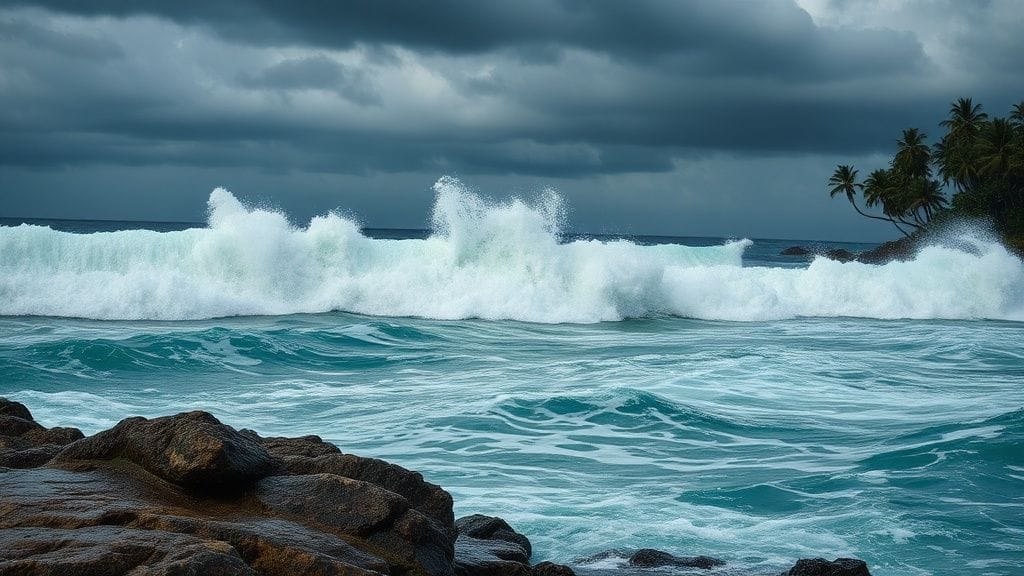
Unlike a simple surface wave stirred by wind, a tsunami involves the entire column of ocean water, from seafloor to surface. The 2004 tsunami was no ordinary ripple; it was a sudden, swift surge — a wall of water tens of meters high, growing as it approached shallower waters near coastlines.
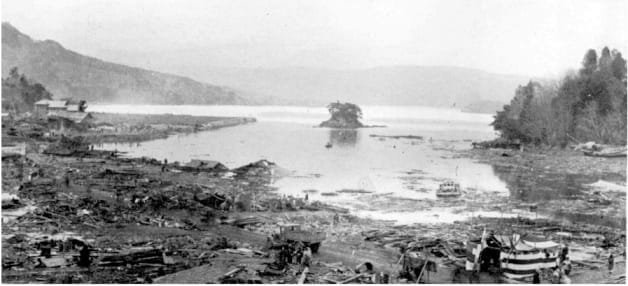
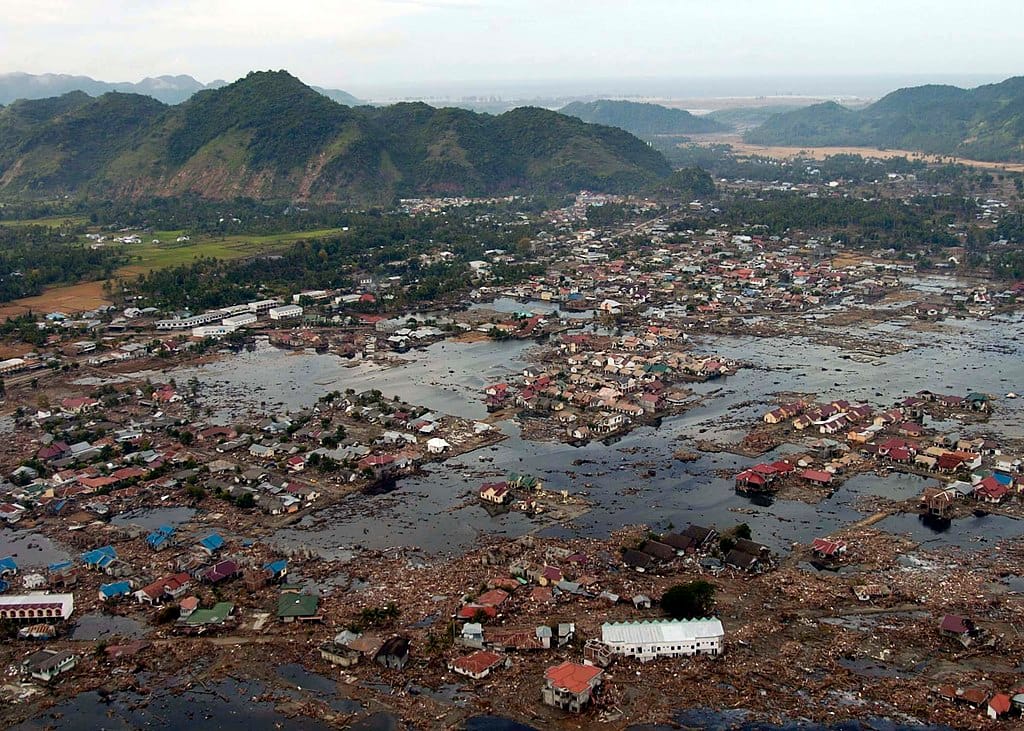
In Seychelles, the waves arrived in multiple surges over several hours, each one sweeping further inland, obliterating fragile coral reefs, beaches, and settlements alike. Fishermen’s boats shattered against rocks; seawalls crumbled, and mangrove forests—the natural shield of the islands—were uprooted. The sheer power of water transformed the coastline in minutes, leaving behind chaos beyond comprehension.
4. Seychelles: A Remote Paradise on the Frontline
The Republic of Seychelles, an archipelago of 115 islands, stood as a tranquil oasis famed for its biodiversity and cultural mosaic. Among the most remote inhabited islands in the Indian Ocean, Seychelles was, at that moment, blissfully detached from global anxieties, more accustomed to the rhythms of tides than those of geopolitics or natural disasters on a grand scale.
Yet, this remoteness would prove both a blessing and a curse. The physical isolation limited immediate connectivity and emergency communication but preserved the unique social fabric and community resourcefulness that would become vital in the days to come.
5. The First Wave: Ripples Across the Indian Ocean
News of the tsunami’s devastating impact in Indonesia and Thailand swept across the globe within hours, but in Seychelles, early reports were fragmented and delayed. The first wave arrived quietly, with initial sighting reports describing an unusual retreating of the ocean—a sight both mesmerizing and terrifying for locals.
This ‘drawback’ phenomenon caught many unawares, a deadly siren that lured some to venture closer to shore only to be engulfed by the returning breaker minutes later. The short time between the earthquake and the tsunami’s arrival—just over four hours—was inadequate for comprehensive evacuations.
6. The Warning That Never Came: Communication Failures
The tragedy was amplified by a glaring absence: an effective, coordinated early warning system. Unlike the Pacific Basin, which had developed tsunami alert networks post-20th-century disasters, the Indian Ocean region had not yet established comprehensive mechanisms. In Seychelles, the lack of rapid communication channels meant that many coastal residents and visitors were left to face the wave without any official alerts.
In the aftermath, this gap catalyzed a regional overhaul of warning protocols, investing in technology and cooperation to prevent a repeat ordeal. But on that December morning, silence reigned when alarms were most needed.
7. Coastal Towns in Turmoil: Eyewitness Accounts and Human Drama
From Victoria, the capital, to smaller fishing villages, the tsunami’s veil of destruction touched every corner of Seychelles’ inhabited islands. Survivors recounted horrifying scenes: a rapid wall of water surging through neighborhoods, sweeping away homes, vehicles, and families with it.
One fisherman, Jean-Louis, later described how the sea drew back an ominous three hundred meters before roaring back like a freight train, uprooting trees and scattering debris. Another resident, Amina, spoke of the frantic scramble to higher ground as water engulfed the main road in her village.
Such personal accounts transform the disaster from distant catastrophe into lived experience—human struggles of loss, survival, and the indomitable will to rebuild.
8. Emergency Response Amidst Isolation and Chaos
In the immediate aftermath, emergency responders faced enormous challenges. Roads were flooded or blocked by debris; communication lines disrupted; hospitals overwhelmed by casualties needing urgent care. Seychelles’ small, resource-constrained government mobilized swiftly, calling on local communities and international partners for aid.
The Seychelles Defence Forces were deployed for search-and-rescue operations and to secure the most affected zones. Humanitarian organizations, including the Red Cross and United Nations agencies, arrived in the coming days, bringing critical supplies and technical support.
Yet the spirit of Seychellois solidarity shone brightly, with neighbors opening homes and sharing scant resources to care for the displaced and the bereaved.
9. The Human Toll: Lives Lost and Communities Forever Changed
Though Seychelles escaped the massive death toll suffered by Indonesia and Sri Lanka, the tsunami claimed dozens of lives across the archipelago and left hundreds injured or missing. Entire families were disrupted in an instant, livelihoods destroyed as boats and gear vanished beneath the waves.
Beyond the immediate trauma, many faced the long-term psychological scars of losing loved ones and witnessing their homeland transformed by a natural disaster. The tsunami exposed not just the vulnerability of bodies, but of communities — their histories intertwined with the sea that both nourished and devastated.
10. Environmental Impact: A Fragile Ecosystem Under Assault
The assault extended beyond human domains to the ecological treasures that define Seychelles. Coral reefs, vital to marine biodiversity and natural coastal protection, suffered intense damage from the crashing waves.
Seagrass beds were uprooted, mangrove stands decimated, and saltwater inundation altered soil chemistry on low-lying islands. These changes endangered fish stocks and threatened the livelihoods of fishing communities reliant on the delicate balance of their environment.
Restoration efforts had to consider not just rebuilding infrastructure but healing the scars inflicted on nature itself.
11. Regional Reverberations: Neighboring Nations and the Tsunami’s Reach
The 2004 tsunami did not limit its fury to Seychelles; it swept across borders, devastating coastal communities as far as Somalia to the west and the Maldives, Thailand, and India nearer the epicenter. The tragedy forged an unexpected kinship among Indian Ocean nations, traditionally separated by politics, language, and geography.
Information exchange, coordinated relief efforts, and later joint initiatives on disaster risk reduction became pillars in regional diplomacy. Seychelles, despite its size, played a vital role in this broader narrative of resilience and shared humanity.
12. International Aid and the Quest for Recovery
Global attention quickly turned to the Indian Ocean in response to one of the deadliest natural disasters in modern history. International aid poured into Seychelles in forms ranging from food and medical supplies to financial assistance and technical expertise.
Multilateral organizations and bilateral partners engaged in infrastructure rebuilding, capacity training, and institutional strengthening to improve future disaster readiness. This support highlighted the importance of global solidarity but also the complexities of aid distribution in island nations with limited logistical bandwidth.
13. Rebuilding Hope: Seychelles’ Path to Resilience
Recovery in Seychelles was more than reconstructing physical structures; it was a process of restoring dignity and identity. Governments and NGOs worked alongside local leaders to restore schools, healthcare facilities, and housing designed to better withstand future threats.
Community-driven projects emphasized sustainable development, recognizing that a fragile environment required harmonious coexistence with human needs. This approach laid the foundation for a resilient Seychelles aware of its vulnerabilities but armed with increased preparedness.
14. Lessons of a Disaster: Improvements in Early Warning Systems
The 2004 tsunami was a wake-up call across the Indian Ocean rim states. Seychelles invested in seismic monitoring equipment, established local alert protocols, and joined regional networks aimed at rapid tsunami detection.
Drills, education campaigns, and community engagement became pillars for transforming knowledge into action. It was a painfully learned lesson that a few minutes’ warning could mean the difference between life and death in a tsunami-prone zone.
15. Memory and Mourning: How Seychelles Remembers December 26
Every year, Seychelles honors the victims of the 2004 tsunami through memorial ceremonies and educational programs. Monuments stand along the coast, marking both sorrow and steadfast resolve.
The narrative of the tsunami is woven into the national psyche—serving not only as a reminder of tragedy but also as a testament to courage, survival, and the enduring bond between the islands’ people and their environment.
16. The Tsunami in Global Perspective: Shaping Disaster Preparedness
While many remember the catastrophic impact on towering nations like Indonesia and Sri Lanka, Seychelles’ experience highlights the broad geographic footprint of the disaster. It reinforced the global imperative for inclusive disaster risk management that spans nations large and small.
International forums on climate change, oceanography, and emergency management reference the 2004 Indian Ocean tsunami as a pivot point, inspiring stronger global early warning cooperation and investment in resilient infrastructure.
17. Scientific Insights: Advances in Understanding Mega-Tsunamis
The 2004 event became a catalyst for scientific inquiry, leading to breakthroughs in seismology, oceanography, and coastal engineering. Researchers studied wave propagation, fault mechanisms, and sediment displacement in unprecedented detail.
Seychelles’ oceanic setting offered valuable real-world data, enriching models predicting tsunami behavior and informing safer coastal design. These advances are vital in a world where climate change and rising sea levels may magnify future risks.
18. Personal Stories: Survivors’ Voices from the Shores of Seychelles
Accounts from survivors personalize the disaster beyond statistics. Maryse, a schoolteacher, recalled running with her pupils to higher ground just as the second wave crashed ashore. Her calm amid panic inspired many to find hope amid disaster.
Elder François, a traditional boatbuilder, described how the tsunami destroyed artifacts of cultural heritage, emphasizing the multifaceted losses when nature's force strikes.
These testimonies underscore the intertwined fate of nature, culture, and human resilience.
19. Myth and Reality: Dispelling Tsunami Misconceptions
In the wake of the tsunami, myths and misunderstandings proliferated. Some believed the sea's pre-wave retreat was a tempting gift rather than a warning; others thought the event was divine retribution or supernatural.
Educating communities on the scientific realities of tsunamis remains a vital task, transforming fear into informed preparedness. Seychelles has made strides in incorporating such knowledge into school curricula and community practices, forging a culture of awareness.
20. The Indian Ocean Rim Today: Solidarity and Ongoing Challenges
Nearly two decades later, Seychelles and its neighbors remain vigilant. Climate change, increasing coastal development, and growing populations intensify vulnerability to natural disasters.
Regional cooperation endures through platforms like the Indian Ocean Rim Association (IORA), focusing on sustainable development, disaster management, and environmental conservation, embodying a shared commitment born from the 2004 catastrophe.
21. Conclusion: The Enduring Legacy of the 2004 Seychelles Tsunami
The December 26, 2004 tsunami was a profound rupture in the history of Seychelles—the day when paradise was confronted with nature’s primal fury. Yet, from destruction emerged resilience, solidarity, and a strengthened resolve to coexist harmoniously with the ocean that shapes island life.
Seychelles’ experience enriches the global narrative of disaster response and preparedness, reminding us that even in isolation, no place is untouched by the interconnected forces of Earth. The echoes of that tragic day continue to inform, inspire, and protect generations to come.
Conclusion
The story of the 2004 Indian Ocean tsunami as experienced by Seychelles is a narrative woven with shock and sorrow, bravery and rebuilding, loss and lessons. That tumultuous morning, when an invisible geological force sent towering waves crashing onto serene shores, transformed not only the physical landscape but also the collective consciousness of a small island nation.
While the disaster exposed vulnerabilities—technological, logistical, and societal—it also unveiled the strength of community spirit, the urgency of regional cooperation, and the powerful necessity of scientific vigilance. From the haunting memories of that fateful day grows a vigilant hope, a profound gratitude for survival, and an abiding commitment to safeguarding lives against Earth’s unpredictable might.
The Indian Ocean’s silent giant had roared awake, but the people of Seychelles, and indeed the world, have heeded the call—turning tragedy into a foundation for resilience and shared human courage.
FAQs
Q1: What caused the 2004 Indian Ocean tsunami?
A1: The tsunami was triggered by a massive undersea megathrust earthquake off the coast of Sumatra, Indonesia. The tectonic plates’ sudden movement displaced an enormous volume of seawater, generating waves that propagated across the Indian Ocean.
Q2: Why was Seychelles affected despite being far from the earthquake epicenter?
A2: Although Seychelles is about 4,500 kilometers from the epicenter, the tsunami waves traveled quickly and retained considerable energy, impacting distant shores like Seychelles’ islands due to the ocean’s depth and shape.
Q3: How did the lack of early warning systems influence the disaster’s impact in Seychelles?
A3: Without an effective warning system, residents and tourists received little to no notice of the impending wave, limiting evacuation opportunities and increasing casualties and damage.
Q4: What were the main effects of the tsunami on Seychelles' environment?
A4: The tsunami damaged coral reefs, mangrove forests, and fisheries, causing ecological disruption and threatening biodiversity alongside economic impacts on fishing communities.
Q5: How did Seychelles respond to the disaster in terms of aid and recovery?
A5: Seychelles mobilized local resources and received international assistance to conduct emergency response, rebuild infrastructure, and enhance disaster preparedness through new technologies and education.
Q6: What long-term changes did the 2004 tsunami inspire in Seychelles?
A6: The event spurred investment in early warning systems, disaster risk management, community awareness programs, and strengthened regional cooperation for future preparedness.
Q7: How is the tsunami remembered in Seychelles today?
A7: Annual memorials, monuments, and educational initiatives honor victims and survivors, embedding the tsunami’s lessons into national culture and community consciousness.
Q8: Has the scientific understanding of tsunamis improved since the 2004 event?
A8: Yes, the disaster prompted significant advances in seismic monitoring, tsunami modeling, and early warning communications, aiding global disaster prevention efforts.