Table of Contents
- The Morning the Ocean Turned Deadly: December 26, 2004
- Ancient Wrath Awakens: The Tectonic Origins of the Tsunami
- The Calm Before the Catastrophe: A Day Like Any Other
- The Earthquake of the Century: A 9.1 Magnitude Tremor Unleashed
- From Silent Depths to Towering Walls of Water: The Tsunami’s Genesis
- Somalia’s Unprepared Coast: Geography and Vulnerabilities
- The First Wave Hits: A Tale of Sudden Devastation
- Chaos on the Shoreline: Human Stories of Loss and Survival
- Local Response and the Struggle for Rescue
- International Awareness: Somalia in the Shadow of Asia’s Tragedy
- The Challenge of Aid Delivery in the Forgotten Corner of the Indian Ocean
- The Environmental Aftermath: Coastal Ecosystems Reborn or Ruined?
- The Socioeconomic Ripple Effects on Somalia’s Fragile Fabric
- Global Lessons from the Indian Ocean Disaster
- The Birth of a Regional Tsunami Warning System
- Remembering Somalia’s Tsunami: Memorials and Collective Memory
- Resilience Amid Ruins: How Communities Rebuilt
- The Role of NGOs and International Cooperation in Recovery
- The Forgotten Frontline: Why Somalia’s Story Remains Lesser Known
- Reflection on Nature’s Fury and Human Fragility
- Conclusion: The Enduring Echoes of the 2004 Somalia Coast Tsunami
- FAQs: Unraveling the Mystery and Legacy of the Tsunami
- External Resource
- Internal Link
The Morning the Ocean Turned Deadly: December 26, 2004
It was a sun-drenched morning along the eastern coast of Somalia. The Indian Ocean stretched wide and calm, its surface shimmering invitingly under the bright, cloudless sky. Fishermen prepared their nets, children played along the shore, and traders bustled in the coastal villages unaware of the nightmare about to unfold. Far beneath the tranquil blue horizon, a colossal shift was gathering strength—a violent underwater upheaval moments away from wreaking unparalleled havoc.
On December 26, 2004, the Somalia coast faced one of the most devastating natural disasters in modern history, triggered not by local fault lines but by a cataclysmic earthquake over 1,500 kilometers away, off the coast of Sumatra. From that distant rupture surged a massive tsunami, racing across the Indian Ocean at jetliner speeds—its arrival on Somalia’s sparsely populated shores both unexpected and catastrophic. The waves rose suddenly, sometimes over 10 meters high, swallowing villages whole, reshaping lives and geography in an eerie silence that followed the ocean’s rage.
This is the story of how the 2004 Indian Ocean tsunami struck Somalia—far from the earthquake’s epicenter—illustrating nature’s capacity for global reach, human vulnerability, and resilience in the aftermath of tragedy.
Ancient Wrath Awakens: The Tectonic Origins of the Tsunami
To understand the tsunami that battered Somalia, one must journey deep beneath the Indian Ocean floor to the tectonic forces that set it in motion. On December 26, 2004, a massive megathrust earthquake—measuring 9.1 to 9.3 in magnitude—occurred off northern Sumatra. It was the third largest earthquake ever recorded since modern instrumentation began.
This seismic event was born from the subduction of the Indo-Australian Plate beneath the Eurasian Plate along the Sunda Trench. For years, energy had been accumulating in this collision zone, locked beneath the seabed. The eventual rupture—a rupture so massive it shifted the earth’s axis slightly—displaced a colossal volume of seawater, sending powerful waves radiating across the entire Indian Ocean basin.
Remarkably, despite occurring thousands of kilometers away, the energy propagated like a shockwave, impacting countries thousands of miles down its path—including the arid and politically fractured coast of Somalia. The sheer scale and speed of this wave underlined the interconnectedness of geological systems and human societies separated by vast distances.
The Calm Before the Catastrophe: A Day Like Any Other
In Somalia, December 26 began ordinarily. Along the arid, windswept coastline, communities were largely engaged in fishing, small-scale trade, and daily routines that had changed little for decades. The absence of significant seismic faults locally meant tsunamis were rare, and awareness was minimal.
Villages dotted along the coastline—such as Hafun, Eyl, and Bargal—were primarily camel herding and fishing hubs, marked by poverty but resilient culture. Traditional knowledge spoken in Somali communities lacked the memory or warning systems to grapple with an event of such magnitude.
As dawn broke, the ocean offered its usual bounty. Fishermen pushed out into turquoise waters, anchoring nets and preparing for the day’s catch. Children played barefoot, and elders sat watching from shaded huts. No one imagined that within hours, the sea itself would betray them with a terrifying force.
The Earthquake of the Century: A 9.1 Magnitude Tremor Unleashed
At 7:58 a.m. local time near Sumatra, the earth groaned and cracked. The undersea megathrust earthquake ruptured over 1,300 kilometers of fault, releasing immense seismic energy. The rupture lasted over eight minutes, an eternity in earthquake terms.
This was no ordinary tremor—it was a global geophysical event of unparalleled scale. The ground shook violently, but in Somalia, nearly 5,000 kilometers away, the first sign came through an unusual receding of sea waters far beyond the ordinary low tide.
Seafarers in Somalia reported an eerie withdrawal of the ocean, a foreshock to the disaster approaching. They had no way to understand that this backwards retreat was a sinister prelude to sudden inundation. Awareness and warning systems, present in some Indian Ocean countries, did not extend to Somalia, leaving its communities vulnerable and unprepared.
From Silent Depths to Towering Walls of Water: The Tsunami’s Genesis
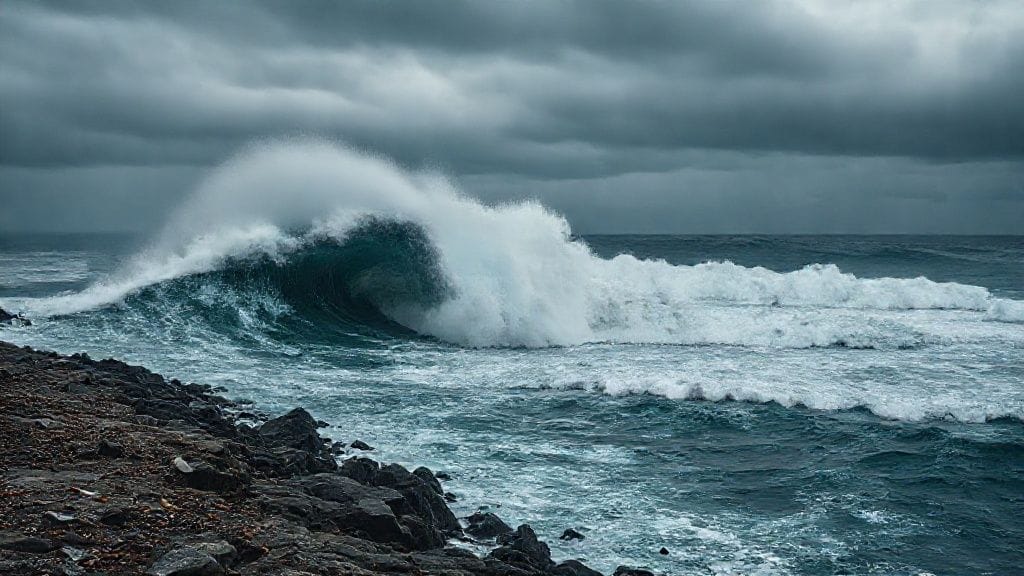
As the ocean floor shifted off Sumatra, waves radiated outward, growing in height as they neared shallower waters. This towering tsunami was composed of multiple waves, each capable of widespread destruction.
Traveling at speeds of up to 800 km/h in deep ocean, the tsunami crossed the Indian Ocean rim in a matter of hours. Countries closer to Sumatra bore the brunt first, with Indonesia suffering catastrophic losses.
Somalia, on the western rim, was an unlikely victim. Yet the wave’s velocity diminished only slightly after crossing thousands of kilometers. When it struck the Somali coast four to five hours after the earthquake, the tsunami’s energy was still overwhelming, hitting a coastline not prepared for such ferocity.
Somalia’s Unprepared Coast: Geography and Vulnerabilities
Somalia’s coastline stretches nearly 3,000 kilometers along the Indian Ocean, featuring vast arid plains, sandy beaches, and scattered fishing villages. Its location on Africa’s Horn places it opposite some of the most volatile tectonic boundaries, yet it has historically faced few natural disasters of this kind.
The low elevation of the coast, combined with a lack of tsunami education or warning mechanisms, rendered communities helpless. Political instability throughout the 1990s and early 2000s, including ongoing civil conflict and lack of central government control, severely limited disaster preparedness and relief capacity.
Infrastructure was minimal; emergency communication systems were nonexistent. Coastal populations were reliant on oral knowledge and experience, neither of which had prepared them for this oceanic catastrophe. It was a ticking time bomb, waiting to be unleashed by forces beyond local comprehension.
The First Wave Hits: A Tale of Sudden Devastation
Between mid-afternoon and early evening local time on December 26, the first massive waves—some reportedly over 10 meters in height—swept ashore with terrifying speed. Villages near the port town of Hafun bore the initial impact.
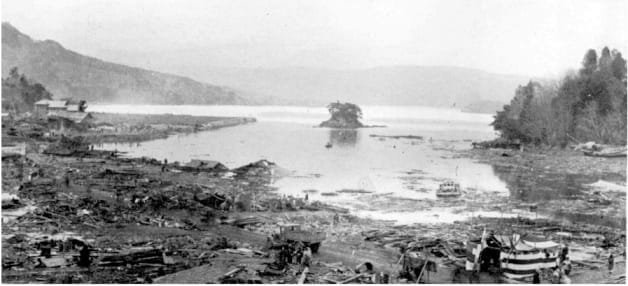
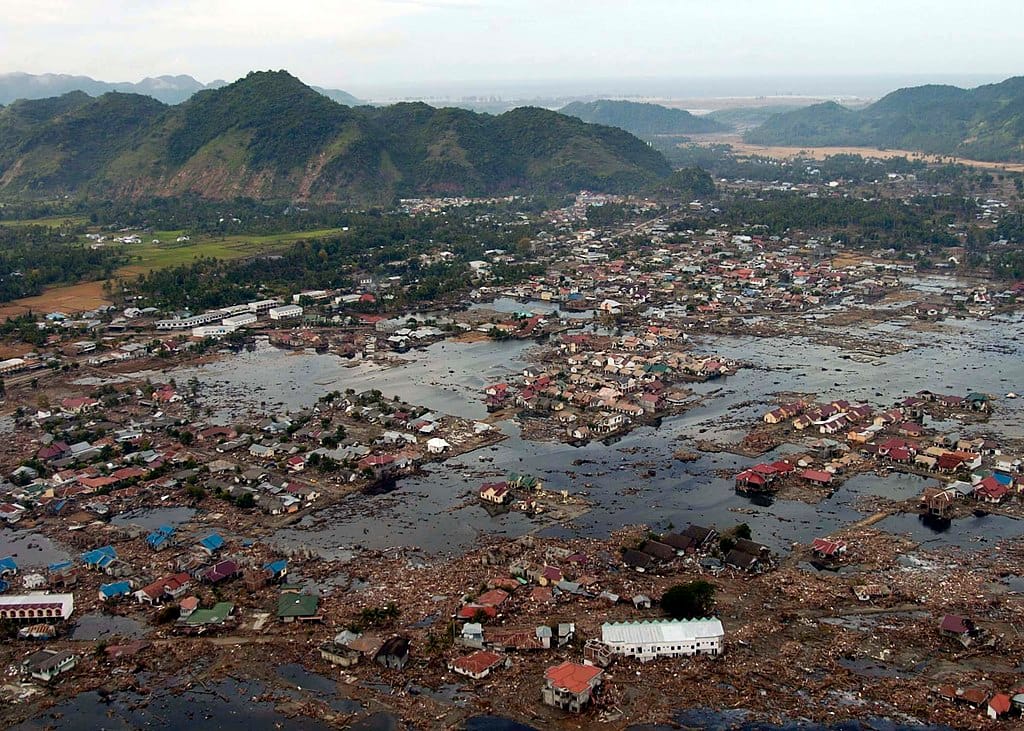
Eyewitness accounts spoke of water retreating eerily, then crashing forward with monstrous walls of water. Homes built of simple materials like wood, mud, and palm fronds were swept away. Entire families vanished in moments; survivors recall desperate attempts to climb any elevation, trees, or rooftops.
In some areas, three or four waves struck over an hour or more, compounding destruction. Fishing boats were shredded against rocks or dragged miles inland. Roads crumbled, farmland was inundated with saltwater, and entire ecosystems were disrupted.
Chaos on the Shoreline: Human Stories of Loss and Survival
The human cost was staggering. Though Somalia was spared the death tolls seen in Indonesia or Sri Lanka due to lower population density, at least 300 people died, and thousands were rendered homeless along the Somali coast.
Survivors recall moments of disbelief and horror. One fisherman, Mohamed Aden, recounted later: "The sea disappeared, like it was sucked backwards. Before we understood, a giant wall of water came crashing in. Houses, animals, everything swept away. We ran, but many could not escape."
Children wept for lost parents; elders mourned the erasure of ancestral homes. The emotional shock was unequaled in recent memory, deepening long-standing trauma bred by years of conflict and hardship.
Local Response and the Struggle for Rescue
Immediately after the tsunami, local communities sprang into action despite limited resources. Neighbors rescued those trapped in debris, carried the wounded for miles in search of help, and organized water and food distributions.
But the scale of destruction overwhelmed local capacity. Roads were impassable, telecommunications crippled, and villages isolated. Efforts were hampered by Somalia’s fragile security situation and the lack of central governance.
In many coastal towns, survivors gathered to care for the injured and bury the dead, turning to prayer and community ritual to cope. Yet amidst despair, gestures of human compassion and solidarity blossomed against the odds.
International Awareness: Somalia in the Shadow of Asia’s Tragedy
Global attention fixated primarily on Indonesia, Sri Lanka, India, and Thailand—where tens of thousands died. Somalia, thousands of kilometers from the epicenter and suffering fewer casualties, remained largely off the world’s radar.
Humanitarian agencies initially struggled to confirm the extent of the disaster along Somalia’s coast due to lack of communication infrastructure and ongoing civil unrest. Media coverage was scarce, and Somalia’s needs were underreported.
This neglect was disheartening for survivors and international observers who stressed that Somalia’s tsunami experience reflected the broader challenge of disaster vulnerability in fragile states.
The Challenge of Aid Delivery in the Forgotten Corner of the Indian Ocean
Delivering aid to the affected Somali coast was an uphill battle. The country lacked a functioning government, and security concerns limited the access of international NGOs and UN agencies.
Humanitarian convoys faced threats from armed militias, difficult terrain, and damaged infrastructure. Logistics were complicated by the remoteness of coastal villages, many accessible only by boat or on foot.
Despite these obstacles, several organizations focused on relief efforts—providing emergency medical care, food supplies, clean water, and shelter materials. However, response efforts were slow and insufficient compared to the scale of destruction.
The Environmental Aftermath: Coastal Ecosystems Reborn or Ruined?
Beyond the human crisis, the tsunami left lasting scars on Somalia’s fragile coastal ecosystems. Mangrove forests, coral reefs, and sandy beaches, which supported fisheries and provided natural storm defenses, were inundated with saltwater or ravaged by the pounding waves.
Fisheries suffered due to habitat destruction and fish stock displacement. Inland agricultural land was salinized, reducing arable land and jeopardizing food security for coastal communities.
Yet nature’s resilience surfaced: in some zones, debris carried by the tsunami enriched coastal sediment layers, and disturbed ecosystems began slow cycles of regeneration, hinting at a delicate balance between devastation and renewal.
The Socioeconomic Ripple Effects on Somalia’s Fragile Fabric
Somalia was already wrestling with poverty, lack of infrastructure, and political fragmentation. The tsunami aggravated these conditions by destroying livelihoods, homes, and local economies.
Fishing—an economic mainstay along the coast—was particularly crippled. Loss of boats and gear, destruction of markets, and displacement of peoples meant months of recovery awaited.
The disaster also deepened food insecurity and inflation in coastal zones. Internally displaced persons strained already minimal social services and community cohesion.
In a country where governance was decentralized and clan affiliations shaped society, the tsunami added a new layer of complexity to fragile socio-political dynamics.
Global Lessons from the Indian Ocean Disaster
The 2004 tsunami was a watershed moment for global disaster awareness. Somalia’s experience highlighted the limitations of early warning reach and the need to include all coastal nations in hazard preparedness.
It exposed the inequities in international attention and response in fragile states, reinforcing the fact that natural disasters do not respect political boundaries.
Humanitarian organizations and governments tasked with disaster risk management drew lessons on integrating community education, remote sensing, and information technologies—extended to low-capacity settings.
The Birth of a Regional Tsunami Warning System
One of the most important legacies of the 2004 tsunami was the development of the Indian Ocean Tsunami Warning and Mitigation System.
Driven by the tragedy’s scale, countries across Asia, Africa, and Oceania coordinated to establish seismic monitoring stations, deploy ocean sensors, and formalize communication networks.
Somalia eventually became part of this network, raising hopes that the next great wave would find these coasts better prepared, warned, and resilient.
Remembering Somalia’s Tsunami: Memorials and Collective Memory
Though overshadowed globally, Somali communities have preserved the memory of the tsunami through oral history, poetry, and occasional commemorations.
Villages like Hafun have small memorials honoring the dead and reminding younger generations of nature's unpredictable fury.
These remembrances foster communal bonds and underscore the urgent need for disaster education.
Resilience Amid Ruins: How Communities Rebuilt
Despite the enormity of loss, coastal Somali communities demonstrated remarkable resilience. Families salvaged what remained; fishermen fashioned new boats; local leaders rallied.
Reconstruction was slow and piecemeal but permanent. International aid, when it arrived, supplemented indigenous revival efforts.
This resilience speaks of human determination to reclaim life even from the depths of disaster.
The Role of NGOs and International Cooperation in Recovery
Non-governmental organizations, including the Red Cross, Médecins Sans Frontières, and various UN agencies, mobilized funds and expertise to assist Somali tsunami victims.
Projects included rebuilding shelters, restoring water sources, and providing healthcare. Capacity-building initiatives aimed at strengthening local disaster preparedness emerged.
Yet chronic insecurity and limited funding challenged sustained progress.
The Forgotten Frontline: Why Somalia’s Story Remains Lesser Known
Despite its tragic impact, Somalia’s tsunami experience remains less known due to geopolitical isolation, media focus on more immediate conflicts, and global attention centered on higher death tolls.
This relative invisibility risks marginalizing affected populations and erasing critical lessons in disaster inclusivity.
Amplifying Somalia’s story enriches global understanding of disaster geography beyond headline-grabbing epicenters.
Reflection on Nature’s Fury and Human Fragility
The 2004 Indian Ocean tsunami revealed the ocean’s might and humanity’s fragile foothold along its shores. Somalia’s suffering epitomizes the vulnerability of marginalized peoples in remote or unstable regions.
Yet it also embodies the courage to confront tragedy, rebuild with dignity, and insist on inclusion in a safer, better-prepared world.
Conclusion: The Enduring Echoes of the 2004 Somalia Coast Tsunami
The tsunami that struck Somalia’s coast in December 2004 was an extraordinary convergence of global geological forces and local human frailties. Thousands of miles from the earthquake’s epicenter, the waves wrought devastation, chaos, and sorrow in communities unprepared and unheard.
But from this tragedy came enlightenment—about the reach of natural disasters, the gaps in global aid frameworks, and the indomitable spirit of those battered by nature’s fury.
Somalia’s story is a solemn reminder: disaster can strike anywhere, often in places least equipped to survive. Remembering these events is not merely an act of history but a vital step toward empathy, equity, and prevention.
FAQs
Q1: What caused the tsunami that struck Somalia in 2004?
A1: The tsunami was triggered by a massive megathrust earthquake off the coast of northern Sumatra, Indonesia. This earthquake displaced a colossal volume of seawater, sending tsunami waves across the Indian Ocean, reaching Somalia’s coast several hours later.
Q2: How severe was the impact of the tsunami on Somalia?
A2: While Somalia’s death toll was lower compared to countries closer to the epicenter, the tsunami caused over 300 deaths, displaced thousands, and devastated coastal villages, destroying homes, livelihoods, and infrastructure.
Q3: Why was Somalia so unprepared for the tsunami?
A3: Somalia lacked an early warning system, public awareness, and disaster infrastructure due to political instability, underdevelopment, and geographic isolation. The country had little historical experience with tsunamis, leading to high vulnerability.
Q4: How did the international community respond to Somalia’s tsunami disaster?
A4: Humanitarian organizations attempted relief efforts but faced significant challenges due to Somalia’s fractured security situation, poor infrastructure, and logistical difficulties, which limited the speed and scale of aid.
Q5: What lasting environmental effects did the tsunami cause along the Somali coast?
A5: The tsunami damaged coastal ecosystems like coral reefs and mangroves, salinized agricultural land, and disrupted fisheries, impacting local economies and food security for extended periods.
Q6: Has Somalia improved its tsunami preparedness since 2004?
A6: Yes, Somalia has been included in the Indian Ocean Tsunami Warning System, increasing its capacity to receive alerts and prepare for future events. However, challenges remain due to ongoing governance and development issues.
Q7: Why is Somalia’s experience of the tsunami less known globally?
A7: Media and global attention focused primarily on countries with higher casualties and infrastructure damage near the epicenter. Somalia’s political instability and remote location contributed to less coverage and aid visibility.
Q8: What lessons does Somalia’s tsunami story offer to the world?
A8: It highlights the importance of inclusive disaster preparedness, early warning extension to all vulnerable regions, and the need for equitable humanitarian response regardless of geopolitical contexts.