Table of Contents
- The Night the Earth Roared: Calabria Tsunami, February 1783
- Italy’s Southern Crown on the Brink: A Land of Fire and Faultlines
- The Fiery Prelude: Seismic Tensions beneath Calabria’s Surface
- The Sequence of Shocks: Earthquakes That Shattered the Land
- When the Sea Turned Against the Shore: The Sudden Arrival of the Tsunami
- Witness to Chaos: Eyewitness Accounts of Destruction and Despair
- Cities and Villages in Ruins: The Human Toll and Physical Devastation
- Survival Amidst Ruins: Tales of Courage and Tragedy
- The Trembling aftershocks: Continuing Nightmares Beneath the Earth
- Government Response and Local Relief Efforts: Early Human Attempts to Heal
- Scientific Understanding in the 18th Century: The Mystery of the Calabria Disaster
- Religious and Cultural Interpretations: Divine Wrath or Natural Catastrophe?
- Economic Collapse and Long-Term Social Impact: Calabria’s Struggles Post-Disaster
- Migration and Demographic Changes: A People Displaced by the Earth’s Fury
- Memory and Myth: How the 1783 Calabria Tsunami Lived on in Collective Consciousness
- Modern Perspectives: Revisiting the 1783 Calabria Tsunami Through Today’s Lens
- Lessons Learned: Seismic Risk and Preparedness in Calabria and Beyond
- The Calabria Fault System: The Geological Heartbeat Behind the Catastrophe
- Comparative Analysis: The Calabria Tsunami Among Mediterranean Disasters
- Writing History from Ruins: How the 1783 Calabria Event Shaped Seismology
- Conclusion: The Enduring Legacy of a Land and Sea in Conflict
- FAQs: Answering Persistent Questions on the Calabria Tsunami
- External Resources: Expanding the Horizon on the 1783 Calabria Tsunami
- Internal Link: Further Historical Exploration at History Sphere
1. The Night the Earth Roared: Calabria Tsunami, February 1783
The cold night of February 5, 1783, brought an earth-shattering awakening to the inhabitants of southern Italy, as if the earth itself screamed in agony. In Calabria, the southernmost tip of the Italian peninsula, a violent sequence of earthquakes shook the foundations of centuries-old towns, sending panicked crowds stumbling amidst crumbling walls and skies illuminated by ghostly flashes. But the devastation was far from over. From the restless depths of the Tyrrhenian Sea, monstrous waves rose, rushing inland with terrifying force—a tsunami unleashed by the underworld’s upheaval.
This night merged elemental fury—earth and water colliding in an apocalyptic ballet—forever altering Calabria's history. The tragedy would claim tens of thousands of lives, reduce thriving settlements to rubble, and etch itself into the annals of natural disasters as one of the most devastating seismic events in Italian history. Yet behind the statistics and ruins linger stories of human resilience, bewilderment, and the dawning realization of nature’s unsparing power.
The Calabria tsunami of 1783 demands more than just examination by seismologists or historians; it requires immersion into the heart of a society shaken to its roots, grappling with despair and bewilderment. It demands the retelling of a moment when the earth heaved violently—and the sea, once a source of life and livelihood, became an agent of death.
2. Italy’s Southern Crown on the Brink: A Land of Fire and Faultlines
Calabria, Italy’s rugged toe-shaped peninsula, is a land marked by contrast—fertile valleys shoulder mountains gnarled with centuries-old olive groves; vibrant fishing hamlets nestle beneath thunderous skies; ancient Greek and Roman ruins pepper the landscape, silent witnesses of epochs past. But beneath this idyllic visage lay a restless geography. The region is perched on the junction of the African and Eurasian tectonic plates, where the earth's crust buckles and tears, creating one of the Mediterranean’s most seismically active zones.
In the 18th century, Calabria was a mosaic of small agricultural communities, governed under the Kingdom of Naples. Life was hard but rhythmical, bound to the cycles of farming, fishing, and local trade. Many communities had endured centuries of hardship: invasions, plagues, and occasional tremors. Yet, nothing had prepared them for the catastrophic events about to unfold in the bitter winter of 1783.
The people of Calabria lived hand-to-mouth, their faith deeply intertwined with superstition and the Church. Rumors of divine punishment for sins were common, a cultural lens through which natural disasters were often interpreted. But while the people awaited a harsh winter storm, the shaking of the earth would soon herald a far deadlier tempest.
3. The Fiery Prelude: Seismic Tensions beneath Calabria’s Surface
In the months leading up to February 1783, the earth beneath Calabria had already started murmuring ominously. Minor tremors had unsettled the populace, unsettling windows and rattling nerves. Behind these subtle signs loomed the intricate Calabria fault system, where the African plate pushed inexorably northward, creating strains in the rocky crust.
Geologically, the region sits at the southern edge of the Apennine Mountains, a seismic hotbed fed by complex fault lines slicing through the land and extending beneath the sea. This tectonic pressure accumulated, until the earth’s crust could no longer hold.
Analyses of the event suggest that the fault ruptured in multiple stages, causing a chain of quakes instead of a single rupture. This foreshadowed the catastrophe: a series of violent shakes, each capable of triggering secondary disasters, including landslides and—most devastatingly—a tsunami.
For the people of Calabria, these seismic premonitions may have manifested as strange noises, unusual animal behavior, and increasing anxiety. Yet, lacking scientific understanding, no one could predict the magnitude of what was coming.
4. The Sequence of Shocks: Earthquakes That Shattered the Land
February 5 marked the beginning of a relentless seismic assault. The morning trembled first—a violent shock that reduced buildings to piles of stone in the towns of Bagnara, Oppido Mamertina, and Seminara. Villagers stumbled into streets blanketed with rubble and dust, frantic and confused.
But the ground’s agony did not relent. Each hour brought aftershocks, sometimes much stronger than initial quakes, hammering the already fragile towns. The tremors tore apart homes, churches, and entire districts. Citizens described the earth as if “split open with deep groans,” and walls that “swayed like reeds in the wind.”
Historical records reveal how vast regions—stretching from Vibo Valentia to Reggio Calabria—experienced destruction on an unprecedented scale. In total, six mainshock events occurred during February and March, each adding to the growing death toll and despair.
The quakes’ power was so immense that even Mount Etna, hundreds of kilometers away, reportedly erupted with renewed vigor, as if the volcanic heart of Italy had been stirred by Calabria’s violent convulsions.
5. When the Sea Turned Against the Shore: The Sudden Arrival of the Tsunami
Amidst the relentless shaking, the sea along Calabria’s coastline surged with a rage unprecedented in living memory.
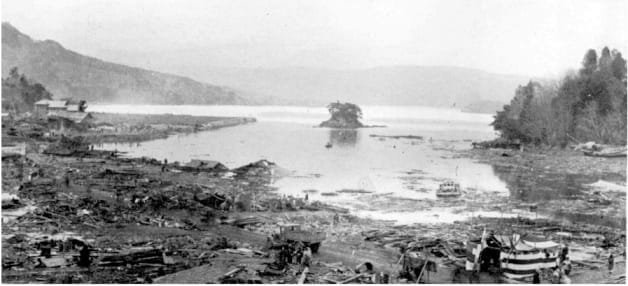
Around midday on February 5, a massive wave—up to six meters high according to survivor accounts—rushed inland following a sudden withdrawal of water. Fishermen watching the horizon leapt from their boats as the sea retreated suddenly, laying bare the ocean floor, only to be overwhelmed seconds later by a towering wave crashing with deafening force.
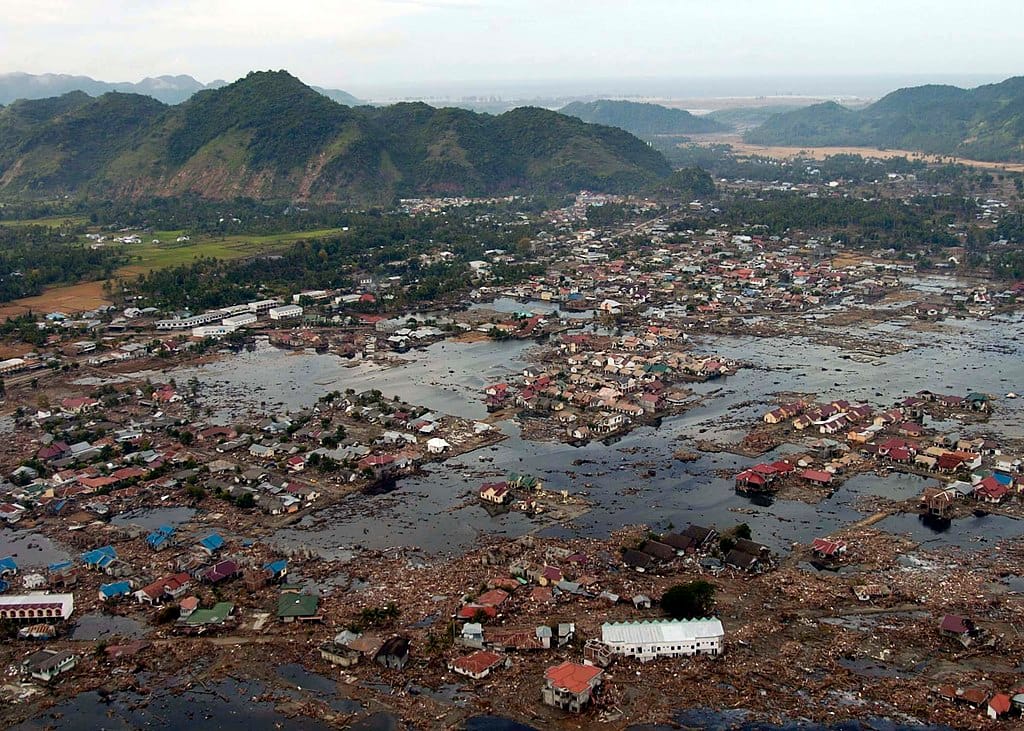
The tsunami devastated coastal villages, sweeping away docks, homes, and lives in a terrifying instant. Tales recount how entire families vanished beneath walls of water, livestock drowned en masse, and fields were inundated with salty debris.
One observer wrote chillingly: “The sea, that giver of life, turned monstrous; it swallowed all, its rage unquenched.” The multiple underwater landslides triggered by the intense shaking had generated this destructive wave, showing nature’s interconnected fury.
This tsunami remains one of the earliest well-documented tsunamis in the Mediterranean, predating modern understanding of such events and marking a grim milestone in Calabria’s tragic history.
6. Witness to Chaos: Eyewitness Accounts of Destruction and Despair
The human voices from that February are haunting. From priests scribbling frantic notes amid collapsed altars, to fishermen’s terrified testimonies, these narratives paint a vivid picture of calamity.
A letter from a local magistrate describes villagers clinging to ruins, praying aloud as the earth trembled, “screams swallowed by thunderous noise.” Another survivor narrates a desperate flight from a rising wave, watching as neighbors were dragged into the sea.
The scale of the disaster overwhelmed every capacity for rescue or relief. Isolated from rapid external aid, communities buried their dead in mass graves or abandoned ravaged towns entirely.
Despite overwhelming horror, these testimonies reveal glimmers of humanity—neighbors sharing meager bread, strangers sheltering the homeless, faith offering fragile hope amid despair.
7. Cities and Villages in Ruins: The Human Toll and Physical Devastation
Entire towns vanished beneath rubble or coastal waters. Estimates of the death toll vary, but historians agree the calamity claimed between 30,000 and 50,000 lives—a staggering proportion of the region’s population at the time.
The city of Reggio Calabria, a bustling port, was almost entirely destroyed. In coastal towns like Scilla and Bagnara, waves scoured the land clean. Agriculture, the backbone of local economy, lay in ruin, with fields covered in sand and salt deposits, compromised for years.
The infrastructure’s collapse plunged Calabria into a humanitarian crisis. Roads impassable, communication halted, survivors relied on local solidarity and oral transmission of news. The disaster severed social fabrics, breeding displacement, famine, and misery in the months following.
8. Survival Amidst Ruins: Tales of Courage and Tragedy
The catastrophe produced stories that transcended mere survival. Among these, accounts of lone rescuers who braved crumbled buildings, villagers distributing scarce food and medicine, and priests conducting funeral masses in open fields, stand out.
Legend tells of women who carried infants through the night as quakes continued, refusing to abandon hope. Others describe the poignant moments when strangers—utterly unknown—offered shelter without hesitation.
Yet tragedy was relentless. Many who escaped initial destruction succumbed to winter’s cold, disease, or despair. The psychological scars endured for generations, shaping family histories and collective memory.
9. The Trembling Aftershocks: Continuing Nightmares Beneath the Earth
Unlike a single sudden shock, the Calabria disaster unfolded over weeks. The relentless aftershocks impeded any chance of recovery, nearly eroding hope with each tremor.
Complementing the rhythm of daily terror, these aftershocks kept the population on edge; homes deemed “safe” were shattered anew, and the specter of another wave loomed as the coastline remained unstable.
This relentless seismicity deepened the sense that the earth remained a living, breathing force of destruction, a humbling reminder of humanity’s fragility.
10. Government Response and Local Relief Efforts: Early Human Attempts to Heal
The Kingdom of Naples, governing the region, scrambled to raise aid amidst overwhelming damage and limited resources.
Officials dispatched troops for order maintenance and relief supplies, but logistics hampered efforts. Funds were promised, though often slow to materialize. Church institutions became centers for shelter and food distribution, anchoring communities’ shattered hopes.
Though inadequate by modern standards, these early relief attempts revealed emerging ideas about disaster response and governance in crisis—a foreshadowing of future humanitarian efforts.
11. Scientific Understanding in the 18th Century: The Mystery of the Calabria Disaster
At the time, the science of earthquakes and tsunamis was rudimentary. Many saw the events as divine punishment; some speculated about bubbling gases or underground fires, but reliable explanations remained elusive.
Geologists and natural philosophers later scrutinized the Calabria disaster, laying groundwork for modern seismology. The event spurred interest in understanding tectonic causes, fault activity, and seismic risk—a tragic catalyst for enlightenment in natural sciences.
12. Religious and Cultural Interpretations: Divine Wrath or Natural Catastrophe?
In the deeply Catholic society of 18th-century Calabria, the disaster was often framed within a spiritual narrative.
Preachers decried moral decay; communities organized penitential processions and prayers seeking forgiveness. Superstitions flourished—omens, rituals, and stories imbued the tragic season with meaning beyond earthly causes.
This blending of faith and fear shaped the collective psyche and influenced responses for decades.
13. Economic Collapse and Long-Term Social Impact: Calabria’s Struggles Post-Disaster
The destruction of infrastructure, farmland, and population led to economic devastation lasting decades.
Trade routes severed, labor scarce, agriculture crippled, Calabria’s economy sank into a prolonged depression. Many survivors fled to northern Italy or overseas, chasing livelihoods that their ruined homeland could no longer offer.
Patterns of poverty deepened, and social inequalities widened, hampering recovery and fostering cycles of hardship.
14. Migration and Demographic Changes: A People Displaced by the Earth’s Fury
In the aftermath, waves of migration reshaped Calabria’s demographics. Entire families uprooted, seeking stability elsewhere.
This diaspora would influence Italian migration trends well into the 19th century, contributing to the expansion of Italian communities abroad—particularly in the Americas.
The trauma left deep imprints, creating a culture of loss and endurance in the region’s descendants.
15. Memory and Myth: How the 1783 Calabria Tsunami Lived on in Collective Consciousness
For generations, oral histories preserved the trauma—stories of the earth’s fury passed from grandparents to grandchildren.
Local folklore entwined with factual accounts, producing legends that warning signs of quakes and waves were intertwined with nature’s soul. Festivals, songs, and monuments commemorate the disaster, embedding it in Calabria’s cultural identity.
16. Modern Perspectives: Revisiting the 1783 Calabria Tsunami Through Today’s Lens
Today, historians and geologists dissect the event using advanced tools: paleoseismology, sediment analysis, and archival research.
These studies reveal precise fault ruptures, tsunami wave heights, and earthquake magnitudes approximating 7.0–7.1 on the Richter scale. This scientific clarity honors the memory of the victims while contributing vital knowledge for hazard mitigation.
17. Lessons Learned: Seismic Risk and Preparedness in Calabria and Beyond
The 1783 disaster stands as a grim warning about the risks posed by Calabria’s geology.
Modern Italy invests in seismic monitoring, early warning systems, and building codes designed to withstand quakes. The event underscores the critical importance of preparedness, especially in seismically active Mediterranean zones.
18. The Calabria Fault System: The Geological Heartbeat Behind the Catastrophe
At the core of the disaster lies the Calabria fault system—a network of thrust and strike-slip faults driven by tectonic collision.
This complex system continues to generate seismic activity, demanding continued vigilance and study.
19. Comparative Analysis: The Calabria Tsunami Among Mediterranean Disasters
While tsunamis are rare in the Mediterranean compared to Pacific coasts, Calabria’s 1783 catastrophe joins a grim list including the 1908 Messina tsunami and others—reminding Europe of its seismic vulnerability.
Comparisons reveal unique triggers and effects, expanding global understanding of tsunamigenic mechanisms.
20. Writing History from Ruins: How the 1783 Calabria Event Shaped Seismology
By stimulating scientific curiosity, the catastrophe fueled early theories of plate movements, fault mechanics, and tsunami genesis.
Pioneering studies following the disaster contributed to the nascent field of geology and seismic science—transforming Calabria’s tragedy into a fountain of knowledge.
Conclusion
The Calabria tsunami of February 1783 was not merely a moment of geological violence—it was a human tragedy surpassing even the earth’s fury. In that terrible winter, mountains shook, villages crumbled, and the sea itself rose to claim souls indiscriminately. Yet amid destruction, resilience flickered: in shared grief, in enduring faith, and in the quest to understand the forces that upend life.
This event echoes through centuries as a testament to humanity’s vulnerability and determination. It reminds us that while nature’s fury is unpredictable and often merciless, it also propels humankind to advance knowledge, foster solidarity, and prepare for the tragedies ahead.
Calabria’s shattered past is etched into the land and hearts of its people. It is a solemn legacy—but also a beacon lighting the way toward respect, readiness, and hope.
FAQs
Q1: What caused the 1783 Calabria tsunami?
A1: The tsunami was triggered by a series of powerful earthquakes along the Calabria fault system, which caused underwater landslides and sudden sea-floor displacement, generating destructive waves along the coast.
Q2: How many people died during the Calabria seismic disaster?
A2: Estimates indicate between 30,000 and 50,000 casualties, reflecting one of the deadliest seismic events in Italian history.
Q3: Were tsunamis common in the Mediterranean before 1783?
A3: Tsunamis are relatively rare in the Mediterranean compared to other regions, but the 1783 Calabria tsunami is among the earliest well-documented cases in the area.
Q4: How did contemporaries interpret the disaster?
A4: Most people at the time saw the disaster as divine punishment, interpreting it through religious and superstitious lenses, as scientific explanations were not yet developed.
Q5: What lasting impact did the event have on Calabria’s society?
A5: The disaster led to massive social and economic disruption, forcing migration, reshaping demographics, deepening poverty, and imprinting trauma on the collective memory.
Q6: How has modern science revisited the Calabria tsunami?
A6: Using paleoseismic studies, sediment analysis, and historical documentation, scientists have reconstructed the scale, fault mechanisms, and tsunami characteristics to improve understanding and hazard preparedness.
Q7: Did the Kingdom of Naples provide adequate relief?
A7: Relief efforts were limited by contemporary logistical constraints and resources, though the government and Church attempted aid and order restoration amid widespread devastation.
Q8: What can be learned today from the 1783 Calabria tsunami?
A8: The event underscores the necessity of seismic monitoring, public education, disaster preparedness, and resilient infrastructure in seismic zones to reduce future catastrophe impact.