Table of Contents
- The Dreaded Roar: Dawn of the Kolumbo Tsunami
- Aegean Sea, 1650: A Region on the Edge
- Kolumbo Volcano: The Sleeping Giant Beneath the Waves
- Earth Trembles: The Prelude to Disaster
- The Eruption Unleashed: Flames, Smoke, and Fury
- The Birth of the Tsunami: Waves of Doom
- Coastal Villages Engulfed: Human Tragedy in the Wake
- Voices Lost: Eyewitness Accounts and Oral Histories
- The Maritime Catastrophe: Ships Sunk, Sailors Lost
- After the Roar: Immediate Aftermath and Emergency Response
- The Deadliest Volcanic Tsunami in the Mediterranean: Scale and Impact
- Regional Reverberations: Socio-Economic Shockwaves
- From Ashes to Myths: The Cultural Memory of Kolumbo
- Scientific Discoveries Through Centuries: Understanding the Event
- Modern-Day Lessons: Tsunami Preparedness and Volcanology
- Conclusion: Eternal Lessons Carved by Kolumbo’s Fury
- FAQs: The Kolumbo Tsunami Unveiled
- External Resource: Wikipedia Link to Kolumbo Volcano
- Internal Link: Visit History Sphere
The Dreaded Roar: Dawn of the Kolumbo Tsunami
The morning of September 29, 1650, began like any other in the sun-dappled villages lining the Aegean Sea’s rugged coastline. Fishermen mused over nets and children chased each other along cobbled streets. Yet, beneath the tranquil surface of the deep blue waters, an ancient force stirred. The Kolumbo volcano, sleeping quietly beneath the waves northeast of Santorini, was awakening.
Suddenly, the earth rumbled. A volcanic roar shattered the calm. Furious plumes of smoke and ash shot skywards, blotting out the sun. Then came waves—surging, monstrous—crashing onto shores with merciless force. The Kolumbo tsunami had been unleashed, a brutal reminder of nature’s unforgettable wrath.
Aegean Sea, 1650: A Region on the Edge
The mid-17th century Aegean Sea was a mosaic of cultures, empires, and fortunes. Under the shadow of the Ottoman Empire’s dominance, Greek islands like Santorini thrived as maritime hubs connecting East and West. Communities depended heavily on the sea—for fishing, trade, and sustenance—but remained vulnerable to nature’s tempests.
Little did they know, far beneath their feet, a violent tremor was waking an underwater giant: Kolumbo. This submarine volcano’s dormant years had lulled the islanders and sailors into complacency. Yet that morning, tension snapped, setting off a chain of cataclysmic events that would etch itself into history.
Kolumbo Volcano: The Sleeping Giant Beneath the Waves
Rising some 500 meters from the seabed, Kolumbo’s peak lies just about 70 meters below the sea surface. Unlike the towering volcanic islands glittering with white villages, Kolumbo was hidden underwater—its presence known only to keen geographers and fishermen wary of sudden eruptions.
Its last eruption before 1650 had been silent, with the volcano often underestimated. But its undersea vent’s sudden fury released pressure that the earth could no longer contain. When the crust ruptured catastrophically, it wasn’t merely an eruption—it was a convulsion of nature capable of reshaping coasts and lives.
Earth Trembles: The Prelude to Disaster
Reports from the time recount days of minor quakes felt across Santorini, Naxos, and nearby islands, unsettling the population. The earth grumbled as if mourning a coming calamity. Islanders lit candles in ancient Orthodox chapels, praying for mercy from powers they barely understood.
On the fateful 29th, the rumbling crescendoed into a violent shaking. Walls trembled, windows shattered, and the seas swirled relentlessly. Then the sky darkened with thick clouds of volcanic ash—a harbinger of the catastrophe to come. This seismic uproar was the grim overture to Kolumbo’s titanic eruption.
The Eruption Unleashed: Flames, Smoke, and Fury
At the heart of the Kolumbo caldera, a volcanic explosion birthed flames that licked the sky and smoke that turned day into night. Fiery bombs and scalding gas spewed into the waters, rapidly boiling sea and forging new underwater landscapes.
The violence was not contained beneath. The eruption’s thrust triggered a massive displacement of water, sending ripples that grew monstrously into a crushing wave. This was more than an eruption: it was an elemental assault on every coastal life form.
The Birth of the Tsunami: Waves of Doom
Tsunamis had long been feared by Mediterranean sailors and fishermen, but few anticipated the Kolumbo volcano’s capability to spawn one. Within moments of the eruption, the sea violently withdrew from shorelines—a silent yet ominous prelude. Then, towering walls of seawater raced inland at frightening speeds.
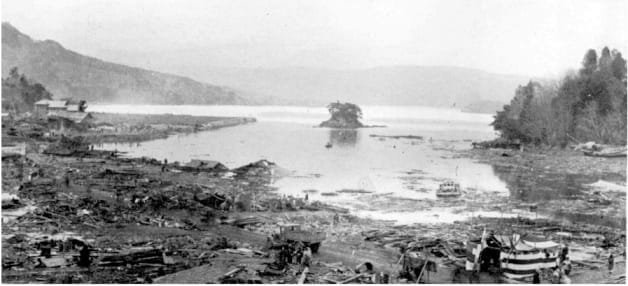
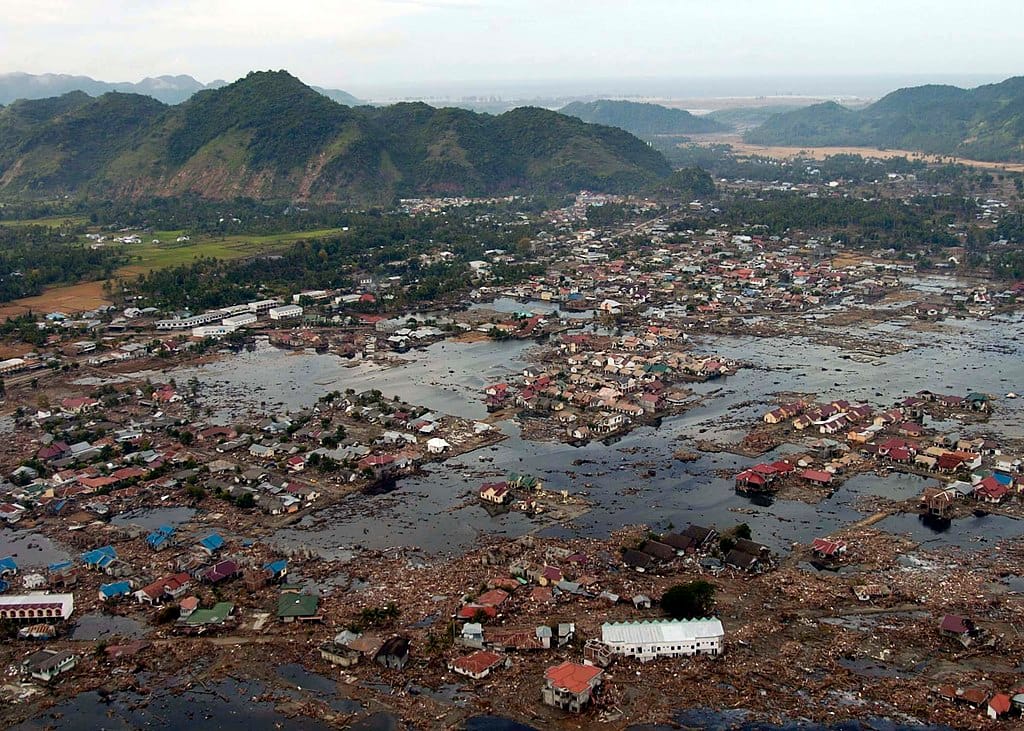
The tsunami’s height reached tens of meters in places, drowning harbors, sweeping villages away, and swallowing orchards along the coast. The wave annihilated everything in its path—homes, boats, livestock. For many, there was neither warning nor escape.
Coastal Villages Engulfed: Human Tragedy in the Wake
The human toll of the Kolumbo tsunami was staggering. Entire communities vanished beneath the merciless surge as screams mingled with the thunderous crash of waves. Survivors pieced together fragmented tales of families torn apart, homes reduced to rubble, and neighbors lost to the depths.
Archival records from that era, sparse yet poignant, speak of several hundred lives lost, though estimates vary. The psychological trauma endured cast long shadows over the affected islands for generations. Towns that had flourished were forced to rebuild from skeletal ruins.
Voices Lost: Eyewitness Accounts and Oral Histories
Though the 17th century saw limited literacy and scarce documentation, fragments of eyewitness testimonies survived. One Santorini monk described waves "like moving mountains," with flames reflected ominously on water's surface. Fishermen told stories passed down, of sudden darkness and water that "ate the land."
Oral traditions enriched the event’s legacy, embedding it into local folklore where Kolumbo's wrath became both cautionary tale and eternal nightmare. These human voices breathe life into cold history, making the tragedy palpable centuries later.
The Maritime Catastrophe: Ships Sunk, Sailors Lost
The Aegean Sea’s narrow channels and numerous islands had always been bustling with seafaring vessels. The tsunami unleashed chaos across these waters—sinking dozens of ships, scattering fleets, and drowning crews unprepared for such violence.
Trade routes were disrupted, maritime economies crippled, and tales emerged of heroic rescues alongside tragic drownings. Anchored ships were dashed like toys against rocks, and sailors who watched calmly at dawn soon found themselves in life-or-death battles with an unforgiving sea.
After the Roar: Immediate Aftermath and Emergency Response
In the disaster’s aftermath, surviving communities faced an overwhelming humanitarian crisis. Food stores destroyed, infrastructure obliterated, and shelters scarce, islanders banded together driven by desperation and hope.
The Orthodox Church played a vital role, organizing relief and spiritual comfort. Despite scarce resources and limited communication, neighbors from unaffected areas sent aid, demonstrating early forms of disaster solidarity. Yet recovery was slow and fraught with hardship.
The Deadliest Volcanic Tsunami in the Mediterranean: Scale and Impact
Kolumbo’s 1650 eruption is considered the deadliest volcanic tsunami in the Mediterranean basin, a stark reminder that the region is fertile ground for such rare but lethal natural disasters. The tsunami waves reached heights and speeds that modern analogues struggle to match.
Its scale remains impressive: hundreds perished, vast areas were reshaped, and marine ecosystems disrupted for decades. The event's magnitude challenged contemporary understanding and left indelible scars on regional geography and society.
Regional Reverberations: Socio-Economic Shockwaves
The disaster’s ripples extended beyond immediate destruction. Trade was hampered for years as ports were rebuilt. Fishing—the lifeblood of island economies—was decimated. Many families, dependent on the sea, found themselves destitute.
Politically, the Ottoman administration faced difficulties managing relief efforts and reconstruction amid wider regional instabilities. The event intensified pre-existing social tensions, accelerating demographic changes as some survivors emigrated to safer mainland areas or abroad.
From Ashes to Myths: The Cultural Memory of Kolumbo
As decades passed, Kolumbo’s eruption shifted from a factual disaster to a mythic symbol in Aegean culture. Songs, poems, and legends proliferated, singing of the “fire mountain” and the wrathful sea.
These narratives served both as cultural catharsis and practical warnings against complacency. The volcano became a character in local identity—a reminder of human fragility and nature’s unpredictable might.
Scientific Discoveries Through Centuries: Understanding the Event
It was not until the 20th century, with advances in volcanology and archaeology, that Kolumbo’s 1650 eruption was systematically studied. Marine geology mapped underwater calderas; tsunami models reconstructed wave dynamics; sediment layers traced ash fall.
Researchers pieced together the ancient tragedy with modern precision, revealing insights into submarine eruptions and tsunami genesis. This knowledge enhanced hazard assessments for the seismically active Mediterranean and informed global volcanic risk management.
Modern-Day Lessons: Tsunami Preparedness and Volcanology
Kolumbo’s legacy extends to present-day disaster science. It underscores the need for tsunami warning systems in the Mediterranean, which, unlike Pacific counterparts, often lack robust early alerts.
Today, Greek authorities and international bodies emphasize continuous monitoring of submarine volcanoes and community education in vulnerable coastal zones. Kolumbo’s story fuels vigilance, aiming to prevent a repeat of the 1650 catastrophe.
Conclusion: Eternal Lessons Carved by Kolumbo’s Fury
The Kolumbo tsunami of September 29, 1650, stands both as a human tragedy and a profound natural event. Its violent awakening shattered lives but also etched enduring lessons into history’s page. In the roiling waters of the Aegean, beneath the azure skies, nature’s power showcased itself in its rawest form.
Yet, beyond devastation, the event connects us across time—reminding us of our fragile place in the world and the wisdom garnered from suffering. The echoes of Kolumbo urge respect, preparedness, and humility. Because while the sea may rage and the earth may shake, humanity's resilience endures.
FAQs: The Kolumbo Tsunami Unveiled
Q1: What caused the Kolumbo tsunami in 1650?
A1: The tsunami was triggered by an underwater volcanic eruption at the Kolumbo volcano in the Aegean Sea. The violent expulsion of magma and seismic activity displaced a massive volume of water, generating the devastating tsunami waves.
Q2: How many people were affected by the Kolumbo tsunami?
A2: Precise numbers are unknown, but historical accounts estimate several hundred fatalities, with thousands displaced in coastal villages. The tsunami destroyed homes, ships, and infrastructure throughout the region.
Q3: Why was the Kolumbo volcano so dangerous despite being underwater?
A3: Although submerged, Kolumbo’s eruptions can explosively displace water, provoking tsunamis. Its proximity to inhabited islands increased risk, and its underwater nature made early warnings nearly impossible in 1650.
Q4: How did this event influence scientific understanding of tsunamis in the Mediterranean?
A4: The Kolumbo eruption highlighted that submarine volcanoes could generate deadly tsunamis in the Mediterranean—a region previously thought less vulnerable—leading to increased geological research and monitoring.
Q5: Are there modern monitoring systems in place for Kolumbo and similar volcanoes?
A5: Yes. Greece and international agencies use seismic sensors, underwater observatories, and satellite surveillance to monitor submarine volcanic activity and issue alerts for potential tsunamis.
Q6: How is the Kolumbo tsunami remembered culturally in Greece?
A6: Through folklore, songs, and local legends, the event remains part of regional identity. It serves as a cautionary tale on the power of nature and the significance of preparedness.
Q7: Did the Kolumbo eruption affect the political landscape of the region?
A7: The disaster compounded Ottoman administrative challenges in the area and contributed to population shifts, economic disruptions, and social tensions, influencing local governance and demographics.
Q8: Can such a tsunami happen again in the Aegean Sea?
A8: Yes, the Aegean is geologically active. Continuous monitoring is essential, and scientists acknowledge the possibility of future eruptions with tsunami risk—though modern technology aims to mitigate impacts.
External Resource: Wikipedia Link to Kolumbo Volcano
Kolumbo (volcano) – Wikipedia)