Table of Contents
- The Black Sea Awakens: Dawn of a Natural Catastrophe
- Crimean Calm Before the Storm: The Geopolitical and Natural Context
- September 11, 1927: A Morning Haunted by Unseen Forces
- The Sudden Surge: How the Tsunami Unfolded Along the Crimean Coastline
- Yalta’s Shoreline in Peril: Eyewitness Accounts and Immediate Aftermath
- The Science Behind the Wave: Understanding the Black Sea’s Geological Instability
- Responses in the Shadows of a Turbulent USSR
- Tragedy and Resilience: The Human Toll on Coastal Communities
- International Reactions and the Challenge of a Remote Disaster
- The Role of Seismology and Marine Science in Deciphering the Event
- Reconstruction and Recovery: Yalta and Surrounding Towns Rebuilt
- The Black Sea Tsunami in Soviet Memory and Propaganda
- Lessons Learned: How the Event Shaped Future Disaster Preparedness
- The Legacy of 1927: Modern Implications in a Geostrategic Hotspot
- Today’s Crimean Coastline: Echoes of the Past Amid Political Tensions
- Conclusion: When the Sea Remembers
- FAQs
- External Resource
- Internal Link
The Black Sea Awakens: Dawn of a Natural Catastrophe
It was a bright and ordinary morning on September 11, 1927, along the Crimean coast—a sleepy world where fishermen cast their nets into the shimmering Black Sea and children laughed beneath the shadow of sunny cliffs. No one anticipated that the sea, seemingly tranquil and timeless, was about to reveal a terrifying secret. Suddenly, the water began to recede as if sucked by an unseen force, exposing the seafloor in an eerie spectacle. Moments later, a monstrous wave surged ashore with devastating power, sweeping away boats, drowning lives, and forever imprinting that day on the collective memory of those living in Yalta and beyond.
The Black Sea tsunami of 1927 is not just a footnote in natural disaster annals; it is a story of nature's unpredictable fury intertwined with human vulnerability. This event, largely eclipsed by more devastating tsunamis in the Pacific, resonates today as a reminder of the hidden dangers lurking beneath seemingly placid waters.
Crimean Calm Before the Storm: The Geopolitical and Natural Context
In the tumultuous interwar period, Crimea presented a complex tapestry of ethnicities, politics, and nature. The peninsula was caught in the throes of the Soviet Union’s rapid but inconsistent modernization efforts. Even as the Red Army sought to stabilize the region politically, beneath the surface, geological forces were at work.
Geologically, the Black Sea is a semi-enclosed basin bordered by tectonic boundaries, including the active North Anatolian Fault and destabilized submarine slopes along Crimea’s southern coast. The region was—and remains—seismically active, though tsunamis are relatively rare compared to more notorious areas like the Pacific’s "Ring of Fire."
Local populations, entrenched in centuries-old fishing and coastal trade traditions, knew the sea as both life-giver and sometimes capricious force. Tales of storms and flooding were common, but nothing prepared them for the sudden and monstrous wave of 1927.
September 11, 1927: A Morning Haunted by Unseen Forces
That day dawned cold but clear. Merchants opened their stalls along Yalta’s cobbled streets, and families prepared for harvest festivals inland. A slight tremor had been felt in the early morning, but it was dismissed as a minor earthquake, not an omen.
Without warning, the sea's surface withdrew rapidly. Fishermen watching their boats became alert, some sensing doom. Then, with a roar that drowned out the calls of seagulls, a towering wave struck the coast. Buildings near the shore buckled, and people were hurled into the swirling waters.
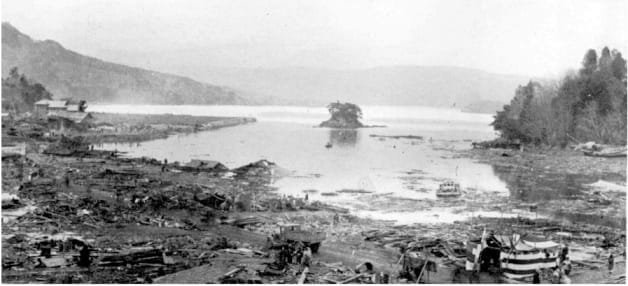
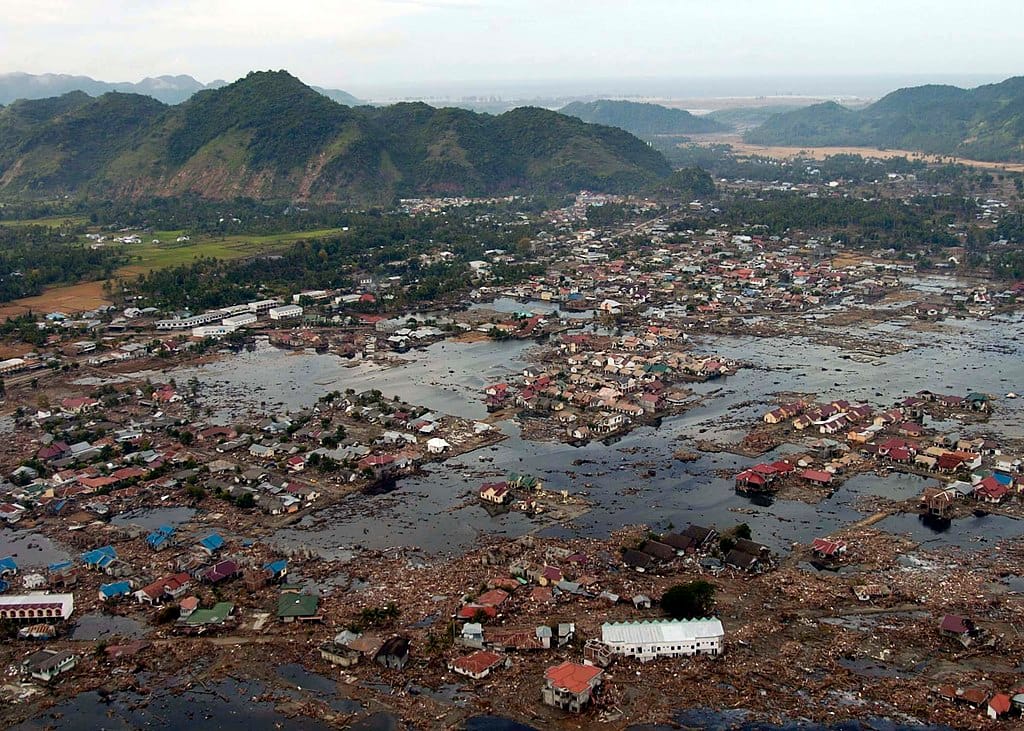
Eyewitnesses recall the surreal scenes: terrified cries blending with the crashing surf, the frantic scramble uphill, and the heartbreaking sight of homes and livelihoods being swept away. The tsunami lasted mere minutes but inflicted devastation that would take years to mend.
The Sudden Surge: How the Tsunami Unfolded Along the Crimean Coastline
The wave was generated by an underwater landslide, triggered in turn by a seismic event near the Crimean shelf. The accumulated energy was violently released, displacing millions of tons of water and transforming it into the tsunami sweeping toward populated shores.
The southern Crimean coast, with its steep underwater slopes, amplified the effect. The narrow bays, especially around Yalta, acted as funnels, increasing the wave’s height and destructive power.
Communities along the coast had no warning systems. The rapid timeline—mere minutes from the first sea retreat to overwhelming inundation—meant survival hinged on sheer luck and quick reflexes.
Yalta’s Shoreline in Peril: Eyewitness Accounts and Immediate Aftermath
Among countless survivors, Marina Petrova, a young mother, later recounted the event: "The sea disappeared like a nightmare, and I saw the fish lying on the sand. Then came the great wave. We ran, but water was everywhere, carrying away trees and houses. I held my children close, praying we would survive."
These testimonies reveal the human face of the disaster—courage, despair, and the desperate will to live. Hospitals overflowed with injured victims; the death toll, though officially minimized by Soviet authorities, was estimated in the hundreds.
Local ships and fishing boats—vital lifelines of the coastal economy—were destroyed or carried miles inland. The loss struck at the very heart of the community’s sustenance.
The Science Behind the Wave: Understanding the Black Sea’s Geological Instability
Tsunamis in the Black Sea are generally infrequent but not unprecedented. The 1927 wave resulted from an undersea landslide triggered by an earthquake measuring approximately 6.0 magnitude on the Richter scale, which destabilized sediments on steep continental slopes.
Modern science tells us that the Black Sea’s deep layers contain hydrogen sulfide, toxic and limiting aquatic life to upper strata, but also contributing to unique geological processes influencing sediment stability. Submarine landslides in this zone release immense pressures that sometimes lead to disasters like the 1927 tsunami.
Oceanographers and seismologists studied bathymetric data long after the fact to reconstruct the event, learning more about the risk factors still present today.
Responses in the Shadows of a Turbulent USSR
The Soviet state, still consolidating control over Crimea following years of civil war and social upheaval, faced a symbolic and practical challenge. Information about the tsunami’s severity was initially suppressed or downplayed to reinforce the image of Soviet invincibility and order.
Yet, the disaster exposed infrastructural weaknesses—lack of emergency preparedness, scarce medical facilities, and housing conditions vulnerable to natural shocks.
Rescue efforts were coordinated through local militia and volunteers, many of whom braved aftershocks and dangerous waters to save survivors. The government’s eventual intervention focused on reconstruction but avoided candid public discussion about the event’s causes and risks.
Tragedy and Resilience: The Human Toll on Coastal Communities
Estimates of casualties vary, but the human cost was profound. Entire families perished or were displaced. Psychological trauma lingered—some survivors haunted by the sound of the sea’s retreat, forever wary of the waves.
Nevertheless, the resilience of Crimean societies shone through. Communities rebuilt homes, reestablished fishing fleets, and held memorials—mostly private and informal—honoring lost loved ones.
Artists and writers began to reference the tsunami obliquely, capturing the tragedy as part of the rugged Crimean spirit, a land situated on the edge of empires and natural volatility.
International Reactions and the Challenge of a Remote Disaster
International awareness of the event was limited. At the time, news traveled slowly, and the Black Sea was not a primary focus for global media compared to the Pacific or Atlantic coasts.
Some foreign scientific communities received reports from the USSR, but political distrust restricted detailed cross-border research. Nonetheless, marine geologists in Turkey and Romania took note, beginning faint threads of international cooperation on Black Sea seismic monitoring.
The disaster underscored the global lesson: even relatively enclosed seas can spawn waves of destruction, demanding vigilance beyond traditional risk zones.
The Role of Seismology and Marine Science in Deciphering the Event
In the decades after 1927, the Black Sea tsunami became a case study for emerging seismological science. It highlighted the need for improved monitoring of underwater landslides, seismic activity, and early-warning capabilities.
Soviet scientists, inspired partly by the tsunami’s devastation, invested more heavily in studying regional tectonics. Their work contributed to later global understandings of tsunami genesis, especially in intracontinental seas.
International conferences gradually integrated Black Sea risks into broader frameworks of disaster preparedness and marine geological research.
Reconstruction and Recovery: Yalta and Surrounding Towns Rebuilt
Reconstruction in Yalta was arduous. The Soviet government funneled resources into rebuilding infrastructure but prioritized industrial and military projects over coastal communities. Homes were repaired with basic materials, and the fishing sector struggled to regain pre-tsunami productivity.
New coastal defenses—such as stone embankments—were constructed, albeit imperfectly, reflecting a pragmatic approach to future risk mitigation. The social fabric, tested by loss and displacement, showed remarkable durability.
Cultural life in Yalta resumed, blending souvenir tourism with renewed pride in overcoming calamity. The tsunami, though still whispered about, became woven into the local consciousness.
The Black Sea Tsunami in Soviet Memory and Propaganda
Soviet narratives sought to frame natural disasters within a context of human triumph and socialist progress. The 1927 tsunami was thus presented cautiously—acknowledged but subordinated to messages of collective strength and rebuilding.
Memorials were modest, and scientific accounts often emphasized heroic rescue efforts over failures in preparedness. The event was not politicized extensively but remained a latent memory among Crimean inhabitants and their descendants.
Only decades later would historians unearth fuller accounts from archives and personal testimonies, restoring the tsunami’s rightful place in regional history.
Lessons Learned: How the Event Shaped Future Disaster Preparedness
The Black Sea tsunami of 1927 taught painful but invaluable lessons. Authorities recognized the need for seismic and oceanographic monitoring, eventually leading to Soviet-era investments in technical observation stations.
Moreover, the event raised awareness about the vulnerabilities of coastal urban planning—covetous of the sea’s beauty but threatened by its power.
Emergency protocols evolved, though unevenly, and modern-day Crimea still grapples with the balance between exploiting its maritime location and preparing for natural hazards.
The Legacy of 1927: Modern Implications in a Geostrategic Hotspot
Today’s Crimea is a region of geopolitical contestation, layered with historical remembrance and environmental risk. The tsunami’s legacy reverberates amid climate change concerns and renewed seismic research, highlighting the need for international cooperation on Black Sea safety.
The 1927 event serves as a solemn reminder that nature’s unpredictable forces defy political borders and demand respect and preparedness regardless of era or regime.
Today’s Crimean Coastline: Echoes of the Past Amid Political Tensions
The stretch from Yalta to neighboring coastal towns hums with tourism and strategic military significance, underscored by its complex modern identity.
While recent decades have brought development and security installations, the memory of the Black Sea tsunami endures quietly in local folklore, museums, and geological surveys.
Citizens and visitors alike are reminded, through plaques and oral history, that beneath the calm waters lies a history imbued with both awe and warning.
Conclusion: When the Sea Remembers
The Black Sea tsunami of September 1927 remains a poignant testament to the bonds between humanity and nature’s latent power. It illustrates not only the vulnerability of coastal communities but also their fierce endurance in the face of tragedy.
More than a fleeting natural event, it represents a narrative of loss, survival, and reflection—an invitation to remember that seas, even enclosed ones, can unleash devastation when stirred by the earth’s hidden turmoil.
As Yalta’s waves lap quietly today, they echo the voices of those who lived through that harrowing day, urging us towards vigilance, empathy, and a profound respect for nature’s might.
FAQs
Q1: What caused the Black Sea tsunami of 1927?
A1: The tsunami was primarily caused by an underwater landslide triggered by a seismic event near the Crimean shelf, which displaced large volumes of water and generated the destructive wave.
Q2: How severe was the damage and human loss?
A2: While precise figures are hard to verify due to Soviet-era suppression, estimates suggest hundreds of deaths and significant destruction to homes, fishing fleets, and infrastructure along the Crimean coast.
Q3: Why is the Black Sea tsunami of 1927 relatively unknown globally?
A3: The event occurred in a politically isolated region amid early Soviet censorship, in a sea less prone to tsunamis, and before the age of rapid global communication, limiting international awareness.
Q4: How did the Soviet government react to the disaster?
A4: The Soviet regime downplayed the disaster initially but later mobilized reconstruction and scientific study, using the event to promote themes of resilience and socialist progress.
Q5: What geological factors contribute to tsunami risk in the Black Sea?
A5: The region’s seismic activity, underwater faults, and unstable submarine slopes contribute to the risk of landslide-triggered tsunamis, though the Black Sea lacks the tectonic volatility of areas like the Pacific.
Q6: Did the 1927 disaster influence future disaster preparedness in Crimea?
A6: Yes, it led to improved seismological monitoring and stimulated the construction of coastal defenses, influencing regional emergency protocols in subsequent decades.
Q7: Are there memorials or commemorations of the tsunami in Crimea today?
A7: While official Soviet-era commemoration was limited, local memorials, plaques, and oral histories preserve the memory of the event among Crimean communities.
Q8: Could a similar tsunami occur in the Black Sea today?
A8: Yes, geological surveys indicate potential risks remain due to ongoing seismic activity and sediment instability, making continued monitoring essential.