Table of Contents
- The Calm Before the Wave: A Summer in Crimea
- The Day the Sea Roared: September 11, 1927
- Nature’s Fury Unleashed: The Mechanics of the Black Sea Tsunami
- The Devastation Along the Crimean Coast
- Yalta’s Desperate Struggle: Between Hope and Despair
- Eyewitnesses to Catastrophe: Voices from the Waves
- The Human Toll: Lives Lost and Lives Changed Forever
- Rescue and Relief: The Immediate Aftermath
- Soviet Authorities React: Politics and Natural Disaster
- Scientific Curiosity: Early 20th Century Understanding of Tsunamis
- Myth and Memory: How the Black Sea Tsunami Entered Local Lore
- The Geology of the Black Sea Region: Fault Lines and Seismic Threats
- A Tale of Two Seas: Comparing Black Sea and Global Tsunami History
- Lessons Learned: How 1927 Changed Disaster Preparedness in Crimea
- The Quiet Legacy of a Forgotten Wave
- Conclusion
- FAQs
- External Resource
- Internal Link
1. The Calm Before the Wave: A Summer in Crimea
In the summer of 1927, Crimea basked under the sweltering Sun. The azure waters of the Black Sea stretched endlessly toward the horizon, embracing the golden shores of Yalta, Alushta, and other coastal towns. Tourists and locals relished the gentle sea breezes and the lush landscapes that have long inspired poets and painters alike. The air was thick with a simmering sense of peace, an idyllic calm that seemed destined to last.
Yet, beneath the placid surface of the Black Sea, ancient tectonic forces were brewing turmoil. The tranquil waves that gently kissed the Crimean beaches hid a menace few anticipated. This was a region scarred by centuries of conquests and resilience, but in 1927, it faced a natural disaster that would shake its very foundations for decades to come.
2. The Day the Sea Roared: September 11, 1927
September 11 began like any other late summer day in Crimea. Fishermen cast their nets early, children played along the shore, and the scent of freshly baked bread mingled with salty sea air. Then, almost without warning, the sea began to withdraw—an eerie, unnatural retreat that drew countless onlookers to the water’s edge.
Moments later, towering waves surged forward in a terrifying wall of water, engulfing coastal villages and towns. This sudden devastation was the Black Sea tsunami of 1927—a rare and catastrophic event that stunned both residents and scientists alike. It was as if the sea, usually a giver of life and livelihood, had turned predator without mercy.
3. Nature’s Fury Unleashed: The Mechanics of the Black Sea Tsunami
Tsunamis originate from powerful seismic activity beneath the ocean floor—earthquakes, undersea landslides, or volcanic eruptions that displace enormous volumes of water. The Black Sea, though an enclosed basin, lies atop the complex tectonic interfaces formed by the Eurasian and Anatolian plates. While the region did not experience frequent great earthquakes, accumulated stresses eventually ruptured fault lines, triggering the sudden underwater disturbance.
The 1927 tsunami was likely caused by a submarine landslide along the Crimean continental shelf, possibly following a moderate earthquake. The displacement sent a series of waves radiating outward, travelling with unimaginable speed yet growing taller as the sea shallowed near the coast.
4. The Devastation Along the Crimean Coast
The creeping horror began with the sea’s unnatural pullback—fishermen frantically trying to save their boats, families gathering belongings at a panic-stricken pace. But the waters returned with merciless force.
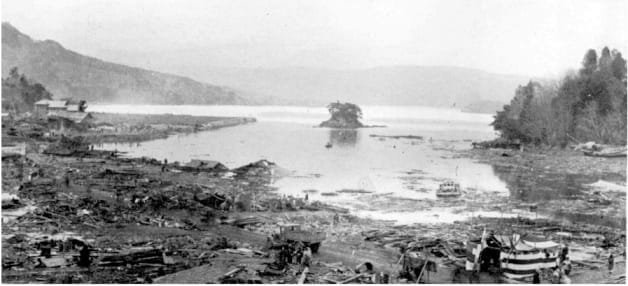
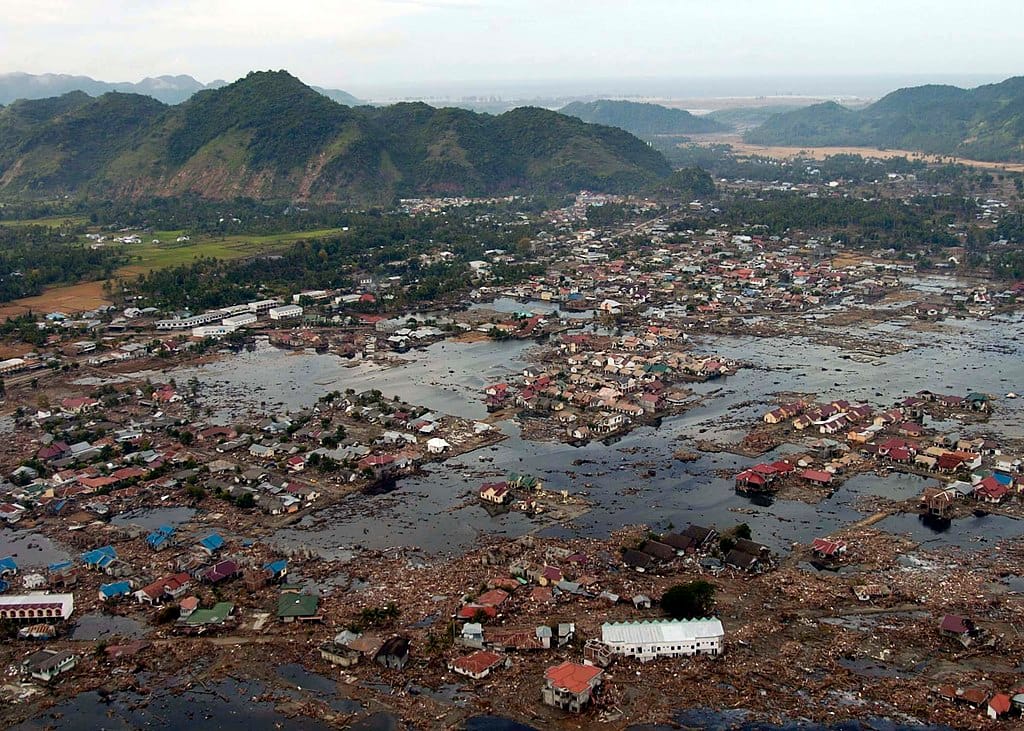
Entire stretches of the coastline were submerged. Wooden homes, market stalls, vineyards, and orchards were swept away or destroyed. Infrastructure that many Crimeans depended on collapsed, isolating communities. Roads and communication lines suffered, leaving survivors vulnerable.
Among the hardest hit was Yalta, a jewel of the Crimean Riviera renowned for its picturesque bay and vibrant cultural life; its promenades and coastal architecture were battered by seawater and debris.
5. Yalta’s Desperate Struggle: Between Hope and Despair
In Yalta, panic turned into organized chaos. Authorities, though unprepared for such a catastrophe, marshaled whatever resources they could muster. Local hospitals overflowed with the injured, and makeshift shelters were erected in parks and public buildings. Though Soviet governance at the time was still consolidating control, the disaster transcended politics—at least temporarily—and united the people in survival.
Survivors spoke in hushed tones of that terrible watershed moment—the inexplicable terror of watching the sea claim their homes in minutes, the heartbreak of losing loved ones, and the fragile hope found in neighborly solidarity.
6. Eyewitnesses to Catastrophe: Voices from the Waves
One survivor, a fisherman named Ivan Petrovich, recalled: “The sea pulled back like it was breathing, a great inhale. We thought it was some trick of the tides. Then it hit us—like a giant fist, breaking everything in its path.” His words capture the shock and the raw immediacy of the tsunami's impact.
Women and children who had been at the shoreline gathering medicinal herbs and food suddenly found themselves fleeing for their lives. Others held on desperately to whatever floating debris they could find, drifting battered but alive amidst the chaos. These personal accounts provide a visceral human texture to an event mostly remembered in dry scientific terms.
7. The Human Toll: Lives Lost and Lives Changed Forever
The exact death toll remains uncertain, lost in the fog of the early Soviet record-keeping and subsequent political upheavals. Estimates range from several hundred to over a thousand casualties. Many were fishermen and villagers who had little warning or warning systems.
Beyond fatalities, thousands more endured displacement, loss of livelihood, trauma, and the daunting task of rebuilding shattered communities. This tsunami, while smaller than more famous Pacific or Indian Ocean events, left an indelible mark on the Crimean consciousness.
8. Rescue and Relief: The Immediate Aftermath
Despite limited resources, rescue efforts mobilized quickly. Soviet officials, local volunteers, and even neighboring regions contributed food, clothing, and medical supplies. Field hospitals operated without rest. International press reports, where accessible, cautiously noted the response but focused primarily on the rarity of a tsunami in the enclosed Black Sea basin.
The international community’s knowledge of the event remained sparse for decades, overshadowed by political tensions and the later upheavals of the 20th century.
9. Soviet Authorities React: Politics and Natural Disaster
The Soviet Union, still consolidating its grip on Crimea after the Russian Civil War, viewed the disaster through a political prism as well. Reports emphasized collective resilience and socialist solidarity. The communist press extolled workers and peasants who rebuilt their homes with communist zeal, but also sanitized or downplayed failures in early warning and disaster prevention.
Still, the tsunami led to some attention towards geophysical phenomena and the need for enhanced infrastructure in vulnerable zones. However, the lack of dedicated tsunami monitoring in the Black Sea in the decades that followed attests to an underestimation of future risk.
10. Scientific Curiosity: Early 20th Century Understanding of Tsunamis
In 1927, tsunami science was still in relative infancy, particularly in regions like the Black Sea where such waves were rare. Researchers pondered the phenomenon, often drawing comparisons with the devastating 1923 Great Kanto earthquake tsunami in Japan or the 1908 Messina tsunami in Italy.
The Black Sea tsunami challenged existing models because the enclosed nature of the sea limited wave propagation, and no significant earthquake had been directly documented. These mysteries spurred scientific inquiry into submarine landslides and minor quakes as potential triggers, which modern research now considers plausible.
11. Myth and Memory: How the Black Sea Tsunami Entered Local Lore
Beyond official reports, the tsunami permeated Crimean folk memory, becoming the subject of cautionary tales and solemn songs. Villagers recounted the "day the sea swallowed the land," passing stories through generations that blurred memory and myth.
For many, the sea’s fury was not just natural but imbued with spiritual significance—seen as a punishment or a manifestation of ancient forces. This blending of history and myth reflects humanity’s need to find meaning in sudden catastrophe.
12. The Geology of the Black Sea Region: Fault Lines and Seismic Threats
The Black Sea sits at the crossroads of major tectonic plates, including the Eurasian, Anatolian, and sometimes influence from the African plate through complex subduction zones. Crimea itself is part of a highly faulted margin with a history of moderate seismicity.
This geology makes it vulnerable not only to earthquakes but also to underwater landslides, which are often less understood but equally dangerous. The 1927 tsunami brought scientific attention to these threats, though it would take many decades for robust monitoring systems to be established.
13. A Tale of Two Seas: Comparing Black Sea and Global Tsunami History
While tsunamis are often associated with the Pacific’s “Ring of Fire,” the Black Sea’s 1927 event is an important reminder that such disasters can strike enclosed bodies of water as well. Compared to larger, more deadly tsunamis like the 2004 Indian Ocean catastrophe or the 1755 Lisbon earthquake and tsunami, the 1927 flooding was relatively contained but no less terrifying for those involved.
It challenged preconceived notions about where nature’s fury can manifest, underscoring a universal vulnerability.
14. Lessons Learned: How 1927 Changed Disaster Preparedness in Crimea
Although immediate changes were limited, the 1927 tsunami gradually influenced local authorities and scientists to consider seismic risks more seriously. Over decades, small-scale engineering projects aimed at reinforcing shorelines were undertaken.
Eventually, the event became a case study in historical hazard assessment for the region. Today, it informs contemporary tsunami risk models and emergency planning—not just for Crimea but for all communities bordering enclosed seas.
15. The Quiet Legacy of a Forgotten Wave
Nearly a century later, the 1927 Black Sea tsunami remains relatively obscure outside specialist circles. Crimea’s turbulent 20th century history—wars, population displacements, political shifts—has overshadowed this natural disaster.
Yet its legacy is embedded quietly in Crimean history, science, and culture. It is a story of a day when the sea roared and lives were irrevocably changed—a reminder of nature’s unpredictable power even in the most serene settings.
Conclusion
The Black Sea tsunami of September 11, 1927, represents a poignant intersection between human vulnerability and geological forces. In a region known for its beauty and cultural richness, disaster struck unexpectedly and dramatically, leaving scars both physical and emotional. The waves that surged ashore not only destroyed homes and took lives but rippled through history, science, and local memory.
Today, as we reflect on this forgotten catastrophe, we see more than statistics or seismic data: we see communities faced with ruin and resilience, a testament to human endurance in the face of nature's wrath. This singular event reminds us that the boundaries of disaster are not defined solely by geography or history, but by the shared experience of survival and remembrance.
FAQs
Q1: What caused the Black Sea tsunami in 1927?
The tsunami was most likely triggered by a submarine landslide along the Crimean continental shelf, possibly related to seismic activity beneath the Black Sea’s floor.
Q2: How many people died in the 1927 tsunami?
Exact numbers are uncertain, but casualties likely ranged from several hundred to over a thousand, due to limited record-keeping and political turmoil.
Q3: Was the 1927 tsunami predicted or warned about?
No formal warning systems existed at the time; the tsunami struck suddenly after an apparent sea withdrawal, leaving little time for preparation.
Q4: How did the Soviet government respond to the disaster?
Authorities organized rescue and relief efforts emphasizing solidarity and reconstruction, though political narratives sometimes downplayed the scale of the disaster.
Q5: How common are tsunamis in the Black Sea region?
Tsunamis in the Black Sea are rare but possible due to regional tectonics and underwater landslides. The 1927 event remains one of the most significant recorded cases.
Q6: Has the 1927 tsunami influenced modern disaster preparedness in Crimea?
Yes, it has contributed to regional hazard awareness, influencing seismic monitoring and emergency response planning over the long term.
Q7: How is the event remembered today in Crimea?
It remains part of local memory and folklore, though overshadowed by political and social upheavals throughout the 20th century.
Q8: What scientific questions did the tsunami raise?
It prompted research into submarine landslides and seismicity in enclosed seas, challenging prior assumptions about tsunami origins and reach.