Table of Contents
- The Silent Roar from the Depths: The Black Sea Tsunami of September 1927
- Crimea, Yalta: A Picturesque Region on the Eve of Disaster
- Geological Birth of a Disaster: Understanding the Black Sea’s Unique Conditions
- September 11, 1927: A Day When the Sea Reclaimed its Wrath
- The Moment of Impact: Waves that Shattered Tranquility
- Eyewitness Accounts: Voices from the Walls of Yalta
- The Damage Unfolds: Human and Material Losses in the Aftermath
- The Tsunami’s Geological Signature: Uncovering the Cause
- Regional Response: How Crimea and Surrounding Areas Faced the Catastrophe
- Soviet Union’s Role: Official Narratives and Propaganda in the 1920s
- Scientific Debates: Early 20th Century Understanding of Tsunamis in the Black Sea
- Economy Shaken: The Ripple Effects on Crimean Trade and Tourism
- Cultural Reflection: The Tsunami in Literature, Art, and Collective Memory
- Comparing Black Sea Tsunamis: A Rare but Recurring Threat
- Modern Lessons from 1927: Tsunami Preparedness in the Black Sea Region
- The Black Sea Today: Geological Monitoring and Risk Assessment
- Conclusion: Remembering the Black Sea’s Quiet Fury
The Silent Roar from the Depths: The Black Sea Tsunami of September 1927
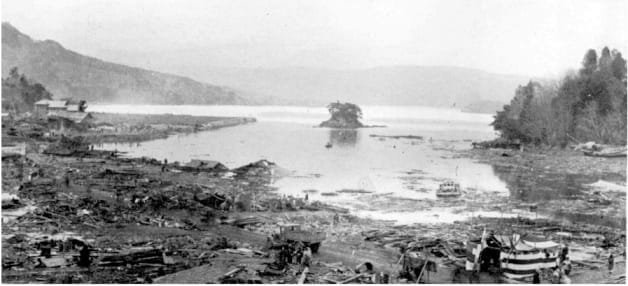
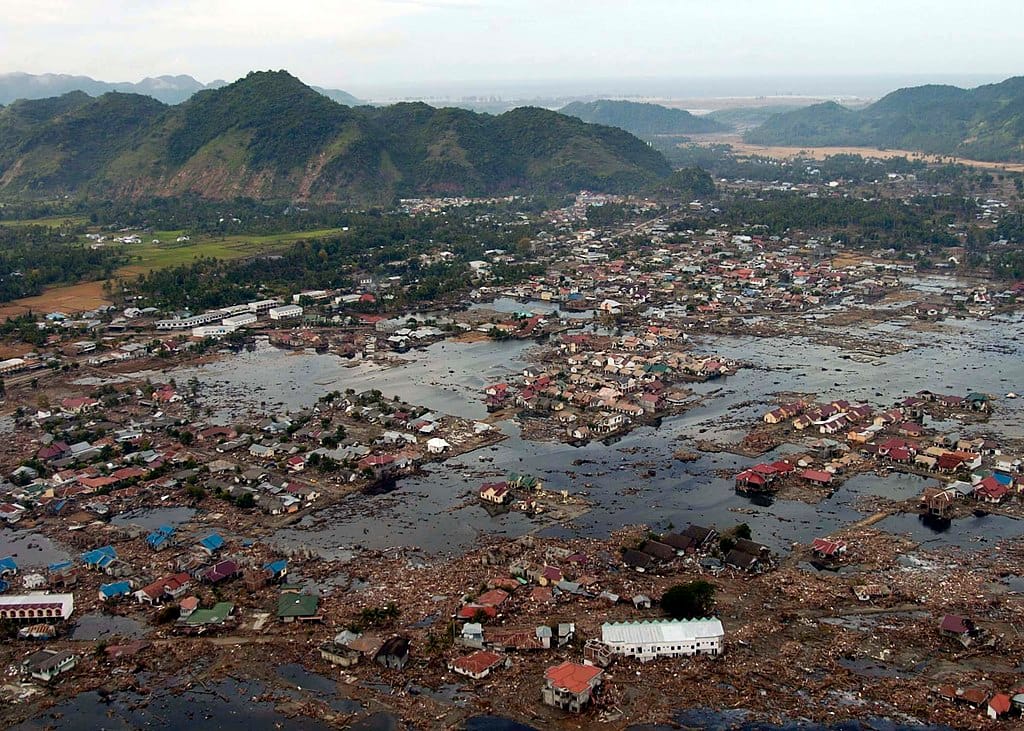
On the morning of September 11, 1927, the serene waters of the Black Sea along the Crimean Peninsula, particularly the picturesque resort town of Yalta, transformed suddenly into a landscape of terror and disbelief. A rare and unexpected tsunami rose as if from nowhere—violent, merciless, and devastating. The tall waves struck the coast with fury, sweeping away boats, destroying homes, and claiming lives. For the inhabitants who thought of the sea as a source of peace and livelihood, it became a source of primal fear, a reminder of nature’s formidable power that could awaken without warning.
This event, almost forgotten in the wider annals of history, provides a window into the vulnerability of coastal communities, the mysterious forces beneath the earth’s surface, and the early 20th-century challenge of understanding natural disasters in a politically charged and rapidly changing world.
Crimea, Yalta: A Picturesque Region on the Eve of Disaster
In the 1920s, the Crimean Peninsula was a jewel set between the sea and the mountains, a beloved destination for poets, fishermen, and aristocrats before the seismic shifts of Soviet rule. Yalta, with its mild Mediterranean climate and lush gardens, was heralded as the "Pearl of the Black Sea." Crowds strolled along its promenades, unaware that beneath those crystal waters lay the seeds of an earthquake and tsunami that would disrupt this idyll.
Crimea was also a geographical crossroads: a melting pot of Russian, Tatar, Ukrainian, and other cultures. Economically, it thrived on tourism, agriculture, and fishing, with the sea playing a lifeblood role. The sudden tsunami broke this harmony, shattering not only buildings and vessels but also the tacit trust between humans and their environment.
Geological Birth of a Disaster: Understanding the Black Sea’s Unique Conditions
Unlike the Pacific or Indian Oceans, the Black Sea is an enclosed sea, bounded by steep coastal fault lines and complex geological structures. Deep underwater canyons and faults line the bed of the sea, making it geologically active in ways that remained poorly understood in the early 20th century.
Seismologists today recognize that the 1927 tsunami was principally triggered by a powerful underwater earthquake that struck near the Crimean coast. This earthquake displaced massive volumes of water, unleashing waves that traveled rapidly toward populated shorelines.
This tectonic activity is part of a broader Eurasian geodynamic system where the Black Sea sits at a volatile junction between the Eurasian and Anatolian plates. Though minor on a global scale compared to the Pacific’s "Ring of Fire," this geological restlessness is no less capable of sudden, localized calamities.
September 11, 1927: A Day When the Sea Reclaimed its Wrath
The morning began peacefully, as fishermen prepared their nets, and vendors opened their stalls along Yalta’s waterfront. The first tremors were felt just before 10 a.m.—a subtle but unnerving shaking that soon escalated into a sharp, violent earthquake.
Immediately following the quake, witnesses describe an unsettling phenomenon: the sea receded dramatically, exposing the seabed in many areas—a classic precursor to tsunami waves. Within minutes, walls of water surged back violently, some reaching heights exceeding 5 meters.
The waves crashed onto the shore with destructive force, tearing through the infrastructure of towns along the coast. Boats were smashed against cliffs; piers crumbled into the churning waters. The sound was surreal—like a monstrous roar engulfing everything.
The Moment of Impact: Waves that Shattered Tranquility
Local fishermen reported how the tsunami’s arrival was both sudden and overwhelming. Captain Ivan Petrov recalled: “One moment the sea was calm, even retreating, revealing sand and rocks that had never been seen before. Then, like a raging beast awakened, the water struck with a fury I had never witnessed.”
Residents scrambled to higher ground as the waves surged inland, flooding cellars, markets, and streets lined with blooming bougainvillea. Damage was swift and merciless. Some homes collapsed under the pounding waves; others were left waterlogged and unusable.
The tsunami was short-lived but its imprint lasting. As the waters receded, survivors counted the cost and began the laborious task of recovery.
Eyewitness Accounts: Voices from the Walls of Yalta
Testimonies collected after the event paint a vivid, human portrait of that harrowing day. Anna Semenova, a schoolteacher, described the shock: “I heard a rumble from beneath the ground, then the earth shook. We ran outside to see the sea disappear like a thief in the night. Then the waves came, washing away the boats where my brother worked.”
Others spoke of fear mingled with awe. “It was a terrible beauty,” said one old fisherman. “The sea showed its might and reminded us who rules here.”
These individual stories help restore the tsunami from cold statistics to a collective trauma etched into the community’s conscience.
The Damage Unfolds: Human and Material Losses in the Aftermath
The death toll of the 1927 Black Sea tsunami was never fully established, but estimates suggest dozens perished along the Crimean coast, with hundreds injured. Material losses included hundreds of fishing boats destroyed, extensive damage to seaside villas, and the ruin of docks and infrastructure essential to local commerce.
The immediate aftermath also saw outbreaks of disease, as saltwater inundations spoiled freshwater supplies and sanitation systems were damaged. The disaster disrupted not only physical lives but also the very economic fabric of the Crimean seaside towns.
The Tsunami’s Geological Signature: Uncovering the Cause
It took years for scientists to properly attribute the 1927 event to a tsunami, as early reports were often confused with flooding caused by storms or tidal surges. However, subsequent geological surveys and analysis of underwater fault lines cemented the theory of an earthquake-triggered wave.
Studies identified a magnitude 6.8 earthquake centered offshore near Yalta as the trigger event. The quake caused a displacement along a submerged fault line, setting the water column in motion. This discovery helped to classify the Black Sea not as immune to tsunamis but vulnerable under specific tectonic conditions.
Regional Response: How Crimea and Surrounding Areas Faced the Catastrophe
The response to the tsunami was coordinated under the watchful eye of newly installed Soviet authorities, who sought to project effectiveness amidst ongoing political upheaval. Emergency relief focused on evacuations, medical care, and rebuilding essential services.
Yet, resource scarcity and infrastructural weaknesses hampered efforts. Local communities, reliant on traditional networks of mutual aid, played a critical role in rescue and recovery, showcasing resilience amid adversity.
Soviet Union’s Role: Official Narratives and Propaganda in the 1920s
During the 1920s, the Soviet Union was constructing its ideological narrative of triumph over nature and social order. Natural disasters like the Yalta tsunami were often framed as tests or even challenges to the socialist project.
Official reports emphasized the regime’s prompt reaction and the promises of reconstruction, sometimes glossing over the human suffering or the limitations of relief efforts. This created a dual reality where survivors’ personal grief contrasted with the propagandistic optimism promoted across state channels.
Scientific Debates: Early 20th Century Understanding of Tsunamis in the Black Sea
At the time of the tsunami, the notion of tsunamis occurring in enclosed seas like the Black Sea was controversial. Most seismologists focused on the Pacific Ocean’s subduction zones, where earthquakes were widely understood as tsunami triggers.
The 1927 event spurred renewed interest in the Black Sea’s geology, challenging assumptions and prompting more detailed hydrographic and seismic studies. However, limited technology and political constraints delayed full scientific consensus for decades.
Economy Shaken: The Ripple Effects on Crimean Trade and Tourism
The tsunami’s impact rippled beyond the immediate destruction. Tourism—central to Yalta’s economy—declined sharply in the months following the disaster. Seaside resorts lay damaged, and visitors were wary of returning to a region newly ‘marked’ by catastrophe.
Fishing industries also suffered as fleets were decimated and marine ecosystems disrupted. Reconstruction required significant capital investment, further straining a region still adjusting to Soviet economic restructuring.
Cultural Reflection: The Tsunami in Literature, Art, and Collective Memory
Curiously, the 1927 tsunami did not enter mainstream cultural memory with the same force as other disasters. Partly overshadowed by the political turmoil and conflicts of the era, and partly because it was a localized event, the tsunami is often a footnote in Crimean history.
Still, some poets and painters captured its echoes: turbulent seas, trembling earth, shocked communities. Oral histories passed down in families preserve the event as a symbol of nature’s unpredictability.
Comparing Black Sea Tsunamis: A Rare but Recurring Threat
Though rare, the 1927 tsunami was not a singular occurrence in the Black Sea region. Historical records and sediment analysis suggest that smaller tsunamis have appeared intermittently across centuries.
Understanding these patterns is crucial for contemporary risk management. The Black Sea’s enclosed waters and complex geology make its tsunami history unique, demanding tailored scientific and civil protection approaches.
Modern Lessons from 1927: Tsunami Preparedness in the Black Sea Region
Today, the 1927 event is a case study in early tsunami occurrence outside the more commonly known global ‘hotspots’. Emergency management strategies now incorporate seismic monitoring, public education, and warning systems tailored to the region’s specific risk profile.
Efforts to raise awareness among local populations focus on recognizing natural warning signs—the sea’s recession, unusual animal behavior—and acting swiftly to evacuate vulnerable zones.
The Black Sea Today: Geological Monitoring and Risk Assessment
Modern seismology, satellite imagery, and underwater exploration provide a clearer picture of the Black Sea’s tectonic activity. Monitoring stations and international cooperation aim to detect potentially tsunami-generating earthquakes early.
Yet challenges remain: funding, political coordination, and public preparedness lag in the region. The memory of 1927 is a silent guardian urging vigilance against complacency.
Conclusion: Remembering the Black Sea’s Quiet Fury
The Black Sea tsunami of September 1927 is a compelling reminder that even seemingly tranquil waters can conceal deep, volatile forces. It is a story of nature’s sudden fury, of communities caught unawares, and of resilience rekindled amid loss.
As climate change and human activity reshape coastal landscapes worldwide, recalling such events anchors us in humility and respect toward the earth’s dynamic systems. The 1927 tsunami may recede from popular memory, but its lessons remain vital—a testament to the persistent dialogue between mankind and the restless sea.
FAQs
Q1: What caused the Black Sea tsunami in 1927?
A1: The tsunami was triggered by a magnitude 6.8 earthquake near the Crimean coast, which caused an underwater landslide and displacement of water, creating powerful waves that struck the shoreline.
Q2: How many people died during the 1927 tsunami?
A2: Exact numbers are uncertain, but estimates suggest that several dozen people lost their lives, with many more injured and displaced.
Q3: Was this the only tsunami ever recorded in the Black Sea?
A3: No, while rare, historical and geological evidence indicates other smaller tsunami events have occurred in the Black Sea over centuries.
Q4: How did the Soviet government respond to the disaster?
A4: The Soviet authorities organized relief and reconstruction efforts, framed within the broader political narrative of overcoming adversity, though resource limitations affected the response.
Q5: Did the tsunami affect the economy of Crimea?
A5: Yes, it disrupted tourism, fishing, and maritime trade, causing significant economic hardship in the aftermath.
Q6: What modern measures exist to prevent tsunami disasters in the Black Sea region?
A6: Today, there are seismic monitoring networks, early warning systems, and public education campaigns designed to mitigate tsunami risks.
Q7: Why is the tsunami of 1927 not widely remembered?
A7: It was overshadowed by larger historical events, geographically localized, and the Soviet-era narratives emphasized different aspects of history.
Q8: What lessons does the 1927 tsunami teach us today?
A8: It highlights the importance of scientific vigilance, preparedness, and respect for natural forces, even in regions considered at lower risk.