Table of Contents
- The Dark Calm Before the Wave
- September 11, 1927: A Quiet Morning Disrupted
- Geological Roots: Understanding the Black Sea’s Volcanic History
- The Seismic Shake: The Earthquake That Shook Crimea
- Birth of a Tsunami: Nature’s Unexpected Fury
- Yalta’s Shoreline: From Tranquility to Terror
- Panic and Desperation: Eyewitness Accounts
- The Human Toll: Lives Lost and Communities Shattered
- The Response: Emergency Measures and Local Resilience
- Scientific Curiosity: Early Studies and Misunderstandings
- Navigating the Unknown: The Challenge of Predicting Tsunamis
- Political Shadows: Soviet Authorities and Information Control
- The Ecosystem Aftermath: The Black Sea’s Marine Life Impact
- Cultural Echoes: How the Tsunami Was Remembered in Crimea
- Lessons Forgotten and Rediscovered: Tsunami Awareness in the Black Sea Region
- Modern Reflections: Could It Happen Again?
- The Tsunami’s Role in Shaping Regional Disaster Preparedness
- Revisiting the Past: Archaeological and Geological Insights
- The Global Context: Tsunamis Beyond the Pacific
- The Black Sea in Memory and Myth: Between History and Legend
1. The Dark Calm Before the Wave
It was a day like any other in Crimea on September 11, 1927. The sun rose gently over the azure expanse of the Black Sea, scattering golden light on the serene coastline of Yalta. Fishermen prepared their boats, vendors arranged their goods along the promenade, and children chased each other across the rocky beaches. The smell of salty sea air mingled with the fragrance of blooming flowers along the shore. No one suspected that beneath this peaceful veneer, deep within the earth's bowels, a violent force was gathering — heralding one of the region's most overlooked natural catastrophes.
Nature often whispers its threats long before roaring. The subtle tremblings felt by some in the early hours went largely unnoticed, dismissed as the common quivers of an active geological zone. But these fleeting shakes were the prelude to a disaster that would ripple across the Black Sea’s waters, sweeping waves onto the coast and imprinting a scar on the collective memory of Crimean communities. This was the Black Sea Tsunami, striking Crimea and its famed resort city of Yalta, leaving devastation that would mystify scientists and haunt survivors.
2. September 11, 1927: A Quiet Morning Disrupted
At dawn, the earth rumbled softly, and fishermen noticed that the sea was unusually calm — an eerie stillness that whispered of the impossible. Suddenly, the tranquillity was shattered by an earthquake estimated at a magnitude between 6.0 and 7.0, emanating from an underwater fault line near the Crimean coast. This seismic event, unprecedented in living memory, sent shockwaves both through the ground and beneath the Black Sea itself.
Then came the tsunami: enormous waves surged inland, slamming into Yalta’s shores with terrifying force. Boats were smashed, buildings flooded, and panicked residents scrambled for higher ground. In a matter of moments, the city’s vibrant coastal life was swallowed by an overwhelming wall of water, turning the seaside into a chaotic tableau of destruction and despair.
3. Geological Roots: Understanding the Black Sea’s Volcanic History
To grasp the origin of the tsunami, one must peel back the geological layers beneath the Black Sea. This body of water, often overlooked in studies of seismic activity, sits atop complex tectonic plates and active fault lines. The Crimean Peninsula, with its rugged mountains and volcanic residues, is a testament to turbulent geological forces that have shaped the region over millions of years.
The Black Sea’s geological past is marked by episodes of volcanic eruptions, seismic shifts, and fluctuating sea levels — all of which contribute to the potential for sudden natural disasters such as tsunamis. Although modern understanding of tsunamis mainly focuses on the more famous Pacific “Ring of Fire,” the 1927 event starkly reminded observers that the Black Sea, too, is a geological tinderbox.
4. The Seismic Shake: The Earthquake That Shook Crimea
On the morning of September 11, the earthquake hit with a strength that stunned both the local populace and observers. Centered offshore, its epicenter was traced near the submarine fault systems, where tectonic plates grind and release accumulated pressure. The quake caused buildings to sway, glass to shatter, and the ground to heave like a living creature in agony.
Residents noted with growing alarm that the sea itself seemed to retreat, sucking water backward into the depths — a classic harbinger of an impending tsunami. Moments later, horror struck as the sea reversed again, charging forward with monstrous waves. The earthquake was not long, but its impact was the spark that ignited a greater disaster.
5. Birth of a Tsunami: Nature’s Unexpected Fury
Tsunamis are generated when the sea floor rapidly shifts, displacing enormous volumes of water. In the Black Sea, the sudden fault movement triggered just such a displacement, sending ripples that mushroomed into towering waves as they approached shallow coastal waters.
Witnesses described a surreal moment: first, the water receded far from the shore, exposing seaweed-strewn ocean floor usually hidden beneath waves. Then, with an almost sentient aggression, the sea surged back violently, obliterating wharves, boats, and anything else in its path. The force and timing of the waves left little room for escape.
6. Yalta’s Shoreline: From Tranquility to Terror
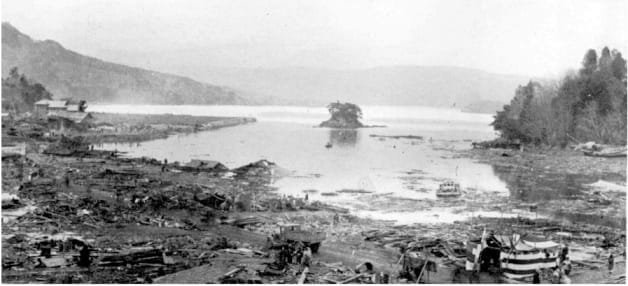
Yalta, with its charming waterfront cafes and stunning vistas, was a jewel of the Crimean coastline. But in a single cataclysmic moment, the city was transformed from a peaceful resort into a disaster zone. The tsunami swept inland for hundreds of meters, flooding streets and homes, dragging debris and bodies into its watery grasp.
The destruction was swift and merciless. Public buildings collapsed; homes were torn apart; the famed Yalta Promenade was submerged under layers of turbulent seawater. It was a stark contrast to the day before — a reminder of nature’s indifferent fury.
7. Panic and Desperation: Eyewitness Accounts
The memories of survivors, recorded in local newspapers and oral histories, convey a raw emotional texture impossible to quantify. One fisherman, Ivan Petrov, recalled the horrifying moment:
"The sea, it was like a beast breathing. Suddenly, it pulled all the water away, leaving the sea floor bare. We thought it was a blessing to gather the fish easily, but then the wave rose, towering over our heads. We ran as fast as we could, but many never made it."
Panic engulfed the population. Families were torn apart, and many tried desperately to save possessions only to be swept away. The port workers, the everyday citizens, all were witnesses to a disaster that seemed to come from the depths of myth rather than reality.
8. The Human Toll: Lives Lost and Communities Shattered
The precise death toll remains disputed, due in part to incomplete records and the chaotic aftermath. Estimates range from several dozen to over a hundred fatalities along the Crimean coast. What is indisputable, however, is the scale of human suffering: countless families lost breadwinners, communities were broken, and survivors faced not only physical injuries but profound psychological trauma.
Many displaced residents found themselves homeless, struggling to rebuild a semblance of normalcy in the days that followed. The social fabric of Yalta and surrounding villages was forever altered.
9. The Response: Emergency Measures and Local Resilience
In the immediate wake of the disaster, local authorities scrambled to organize aid and rescue operations. Communities banded together, digging through rubble, erecting makeshift shelters, and sharing scarce resources. Hospitals overwhelmed by the injured turned into hubs of frantic activity.
Despite the absence of modern communications infrastructure or coordinated disaster response protocols, Crimean people showed remarkable resilience. Stories abound of neighbors saving neighbors, fishermen sacrificing their boats to ferry survivors to safety, and volunteers assembling food and medical supplies.
10. Scientific Curiosity: Early Studies and Misunderstandings
The 1927 tsunami prompted growing interest among Soviet geologists and seismologists. However, scientific understanding was still in its infancy. The mechanisms of tsunami formation and propagation were poorly understood, particularly outside the Pacific basin. Some initially regarded the event as a freak coincidence, not recognizing it as part of a broader pattern of risks.
Soviet scientific delegations conducted surveys and mapped underwater faults, but their findings were often shrouded in technical language inaccessible to the general public and even to many policymakers.
11. Navigating the Unknown: The Challenge of Predicting Tsunamis
At the time, tsunami prediction was virtually impossible. Residents had no warnings, and the suddenness of the event compounded its destructiveness. The incident underscored the need for comprehensive monitoring systems, which would take decades to develop globally.
The Black Sea remained a region thought relatively safe from such disasters, a dangerous assumption challenged no more vividly than on that fateful September day.
12. Political Shadows: Soviet Authorities and Information Control
The tsunami took place during a period of intense political control under the Soviet regime. Information about natural disasters was often tightly regulated to maintain social stability and political narratives of human mastery over nature. As a result, media coverage was limited and sanitized, focusing on heroic recovery rather than the disaster’s full scale or its implications.
This censorship hindered the dissemination of knowledge that might have better prepared the population for future emergencies.
13. The Ecosystem Aftermath: The Black Sea’s Marine Life Impact
Beyond human losses, the tsunami disturbed delicate marine ecosystems. The violent upheaval altered seabed habitats, displaced fish populations, and temporarily disrupted breeding grounds. Coastal vegetation suffered saltwater inundation, changing landscapes that local agriculture and livelihoods depended upon.
Over months, ecosystems gradually recovered, yet scientists noted shifts in marine biodiversity, offering an early window into the long-term environmental costs of such events.
14. Cultural Echoes: How the Tsunami Was Remembered in Crimea
For years following the disaster, the Black Sea tsunami entered local folklore as a cautionary tale. Folk songs, poems, and stories spoke of the “Great Wave,” mixing history with supernatural elements. Elderly residents passed down tales of the sea’s wrath, embedding the event in collective memory.
Yet, as decades passed and political climates shifted, public attention to the tsunami waned, becoming a footnote in regional history rather than a defining moment.
15. Lessons Forgotten and Rediscovered: Tsunami Awareness in the Black Sea Region
Despite its dramatic impact, the 1927 tsunami faded from institutional memory for much of the 20th century. It was only in recent decades, with advances in seismology and disaster science, that researchers revisited the event, confirming its nature and risks.
This rediscovery prompted renewed calls for tsunami awareness in the Black Sea region—a critical step in a part of the world where similar natural hazards had been underestimated for too long.
16. Modern Reflections: Could It Happen Again?
Today, geological surveys indicate that the conditions that caused the 1927 tsunami remain present beneath the Black Sea’s surface. Scientists warn that the region is not immune to future seismic events that could trigger tsunamis, placing millions of residents and countless economic interests at risk.
Urbanization, tourism, and climate change all complicate the potential impact, making the historical lessons of 1927 more relevant than ever before.
17. The Tsunami’s Role in Shaping Regional Disaster Preparedness
Although slow to influence early Soviet disaster planning, the 1927 tsunami has, in the post-Soviet era, nudged local governments and international organizations toward enhanced emergency preparedness. Exercises, warning systems, and public education campaigns increasingly recognize the Black Sea’s tsunami potential.
This shift represents a crucial evolution—not merely reacting to disaster but anticipating and mitigating future calamities.
18. Revisiting the Past: Archaeological and Geological Insights
Recent underwater archaeological expeditions have uncovered traces of the 1927 tsunami’s impact on submerged settlements and ancient harbors. Sediment layers reveal abrupt inundations, while fault mapping aligns with seismic event timelines.
These findings enrich our understanding of natural forces that have sculpted human history around the Black Sea for millennia.
19. The Global Context: Tsunamis Beyond the Pacific
The Black Sea tsunami challenges the dominant narrative that tsunamis are phenomena confined to the Pacific “Ring of Fire.” It serves as a sober reminder that tsunami risks are global, linked to complex tectonic processes occurring beneath any large body of water.
In this way, the 1927 event invites a broader perspective on maritime disaster risk across regions long considered safe.
20. The Black Sea in Memory and Myth: Between History and Legend
Over generations, the Black Sea itself has been a stage for myths, legends, and symbols of both life and destruction. The 1927 tsunami joins that tradition — a real historical shockwave that also represents humankind’s fragile relationship with nature’s untamable power.
As waves lap against Crimea’s shores today, they whisper stories not only of a vanished moment but of ongoing vigilance in the face of the eternal sea.
Conclusion
The Black Sea Tsunami of September 11, 1927, remains a poignant chapter in the annals of natural disasters—a moment when the serene coasts of Crimea were upheaved by an elemental force beyond human control. This event, though less renowned than tsunami tragedies in other parts of the world, offers profound lessons about nature’s unpredictability, the resilience of communities in crisis, and the enduring need for scientific understanding and preparedness.
The echoes of that day ripple through time, reminding us that the peaceful lapping of waves can suddenly be transformed into a devastating roar. As modern Crimea and the surrounding nations navigate a complex future, the memory of the tsunami invites humility before nature’s might and a commitment to safeguarding lives through knowledge and foresight.
History, after all, is not merely about the past but a guidepost for the present and future—a call to listen attentively to the quiet trembling beneath our feet and the restless waves at our shores.
FAQs
Q1: What caused the 1927 Black Sea tsunami in Crimea?
A1: The tsunami was triggered by a significant earthquake along underwater faults near the Crimean coast, which displaced large volumes of water and generated devastating waves.
Q2: How severe was the impact on Yalta and surrounding communities?
A2: The tsunami caused widespread destruction—flooding streets, damaging buildings, and resulting in dozens to possibly over a hundred fatalities, with lasting social and economic disruption.
Q3: Was the 1927 tsunami the first of its kind in the Black Sea region?
A3: While it was one of the most documented in recent history, geological evidence suggests the Black Sea has experienced similar seismic and tsunami events in the distant past.
Q4: How did Soviet authorities handle information about the disaster?
A4: The Soviet government limited public information, focusing on managing social stability and downplaying the catastrophe’s scale in official media.
Q5: How has the 1927 tsunami influenced modern disaster preparedness in the region?
A5: Initially overlooked, the event now informs risk assessments and emergency planning, including tsunami monitoring and public education in Black Sea countries.
Q6: Could a similar tsunami happen again in the Black Sea?
A6: Yes, ongoing geological activity means the risk persists, especially with increased coastal populations and infrastructure.
Q7: What scientific advances have helped better understand the Black Sea tsunami?
A7: Modern seismology, underwater archaeology, and fault mapping have clarified the tsunami’s origins and promoted broader awareness of regional seismic risks.
Q8: How is the tsunami remembered culturally in Crimea today?
A8: Although fading from popular memory, the tsunami remains part of local folklore and historical consciousness, symbolizing the power and unpredictability of nature.