Table of Contents
- The Shattered Calm: September 11, 1927, Dawn on the Black Sea Coast
- A Hidden Fury: The Geological Origins Beneath the Waves
- Crimea’s Treasured Shores: Yalta Before Disaster
- The Silent Roar: Unfolding of the Black Sea Tsunami
- The First Impact: Waves that Reshaped the Landscape
- Human Stories Amid the Flood: Tragedies and Miracles
- Disaster Response in the 1920s: Challenges and Limitations
- Scientific Awakening: How the Tsunami Changed Geology and Seismology in the Region
- Political Undercurrents: Soviet Crimea and the Tsunami’s Aftermath
- The Economic Blow: Port and Tourism Devastation
- Cultural Ripples: Folklore and Memory Transformed
- The Lesser-Known Tsunami of 1927: A Forgotten Catastrophe
- Technological Constraints: Why Early Warnings Were Impossible
- Comparison with Other European Tsunami Events
- The Black Sea’s Geological Secrets: Contextualizing the 1927 Tsunami
- Environmental Consequences: Coastal Erosion and Habitat Changes
- Personal Testimonies: Voices From the Waves
- International Reactions and Aid Efforts
- Rebuilding Yalta: Resilience on the Crimean Coast
- Legacy in Modern Seismology: Lessons Learned and Warnings Issued
- Remembering the Tsunami: Memorials and Education Today
1. The Shattered Calm: September 11, 1927, Dawn on the Black Sea Coast
It was a crisp, clear morning in Crimea. The gentle hum of the Black Sea’s waves kissing the shoreline of Yalta was the familiar soundtrack for fishermen, merchants, and vacationers alike. The sun had just begun scraping the horizon’s edge, casting a golden glow over the bustling port town where laughter and clinking teacups painted a picture of peaceful daily life. But beneath this serene façade, nature was preparing an insidious upheaval.
Suddenly, a tremor rippled through the earth. What followed would scar the very soul of Crimea — the Black Sea tsunami of September 11, 1927. The sea, once a cradle of life and commerce, roared back with a sudden, monstrous fury, swallowing entire neighborhoods and changing history in the blink of an eye.
2. A Hidden Fury: The Geological Origins Beneath the Waves
The Black Sea, often romanticized for its calm and enigmatic depths, harbors volatile geological secrets. Unlike the more notorious Pacific or Mediterranean basins, the Black Sea is shielded yet complex, a basin marked by steep underwater slopes and fault lines that occasionally unleash devastating energy.
The 1927 tsunami was triggered by a massive underwater earthquake near the Crimean peninsula’s coast, linked to the junction of the Eurasian and Anatolian tectonic plates. The magnitude of the quake, estimated retrospectively to be between 6.0 and 6.5, was enough to displace significant volumes of seabed sediment, causing underwater landslides. These, in turn, generated powerful waves radiating rapidly toward the Crimean shores.
While tsunamis are more commonly associated with the Pacific “Ring of Fire,” the Black Sea’s hidden fragility was laid bare on that fateful day. The quake’s epicenter lies near the ancient underwater canyon off Yalta, a geological hotspot whose volatile sediments provided the perfect conditions.
3. Crimea’s Treasured Shores: Yalta Before Disaster
Yalta in the 1920s was a jewel of the Soviet Union’s southern coast. Nestled between lush cliffs and the expansive sea, it was both a cultural haven and a bustling port that attracted poets, industrial workers, and Communist officials. The town’s architecture, a mélange of old Russian elegance and growing Soviet practicality, exuded a hopeful vitality in the relentless march of modernization.
Famously celebrated by writers like Anton Chekhov, the region had an almost mythic status as a destination for recuperation and leisure. Its beaches were dotted with sunbathers and vendors, the wharves filled with ships bound for Odessa, Sevastopol, and even foreign ports. Every tavern echoed with the multi-ethnic voices that made Crimea a melting pot in this interwar period.
But despite its apparent tranquility, the land beneath Yalta was restless. Locals often remarked on the occasional tremors – soft whispers of a deeper unrest in the earth.
4. The Silent Roar: Unfolding of the Black Sea Tsunami
In the hours following the earthquake, a peculiar calm settled. The sea, counterintuitively, receded dramatically from the shoreline—a warning that went unnoticed by most waking souls. Then came the first monstrous wave, an all-consuming wall of water, a force of nature indiscriminate and swift.
Eyewitnesses later described the wave as taller than any building in Yalta, crashing down with a thunderous roar that drowned out screams and shattered glass. Multiple waves followed in quick succession, sweeping away homes, boats, and the memories of countless families. In less than an hour, the landscape was irrevocably changed.
What made the event even more terrifying was its suddenness and rarity. Tsunamis in the Black Sea were not part of the collective memory or oral tradition, leaving locals ill-prepared. Children who had been playing by the shore were swept away; fishermen vanished without a trace, their nets left tangled on empty docks.
5. The First Impact: Waves that Reshaped the Landscape
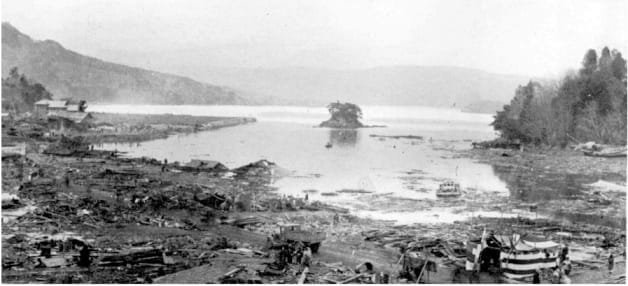
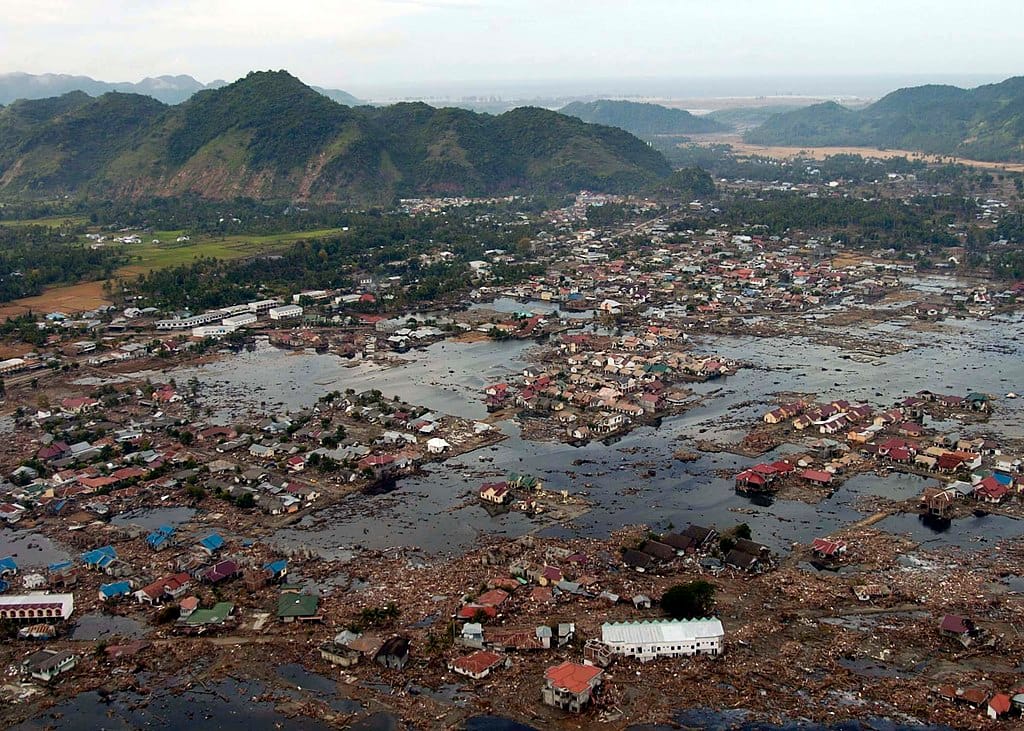
The tsunami’s physical destruction was unprecedented for this region. Coastal cliffs crumbled in sections under the relentless assault, beaches were scoured clean of vegetation, and saltwater infiltrated far inland. Several villages along the Crimean coast disappeared or were later abandoned.
Port infrastructure, essential to Crimea’s economy, was decimated. Ships were capsized or smashed against the rocky shores. Railway lines connecting Yalta with the rest of the peninsula were washed out, further isolating the disaster zone.
Scientific surveys conducted years after showed sediment deposits far beyond normal tides, indicating the wave’s astonishing height and reach.
6. Human Stories Amid the Flood: Tragedies and Miracles
At the heart of this catastrophe were the people—their sufferings, acts of heroism, and moments of grace. One poignant story recounts a young mother clutching her infant, running barefoot along the cliff paths to escape the rising waters. Another tells of a group of fishermen who, despite being caught at sea, managed to save their crewmates by navigating treacherous waves until they reached neighboring shorelines.
Among the tragedy were tales of selflessness: volunteers who pulled survivors from the wreckage, others who shared their homes despite personal losses. The disaster united diverse communities, transcending ethnic and social divides.
However, amid the chaos, thousands were lost—statistics remain fragmented, but conservative estimates suggest hundreds perished, while many more were injured or displaced.
7. Disaster Response in the 1920s: Challenges and Limitations
Unlike modern disaster management, the response to the Black Sea tsunami was hampered by the era’s technological and political constraints. The Soviet Union’s infrastructure in 1927 was still developing; communication lines were unreliable, and centralized command was focused on industrial growth rather than emergency preparedness.
Medical supplies were scarce, transport to the affected areas was delayed, and many survivors faced weeks without proper shelter or food. Yet, local authorities and community leaders mobilized quickly, improvising shelters and organizing search parties.
International aid was limited—not only because of the period’s geopolitical isolation but also due to the novelty and obscurity of the event. Nevertheless, the Soviet state later used the tragedy to emphasize resilience and the strength of socialist solidarity.
8. Scientific Awakening: How the Tsunami Changed Geology and Seismology in the Region
Before 1927, the Black Sea was regarded as a relatively safe marine basin. The tsunami forced scientists to revisit this assumption, leading to new research on tectonic activity beneath enclosed seas and the processes of underwater landslides.
Seismologists began installing rudimentary observation stations around Crimea and the Caucasus, aiming to better understand regional vulnerabilities. The event marked one of the earliest documented tsunami incidents in the Black Sea area, making it a critical case study that continues to inform hazard assessments today.
Researchers pieced together seismic wave records, eyewitness accounts, and geological sediment layers to recreate the tsunami’s impact, laying foundations for modern Black Sea oceanography.
9. Political Undercurrents: Soviet Crimea and the Tsunami’s Aftermath
The Black Sea tsunami arrived at a tumultuous moment in Soviet history. Crimea was undergoing social transformation—land collectivization campaigns, political purges, and industrialization altered traditional life rapidly.
The disaster initially froze local political narratives, as officials prioritized emergency response. However, soon thereafter, the event was woven into the Soviet ideological fabric: nature’s fury was framed as a test of the new social order’s strength and revolutionary spirit.
Stalin’s regime used reconstruction efforts to showcase Soviet efficiency and to promote the narrative of man conquering nature through collectivism and technology. At the same time, the trauma endured by the local populace was often overshadowed by propaganda.
10. The Economic Blow: Port and Tourism Devastation
Yalta’s economy depended heavily on its port and the seasonal influx of visitors. The tsunami abruptly scuttled these industries. Commercial shipping was put on hold for months while docks were rebuilt; tourist numbers plummeted as beaches lay barren and infrastructure was crippled.
Local artisans and traders lost their livelihoods, sparking waves of migration away from the coast. The economic ripple effects were felt across the peninsula, slowing regional development during difficult interwar years.
Yet, this destruction also spurred modernization projects: reconstruction incorporated newer, more resilient designs, and efforts were made to diversify the local economy.
11. Cultural Ripples: Folklore and Memory Transformed
Though immediate memories of the tsunami faded with time, the event entered the collective consciousness of Crimean communities through stories and folk songs. Elders recounted the “Day when the Sea Turned Mad,” a tale that mingled fear and respect for nature’s power.
This oral tradition served both as a warning and as a source of identity, adding a chapter to the region’s rich tapestry of legends. The tsunami found its way into local art, literature, and theater, reflecting humanity’s fragile place between sea and land.
12. The Lesser-Known Tsunami of 1927: A Forgotten Catastrophe
Compared to global horrors like the 1933 Sanriku tsunami or the 2004 Indian Ocean tragedy, the 1927 Black Sea tsunami remains relatively obscure. Its localized impact and the geopolitical isolation of the Soviet Union contributed to its marginalization in worldwide historical consciousness.
Yet, for Crimea and the Black Sea basin, it represented a watershed moment, a haunting reminder that even “safe” waters can turn deadly without warning.
Recovering this history is essential not just for remembrance but for preparedness in the present day.
13. Technological Constraints: Why Early Warnings Were Impossible
Had the tsunami struck a century later, early warning systems might have saved countless lives. In 1927, there were no seismic networks sophisticated enough to provide advanced alerts, no sirens to warn coastal communities, and no radio broadcasts to disseminate emergency information.
The tragedy exposed these gaps starkly. The future would see investments into seismic and oceanographic monitoring, particularly in tsunami-prone regions worldwide. The Black Sea’s legacy would thus feed into global efforts connecting science, technology, and humanitarian safety.
14. Comparison with Other European Tsunami Events
Though rare, the Black Sea tsunami is not unique. Europe has witnessed other devastating waves — notably the 1908 Messina tsunami in Italy or the 1755 Lisbon tsunami.
However, the Black Sea event differs due to its enclosed sea environment, submarine landslide triggers, and the socio-political context of its occurrence within the Soviet Union. Studying these events side by side enriches understanding of tsunami risks in diverse marine geologies.
15. The Black Sea’s Geological Secrets: Contextualizing the 1927 Tsunami
The Black Sea was formed through a complex geological history of marine transgressions and tectonic shifts. The 1927 tsunami lifted the veil on active processes hidden beneath.
Today, geologists still debate whether the Black Sea basin’s unique sediment layers increase tsunami risk. The 1927 event stands as an early indicator that vigilance is essential in even seemingly placid seas.
16. Environmental Consequences: Coastal Erosion and Habitat Changes
Beyond human loss, the tsunami altered the coastal environment dramatically. Saltwater intrusion affected soils and freshwater sources, eroding natural buffers like wetlands.
Some habitats were irreversibly changed, affecting migratory birds and marine life. Yet, nature’s resilience showed as flora returned and communities adapted, reminding us of the delicate balance between destruction and renewal.
17. Personal Testimonies: Voices From the Waves
One survivor, an elderly fisherman named Ivan Kozlov, recalled in a rare 1960s interview:
“We did not understand the sea was angry until it took my brother’s boat and left only silence… We mourned, but we rebuilt. The sea remains our home, but it commands respect.”
Such voices bring humanity to the cold facts, reminding history’s observers that disasters are more than data points—they are lived experiences forever etched in memory.
18. International Reactions and Aid Efforts
The international community’s reaction was muted, partly due to the Soviet Union’s political isolation. However, certain scientific circles in Europe expressed concern and reached out to colleagues in the USSR, initiating collaborations in seismology and oceanography.
Humanitarian aid was minimal, but the event fed dialogue about improving disaster relief cooperation across borders, a conversation that would gain momentum decades later.
19. Rebuilding Yalta: Resilience on the Crimean Coast
Yalta’s reconstruction was both a technical and social undertaking. Architects and engineers focused on more resilient designs, integrating new materials and flood defenses. Social programs aimed to assist displaced families and restore the town’s cultural vitality.
The recovery also inspired pride and a collective identity rooted in endurance and hope—a motif that persists in modern Crimean narratives.
20. Legacy in Modern Seismology: Lessons Learned and Warnings Issued
Today, the 1927 tsunami is a cornerstone event in regional hazard assessment. Seismic monitoring stations around the Black Sea owe part of their existence to lessons learned from that day.
Modern warning systems, emergency protocols, and public education programs in Crimea and neighboring countries all owe a debt to the painful legacy of the 1927 disaster.
21. Remembering the Tsunami: Memorials and Education Today
Although absent from many textbooks, the Black Sea tsunami is commemorated locally through small memorials, and educational programs help raise awareness among new generations at universities and museums.
Efforts to digitize survivor testimonies and integrate multimedia tools aim to preserve memory and foster preparedness, ensuring that the sea’s ancient power is neither forgotten nor underestimated.
Conclusion
The Black Sea tsunami of September 11, 1927, was a sudden rupture of calm that shattered the Crimean coast and forever altered the lives of its inhabitants. Beyond the waves and destruction lies a story of human resilience, scientific awakening, and cultural transformation. It is a poignant reminder of nature’s unpredictable might and the fragile thread upon which coastal communities cling to life.
In remembering this forgotten catastrophe, we uncover more than lost history—we find lessons of humility, solidarity, and hope, indispensable in a world where the earth’s quiet surface can mask profound dangers. The Black Sea tsunami may have receded into obscurity globally, but its legacy remains deeply etched in Crimea's soul—a timeless narrative of survival against the tides of fate.
FAQs
Q1: What caused the Black Sea tsunami of 1927?
The tsunami was triggered by an underwater earthquake near Crimea, causing seafloor displacement and underwater landslides that generated powerful waves crashing onto the coast.
Q2: How severe was the damage caused by the tsunami?
Hundreds of lives were lost, entire villages destroyed, and port infrastructure seriously damaged. The economic and social impacts were felt for years.
Q3: Why is this tsunami not as well-known as others?
Its localized impact, timing during Soviet isolation, and rarity of Black Sea tsunamis contributed to its obscurity in global historical memory.
Q4: What did the disaster teach scientists?
It revealed seismic and tsunami risks in enclosed basins like the Black Sea, prompting the establishment of monitoring systems and new geological research.
Q5: How did the Soviet government respond?
With limited resources, local authorities mobilized emergency efforts, and later Soviet propaganda framed the disaster as a test of socialist resilience.
Q6: Are there memorials for the victims today?
Yes, in Crimea, there are small memorials and educational initiatives to commemorate the tsunami and promote awareness.
Q7: Could this happen again?
While rare, the geological conditions that caused the 1927 tsunami persist, meaning the Black Sea remains a region where tsunami risk cannot be ignored.
Q8: How does this event compare with other European tsunamis?
Unlike Mediterranean tsunamis mostly caused by tectonic faulting, the Black Sea tsunami was largely a product of underwater landslides, adding unique data to European tsunami studies.