Table of Contents
- The Morning the Sea Broke Its Silence: September 11, 1927
- Crimea and Yalta in the Roaring 1920s: A Fragile Peace
- Geological Whispers Beneath the Black Sea
- The Earthquake’s Invisible Hand
- The First Wave: A Sudden Surge Against the Coast
- Panic and Heroism in Yalta’s Streets
- The Tsunami’s Deadly March Along Crimea’s Shores
- Eyewitness Accounts: Voices from the Water’s Edge
- The Response: Emergency Measures and Local Solidarity
- Scientific Understanding of the Black Sea Tsunami Emerges
- Tracing the Fault Lines: The Tectonics of the Black Sea Region
- Comparing 1927 with Other Notorious Tsunamis Worldwide
- The Human Cost: Lives Lost and Communities Shattered
- Cultural Impact and Folklore Born From the Disaster
- Political Ripples amid Soviet Control on the Eve of Stalinist Era
- Reconstruction and Resilience: Crimea’s Recovery
- The Forgotten Tsunami: Why 1927’s Disaster Faded from Memory
- Modern Lessons from an Invisible Threat
- Current Risk Assessments and Preparedness for Black Sea Tides
- Conclusion: A Hidden Chapter of Black Sea History
- FAQs on the Black Sea Tsunami of 1927
- External Resource: Wikipedia on Black Sea Tsunami
- Internal Link: Visit History Sphere
The Morning the Sea Broke Its Silence: September 11, 1927
On the dawn of September 11, 1927, the usually placid waters of the Black Sea betrayed no hint of the terror they would soon unleash. The tranquil coastal towns of Crimea, especially the celebrated resort city of Yalta, basked in early autumn light, serene and unassuming. But beneath the gentle waves, far from human sight, the restless earth was stirring violently. In mere moments, a ferocious quake shook the sea floor, sending a monstrous wave racing toward the shore—altering the history of this famed peninsula forever.
Imagine standing on Yalta’s waterfront promenade, watching fishermen haul their morning catch, unaware that the water’s deceptively calm surface would transform into a savage invader. Before cries could rise, the tsunami’s first wave crashed against the piers, flooding streets, destroying homes, and uprooting lives. This was no distant disaster; it struck at the heart of families, tourists, and laborers alike.
It was a day when the Black Sea revealed a secret menace—one that geological forces had been quietly preparing for centuries. Yet, even as the waves waned and rescue efforts began, a profound disquiet settled. This tragedy was as much about nature’s fury as it was a story of human frailty and resilience in a turbulent moment of history.
Crimea and Yalta in the Roaring 1920s: A Fragile Peace
To understand the weight of that autumn catastrophe, one must first glimpse Crimea’s place in the 1920s. The peninsula, with its jagged cliffs, mild climate, and lush vineyards, was renowned as a jewel of the Soviet Black Sea coast. Yalta, in particular, shone brightly as a seaside paradise, drawing aristocrats, intellectuals, and holidaymakers escaping the urban chaos of Moscow and Petrograd.
Politically, this was no simple idyll. The Soviet Union was still finding its footing, steadying a regime born out of revolution and civil war. The peninsula itself was marked by ethnic complexities—Crimean Tatars, Russians, Ukrainians, and Greeks shared the land, each with fragile claims and sensitive allegiances. The scars of recent conflicts hovered like ghosts even as the world tried to modernize.
Amid this uneasy peace, few anticipated nature’s catastrophic interruption. The Black Sea was often spoken of as a quiet inland ocean, its storms and tempests milder than the Atlantic or Pacific. Yet the tectonic undercurrents whispered a different tale—one that would soon be dramatically writ in the waves of the Black Sea tsunami of 1927.
Geological Whispers Beneath the Black Sea
Beneath the Black Sea’s deep blue surface lies a complex geological puzzle—ancient fault lines intertwined with the collision of the Eurasian and Anatolian plates, subtle uplifts, and depressions. The Crimean Peninsula itself is part of a fragile crustal block, buckling under pressures transmitted from nearby seismic zones like the Caucasus and the Balkans.
On that September day, the seismic disturbance originated deep under the sea floor, approximately 40 kilometers southwest of Yalta. The tremor, estimated at about 6.0 on the Richter scale, ruptured a previously unrecognized underwater fault—displacing thousands of cubic meters of earth and sending a powerful shockwave through the water above.
What made this quake especially dangerous was its location below the continental shelf, where natural underwater slopes can amplify wave heights. The resulting displacement caused an enormous volume of seawater to cascade outward, forming a wave that gathered momentum as it raced toward the Crimean coast.
Geologists would later describe it as a “tsunami generated by a submarine landslide,” a phenomenon not rare globally but almost unprecedented in recorded Black Sea history.
The Earthquake’s Invisible Hand
Though the quake’s ground shaking lasted mere seconds, its influence on the Black Sea’s surface was profound and deadly. Residents along the coastline initially felt tremors—a forewarning that nature was restless but still mysterious. There was no modern alarm system, no scientific infrastructure to predict or even verify what was happening beneath the waves.
Within minutes, water along stretches of the Crimean coast began to recede, an eerie pullback that revealed trapping sea creatures and left boats stranded far from their usual moorings. This frantic drawing back of the sea is a well-known precursor to tsunamis, but was unfamiliar territory to the local population.
Then came the first massive wave, crashing with a force that overturned docks, smashed boats, and inundated low-lying neighborhoods. Some eyewitnesses described it as a "wall of water" rising above the trees, swallowing entire streets in an instant.
The First Wave: A Sudden Surge Against the Coast
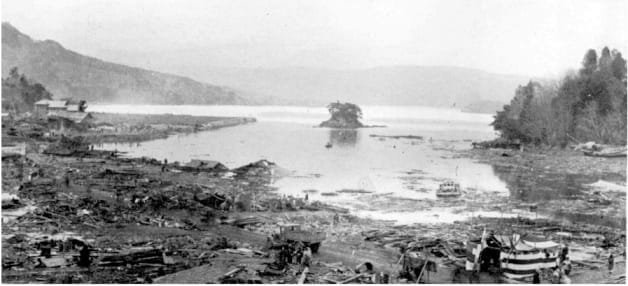
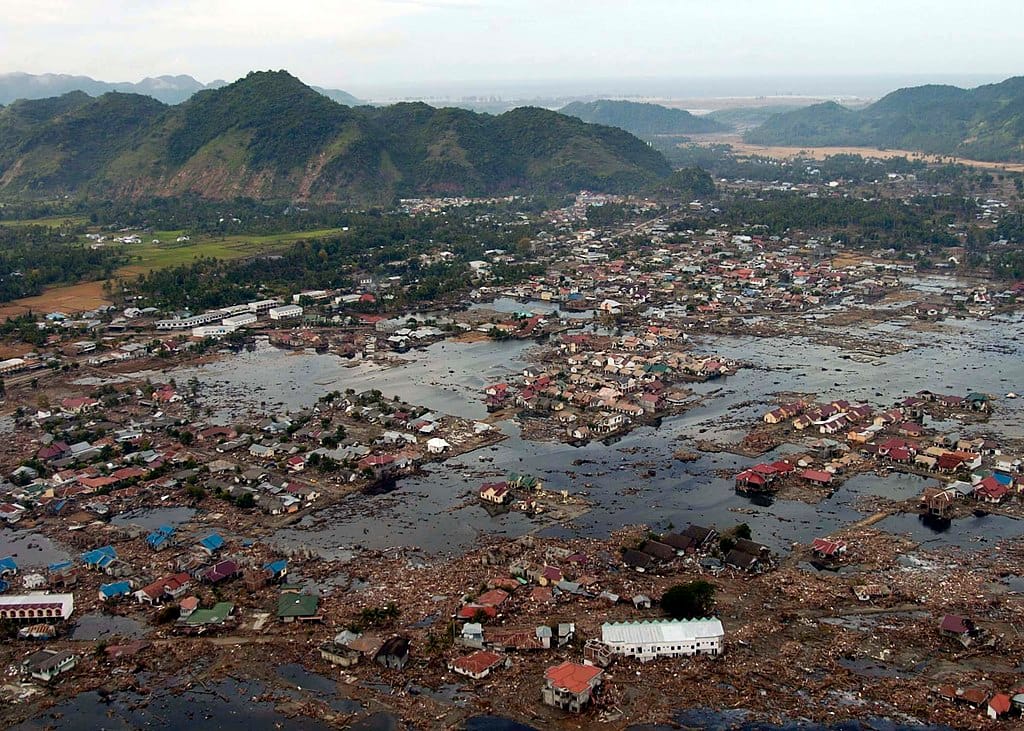
The tsunami’s initial onslaught struck Yalta’s bay like a vengeful tide. This natural harbor, normally a safe haven, became a trap for those living and working by the shore. Within moments, residential districts such as the Old Town—where fishermen and merchants lived in close quarters—were engulfed by floodwaters that rose rapidly, reaching heights estimated at 3 to 5 meters.
The wave’s speed surprised everyone. Despite the suddenness, local authorities attempted to coordinate evacuations, but the lack of warning systems meant that many were too late. The debris-laden waters swept away wooden houses, overturned market stalls, and tore apart the waterfront promenade cherished by visitors.
At the same time, the sea’s fury breached natural and man-made defenses, forcing thousands to seek higher ground in the surrounding hills and vineyards. Families were separated, possessions lost, and a deep sense of chaos engulfed the city.
Panic and Heroism in Yalta’s Streets
Amidst the terror, human stories emerged—some heartbreaking, others heroic. Witnesses recalled scenes of panic: children crying for mothers, the elderly struggling to escape, and fishermen battling the tide to save their vessels. Yet in the turmoil, acts of courage punctuated the disaster.
One local, Ivan Petrovich, a dockworker, reportedly saved a group of children trapped on a sinking wharf by ferrying them on his boat through the churning surf to safety. Another, Maria Ivanovna, opened her village’s school halls to shelter displaced families overnight, despite the risk of structural collapse.
Still, there were also tragic losses, with an estimated hundred casualties, many swept out to sea or trapped in submerged homes. The psychological trauma would linger for years—quietly shaping the collective memory of Crimea’s coastal communities.
The Tsunami’s Deadly March Along Crimea’s Shores
Yalta was the hardest hit, but the tsunami’s wrath was not confined there. The wave moved east and west, battering coastal towns along the Crimean Peninsula. Seaside resorts like Alushta and Gurzuf reported severe flooding, destruction of infrastructure, and similar human tolls.
Interestingly, further west around Sevastopol, the effects were comparatively less severe—primarily due to the bay’s shape and topography which mitigated the wave’s energy. Nonetheless, fisherfolk and mariners throughout the Black Sea region were shaken by the ordeal.
The tsunami faded as it travelled northward towards the Kerch Strait but left behind a trail of devastation that challenged regional economies dependent on maritime trade and fishing.
Eyewitness Accounts: Voices from the Water’s Edge
The event's human dimension is best understood through contemporary testimonies. In letters and newspaper reports from the era, residents described an indescribable “whispering” of the sea, a sudden silence that heralded disaster.
Anna Petrovna, a Yalta schoolteacher, wrote:
"I had never seen the sea behave so strangely. It pulled away like a living beast drawing breath, then returned furious as a tempest unleashed. People screamed, running as water poured down streets where carts and animals floated like driftwood.”
Such accounts reveal not just the physical horror, but the emotional rupture caused by the event—a sudden confrontation with nature’s uncontrollable might.
The Response: Emergency Measures and Local Solidarity
In a young Soviet state still recovering from civil war and internal turmoil, the 1927 tsunami tested local governance and popular solidarity. Rescue crews composed of soldiers, police, and civilians formed quickly. Makeshift hospitals were established to tend to the wounded.
Food and shelter shortages sparked communal efforts to support displaced families, highlighting a raw but powerful sense of unity amid calamity. Soviet newspapers later praised the resilience and discipline of Crimean citizens, using the disaster as a moment of ideological solidarity with the socialist cause.
Yet, logistical challenges—damaged roads, inadequate medical supplies, and communication failures—hampered efficient relief, prolonging suffering in isolated villages.
Scientific Understanding of the Black Sea Tsunami Emerges
The 1927 Black Sea tsunami became a pivotal case for Soviet and international geoscientists. Until then, tsunamis were rarely associated with the relatively enclosed Black Sea.
Seismologists studied seismic records that confirmed the earthquake’s magnitude and location. Oceanographers modeled wave propagation, gaining insight into how submarine landslides could trigger devastating waves even in smaller, semi-enclosed seas.
This disaster prompted the establishment of early seismic monitoring stations in Crimea and adjacent coastal areas, marking the start of systematic black sea seismic risk assessment.
Tracing the Fault Lines: The Tectonics of the Black Sea Region
Post-disaster investigations unveiled that the western Black Sea coast is underlain by a network of faults born from ancient plate tectonics. The collision of the African, Eurasian, and smaller microplates created stress accumulations.
The undersea topography includes steep continental slopes, sediment layers prone to failure, and tectonic fractures susceptible to sudden rupture. Researchers realized that while the Black Sea is less earthquake-prone than neighboring regions, it is not immune.
The 1927 event underscored the need for continuous geological surveillance and enhanced public awareness, changing perceptions of regional natural hazards.
Comparing 1927 with Other Notorious Tsunamis Worldwide
How does the Black Sea tsunami of 1927 hold up against better-known disasters like the 2004 Indian Ocean tsunami or the 1755 Lisbon tsunami? Though smaller in scale and scope, it represents a lesser-known but critical example of seismic-anthropogenic risk in Eurasia.
Unlike the oceanic tsunamis caused by giant subduction zone quakes, the Crimean tsunami was linked to a localized underwater landslide triggered by a moderate seismic event. Its impact was devastating for local populations but remained largely regional.
This event broadened the scientific community’s understanding of the mechanisms that can generate tsunamis in enclosed seas, highlighting the diverse nature of these cataclysms.
The Human Cost: Lives Lost and Communities Shattered
Estimates place the death toll of the tsunami and resulting flooding at approximately 150 individuals—an immense tragedy for the relatively sparsely populated coast. Thousands more were injured or displaced, with many losing their homes or livelihoods.
Agricultural lands were inundated by saltwater, leading to long-term soil degradation and crop failure. Fishing fleets were decimated, impoverishing families dependent on the sea’s bounty.
Psychological scars permeated local communities, fostering a deep-seated respect—and fear—of the Black Sea that would influence regional culture and folklore for decades.
Cultural Impact and Folklore Born From the Disaster
In the aftermath, the tsunami seeped into Crimean cultural memory. Stories passed down through generations spoke of the “Great Drawback” of the sea and the “Water Devil” who punished coastal dwellers.
Poets and painters captured the dual despair and sublime beauty of the sea’s destruction. The disaster became a cautionary tale cautioning against human hubris in the face of nature’s unpredictable will.
Festivals honoring the sea’s power evolved, blending ancient pagan rites with emerging Soviet ideologies about mankind’s relationship with the natural world.
Political Ripples amid Soviet Control on the Eve of Stalinist Era
The tsunami’s timing in 1927 was significant—just as Soviet authorities sought to consolidate power and accelerate industrialization. In Crimea, the disaster was interpreted both as a natural tragedy and as a test of socialist governance.
Central authorities leveraged the relief efforts as propaganda tools, promoting narratives of collective effort and socialist resilience. However, some local tensions lingered—particularly among Crimean Tatars, who viewed the authorities’ response with suspicion rooted in broader ethnic and political grievances.
The event highlighted the fragility of human systems confronted with natural disasters and foreshadowed internal challenges the region would face under Stalinist policies.
Reconstruction and Resilience: Crimea’s Recovery
Despite the devastation, Crimea exhibited remarkable resilience. Reconstruction efforts began almost immediately, blending Soviet industrial planning with local initiative.
Infrastructure rebuilding created new roads and flood defenses. Fisheries were re-established, and housing reconstruction programs funded by the state provided shelter to many displaced families.
An examination of archival documents reveals stories of cooperation but also critique—many felt recovery was slow, and some communities never fully regained their former prosperity.
Nevertheless, the tsunami ultimately strengthened Crimea’s scientific and civil infrastructure, marking a painful but pivotal moment of transition.
The Forgotten Tsunami: Why 1927’s Disaster Faded from Memory
Despite its scale, the 1927 Black Sea tsunami has often been overshadowed in historical memory by larger global disasters and the political upheavals of the Soviet era.
Several factors contributed to this amnesia: the relative remoteness of the event, Soviet media control focusing on ideological narratives rather than natural calamities, and the geopolitical marginalization of Crimea until recent decades.
Only in recent years have historians and seismologists revisited the catastrophe, recognizing its importance for understanding regional hazards and historical resilience.
Modern Lessons from an Invisible Threat
Today, the Black Sea basin faces growing populations, tourism, and industrial development—all vulnerable to seismic and tsunami risks.
The 1927 event serves as a haunting reminder that even seemingly peaceful seas can turn deadly. It has shaped regional disaster preparedness policies, promoting early warning systems, coastal zoning laws, and public education campaigns.
Government agencies and international bodies now collaborate on monitoring tectonic activity beneath the Black Sea to mitigate future tragedies.
Current Risk Assessments and Preparedness for Black Sea Tides
Seismic monitoring is now continuous around Crimea, with modern sensors providing real-time data to authorities and scientists. Simulation models predict how future tsunamis might impact local coasts.
Emergency drills and evacuation plans have been instituted in tourist hubs like Yalta to safeguard populations during potential emergencies.
Despite these advancements, challenges remain: political tensions and economic constraints in the region complicate large-scale infrastructure investments. The lesson of 1927 remains clear—preparedness is not optional but essential.
Conclusion: A Hidden Chapter of Black Sea History
The Black Sea tsunami of September 11, 1927, stands as a poignant chapter in the history of natural disasters—a stark reminder of nature’s unpredictable force coupled with human vulnerability. It unfolded silently beneath the waves, swiftly overwhelming communities on Crimea’s storied shores.
Yet within tragedy also lies resilience: communities banded together, science advanced, and new awareness dawned about the region’s geological complexity. The event challenges us to look beyond famous catastrophes and recognize the quiet but profound impacts of lesser-known disasters.
In a world increasingly attentive to the might of environmental forces, remembering the Black Sea’s forgotten tsunami feels not only necessary but urgent. It compels us to respect the hidden forces beneath our feet and seas—forces that continue shaping human history, one wave at a time.
FAQs on the Black Sea Tsunami of 1927
Q1: What caused the Black Sea tsunami of 1927?
A1: The tsunami was triggered by an earthquake around magnitude 6.0 offshore Crimea, which caused an underwater landslide that displaced seawater and generated the tsunami waves.
Q2: How many people died in the 1927 tsunami?
A2: Estimates suggest around 150 fatalities, with many more injured or displaced, though exact numbers are difficult to confirm due to incomplete records.
Q3: Why is the 1927 Black Sea tsunami less known worldwide?
A3: Its regional scale, the overshadowing by political events in the Soviet Union, and limited international media coverage contributed to its historical obscurity.
Q4: How did the Soviet authorities respond to the disaster?
A4: Authorities organized rescue efforts, medical aid, and reconstruction, using the event to promote socialist solidarity, though local recovery progress was uneven.
Q5: Is the Black Sea still at risk for tsunamis today?
A5: Yes, seismic activity and underwater landslides remain a threat, prompting ongoing monitoring and preparedness initiatives.
Q6: What distinguishes this tsunami from others globally?
A6: Unlike many oceanic tsunamis caused by mega-thrust earthquakes, the 1927 event was triggered by a moderate quake causing a submarine landslide in a semi-enclosed sea.
Q7: How has this event influenced scientific understanding?
A7: It expanded knowledge about tsunami generation in enclosed seas and informed early seismic monitoring in the Black Sea region.
Q8: How do people in Crimea remember the tsunami today?
A8: Though less prominent publicly, it remains part of local oral history, folklore, and has influenced cultural expressions reflecting respect for the sea’s power.