Table of Contents
- A Day Shattered by the Sea: The Black Sea Tsunami of September 11, 1927
- The Unseen Fury: Natural Forces Beneath the Black Sea
- Crimea and Yalta in the Roaring Twenties: A Snapshot Before the Catastrophe
- Early Warnings and Scientific Mysteries: Understanding the 1927 Seismic Activity
- September 11, 1927: When the Black Sea Rose in Wrath
- The First Wave: Eyewitnesses Describe the Sudden Surge
- Chaos in Yalta: The Tsunami’s Path of Destruction
- Coastal Towns Crushed: The Broader Impact Across Crimea
- Human Stories Amid the Ruins: Tragedy and Resilience
- Rescue Efforts and Emergency Responses in a Land of Uncertainty
- Geology and Tsunamis: The Black Sea’s Uncommon Vulnerability
- Mapping the Aftermath: Economic, Social, and Political Consequences
- The Tsunami in Soviet Narratives: Silence and Secrecy
- Global Awareness and Scientific Progress Triggered by the Disaster
- Commemorations and Memory: How Crimea Remembers 1927
- Modern Tsunami Preparedness and the Shadow of 1927
- Lessons from the Past: Nature, Neglect, and Human Fragility
- The Black Sea Today: Living with the Memory and Risk
- Conclusion: The Eternal Dialogue Between Man and the Sea
- FAQs: Answering Your Burning Questions About the 1927 Tsunami
- External Resources: Explore Further on Wikipedia
- Internal Link: Visit History Sphere for More Historical Insights
1. A Day Shattered by the Sea: The Black Sea Tsunami of September 11, 1927
It was an ordinary autumn morning on September 11, 1927, when the serene calm of the Black Sea coast was abruptly torn apart. The picturesque shoreline of Yalta, a jewel of Crimea’s southern coast, braced for a day like any other—until the earth murmured and the sea roared. Suddenly, with little warning, a towering wall of water surged inland, swallowing boats, homes, and lives. The Black Sea tsunami had struck, an event so rare and violent that its memory carved deep scars into the landscape and the consciousness of its inhabitants.
This was no distant oceanic disaster; it was a cataclysm at the heart of the Black Sea region, reshaping life and lore around Crimea’s treasured resorts and settlements. The 1927 tsunami remains one of the most dramatic natural catastrophes in the history of the Black Sea, a reminder of nature's unpredictable fury in a place often considered peaceful and sheltered.
2. The Unseen Fury: Natural Forces Beneath the Black Sea
Beneath the tranquil surface of the Black Sea lies a volatile world of geological tension. Unlike the vast expanse of the Pacific where tsunamis are more common, the Black Sea’s enclosed basin is seldom associated with such violent events. Yet the seismic faults crisscrossing the region harbor the potential for sudden upheavals, as the 1927 disaster tragically revealed.
The Black Sea occupies a complex tectonic crossroads between the Eurasian, Anatolian, and African plates—a simmering laboratory of earth stress and activity. Prior to 1927, scientific understanding of underwater seismic risks here was limited, and even the prospect of a tsunami seemed improbable. This notion of invulnerability heightened the shock and unpreparedness for the waves that would surge ashore.
3. Crimea and Yalta in the Roaring Twenties: A Snapshot Before the Catastrophe
In the 1920s, Crimea was undergoing significant transformations under Soviet rule. Yalta, famed for its balmy climate and stunning vistas, was a magnet for artists, intellectuals, and tourists seeking respite by the sea. The town's promenades thrived under the sun, echoing laughter, music, and footsteps of visitors, oblivious to the impending calamity.
Fishing crafts dotted the harbor; markets brimmed with fresh catch; and life seemed measured by the gentle tides. This atmosphere of placid prosperity was shattered in a matter of minutes when the tsunami arrived, transforming everyday scenes into nightmarish chaos.
4. Early Warnings and Scientific Mysteries: Understanding the 1927 Seismic Activity
The year 1927 was marked by unusual seismic tremors in the Black Sea region, largely unremarked at the time but now recognized as precursors to the tsunami. Scholars, limited by primitive instrumentation and political constraints, struggled to piece together the seismic puzzle.
Reports from coastal observers noted strange underwater noises and minor shocks in the days leading to September 11. Yet no one anticipated the full extent of the disaster. The lack of a warning system meant survivors were caught entirely off-guard when the sea conditions changed.
5. September 11, 1927: When the Black Sea Rose in Wrath
The morning broke with a strange stillness. Eyewitnesses later recounted how the water first receded unusually far, exposing the seabed as if beckoning the curious and unaware. Then, almost imperceptibly at first, the horizon swelled.
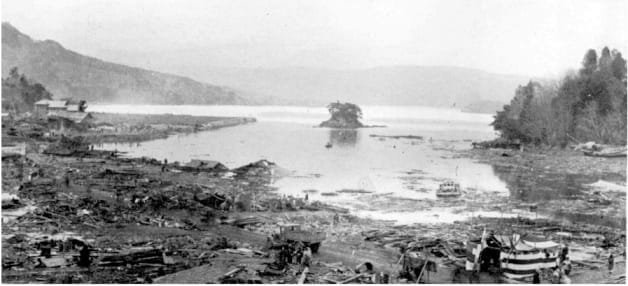
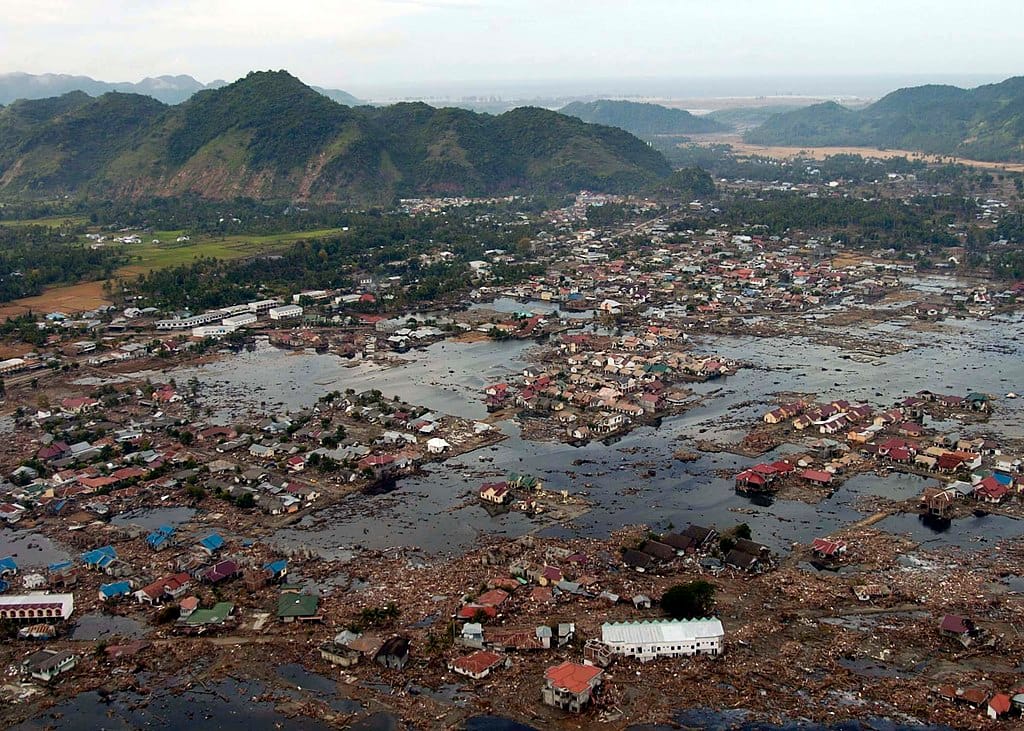
The first wave was enormous, reaching heights up to ten meters in some areas. It crashed onto the coastline with unrelenting force, sweeping away docks, boats, and beachfront dwellings in violent succession. Buildings creaked and shattered; trees were uprooted; entire families were overwhelmed in moments of terror.
This was the Black Sea’s deadly voice, roaring across the ages with sudden, ruthless intensity.
6. The First Wave: Eyewitnesses Describe the Sudden Surge
Among those who survived, the stories are seared into collective memory—a vivid collection of horror and disbelief. Marina Petrovna, a local fisherwoman, recalled the alarming retreat of the water, which puzzled the villagers.
“We thought it was a gift from the sea, to find fish so easily. But then the water returned—fierce, angry, unstoppable. I held my children tight, but many were lost,” she said years later. Such personal narratives remind us that beyond statistics lies the profound human tragedy beneath the waves.
7. Chaos in Yalta: The Tsunami’s Path of Destruction
Yalta bore the brunt of the disaster. The tsunami tore through the city’s shoreline infrastructure, washing away wooden piers, market stalls, and portions of the famous waterfront hotels. Panic gripped the streets as residents fled to higher ground.
Even well-constructed stone buildings were not spared; the force of the water carved deep scars into facades, and mud and debris clogged roads. Communication lines were disrupted, isolating Yalta from immediate outside assistance and compounding the suffering felt by its populace.
8. Coastal Towns Crushed: The Broader Impact Across Crimea
Beyond Yalta, smaller fishing villages and resorts from Alushta to Sevastopol felt the tsunami’s wrath. Many communities engaged in fishing and small-scale trade lost boats vital for their livelihoods, while infrastructure damage left many homeless.
The impact rippled through Crimea’s economy and social fabric. The region’s dependence on the Black Sea for sustenance and commerce made recovery a long, arduous process.
9. Human Stories Amid the Ruins: Tragedy and Resilience
Loss was immense but stories of courage and solidarity emerged. Neighbors rescued neighbors; strangers sheltered the displaced. Among tales preserved is that of Captain Nikolai Baranov, who, despite losing his vessel, led efforts to find survivors and distribute aid in the chaotic aftermath.
For all the destruction, the disaster forged new bonds, a shared trauma that united communities in reconstruction and remembrance.
10. Rescue Efforts and Emergency Responses in a Land of Uncertainty
The Soviet authorities, under pressure to maintain control and order, dispatched relief teams promptly, yet the scale of the catastrophe tested the limits of their logistical capabilities. Medical personnel worked tirelessly to tend to injuries and prevent outbreaks of disease amid ruined sanitation systems.
Despite constrained resources and political complications, local and regional actors staged a determined response that facilitated recovery, though scars lingered long.
11. Geology and Tsunamis: The Black Sea’s Uncommon Vulnerability
Scientific investigations after the 1927 tsunami revealed a combination of underwater landslides triggered by seismic shocks as the likely cause. This illustrated that enclosed seas like the Black Sea, thought immune to large-scale tsunamis, could indeed suffer devastating wave events.
Researchers studied seafloor topography and fault lines around the Crimean coastline with intensified interest in the following decades, seeking to prevent future catastrophes through understanding.
12. Mapping the Aftermath: Economic, Social, and Political Consequences
Economically, the disaster disrupted fishing industries and tourism, key pillars of Crimea's local economy. Socially, it triggered internal migrations, with some survivors moving inland, wary of the sea’s caprice.
Politically, the Soviet regime viewed the event through the prism of state control, emphasizing rebuilding while limiting public discussion to prevent panic. This created a paradoxical silence around the disaster, affecting its place in collective memory.
13. The Tsunami in Soviet Narratives: Silence and Secrecy
Official Soviet accounts downplayed the tsunami’s human toll and political significance, framing it as a swift natural event resolved under communist leadership. Censorship and propaganda tinted historical records, obscuring the depth of suffering and complexity of response.
Only in post-Soviet times did researchers gain fuller access to archives and survivor testimonies, allowing more nuanced understanding.
14. Global Awareness and Scientific Progress Triggered by the Disaster
Though obscure internationally at the time, the event gradually entered global tsunami studies, broadening knowledge of tsunamis beyond Pacific paradigms. It highlighted risks in marginal seas and prompted improved seismic monitoring in the Black Sea basin.
The tragedy underlined the necessity of early warning systems, ultimately saving lives in other, later catastrophes worldwide.
15. Commemorations and Memory: How Crimea Remembers 1927
Memorials—both physical and oral—preserve the memory of September 11, 1927. Local museums house photographs and artifacts; annual commemorations bring communities together to honor victims.
Though overshadowed by larger world events, the tsunami’s remembrance encapsulates a shared history of loss and survival in Crimea’s cultural narrative.
16. Modern Tsunami Preparedness and the Shadow of 1927
Contemporary efforts to safeguard coastal communities build upon lessons learned from 1927. Integrating seismic data, emergency drills, and infrastructure reinforcement, authorities seek to mitigate tsunami risks despite the Black Sea’s relatively low frequency for such phenomena.
The 1927 tsunami remains a touchstone for regional disaster preparedness programs.
17. Lessons from the Past: Nature, Neglect, and Human Fragility
The Black Sea tsunami teaches enduring wisdom about nature’s dual beauty and menace. It warns against complacency, underscoring the delicate balance humans maintain with their environment.
In the chaos and calm of 1927, humanity found both vulnerability and strength—a testament to resilience in the face of sudden catastrophe.
18. The Black Sea Today: Living with the Memory and Risk
Today’s Black Sea coastal towns blend vibrant modernity with quiet respect for the past. Tourism thrives, fisheries prosper, but disaster memory informs policies and personal attitudes alike.
The sea remains a source of livelihood, inspiration, and, always, a reminder of its hidden depths of power.
19. Conclusion: The Eternal Dialogue Between Man and the Sea
The 1927 Black Sea tsunami is not just a footnote in history; it is a vivid chapter illustrating nature’s capacity to surprise and unsettle. The event’s human dimension—fear, loss, courage—resonates across time, prompting reflection on our place within the earth’s complex systems.
As Crimea rebuilds, honors, and learns from this tragedy, the sea and its people continue an eternal dialogue, marked by both conflict and coexistence.
Conclusion
The Black Sea tsunami of September 11, 1927, stands as a powerful reminder that even seas considered gentle can unleash fury when geological forces align. By reconstructing this event, through the voices of survivors, scientific insights, and the slow healing of communities, we grasp both the vulnerability and resilience inherent in human existence. The memory of that day enriches our understanding of nature’s unpredictable rhythms, urging preparedness, respect, and humility.
From the sudden retreat of the waters to the roar of the relentless wave, humanity witnessed a dramatic interruption of life’s ordinary course. Yet from tragedy grew stories of solidarity and survival, underscoring that within history's darkest hours shine the brightest glimpses of human spirit. The Black Sea tsunami remains etched not just in Crimea's shores but in the collective human story, a testament to enduring courage in the dance of man and nature.
FAQs
Q1: What caused the Black Sea tsunami of 1927?
A1: The tsunami resulted from a combination of an underwater earthquake and subsequent submarine landslides, which displaced water and generated powerful waves along the Crimean coast.
Q2: How common are tsunamis in the Black Sea?
A2: Tsunamis in the Black Sea are very rare due to its enclosed nature and geological characteristics, but the 1927 event proved that significant seismic activity can induce destructive waves.
Q3: How many people were affected by the tsunami in Crimea?
A3: Exact numbers are difficult to ascertain due to limited records, but hundreds of people were killed or injured, and thousands experienced displacement or property loss.
Q4: Why was the disaster initially downplayed in Soviet records?
A4: The Soviet government sought to control public perception and maintain social order, often suppressing information that could incite fear or reveal systemic weaknesses.
Q5: What scientific advancements followed the 1927 tsunami?
A5: The event spurred greater emphasis on seismic monitoring in the region, enhanced geological studies, and contributed to the understanding that tsunamis can occur outside traditional oceanic zones.
Q6: How is the 1927 tsunami remembered today in Crimea?
A6: Through local commemorations, museum exhibits, and oral histories, the event is honored as a significant disaster, preserving the memory of victims and lessons learned.
Q7: Could a similar tsunami happen in the Black Sea again?
A7: While rare, the possibility exists due to ongoing tectonic activity; modern monitoring and preparedness aim to mitigate risks.
Q8: How did the local communities recover after the tsunami?
A8: Recovery involved coordinated rescue, rebuilding efforts by Soviet authorities, and collective community resilience, though economic and social impacts lasted for years.