Table of Contents
- The Calm Before the Storm: Crimean Coastline in Early September 1927
- The Morning of September 11: Unseen Tremors Beneath the Waves
- The Unexpected Fury: Arrival of the Black Sea Tsunami
- Yalta's Waterfront in Chaos: Eyewitness Accounts
- The Geological Mystery: What Triggered the Tsunami?
- The Human Toll: Losses, Injuries, and Displacement
- Emergency Response amid Political Turmoil
- Soviet Authorities and the Quest for Answers
- The Role of Seismic Activity in the Black Sea Basin
- A Rare Phenomenon in a Quiet Sea: Understanding Black Sea Tsunamis
- Local Legends and Scientific Debates: Myths That Grew Post-Event
- International Reactions and Scientific Interest
- The Aftermath: Reconstruction of Yalta and Surrounding Areas
- The Tsunami's Impact on Crimean Society and Economy
- Long-term Geological Studies Sparked by the 1927 Event
- Memory and Remembrance: The Black Sea Tsunami in Local Culture
- Lessons Learned: Disaster Preparedness in a Region Unaccustomed to Tsunamis
- The Black Sea Tsunami’s Place in Global Natural Disaster History
- Modern-Day Implications: Could It Happen Again?
- Conclusion: Reflections on Nature’s Relentless Power
- FAQs: The Black Sea Tsunami of 1927
- External Resource
- Internal Link
The Calm Before the Storm: Crimean Coastline in Early September 1927
The morning sun bathed the Crimean coast in a golden hue, sparkling off the tranquil waters of the Black Sea. September 11, 1927, dawned like any other early autumn day along the picturesque shoreline near Yalta—a city known for its mild climate, flourishing vineyards, and as a retreat for Russian aristocrats and Soviet officials alike. The gentle lapping of the sea and the soft murmur of coastal life belied the impending catastrophe that few could foresee.
Locals had long regarded the Black Sea as a placid body of water. Unlike the tempestuous Atlantic or the cycled fury of the Pacific, the Black Sea was serene, enclosed, and relatively safe from the devastating natural disasters common elsewhere. Fishing boats bobbed lightly offshore, children played on sun-warmed beaches, and merchants prepared for the harvest season. The air was imbued with a sense of routine tranquility—until the earth whispered a warning few understood.
The Morning of September 11: Unseen Tremors Beneath the Waves
A subtle rumble beneath the seabed—at first imperceptible, then growing—heralded a seismic event that shook the underworld of the Black Sea. Though the inhabitants of the Crimean coast felt only a mild tremor, something profound had been set in motion beneath the waves. The region lays upon a complex geological tapestry, where the collision and subduction of tectonic plates quietly stir the Earth’s crust.
Seismographs, rare and rudimentary at the time, posthumously recorded tremors that pointed to an undersea earthquake of moderate magnitude. While such events were not unheard of in the Black Sea basin, their potential consequences were vastly underestimated. No official warnings were issued; no prior tsunami drills were held. People went about their daily lives with no idea that nature’s quiet slumber was about to shatter.
The Unexpected Fury: Arrival of the Black Sea Tsunami
Suddenly—a roar unlike any heard before rose from the depths of the Black Sea. A towering wave, the first of a series, surged towards the Crimean coastline. This was no ordinary swell but a formidable tsunami—a rare and terrifying visitor in these waters.
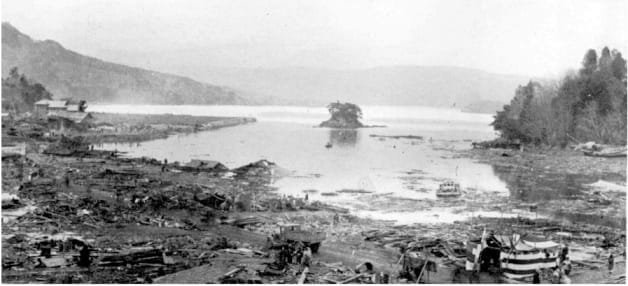
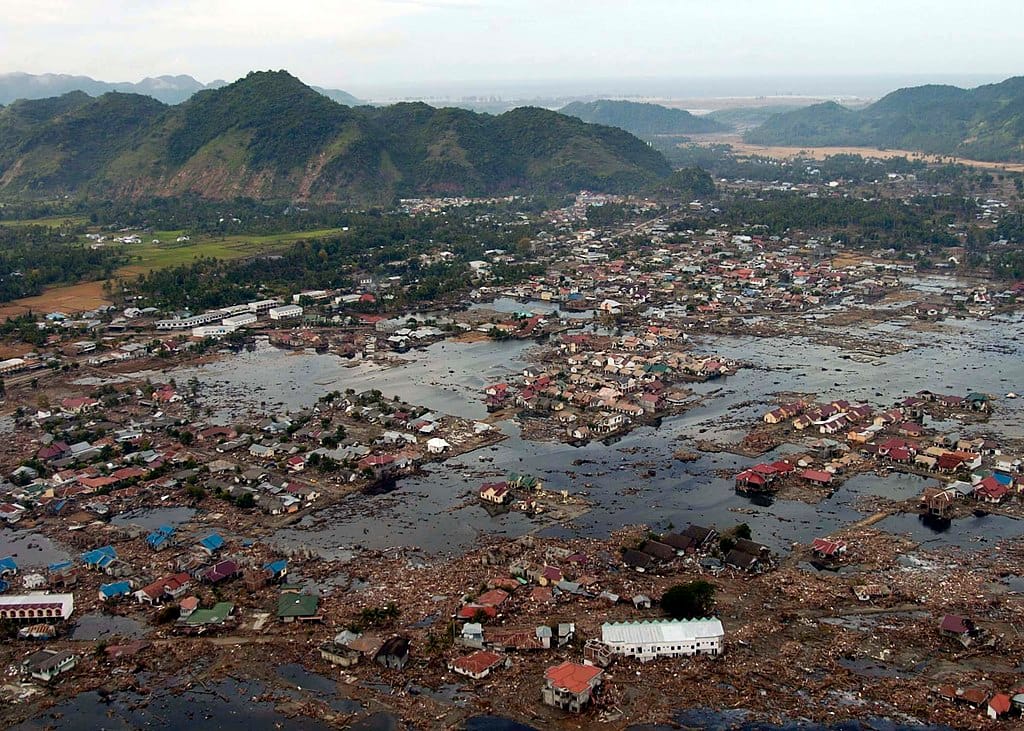
The wave tore through the coastal town of Yalta with terrifying speed and volume. Walls of water, estimated to have reached several meters in height, climbed the shores with devastating force, swallowing boats, smashing piers, and sweeping away everything unfastened. The tsunami overwhelmed the once-calm shoreline in minutes, transforming placid beaches into scenes of utter devastation.
The residents, unprepared and stupefied, struggled to make sense of the chaos. Stories from survivors recount a relentless wall of water engulfing the town, sweeping away families and livestock alike. Fishermen who had ventured out early that day were caught off-guard. Some boats capsized; others managed to outrun the waves, riding the swells to safer waters.
Yalta's Waterfront in Chaos: Eyewitness Accounts
Mariya Petrovna, a local schoolteacher, later described in hushed tones the sudden transformation of her beloved city:
"It was like the sea had turned furious, a living beast breaking free of its chains. One moment, the children played near the docks; the next, the water was rushing in, dragging people and homes alike."
Other witnesses spoke of a deep, ominous rumble, followed by an eerie retreat of the sea just before the wave struck—a classic indicator of a tsunami’s approach. Yet, knowledge of tsunamis was scant; many thought the sea was simply receding or that a storm was coming.
The destructive power of the wave was indiscriminate, sparing neither the rich nor the poor. Yalta’s central market was flooded, goods lost to the angry waters, and the newly constructed seaside promenades were left dismantled by nature’s fury. Emergency rescue was hampered by the suddenness of the attack and limited communication means.
The Geological Mystery: What Triggered the Tsunami?
Geologists and seismic experts later pieced together the triggers of this rare Black Sea tsunami. The likely culprit: a significant underwater earthquake in the southern part of the sea, near the Crimean coast. The shifting of the seabed displaced colossal volumes of water, unleashing waves that raced towards the coastline.
Some theories also pointed to underwater landslides—massive movements of sediment triggered by seismic vibrations—which could have amplified the tsunami’s force. The exact epicenter remains debated, owing to the limited data available from the 1920s. Nevertheless, this event highlighted the seismic vulnerability of the Black Sea region—a revelation that would only fully surface decades later.
The Human Toll: Losses, Injuries, and Displacement
The tsunami’s immediate human cost was staggering. Estimates suggest that dozens perished, with many more injured or missing. Entire families were separated as homes were swept away. The official death toll was never conclusively tallied, given the era’s limited record-keeping and the chaotic aftermath.
Survivors faced the grim reality of homelessness, food shortages, and broken infrastructure. The psychological trauma left deep scars across the community, many testimonies later evoking a sense of helplessness when confronted by an unstoppable natural force.
Moreover, the town’s economic lifeblood—fishing, trade, and agriculture—was severely disrupted. Boats and equipment critical for fishermen’s livelihoods vanished, while tampered roads slowed aid operations. What was once a tranquil retreat was now a landscape etched by destruction and mourning.
Emergency Response amid Political Turmoil
1927 was a volatile period in the Soviet Union, still grappling with post-revolutionary consolidation and societal transformation. Crimea itself, with its diverse ethnic mix and strategic importance, was a politically sensitive region.
The response to the tsunami was hampered by political priorities that focused more on ideological control than on disaster management. State authorities dispatched emergency assistance and repair crews, but resource scarcity and bureaucratic inertia diluted the impact of relief efforts.
The resilience of local communities, however, shone through. Neighbors banded together to rebuild what they could, sharing scant resources and shelter. The event underscored not only the fragility of natural ecosystems but also the delicacy of human institutions in crisis times.
Soviet Authorities and the Quest for Answers
The Soviet scientific community, intrigued by the tsunami’s unexpected emergence, prioritized investigations into the Black Sea’s seismicity. However, initial studies were constrained by limited technology and ideological rigidity that sometimes dismissed natural sciences as secondary to proletarian efforts.
Despite these obstacles, seismic stations were gradually upgraded, and coordinated monitoring efforts began—a seedbed for modern understanding of the region’s geology. The 1927 tsunami became a case study amid growing international awareness of underwater earthquakes and their dangers.
Soviet newspapers cautiously reported on the event, balancing between informing the public and maintaining an image of control over natural and social challenges.
The Role of Seismic Activity in the Black Sea Basin
Today, the Black Sea basin is known to rest upon multiple fault lines, influenced by the tectonic interplay between the Eurasian and Arabian plates, and the subduction zones along the neighboring Caucasus area. While moderate in scale, these seismic movements occasionally unleash underwater landslides—prime drivers of local tsunamis.
The 1927 event crystallized awareness of these risks. Even though the Black Sea is less seismic than the Mediterranean or Pacific rims, its enclosed geography can concentrate wave energy, aggravating coastal damage.
Subsequent geophysical surveys confirmed the existence of multiple submarine landslide scarps around Crimea’s continental shelf—a silent threat lurking beneath the waves.
A Rare Phenomenon in a Quiet Sea: Understanding Black Sea Tsunamis
Tsunamis in the Black Sea are extraordinary occurrences, given its semi-enclosed nature and relatively shallow average depths. Historical records of significant tsunamis are sparse and often blurred by folklore.
The 1927 tsunami serves as a poignant reminder that no sea is immune to nature’s volatility. The event challenges assumptions about regional safety, urging a reevaluation of risk in the Black Sea littoral.
Researchers today approach the Black Sea with a blend of caution and curiosity, decoding sediment layers for signs of ancient tsunami deposits and refining hazard models to better predict future events.
Local Legends and Scientific Debates: Myths That Grew Post-Event
In the wake of the disaster, local oral traditions embellished the event with mythical overtones. Tales circulated of sea gods’ wrath or supernatural omens unfolding as the waters rose. While these narratives deviated from scientific fact, they revealed the depth of cultural processing humans require to face inexplicable trauma.
Simultaneously, scientific debates ensued about the tsunami’s origin, scale, and linkage to regional tectonics. Some skeptics questioned whether it qualified as a true tsunami versus a severe storm surge.
Over time, accumulating geological evidence silenced doubt, anchoring the 1927 event firmly in the record of natural disasters.
International Reactions and Scientific Interest
The Black Sea tsunami captured the attention of international geologists and oceanographers, many intrigued by how an enclosed sea could produce such a wave. Papers published in European journals speculated on the mechanisms and urged for the expansion of seismic monitoring.
International scientific collaborations slowly blossomed despite the political fissures of the interwar era. These exchanges planted seeds for modern tsunami warning systems, albeit decades later.
Global awareness of the event remained limited outside specialized circles, overshadowed by the era’s geopolitical turbulence and the Mediterranean’s more frequent earthquakes.
The Aftermath: Reconstruction of Yalta and Surrounding Areas
In the months following the tsunami, Yalta grappled with rebuilding shattered lives and infrastructure. Makeshift shelters emerged, and aid trickled in from regional centers.
The Soviet government prioritized repairing ports and roads to restore commerce and reestablish military logistics along the Black Sea coast. Yet, the task was immense—buildings once ornate with Crimean elegance stood gutted by water, while the shoreline bore the scars of invasive sediment deposits.
Despite hardship, resilience prevailed. By the following year, Yalta's waterfront had regained much of its former vibrancy—though memories of that fateful September persisted in collective consciousness.
The Tsunami's Impact on Crimean Society and Economy
Beyond immediate destruction, the tsunami rippled through Crimean society. The loss of fishing vessels hurt the primary industry, forcing many to seek alternative livelihoods or migrate inland.
Economic disruption compounded existing political and social fractures within Crimea’s ethnically diverse populace. Some historians suggest that the disaster indirectly accelerated shifts in settlement patterns and urban development in the region.
Moreover, the event heightened public awareness of natural risks, subtly affecting local governance and planning—though comprehensive disaster policies took decades to materialize.
Long-term Geological Studies Sparked by the 1927 Event
The 1927 tsunami spurred scientific interest in mapping Black Sea tectonics. Subsequent decades saw a surge in marine geology expeditions, sediment core sampling, and the drilling of submarine slopes.
These investigations uncovered telltale signs of prehistoric tsunami events, validating the danger's intermittency. The data refined hazard models, now integrating historical, geological, and seismological evidence to better anticipate future threats.
These scholarly pursuits transformed Crimea into a focal point for Black Sea geosciences, blending natural history with technological advances.
Memory and Remembrance: The Black Sea Tsunami in Local Culture
The tsunami’s imprint remained etched not only in scientific data but in the cultural memory of Crimea. Folk songs, poetry, and commemorations arose, blending sorrow with resilience.
Museums in Yalta and Simferopol preserve artifacts and oral histories, ensuring the event’s memory transcends generations. The 1927 tsunami is now a symbol of nature's unpredictability and human endurance.
However, in the broader Soviet narrative, the disaster was often downplayed, reflecting prevailing norms of showcasing progress over vulnerability.
Lessons Learned: Disaster Preparedness in a Region Unaccustomed to Tsunamis
The 1927 tsunami exposed the lack of disaster preparedness in the Black Sea region. Its rarity had bred complacency, leaving coastal communities vulnerable.
Modern disaster management in Crimea incorporates these lessons—establishing early warning systems, evacuation routes, and public education campaigns. The event has become a case study in preparing for low-frequency but high-impact disasters.
One cannot help but wonder: could better awareness in 1927 have saved lives? The answer lies in human capacity to learn from nature’s harshest lessons.
The Black Sea Tsunami’s Place in Global Natural Disaster History
Though overshadowed by Pacific or Mediterranean megatsunamis, the 1927 Black Sea tsunami occupies a unique niche in natural disaster history. It challenges perceptions that tsunamis are solely tropical or Pacific phenomena, expanding the geographic scope of hazard awareness.
As historians and scientists piece together fragmented archives and folklore, the event gains more recognition for its unexpected appearance and force.
Lessons drawn here resonate globally—reminding the human race of the quiet forces shaping our world.
Modern-Day Implications: Could It Happen Again?
Seismic monitoring today indicates that the Black Sea remains susceptible to underwater earthquakes and potential tsunamis. Climate change and sediment shifts may alter risk patterns, though predicting exact triggers remains elusive.
Authorities in Crimea now maintain contingency plans, and international cooperation on Black Sea seismic activity seeks to minimize future impacts. The region's tranquility is a fragile gift, easily disrupted.
This historical event calls for vigilance—a testament to nature’s latent power beneath seeming calm.
Conclusion: Reflections on Nature’s Relentless Power
The Black Sea tsunami of September 11, 1927, was more than a natural disaster—it was a revelation. It tore through the illusion of stability along the Crimean coast, reminding humanity that beneath serene surfaces lie forces capable of immense destruction.
The event’s ripples affected geology, society, science, and culture—binding them in a narrative of vulnerability and resilience. From the raw loss emerged lessons that have shaped regional preparedness and global understanding of tsunamis.
Yet, beyond data and damage lies the human story: the terror in Mariya Petrovna’s eyes, the courage of rescue workers, the shared grief of families swept apart by water. These emotions transcend time, reminding us that history is not only fact but feeling.
As we look back nearly a century later, the Black Sea tsunami urges respect for nature’s power—and hope in human perseverance.
FAQs: The Black Sea Tsunami of 1927
Q1: What caused the Black Sea tsunami in 1927?
A1: It was primarily triggered by an underwater earthquake near the Crimean coast, which likely caused a massive displacement of water. Undersea landslides may have also amplified the tsunami’s force.
Q2: How significant was the damage caused by the tsunami?
A2: The tsunami caused severe destruction along parts of the Crimean coastline, especially in Yalta, destroying homes, boats, and infrastructure. Dozens died, many were injured or displaced, and economic activities were disrupted.
Q3: Why are tsunamis rare in the Black Sea?
A3: The Black Sea is a relatively enclosed and shallow basin with fewer and less intense seismic events compared to larger oceans. Its tectonic setting generally produces small-magnitude earthquakes, making tsunamis uncommon.
Q4: How did the Soviet government respond to the disaster?
A4: While the government provided emergency aid and initiated repairs, the response was limited by political and economic constraints of the time. Scientific investigations began but were hampered by technological limitations.
Q5: How has the 1927 tsunami influenced modern disaster preparedness in Crimea?
A5: It highlighted the need for seismic monitoring and early warning systems, leading to improved disaster management policies and public awareness in the region.
Q6: Are there signs that another tsunami could occur in the Black Sea?
A6: Geological and seismic research indicates that while rare, the Black Sea can experience tsunamis triggered by earthquakes or landslides. Ongoing monitoring is essential to mitigate future risks.
Q7: How is the 1927 tsunami remembered today?
A7: Through local oral histories, cultural expressions, museum exhibits, and scientific literature, the tsunami remains a poignant chapter in Crimean history and natural disaster awareness.
Q8: What global significance does the Black Sea tsunami hold?
A8: It broadens understanding of tsunami risks beyond traditional zones, underscores the need for global seismic cooperation, and contributes to the study of natural disasters in enclosed seas.