Table of Contents
- The Dawn of September 11, 1927: A Quiet Coastline in Waiting
- Crimea and Yalta: Between Peace and Tension in the Late 1920s
- The Black Sea: An Unseen Restlessness Beneath Calm Waters
- Early Signs: The Precursor Tremors of an Unnatural Tide
- The Moment the Sea Roared Back: Initial Impact of the Tsunami
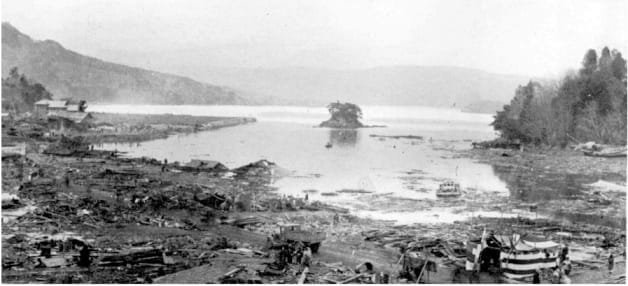
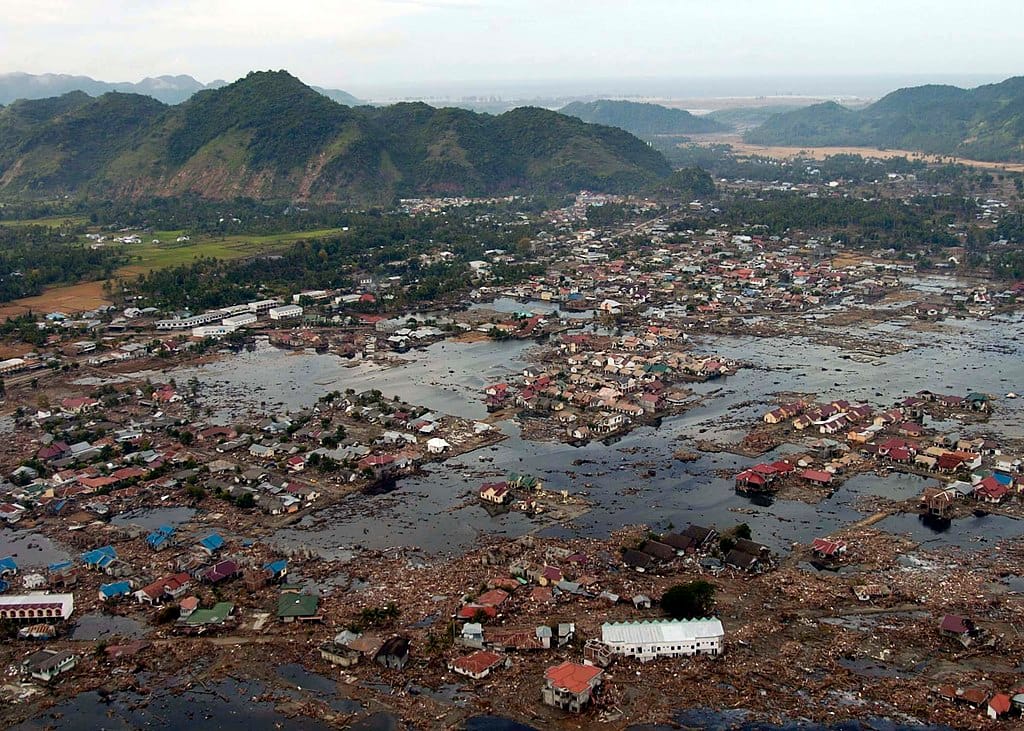
- Yalta’s Waterfront Transformed: Scenes of Chaos and Shock
- Human Stories Amid the Waves: Survival, Loss, and Courage
- The Geological Explanation: What Triggered the Black Sea Tsunami?
- Unfolding the Science: Seismic Plates and Submarine Landslides
- Comparisons with Historical Tsunamis: A Rare Phenomenon in the Region
- Local Authorities’ Response: Emergency Actions and Rescue Efforts
- Media and International Attention: How News of the Event Spread
- The Economic Toll: Damage to Infrastructure, Trade, and Tourism
- Cultural Reverberations: How Poetry and Art Reflected the Disaster
- Political Implications: Crimea and the Soviet Union’s Strategic Concerns
- Scientific Legacy: Advancing Tsunami Research in the Black Sea Basin
- Collective Memory: How the Tsunami Entered Local Lore and History
- The Black Sea Today: Lessons Learned and Continued Vulnerabilities
- Reflections on Natural Catastrophes in the Early 20th Century
- The Tsunami of 1927 in the Context of Global Seismic Events
- Personal Diaries and Memoirs: Voices from the Edge of the Wave
- The Role of International Aid and Solidarity in the Aftermath
- Preserving History: Museums, Monuments, and Educational Initiatives
- Looking Forward: Modern Warning Systems and Coastal Protections
1. The Dawn of September 11, 1927: A Quiet Coastline in Waiting
In the early morning hours of September 11, 1927, the sun rose lazily over the Crimean coastline, casting amber light upon the sleepy resort town of Yalta. Fishermen prepared their boats, children played by the shore, and holidaymakers drank tea on verandas overlooking the tranquil waters of the Black Sea. No one could have imagined that beneath those placid blue waves, a devastating and rare natural disaster was waiting to unfold—a sudden and violent tsunami that would change lives, reshape the horizon, and embed itself into the memory of an entire region.
The sea, calm and serene, was concealing turmoil—a massive underwater disturbance that would send waves surging ashore, carrying destruction and tragedy. This was not a region known for tsunamis, and yet the Black Sea had its own mysteries to unleash.
2. Crimea and Yalta: Between Peace and Tension in the Late 1920s
To understand the significance of the 1927 tsunami, one must first appreciate the backdrop against which it occurred. Crimea, a peninsula of strategic importance and breathtaking beauty, was part of the Soviet Union—an empire grappling with revolutionary changes, political consolidation, and modernizing ambitions. Yalta, a jewel on the southern coast of Crimea, was renowned for its mild climate, scenic promenades, and as a retreat for the Soviet elite and tourists.
But tensions rippled beneath the surface—between the Soviet government’s drive for industrialization and the region’s traditional ways of life, between new ideologies and old memories. The Black Sea was more than a body of water; it was a link for trade, a cultural crossroads, and a psychological border for populations still healing from the upheavals of war and revolution.
3. The Black Sea: An Unseen Restlessness Beneath Calm Waters
Contrary to the popular image of tsunamis raging through the Pacific or Indian Oceans, the Black Sea presented a subtler and more enigmatic threat. Enclosed and relatively small compared to massive oceanic bodies, the Black Sea’s seismic activity was often underestimated. Its deepest parts concealed faults and slopes vulnerable to underwater landslides. It was in these shadowy depths that the inciting event for the 1927 tsunami took place.
Seismic instruments in the 1920s were rudimentary at best, and yet local fishermen reported “strange noises” under the water in the days leading up to the disaster—a faint rumbling beneath waves that usually sang lullabies to the coast.
4. Early Signs: The Precursor Tremors of an Unnatural Tide
On the morning of September 10, residents along the Yalta coast felt subtle tremors—shaking ground that lasted only seconds but was enough to unsettle animals and people alike. At the same time, the sea began behaving oddly: fishermen observed sudden water recession, exposing parts of the seabed normally hidden beneath meters of water. Such phenomena, though inexplicable to many, are classic harbingers of tsunamis.
There were warnings, whispered among fishermen and local observers, but no formal alerts. The region lacked a system to predict or communicate imminent natural hazards, and life continued as normal even as the earth prepared to speak in a voice few had heard.
5. The Moment the Sea Roared Back: Initial Impact of the Tsunami
As the morning progressed, a massive underwater earthquake struck beneath the nearby submarine slopes of the Crimean shelf, setting off a violent underwater landslide. The displacement of millions of tonnes of sediment and rock sent a wall of water surging towards the coastlines of Crimea and Yalta with little warning.
Witnesses later described the eerie sensation as the sea suddenly pulled away, like breath being sucked from the lungs of the coastline, before rushing back with astonishing velocity. The first wave was followed by a series of surges, each one battering homes, piers, and people. The harbor was swallowed whole, and the town’s streets transformed into rushing rivers of destruction.
6. Yalta’s Waterfront Transformed: Scenes of Chaos and Shock
The aftermath of the initial wave was a terrifying scene. Boats were smashed against the rocky shore, piers crumbled like sandcastles, and buildings near the waterline were flooded. Panic surged through the town as residents scrambled for higher ground, many dazed and desperate amid the shock of water, debris, and loss.
The tsunami’s power was both sudden and indiscriminate—it spared no one in its path, but also revealed remarkable human resilience. Children clung to parents, neighbors aided strangers, and survivors galvanized into action even as grief hung heavily in the air.
7. Human Stories Amid the Waves: Survival, Loss, and Courage
Individual accounts from survivors painted a mosaic of tragedy and triumph. Anna Petrovna, a local seamstress, recalled how she was swept from a dock but clung to a piece of floating timber until rescued hours later. Ivan Mikhailov, a fisherman, lost his entire family but used his small boat to save others stranded by the floodwaters. These stories, scattered and personal, bring human dimension to the otherwise impersonal statistics of disaster.
Amid tears and rubble, tales of courage and community solidarity offered a faint but vital light. This was a moment when the sea’s fury met human dignity head-on.
8. The Geological Explanation: What Triggered the Black Sea Tsunami?
The event’s rarity prompted geologists and seismologists to investigate and decode its origins. Unlike the Pacific’s tsunamis, primarily generated by massive tectonic plate subduction, the Black Sea’s tsunami was triggered by a complex interplay of underwater seismic activity and a catastrophic submarine landslide.
The Crimean shelf, characterized by steep underwater slopes filled with unstable sediment, proved to be a critical factor. The earthquake, though moderate compared to other global seismic events, was sufficient to unsettle this delicate balance, causing a sudden displacement of the seabed that propagated energy through the water column.
9. Unfolding the Science: Seismic Plates and Submarine Landslides
Advances after 1927 elucidated that the region lies near a convergence zone where the Eurasian and smaller microplates create faults susceptible to slippage. Underwater landslides, or slumps, act as natural amplifiers of seismic energy. The combination of a moderate earthquake and a massive landslide resulted in the generation of a tsunami with waves reaching several meters in height along the Crimean coast.
This understanding contributed significantly to the early development of tsunami science in enclosed seas—domains once considered safe from such threats.
10. Comparisons with Historical Tsunamis: A Rare Phenomenon in the Region
Historically, records of tsunamis in the Black Sea are sparse and often overshadowed by larger, more frequent disasters elsewhere. The 1927 event stands out as one of the few documented cases. Earlier oral histories and some ancient texts hint at massive flooding and sea-level anomalies, but reliable data were missing.
Comparatively, the 1927 tsunami's impact was devastating but localized, marking it as a rare, if not isolated, natural catastrophe in the Black Sea basin.
11. Local Authorities’ Response: Emergency Actions and Rescue Efforts
In the immediate aftermath, the response was spontaneous rather than organized. Under Soviet rule, civil defense structures were still developing. Communities, relying on traditional support networks and volunteer efforts, led rescues and relief.
Limited medical facilities and infrastructure strained under the sudden demand, but aid slowly poured in from nearby regions. By weeks end, temporary shelters housed displaced families, and reconstruction plans began to take shape.
12. Media and International Attention: How News of the Event Spread
News of the tsunami was slow to travel beyond the Soviet borders, partly due to the limited communication technology of the era and Soviet censorship policies. However, international scientific communities soon took notice, prompting exchanges of data and interest in the seismic phenomena.
The event was covered sporadically outside the USSR but remained relatively unknown to the wider world until decades later, when re-examination of early 20th-century disasters brought the Black Sea tsunami into focus.
13. The Economic Toll: Damage to Infrastructure, Trade, and Tourism
The tsunami devastated Yalta’s wharves, damaged roads, and disrupted fishing activities—vital components of the local economy. Many merchants suffered losses as goods were swept away or spoiled. Tourism, a budding industry in the region, faced setbacks as visitors retreated and infrastructure required rebuilding.
Yet, the economic consequences were only part of a larger social upheaval, as livelihoods were uprooted and fears of future disasters lingered.
14. Cultural Reverberations: How Poetry and Art Reflected the Disaster
Artists and writers of the region absorbed the trauma into their work. Poets penned verses mourning the sea’s betrayal, while painters captured the juxtaposition of natural beauty and ensuing disaster. These cultural responses created an emotional repository that preserved memory beyond statistics.
The tsunami became a metaphor for unpredictable fate, resilience, and the tenuous balance between humanity and nature.
15. Political Implications: Crimea and the Soviet Union’s Strategic Concerns
In the politically charged atmosphere of the late 1920s Soviet Union, the disaster underscored vulnerabilities in infrastructure and governance. Soviet authorities used the event both as a propaganda tool to demonstrate the state's capacity to respond and as a catalyst to accelerate modernization efforts.
The strategic significance of Crimea meant that ports and defenses were prioritized for reconstruction, intertwining natural disaster recovery with broader geopolitical ambitions.
16. Scientific Legacy: Advancing Tsunami Research in the Black Sea Basin
The 1927 tsunami became a reference point for Soviet and international scientists. It spurred the establishment of seismic monitoring stations around the Black Sea and encouraged the study of submarine geology.
Over ensuing decades, these efforts laid foundations for modern hazard assessment in the region, informing preparation and mitigation strategies still relevant today.
17. Collective Memory: How the Tsunami Entered Local Lore and History
While official records documented the event, local families preserved stories passed down through generations. From whispered warnings to heroic episodes, these narratives entwined the tsunami with regional identity.
Memorials and small museums in Crimea echo with these memories, keeping alive a chapter where the sea revealed its darker side.
18. The Black Sea Today: Lessons Learned and Continued Vulnerabilities
Nearly a century later, the Black Sea coast remains a mix of tranquil beauty and lingering risk. Improved monitoring and warning systems coexist with growing populations and climate change-related uncertainties.
The 1927 tsunami serves as a reminder of the need for vigilance, preparation, and respect for nature’s unpredictable moods.
19. Reflections on Natural Catastrophes in the Early 20th Century
The tsunami fits within a global pattern of emerging understanding of natural disasters in a century marked by technological advances yet still vulnerable to nature’s overwhelming force. It highlights the limitations and strengths of early warning systems and human adaptability.
Such events spur progress but also human humility before nature’s power.
20. The Tsunami of 1927 in the Context of Global Seismic Events
Though overshadowed by more catastrophic tsunamis elsewhere, the Black Sea event holds a unique place in history. It broadened the dialogue on tsunami risks in enclosed seas and challenged assumptions about their geographic distribution.
By comparison, it forms a quieter but essential chapter in the global narrative of seismic and oceanic disasters.
21. Personal Diaries and Memoirs: Voices from the Edge of the Wave
Recovered letters and diaries offer intimate glimpses of the disaster—not just descriptions of waves and ruins but expressions of fear, hope, and resilience. These personal accounts lend humanity to a geological event and remind us that history is lived through individuals.
22. The Role of International Aid and Solidarity in the Aftermath
While limited at the time, early forms of international cooperation helped provide aid and expertise. Neighboring countries and scientific bodies exchanged knowledge, laying groundwork for future multinational disaster response mechanisms that define modern humanitarianism.
23. Preserving History: Museums, Monuments, and Educational Initiatives
Today, regional museums in Crimea include exhibitions dedicated to the 1927 tsunami, blending geological data with survivor stories. Monuments stand quietly along the coast, inviting reflection and remembrance.
Educational programs ensure that younger generations understand the significance of the event and the importance of preparedness.
24. Looking Forward: Modern Warning Systems and Coastal Protections
The legacy of the 1927 disaster contributes directly to present-day strategies including seismic surveillance, tsunami warning protocols, and coastal engineering. Despite advances, challenges remain, making the history of the Black Sea tsunami a crucial chapter in balancing development with natural hazard risk.
Conclusion
The Black Sea tsunami of September 11, 1927, was more than a sudden wave cresting against the Crimean coast—it was an event that pierced through the everyday calm, awakening societies to the hidden powers beneath their feet and beneath the sea. From the quiet mornings in Yalta to the shattered streets by evening, the disaster wove threads of tragedy, resilience, science, and memory.
This story, framed by the natural world and human response, reminds us that even in places far from the known hotspots of natural disaster, vigilance and understanding are vital. The tsunami carved new chapters into the history of Crimea and the Black Sea, shaping scientific thought, local culture, political agendas, and global awareness of seismic risks in enclosed seas.
In this dance between land and sea, human and nature, the 1927 tsunami remains a poignant testament to vulnerability and hope—an echo that continues to ripple through time.
FAQs
Q1: What caused the 1927 Black Sea tsunami near Crimea and Yalta?
A1: The tsunami was triggered by a moderate underwater earthquake combined with a massive submarine landslide on the Crimean shelf. This geological disturbance displaced large volumes of seabed material, creating waves that surged toward the coastline.
Q2: How common are tsunamis in the Black Sea region?
A2: Tsunamis in the Black Sea are extremely rare due to its enclosed nature and relatively stable tectonic setting compared to oceanic regions. The 1927 event remains one of the only well-documented tsunamis in this area.
Q3: What was the immediate impact of the tsunami on Yalta?
A3: Yalta experienced severe coastal flooding, destruction of piers and boats, damage to infrastructure, and loss of lives. The sudden waves caused widespread panic but also showcased acts of bravery and community solidarity.
Q4: How did the Soviet authorities respond to the disaster?
A4: The response was initially localized and spontaneous, with community members leading rescue efforts. Over time, the Soviet government mobilized resources for reconstruction and used the event to promote modernization policies.
Q5: Has the 1927 tsunami influenced scientific research?
A5: Yes, the event spurred advances in understanding tsunami generation in enclosed seas and submarine landslides, resulting in improved monitoring systems in the Black Sea basin.
Q6: How is the tsunami remembered today in Crimea?
A6: The disaster is commemorated through local museums, monuments, and oral histories. It forms part of the collective memory and is studied as both a natural and cultural phenomenon.
Q7: Could a similar tsunami happen again in the Black Sea?
A7: While unlikely, geological conditions mean there remains some risk of underwater landslides and earthquakes capable of generating tsunamis. Modern monitoring aims to reduce the risk to coastal populations.
Q8: What role did international aid play after the tsunami?
A8: International aid in 1927 was limited, but scientific collaboration began to blossom, facilitating knowledge exchange and laying foundations for future multinational disaster response efforts.