Table of Contents
- The Calm Before the Storm: A September Day on the Black Sea
- The Unseen Threat: Geological and Climatic Backdrop of the Black Sea Region
- Crimea’s Coastal Life in the 1920s: Peace and Progress
- The Earth Moves: Prelude to the Black Sea Tsunami
- The First Wave: The Moment the Sea Turned Against Yalta
- Chaos on the Coast: Descriptions from Eyewitnesses
- The Aftermath: Human Toll and Infrastructure Devastation
- Scientific Understanding in 1927: How Was the Tsunami Explained?
- The Role of the Crimean Peninsula’s Geology in the Disaster
- The Soviet Response: Emergency Measures and Aid
- The Event in the Wider Context of 1920s Soviet Union
- Memories in Stone and Story: Local Legends and Cultural Impact
- Lessons Learned: Advances in Tsunami Science Post-1927
- The Black Sea’s Hidden Dangers: A Historical Pattern?
- The Modern Legacy of the 1927 Tsunami in Crimea
- Comparative Analysis: The Black Sea Tsunami and Other Global Events
- The Disaster and Its Place in Natural Hazard Historiography
- Environment, Humanity, and Power: The Intersection in Crimea’s Tragedy
- Revisiting the Archives: Unearthing Eyewitness Accounts
- The Tsunami’s Role in Shaping Regional Infrastructure Development
- A Cautionary Tale: How the 1927 Tsunami Shapes Today’s Black Sea Policies
- Conclusion: Remembering the Sea’s Fury, Embracing its Lessons
- FAQs: Understanding the 1927 Black Sea Tsunami
- External Resource: Wikipedia Article on the Black Sea Tsunami
- Internal Link: Visit History Sphere
The afternoon sun hung low above the shimmering waters of the Black Sea, its golden rays casting a honeyed light across the peaceful Crimean coast near Yalta. Children played on sandy beaches, fishermen mended their nets, the scent of salty air mingling with laughter and the murmur of waves. It was a day like any other in September 1927—yet, unnoticed beneath the serene surface, geological forces were stirring, preparing to unleash a sudden and devastating power that would alter lives, landscapes, and history itself.
Suddenly, the sea withdrew, an eerie and unnatural retreat that sent curious onlookers rushing closer—but before they could grasp what was happening, the ocean returned with brutal force, a towering wave roaring towards the shore like a living beast breaking free from centuries of slumber. This was the Black Sea tsunami of September 11, 1927—an event both dramatic and tragic, embedded deep in the folklore and scientific annals of the region, but less known to the wider world.
Long before that fateful day, the Black Sea had been a cradle of civilization, a strategic crossroads between Europe and Asia, and a vital artery for culture and commerce. The Crimean Peninsula, with its rugged cliffs and scenic coastlines, was a jewel that drew poets and travelers alike into its embrace. Yet beneath the calm, the earth’s restless plates interacted with particular intensity in this region. The Black Sea basin, relatively enclosed and framed by dynamic fault lines, held within it the capacity for seismic activity capable of unsettling the very waters that sustained millions.
In the early 20th century, the sociopolitical landscape of Crimea was equally complex. The aftermath of the Russian Revolution and the formation of the Soviet Union brought sweeping changes, but everyday life along the shores clung to the rhythms of fishing, tourism, and modest industry. The people’s intimate relationship with the sea was both a source of livelihood and a quiet trust—a trust abruptly shattered in September 1927.
On the morning of September 11, subtle tremors hinted at subterranean shifts. In contemporary reports, locals described a distant rumbling and occasional shaking of the ground—omens unnoticed amidst routine life. Yet, these were the first whispers of a tremor measuring approximately 6.0 on the Richter scale beneath the sea floor, triggering a sudden displacement of water.
Within moments, the coastline betrayed its calm facade. The sea receded dramatically, unveiling sea beds and leaving stranded boats awkwardly perched on dry land. This “drawback” phenomenon, a classic precursor of tsunamis, drew a crowd of inquisitive citizens to the shore, ignorant of the peril closing in fast.
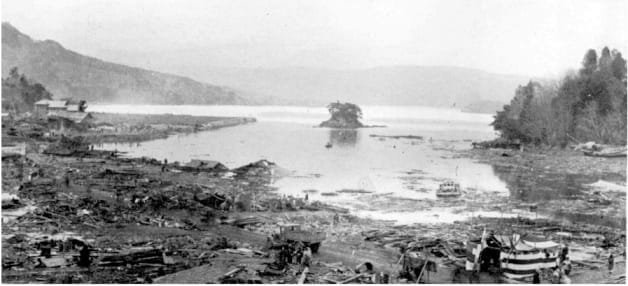
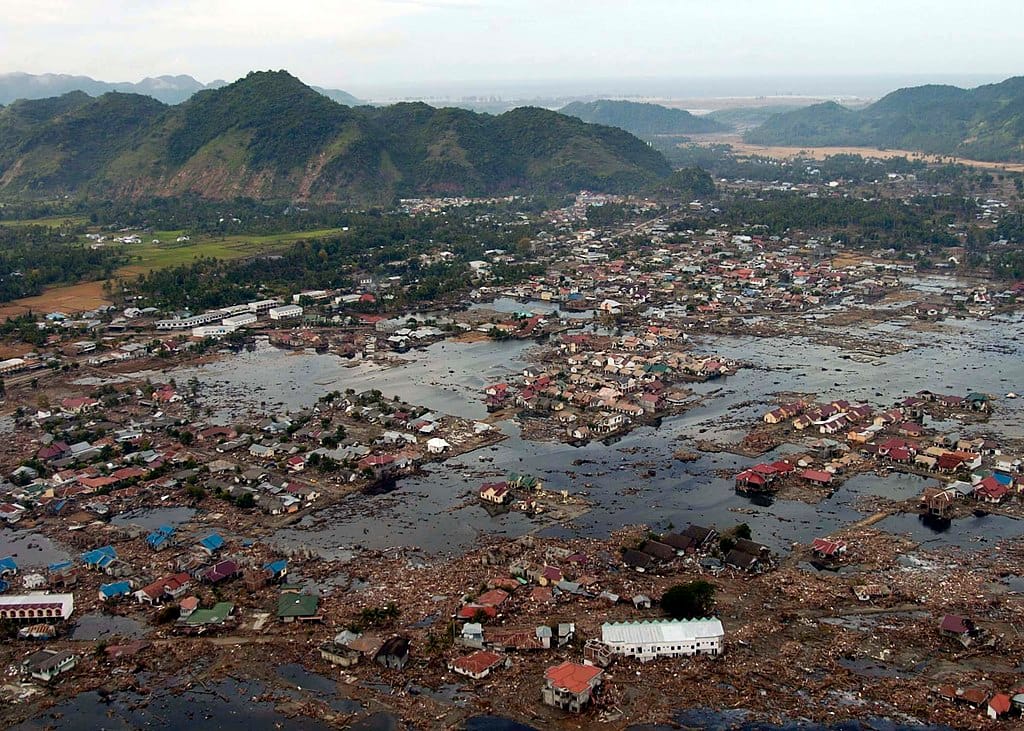
Without warning, the ocean surged back—this time as a monstrous wall of water, reportedly 6 to 7 meters high in some locations. The wave smashed into beaches, collapsing wooden piers, consuming boats, flooding streets, and uprooting trees. Screams mingled with the roar of water, and the day turned into chaos in mere minutes.
Eyewitness testimonies, later collected by researchers, paint scenes of desperation and heartbreak. Marina Ivanova, a 23-year-old resident of Yalta, recalled climbing a hill with her family “just in time to see the wave crash—our home, the market, even the church’s steps were swallowed.” Another fisherman, Sergei Petrov, spoke of “watery graves” where friends vanished at sea. Over 200 lives were lost; thousands displaced. Infrastructure lay in ruins: stone quays fractured, resorts damaged, and a sense of vulnerability pervaded a community once confident in its security.
Scientific comprehension of tsunamis was still evolving globally, and the Black Sea event challenged Soviet geologists and oceanographers. Immediate studies sought to explain the phenomenon in terms of tectonic undersea fault movements. The Crimean submarine faults, part of broader regional seismicity along the North Anatolian Fault system’s northern extension, became the focal point. Researchers at the newly formed Soviet Academy of Sciences hypothesized that a submarine landslide, triggered by shaking seabeds, could have amplified the tsunami’s force.
But data was limited. Instrumentation primitive. Observations often anecdotal. This event thus served as a critical case study for Eastern European tsunami science for decades to come, stimulating cross-disciplinary dialogues between geologists, hydrologists, and historians.
In the months after the disaster, the Soviet government undertook emergency relief measures—providing food, rebuilding homes, and investing in coastal defenses. The event was woven into the narrative of the young Soviet state, emblematic of natural adversity overcome through collective strength and scientific progress. Yet for people on Crimea’s shores, the trauma lingered.
Coastal villages began memorializing the event in local folklore and commemorative ceremonies. Tales of the fighting spirit of communities persisted alongside more cautious respect for the sea’s caprices. Artists sketched turbulent seascapes; writers composed poems infused with nature’s sublime fury. In these cultural echoes, the tsunami became more than a natural event—it became part of the Crimean identity itself.
Looking back nearly a century later, the 1927 Black Sea tsunami remains both a mystery and a warning. It reminds us of nature’s unpredictable power, especially in areas not traditionally associated with tsunami hazards. Moreover, the disaster spurred scientific advances in understanding undersea earthquake-induced waves in enclosed seas, influencing emergency preparedness strategies across the Soviet Union and beyond.
But the Black Sea’s retreat and sudden fury were no isolated incident. Geological records and sediment analysis point to other possible tsunamis across millennia, revealing the area’s volatile past. 1927 was thus a tremor in the long, intricate dialogue between humanity and environment.
In modern times, with Crimea’s strategic importance ever-present, coastal infrastructure upgrades reflect lessons painfully learned. Seawalls are reinforced, evacuation plans developed, and monitoring systems increasingly sophisticated. Yet the shadow of the 1927 wave still invites reflection—on human fragility, on the intersection of natural and political forces shaping a region, and on our place by the sea’s edge.
The Black Sea tsunami of 1927 invites us to remember not only a natural disaster but the endurance, adaptation, and humanity forged in its wake. As the waves reshaped Crimea’s coastline, so too did the event carve an enduring imprint into the collective memory of its people—a story of loss, resilience, and hope entwined beneath the eternal sky.
Conclusion
The memory of the Black Sea tsunami in Crimea on September 11, 1927, opens more than a chapter in geological history—it reveals the intimate, often vulnerable relationship humans hold with the natural world. This sudden surge of water, born from the depths of the earth’s restlessness, tore through ordinary life in a blink, but its reverberations were profound and lasting.
From the dusty streets of Yalta to the ash-gray archives of Soviet science, we learn how communities confront disaster: with heartbreak, with solidarity, and with a relentless quest for understanding. The events of that day still resonate, reminding us of nature’s might and the enduring spirit that rises in its aftermath.
For historians, geologists, and everyday citizens, the 1927 Black Sea tsunami stands as a testament to the delicate balance life maintains at the edge of uncertainty—and an enduring invitation to respect and safeguard that balance.
FAQs
Q1: What caused the 1927 Black Sea tsunami near Crimea?
A1: The tsunami was triggered by an undersea earthquake along submarine fault lines beneath the Black Sea, likely around magnitude 6.0, causing sudden displacement of water and possibly amplified by submarine landslides.
Q2: How many people died as a result of the tsunami?
A2: Reports indicate that over 200 people lost their lives, with thousands more affected by flooding and destruction of homes and infrastructure.
Q3: Was Crimea known to be a tsunami-prone region before 1927?
A3: Not widely. The Black Sea is not typically associated with frequent tsunamis, making the 1927 event exceptional and a catalyst for re-examining regional seismic hazards.
Q4: How did the Soviet government respond to the disaster?
A4: The Soviet authorities initiated emergency relief efforts including food and shelter provision, reconstruction of damaged infrastructure, and supported scientific studies to better understand and mitigate future risks.
Q5: Did the 1927 tsunami influence scientific research on tsunamis?
A5: Yes, it provided valuable data for early Soviet tsunami research, encouraging development of seismic monitoring and fostering interdisciplinary geological and oceanographic studies.
Q6: Are there any memorials or commemorations related to the tsunami today?
A6: While there are no large-scale official memorials, local communities continue to honor the event through oral histories, cultural practices, and some regional exhibitions.
Q7: Could a similar tsunami occur again in the Black Sea?
A7: The potential exists due to active geological features, but enhanced monitoring and modern preparedness reduce risks to populations compared to 1927.
Q8: How is the 1927 tsunami remembered within Crimean cultural identity?
A8: It is part of the collective memory—a symbol of both tragedy and human resilience—preserved in stories, art, and ongoing respect for the power of the sea.