Table of Contents
- The Silent Roar: A Black Sea Morning Like No Other
- The Mysterious Wave: Black Sea’s Secret Fury Revealed
- Setting the Stage: Crimea and Yalta in the Roaring 1920s
- Geological Whispers: How the Black Sea Concealed Its Power
- A Day Marked by Waves: September 11, 1927 – The Unfolding Disaster
- The First Signs: Tremors Beneath the Calm Water
- The Tsunami Hits: Wall of Water Strikes Crimea’s Shores
- Human Stories: Survivors, Witnesses, and the Shock of the Catastrophe
- Emergency Response in 1927: A Region Unprepared
- Scientific Awakening: Understanding the Black Sea’s Volcanic and Seismic Nature
- The Political Atmosphere: Soviet Crimea in the Aftermath
- Economic Fallout: Fishing, Trade, and Tourism Devastated
- Cultural Reverberations: Folklore and Memory of the Black Sea Tsunami
- Comparative Disasters: How the Crimea Tsunami Changed Regional Awareness
- The Legacy of September 11, 1927: Early Warnings and Modern Preparedness
- Lessons from the Deep: Contributions to Tsunami Science and Disaster Management
- Remembering Black Sea’s Fury: Memorials and Commemorations
- The Black Sea’s Quiet Threat: Today’s Geological Perspectives
- Black Sea Tsunami in Global Context: Impact on European Disaster Science
- Personal Narratives: Diaries, Letters, and Oral Histories from 1927
- The Tsunami in Literature and Film: Myth Versus History
- Modern Technology Meets Old Catastrophes: Revisiting 1927 with Today’s Tools
- Final Reflections: Nature’s Unpredictable Force in a Changing World
1. The Silent Roar: A Black Sea Morning Like No Other
The morning of September 11, 1927, began like countless others along the tranquil shores of Crimea’s celebrated coast. The seaside town of Yalta basked in the gentle warmth of early autumn sunlight, its promenades alive with voices and laughter. Fishermen readied their boats, merchants opened their shops, and vacationers soaked in the peaceful beauty of the Black Sea—a sea that seemed serene, eternal, and unchanging.
But beneath the veneer of calm, the earth was shifting imperceptibly. Deep underwater, tectonic plates were grinding, and a subtle rumble—the prelude to upheaval—moved silently through the hidden crevices below the waves. Few noticed the faint tremors, few had reason to suspect that this day would soon be etched into the annals of regional history by a fury both ancient and devastating: a tsunami striking the Crimean coast.
The sudden surge would sweep across the bay of Yalta with the force of a beast awakened, redefining the lives of thousands within moments. The Black Sea, a body of water little associated with tsunamis, revealed in 1927 its secret and deadly capacity. This was not merely a natural disaster—it was a profound turning point in how humanity understood and reckoned with nature’s lurking power in the region.
2. The Mysterious Wave: Black Sea’s Secret Fury Revealed
Tsunamis are often linked in collective memory to the Pacific Ocean’s Ring of Fire, to Japan, Indonesia, or the Indian Ocean’s searing disaster in 2004. Yet the Black Sea, landlocked and enclosed, was long considered relatively free from such seismic wrath. The 1927 event shattered that illusion.
The wave that swept Crimea was not just a physical force but a symbol of hidden geological tensions. It exposed how seismic activity under the sea, complicated by underwater landslides and fault shifts, could generate a tsunami far from the usual suspects of oceanic devastation.
This transformative wave was the Black Sea’s whispered warning that beneath its placid surface lay a breakable equilibrium, fragile and sometimes deadly.
3. Setting the Stage: Crimea and Yalta in the Roaring 1920s
The 1920s in Crimea were a period of political change and cultural renaissance, framed by the aftershocks of the Russian Revolution and the brutal Civil War. Crimea was a contested land: a melting pot of ethnicities, languages, and histories caught between the fading echoes of the Tsarist empire and the new Soviet order.
Yalta, perched on the southern coast, blossomed as a resort city, drawing intellectuals, artists, and travelers enchanted by its mild climate and idyllic scenery. Hotels teemed with visitors and seaside promenades were crowded by hopeful sun-seekers, creating an atmosphere of vibrancy and fragile peace.
Yet, beneath this optimism, economic difficulties persisted. The Soviet government’s policies were transforming society, but the region’s infrastructure remained vulnerable, especially to an unexpected natural disaster.
4. Geological Whispers: How the Black Sea Concealed Its Power
To grasp the magnitude of the 1927 tsunami, one must peer beneath the waves—to the complex tectonic mosaic beneath the Black Sea. Unlike the open ocean, this inland sea is rimmed by a complicated network of faults and underwater landslide-prone slopes.
The earthquake that triggered the tsunami originated from a fault zone along the southern margin of the Black Sea basin, an area subjected to seismic stress due to the collision of the Eurasian and African plates. These plates created unstable underwater slopes that could suddenly collapse, displacing massive volumes of water.
This geological setup rendered the Black Sea a potential, if underappreciated, tsunami hotspot—a secret chamber where explosive geological forces could be unleashed.
5. A Day Marked by Waves: September 11, 1927 – The Unfolding Disaster
On the morning of September 11, an earthquake estimated between magnitude 6.0 and 6.5 occurred offshore near the Crimean coastline. This earthquake was felt as a low rumble, a shaking of the earth that lasted barely seconds but would precipitate immense destruction.
Within minutes, eyewitnesses described strange movements of the water. At first, the sea receded dramatically, exposing parts of the seabed and alarming fishermen who spotted their nets drawn taut near the cliffs. Then, almost without warning, came the enormous wave, racing toward the coast.
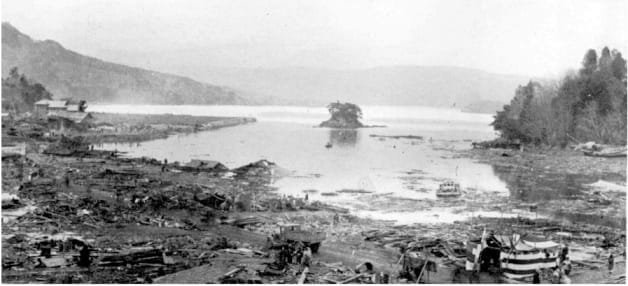
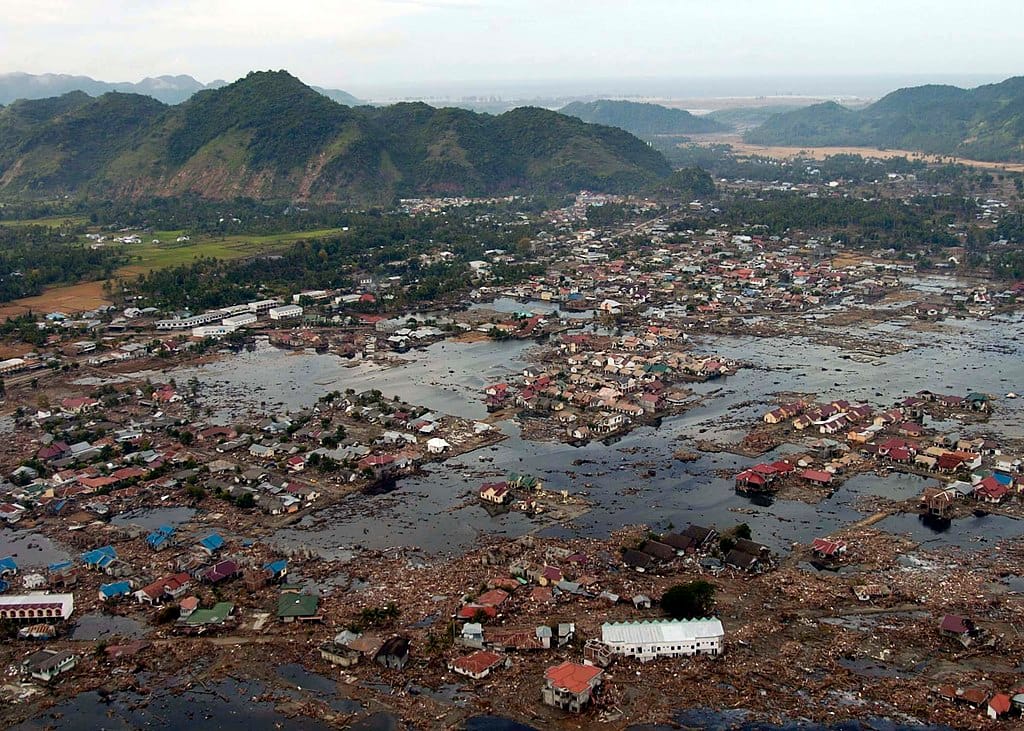
Reports recount a wave several meters high, smashing onto Yalta’s beaches, smashing boats, flooding streets, and sweeping away anything in its path. Buildings nearest to the shore collapsed under the force of the water as terrified citizens scrambled for higher ground.
It was an event so sudden, so violent, that many initially believed it to be a military bombardment or some secret attack—a testament to the shock it inspired.
6. The First Signs: Tremors Beneath the Calm Water
Long before the wave hit, subtle tremors had been recorded—felt faintly by some but ignored by most. These earth movements were not entirely new; Crimea had a history of seismic activity, though it was sporadic and minor.
The quake on this day, though, stirred the seabed violently enough to disrupt sediment and loosen underwater masses. Fishermen’s anecdotes mention fish fleeing the seabed’s shallow areas and birds rising restlessly above the waves—a quiet forewarning lost amid the routine coastal bustle.
7. The Tsunami Hits: Wall of Water Strikes Crimea’s Shores
Eyewitness accounts from survivors reveal moments of extraordinary terror and confusion. Maria Ivanova, a local bakery owner, recounted years later: “The water pulled back first, so far that we could see the sand and rocks underwater that had never been visible. Then, before anyone could gather their senses, the wave came roaring back like a beast unleashed. It took everything: my husband’s fishing boat, the small pier, half the marketplace. People screamed, running uphill.”
The tsunami’s force varied by location, but coastal towns along the southern Crimean coast—from Yalta to Sevastopol—were battered by floods and debris. The destruction of infrastructure isolated communities, making rescue efforts harder.
8. Human Stories: Survivors, Witnesses, and the Shock of the Catastrophe
The human toll remains partially shrouded in unknown numbers due to the era’s limited record-keeping and political upheaval. Estimates suggest dozens of lives lost and hundreds injured. The emotional trauma for those who survived was deep—especially for children who witnessed the sudden loss of parents, homes, and livelihoods.
One poignant story is that of young Yuri Petrov, who lost his entire family but managed to survive by climbing a steep cliff alongside others. His diary notes, preserved by family descendants, reveal a mixture of fear, bewilderment, and ultimately a resilient hope.
9. Emergency Response in 1927: A Region Unprepared
In the aftermath, response teams were overwhelmed. The Soviet authorities were still consolidating power in Crimea and lacked the organized emergency services necessary for such a swift disaster. Medical facilities were strained, and communication networks disrupted.
Local solidarity became crucial: neighbors helped neighbors, improvised shelters emerged in hills and schools, and food shortages prompted urgent communal action. However, the absence of formalized disaster protocols revealed Stalin-era limitations in managing natural calamities.
10. Scientific Awakening: Understanding the Black Sea’s Volcanic and Seismic Nature
The 1927 tsunami prompted renewed scientific interest in the geology of the Black Sea. Seismologists, marine geologists, and hydrologists began documenting and analyzing the event’s causes.
This disaster encouraged the Soviet scientific community to establish closer monitoring of seismic zones and to explore the seismic and volcanic history beneath the Black Sea, previously underestimated.
Though a tsunami was unexpected by many, the lessons from Crimea in 1927 underscored the need for vigilance even in seemingly safe regions.
11. The Political Atmosphere: Soviet Crimea in the Aftermath
The tsunami struck a politically sensitive time—just a few years after the formation of the Soviet Union and at a moment when the regime sought to assert control over Crimea’s diverse population.
Relief efforts were complicated by ideological imperatives: information dissemination was controlled tightly to avoid panic, and the state emphasized narratives of resilience and unity.
Yet, for many Crimeans, the disaster sharpened awareness of vulnerabilities that went beyond political slogans—a true test of the new Soviet system’s capacity to serve and protect.
12. Economic Fallout: Fishing, Trade, and Tourism Devastated
Crimea’s coastal economy was deeply reliant on fishing and the modest tourism industry. The destruction of boats, piers, and hotels by the tsunami delayed the region’s recovery for months.
Fishermen lost gear and catches; markets dwindled, and trade routes were temporarily severed. Tourism, a crucial source of revenue for Yalta, saw a sharp decline as fear and uncertainty spread.
The economic shockwaves extended further inland, highlighting the interconnection between natural disasters and fragile economies.
13. Cultural Reverberations: Folklore and Memory of the Black Sea Tsunami
As years passed, tales of the tsunami entered local folklore, blending fact and myth. Stories of “the sea that swallowed the town” served both as cautionary legends and as communal memory.
Artists, writers, and musicians memorialized the event, sometimes romanticizing the sea’s fury but also reminding future generations of the frailty of human endeavor against nature’s power.
14. Comparative Disasters: How the Crimea Tsunami Changed Regional Awareness
Before 1927, the Black Sea region lacked any serious tsunami preparedness. The event shifted perceptions: locals and scientists alike recognized that no sea was entirely immune.
Though overshadowed globally by other catastrophes, Crimea’s tsunami became a reference point for Soviet and later Ukrainian disaster preparedness, influencing policies and environmental understanding.
15. The Legacy of September 11, 1927: Early Warnings and Modern Preparedness
The legacy of the Black Sea tsunami resonates today as regional authorities incorporate seismic monitoring and emergency planning into their frameworks.
Though no tsunami of comparable magnitude has struck since, the awareness raised in 1927 remains fundamental to crisis management strategies.
16. Lessons from the Deep: Contributions to Tsunami Science and Disaster Management
The 1927 event contributed to the foundational knowledge of submarine earthquakes and landslide-generated tsunamis in enclosed seas.
It also highlighted the limitations of early 20th century disaster response, influencing the gradual emergence of more robust, scientifically grounded emergency systems.
17. Remembering Black Sea’s Fury: Memorials and Commemorations
While there is no large-scale monument specifically dedicated to the tsunami, local memorials and plaques across Crimea honor the victims.
Anniversaries are observed quietly by communities, and educational programs remind younger generations of nature’s unpredictable power and the past’s lessons.
18. The Black Sea’s Quiet Threat: Today’s Geological Perspectives
Modern geological surveys reveal ongoing seismic risks along the Black Sea basin. Scientists stress continued vigilance, as climate change and underwater landslide risks evolve.
The 1927 tragedy remains a somber reminder that the sea’s stability is never guaranteed.
19. Black Sea Tsunami in Global Context: Impact on European Disaster Science
Though overshadowed by more catastrophic tsunamis elsewhere, the Crimea event entered European scientific discussions, broadening the geographical perception of tsunami risks beyond the Pacific and Indian Oceans.
This contributed to strengthening pan-European collaboration on disaster prediction and mitigation.
20. Personal Narratives: Diaries, Letters, and Oral Histories from 1927
Fragments of personal writings capture the raw human experience—fear, loss, and hope. These documents, preserved in archives and families’ memories, are invaluable to understanding the event’s emotional landscape.
21. The Tsunami in Literature and Film: Myth Versus History
The event has inspired occasional retellings in literature and local documentary efforts, though it remains relatively obscure internationally.
These works balance tragedy with resilience, echoing the dual nature of human confrontation with nature.
22. Modern Technology Meets Old Catastrophes: Revisiting 1927 with Today’s Tools
Modern seismology, computer modeling, and underwater mapping technologies allow researchers to reconstruct the 1927 tsunami more accurately, deepening understanding of its causes and effects.
These advances help improve current risk assessments for the Black Sea region.
23. Final Reflections: Nature’s Unpredictable Force in a Changing World
The Black Sea tsunami of 1927 invites us to reflect on the volatility lurking beneath familiar landscapes. It challenges assumptions of safety, reminding us that even smaller seas harbor immense power.
As human societies grow and coastal settlements expand, these lessons form part of a broader conversation about coexistence with the natural world—respecting, preparing for, and ultimately enduring its forces.
Conclusion
The tsunami that struck Crimea on September 11, 1927, remains an extraordinary yet underappreciated chapter in the history of natural disasters. It shattered illusions that the Black Sea was free from sudden cataclysm, unveiling a hidden dimension of seismic risk in this ancient maritime basin.
Beyond the raw figures of destruction—damaged homes, lost lives, disrupted economies—lies a deep human story of resilience and adaptation. Communities battered by waves learned, slowly and painfully, to read the earth’s subtle warnings and to marshal science, policy, and memory against future threats.
This event is a testament to the enduring tension between human aspiration and nature’s rhythms—a narrative as relevant today as it was nearly a century ago. It reminds us that history is not only a record of what has passed but a guide illuminating how we may face what lies ahead: the unpredictable, sometimes violent, yet always awe-inspiring forces of our planet.
FAQs
Q1: What caused the Black Sea tsunami of 1927?
A1: The tsunami was triggered by an underwater earthquake along fault zones beneath the southern Black Sea, likely coupled with underwater landslides that displaced large volumes of water, generating the destructive wave.
Q2: How severe was the damage from the tsunami?
A2: Damage included the destruction of coastal infrastructure in Crimea, loss of fishing vessels, flooding of towns like Yalta, and an estimated loss of dozens of lives, with many more injured or displaced.
Q3: Why was the tsunami so unexpected in the Black Sea?
A3: The Black Sea was long considered relatively safe from tsunamis due to its enclosed geography and lack of common tectonic triggers seen in oceanic regions, leading to limited preparedness and awareness.
Q4: How did the Soviet authorities respond to the disaster?
A4: The response was constrained by limited emergency infrastructure and political controls; relief was primarily local and improvised, with slow mobilization of centralized aid.
Q5: What is the legacy of the 1927 tsunami in modern Crimea?
A5: It heightened seismic awareness, led to improved scientific monitoring, and informed emergency preparedness strategies, even as the event remains a lesser-known part of regional history.
Q6: Are tsunamis still a risk in the Black Sea today?
A6: Yes, ongoing geological assessments show that seismic and landslide risks persist, though no tsunami of similar scale has occurred since 1927.
Q7: How has the event been remembered culturally?
A7: Through local folklore, songs, art, and memorials that preserve the tragedy’s memory and impart lessons about the power of the natural world.
Q8: What scientific advances were spurred by the 1927 tsunami?
A8: It prompted detailed studies of submarine earthquakes and landslides, contributing to early tsunami science and insights into enclosed sea hazards.