Table of Contents
- A Sudden Fury at Dawn: The Black Sea Unleashed
- Setting the Stage: Crimea and Yalta in the Roaring Twenties
- The Black Sea’s Hidden Threat: Geological Background
- September 11, 1927: The Calm Before the Storm
- The First Wave: Arrival of the Tsunami
- Chaos in Crimea: Yalta’s Nightmare Unfolds
- Human Stories: Courage and Tragedy Amid the Flood
- Scientific Understanding in 1927: What Did They Know?
- Immediate Aftermath: Rescue, Relief, and Mourning
- Political Ripples: How Disaster Influenced Regional Powers
- The Black Sea Tsunami in Historical Context
- Legacy of the 1927 Tsunami in Crimea and Yalta
- Evolution of Tsunami Detection and Preparedness in the Black Sea
- Memory and Commemoration: Remembering the Flood
- Lessons from the Depths: Natural Disasters and Human Vulnerability
1. A Sudden Fury at Dawn: The Black Sea Unleashed
The early morning mist clung delicately over the placid waters of the Black Sea on September 11, 1927, painting the horizon with soft hues of golden light. Yalta, perched delicately on the southern coast of Crimea, was awakening to a normal day — fishermen preparing nets, children playing along the shore, promenading tourists enjoying the mild autumn air. Suddenly, without warning, the sea began to retreat, exposing the seabed in an eerie, unnatural gesture. A distant, low rumble quietly transitioned into a deafening roar as an enormous wall of water surged toward the coast with a terrifying speed. In minutes, the serene Black Sea transformed into a monstrous force of nature, sweeping through the town with devastating power.
This was no ordinary flood or storm surge. The Black Sea tsunami of September 11, 1927, remains one of the most dramatic and tragic maritime disasters in the region's history — a reminder of nature’s unpredictable power beneath seemingly tranquil waters.
2. Setting the Stage: Crimea and Yalta in the Roaring Twenties
The 1920s were a period of profound turmoil and transformation in Crimea. The fallout from the Russian Civil War had reshaped the political landscape. By 1927, the Crimean peninsula was part of the Russian Soviet Federative Socialist Republic, under the firm grip of the Soviet Union. Yet, despite political upheavals, Yalta remained a cherished resort town, famed for its picturesque bay, mild climate, and as a retreat for artists, aristocrats, and travelers.
Tourism had been burgeoning since the late 19th century, with elegant hotels, theaters, and promenades lining the coast. The sea was a source of livelihood, beauty, and recreation—a vital artery connecting Crimea to the broader Mediterranean and Asian routes.
Behind the lively surface, however, the geopolitical tension of the interwar period simmered. Stalin’s consolidation of power was accompanied by widespread fear and changing social dynamics. The Black Sea, often a symbol of peace and prosperity, concealed geological secrets known to few.
3. The Black Sea’s Hidden Threat: Geological Background
Despite its placid reputation, the Black Sea lies atop complex tectonic boundaries between the Eurasian and Anatolian plates. Volcanic activity and underwater landslides had shaped the seafloor over millennia, creating pockets of instability.
Historically, evidence of past tsunamis in the Black Sea region has been subtle but readable in geological strata — layers of displaced sediment, submerged ancient forests, and historical chronicles describing “great waters.” By 1927, scientific understanding of tsunamis and seismic risks in the area was embryonic, but local seismographs had occasionally recorded undersea tremors.
The tsunami that battered Crimea was likely triggered by an underwater landslide or a seismic event related to the complex fault lines beneath the sea. The rarity of such phenomena led many to underestimate the potential danger.
4. September 11, 1927: The Calm Before the Storm
The night of September 10 passed with its usual calm, the coastal breeze gently rustling palm trees and stirring lanterns along the piers. Residents of Yalta, recalling simpler times, probably did not imagine the terror that awaited. Fishermen docked their boats, merchants closed stalls, and guests in seaside hotels looked forward to another peaceful day.
Then came tremors — slight shakes felt by a few, but too faint to stir widespread concern. Ships out on the sea noted unusual water patterns, the surface suddenly dropping and exposing reefs and sandbars never before seen at such tides.
This eerie withdrawal of water is a classic warning of an impending tsunami, though unrecognized at the time. It was a dark omen that foreshadowed devastation.
5. The First Wave: Arrival of the Tsunami
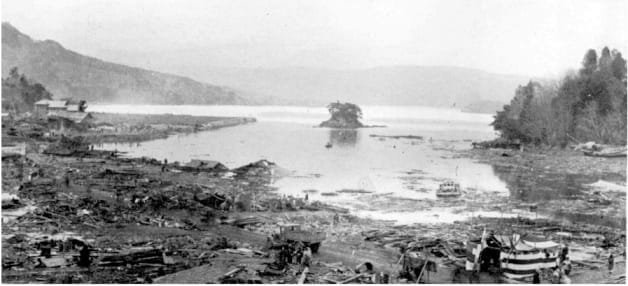
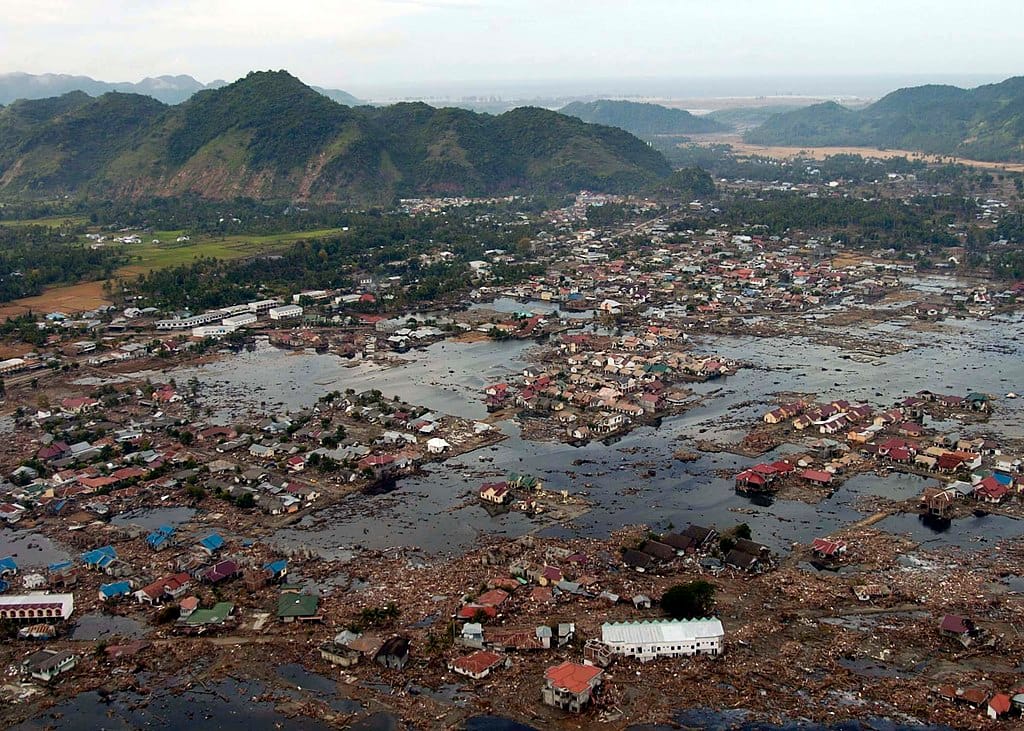
Without further warning, the sea surged back with crushing force. A wave measuring several meters, reported in some eyewitness accounts at up to 6–8 meters high, charged inland, overrunning the seawalls, docks, and streets near the waterfront. The fishermen’s boats were smashed like fragile toys; market stalls, homes, and the resort’s picturesque villas succumbed to the merciless tide.
People scrambled frantically, trying to escape the unnatural floodwaters, which pulled debris, livestock, and many unfortunate souls into the churning sea. Some tried climbing nearby hills, while others sought refuge in stone buildings that, in many cases, were insufficient barriers.
Eyewitnesses recalled the terrifying roar, the stench of salt and mud mixed with destruction, and the screams echoing over the chaos. The tsunami’s first strike lasted only minutes, but it was enough to radically transform the town’s landscape.
6. Chaos in Crimea: Yalta’s Nightmare Unfolds
Yalta’s population, still reeling from political upheaval and economic hardships, now faced a natural calamity that was both sudden and brutal. Public infrastructure was decimated — roads submerged, communication lines cut, electricity disrupted. The usual order gave way to confusion and despair.
This was not merely a flood; the tsunami’s arrival unleashed a psychological shock. Families lost homes and loved ones; vital resources were destroyed. Emergency response was just beginning to organize amidst the collapse.
Nearby towns on Crimea’s southern coast reported similar destruction, though Yalta suffered some of the most vivid damage due to its vulnerability and exposure.
7. Human Stories: Courage and Tragedy Amid the Flood
Amid the catastrophe, stories of heroism and heartbreak emerged. A local nurse, Maria Ivanova, reportedly braved storm surges to carry children to safer ground, while fishermen who had survived the first wave rallied to pull survivors from debris and turbulent waters.
One particularly poignant account tells of an elderly couple who refused to abandon their seaside home despite the warnings, ultimately swept away by the encroaching water. Their fate became emblematic of the human cost behind the statistics.
Such narratives humanize the event beyond cold facts — they remind us of resilience, loss, and the unpredictable cruelty of nature.
8. Scientific Understanding in 1927: What Did They Know?
At the time, tsunamis were poorly understood in regions like the Black Sea. While Japan and the Pacific Rim had recorded tsunamis extensively, the Black Sea’s seismic risk remained underestimated. Local scientists could detect minor seismic events, but lacked systematic tsunami warning systems.
Post-event analyses by Soviet researchers began piecing together the causes — hypothesizing underwater landslides triggered by earthquakes. Data remained sparse, however, and the catastrophe underscored the urgent need for enhanced seismic monitoring.
9. Immediate Aftermath: Rescue, Relief, and Mourning
The days following the tsunami saw frantic rescue operations. Soviet authorities dispatched emergency teams with medical personnel, engineers, and logistical support. Makeshift shelters were erected, and basic supplies distributed to survivors who faced hunger, exposure, and disease.
Official casualty figures remain unclear but estimates suggest hundreds perished, with thousands displaced. The emotional toll was immense, compounded by the isolation of the region and the political climate’s discouragement of free reporting.
International aid was limited, given the Soviet Union’s relative isolation during the interwar years, though local communities contributed as best as they could.
10. Political Ripples: How Disaster Influenced Regional Powers
Natural disasters do not occur in a vacuum; the 1927 Black Sea tsunami rippled through the complex political tapestry of Crimea and the Soviet Union. Moscow leveraged the response to showcase its administrative capacity, using relief efforts for propaganda amidst Stalin’s tightening grip.
At the same time, the disaster aggravated already fragile economic conditions in Crimea, accelerating collectivization policies and population movements. The tragedy was leveraged to promote Soviet narratives of human solidarity and resilience.
In the broader Black Sea region, neighboring countries noted the disaster with concern, aware of their own vulnerabilities to similar events.
11. The Black Sea Tsunami in Historical Context
While overshadowed by larger global calamities of the 20th century, the Black Sea tsunami remains a critical event in regional history. It illustrates the unpredictable nature of natural disasters and the particular fragility of coastal communities dependent on the sea.
Historians and geologists now place the 1927 event within a series of rare but significant tsunamis in the Black Sea – a reminder that even seas often seen as “closed” or calm can unleash devastating power.
12. Legacy of the 1927 Tsunami in Crimea and Yalta
Decades after the wave had receded, signs of the 1927 disaster lingered. Urban planners incorporated higher embankments into Yalta’s coastal defenses; historical memory lived on in local folklore and oral histories.
Memorials to the victims, though sparse, serve as solemn reminders. The event subtly influenced architecture, disaster preparedness, and scientific inquiry in the region for generations.
13. Evolution of Tsunami Detection and Preparedness in the Black Sea
The 1927 tsunami catalyzed the slow but vital development of seismic and oceanographic monitoring across the Black Sea. During the Soviet era, several research institutes focused on understanding tectonic activity in the region.
Modern technologies such as satellite imaging, tsunami buoys, and computerized models now enhance prediction. However, early setbacks highlighted the challenges in detecting tsunamis in ‘unexpected’ locations like the Black Sea compared to traditionally tsunami-prone areas.
14. Memory and Commemoration: Remembering the Flood
Though not as globally renowned as Pacific tsunamis, the 1927 Black Sea tsunami holds a sacred place in Crimean collective memory. Literature, art, and local commemorations recall the disaster’s human cost and the unpredictable might of nature.
In recent years, cultural preservationists have sought to document survivors’ stories, ensuring that the lessons and memories endure beyond fading personal recollections.
15. Lessons from the Depths: Natural Disasters and Human Vulnerability
The Black Sea tsunami of 1927 challenges assumptions about safety and stability, urging a humbling assessment of human vulnerability. It compels us to respect geological forces, invest in scientific understanding, and foster solidarity in the face of nature’s caprices.
In the interplay between calm seas and sudden fury, between human societies and natural powers, the story of September 11, 1927, is both a cautionary tale and an enduring testament to resilience.
Conclusion
The serene beauty of Crimea’s coastline hides stories of unimaginable terror and profound human courage. The Black Sea tsunami of September 11, 1927, stands as a somber chapter in the history of natural disasters — a moment when silence turned into chaos, and the sea transformed from a source of life to a harbinger of death. Yet beyond the destruction and grief, the event stirred scientific inquiry, reshaped policies, and carved memories that echo to this day.
This disaster invites us to contemplate the delicate balance between humanity and nature, to honor those who suffered and survived, and to remain vigilant against the forces beneath our feet and waters. It is a narrative of loss but also of the indomitable human spirit rising against the tide.
FAQs
Q1: What caused the Black Sea tsunami of 1927?
A1: The tsunami was most likely triggered by an underwater landslide or seismic event related to tectonic activity along fault lines beneath the Black Sea. Although precise causes remain debated, geological instability played a key role.
Q2: How large was the tsunami wave that struck Crimea and Yalta?
A2: Eyewitness accounts estimate wave heights between 6 and 8 meters, sufficient to cause severe flooding and destruction along the coast.
Q3: How did the Black Sea tsunami affect Crimea politically and socially?
A3: The disaster exacerbated already difficult economic and social conditions under Soviet rule, leading to increased state intervention and shaping regional policies on disaster management and infrastructure.
Q4: Was there any early warning system in place during the 1927 tsunami?
A4: No formal tsunami detection or warning system existed in the Black Sea region at that time. This contributed to the high level of destruction and casualties.
Q5: How is the 1927 tsunami remembered today in Crimea?
A5: It is commemorated through local memorials, oral histories, and cultural works. Efforts to preserve survivors’ stories help maintain its memory in regional consciousness.
Q6: Are tsunamis common in the Black Sea?
A6: Tsunamis in the Black Sea are rare but not unprecedented, with geological evidence of past events. The 1927 tsunami remains one of the most significant recorded occurrences.
Q7: What advances have been made in tsunami preparedness in the Black Sea since 1927?
A7: Soviet and post-Soviet scientific initiatives have established seismic monitoring networks and forecasting models, though challenges remain due to the region’s unique geological setting.
Q8: Did the tsunami affect other countries bordering the Black Sea?
A8: While Crimea suffered the most severe impact, other Black Sea coastal areas observed unusual sea behavior, though reported damage was less significant.