Table of Contents
- The Morning of September 11, 1927: A Calm Before the Storm
- The Black Sea’s Hidden Fury: Geological and Regional Context
- Crimea and Yalta: A Picturesque Peninsula on the Brink
- Submarine Tremors: The Earthquake Beneath the Waves
- The Unseen Menace: How Undersea Shifts Triggered the Tsunami
- The Arrival of the Wave: Chaos on the Yalta Shoreline
- Witness Accounts: Voices from the Edge of Disaster
- The Immediate Aftermath: Rescue, Destruction, and Shock
- A Region in Crisis: Social and Economic Repercussions
- Scientific Investigations: Unraveling the Mystery of the Black Sea Tsunami
- The Tsunami’s Place in Soviet and Crimean History
- Lessons Learned: Early Warning and Preparedness in an Era Without Technology
- Comparative Analysis: The Black Sea Event and Other Historic Tsunamis
- Memory and Myth: How the 1927 Tsunami Shaped Local Culture
- The Black Sea Today: Geological Risks Persist
- Conclusion: A Wave That Echoes Through Time
- FAQs: Understanding the 1927 Black Sea Tsunami
- External Resource
- Internal Link
1. The Morning of September 11, 1927: A Calm Before the Storm
The sun rose gently over the Crimean peninsula on the crisp autumn morning of September 11, 1927. Yalta’s famously azure sea stretched to the horizon, kissed by gentle ripples and a soft breeze carrying the scents of salt and pine. Locals and tourists strolled along the waterfront, unaware that beneath the deceptive calm of the Black Sea, a cataclysm was gathering invisible momentum.
But the tranquility was a fragile illusion. Within moments, an invisible force would surge, reshaping lives, landscapes, and the very memory of the region. This was not just an earthquake—it was a tsunami, a rare and devastating visitor to the shores of Crimea.
2. The Black Sea’s Hidden Fury: Geological and Regional Context
The Black Sea, cradled between Europe and Asia, is a basin packed with geological complexities. It is a relatively enclosed body of water, surrounded by the mountainous terrains of Crimea, the Caucasus, and the Balkans. While the region is celebrated for its scenic beauty and mild climate, it rests over fault lines shaped by centuries of tectonic upheaval.
In the early 20th century, scientific understanding of seismic activity in this region was still limited. The Crimean peninsula, renowned as a resort haven, was not considered especially vulnerable to tsunamis, a phenomenon more commonly associated with the Pacific or Indian Oceans. Yet, beneath the waves, the earth was restless.
3. Crimea and Yalta: A Picturesque Peninsula on the Brink
Yalta, nestled on the southern coast of Crimea, was then a jewel of Russian and later Soviet tourism. Elegant resorts, grand hotels, and the famous Livadia Palace attracted aristocrats, writers, and politicians alike. This was a place where people came to escape political turmoil and breathe in the air kissed by the Black Sea’s mild breeze.
Life moved in rhythms dictated by nature and culture, from bustling markets to quiet garden strolls. But on that September morning, the everyday was about to be ruptured by forces older than any human tradition tempered by the sea’s uncertain breath.
4. Submarine Tremors: The Earthquake Beneath the Waves
At approximately 6:00 a.m. local time, a seismic event shook the Black Sea floor about 30 kilometers off the coast near Yalta. Geologists estimate the earthquake registered between 6.0 to 6.5 on the Richter scale, enough to cause significant marine disturbance.
This undersea quake was not merely a trembling fault line; it was a sudden shift of seabed sediments and tectonic plates that displaced millions of cubic meters of water in moments. The energy released beneath the surface would soon roar into the lives of the coastal inhabitants.
5. The Unseen Menace: How Undersea Shifts Triggered the Tsunami
Unlike the familiar shaking that comes with earthquakes on land, undersea quakes can displace vast volumes of water, initiating waves that travel at tremendous speeds. With no prior warning systems in place in 1927, coastal communities remained oblivious as the tsunami wave formed and gathered momentum across the seafloor.
The geography of the Black Sea coast near Yalta, with its steep underwater slopes and narrow bays, acted as a tragic amplifier. The wave, which might have been less destructive in open water, grew taller and faster as it approached the shore, poised to strike with sudden violence.
6. The Arrival of the Wave: Chaos on the Yalta Shoreline
Eyewitnesses describe a sudden recession of the sea—a haunting moment as water pulled back far beyond normal tides, exposing stretches of seabed normally hidden from human eyes. Moments later, a towering wall of water crashed over the shoreline.
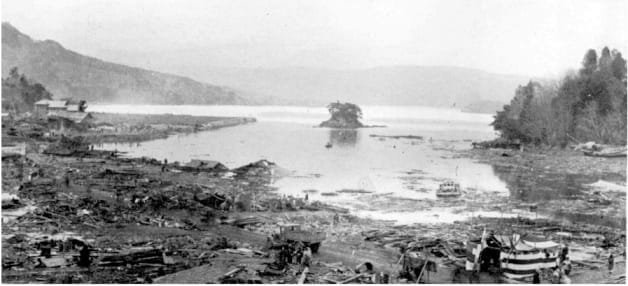
Homes along the waterfront were swept away, docks and piers shattered like twigs. Fishermen out at sea faced terrifying conditions as the wave surged inland, destroying trains and railways traveling nearby and disrupting lifelines of commerce and communication. For those watching from the shore, it was a nightmare made flesh.
7. Witness Accounts: Voices from the Edge of Disaster
One elderly fisherman, Sergei Ivanov, recounted years later, "The sea withdrew as if it was frightened, and then came rushing back like a beast unleashed. I thought the world was ending." His story echoes those told by survivors: the frantic search for missing relatives, the screams, the hours and days of uncertainty.
Another witness, Elena Markova, a maid at one of Yalta’s summer hotels, described the confusion, “People ran everywhere; no one knew where to go. The wave came so fast, it was like the sea itself was angry, punishing us for something we could not see or understand.”
8. The Immediate Aftermath: Rescue, Destruction, and Shock
In the hours that followed, local authorities scrambled to respond. Limited communications and transport made rescue and aid efforts challenging. Many were left homeless as entire neighborhoods were devastated.
The human toll was devastating: estimates suggest dozens of lives lost, hundreds injured, and thousands displaced—all while infrastructure critical to the region’s economy was badly damaged. Yalta and surrounding towns faced an unexpected, daunting challenge that would test resilience amid political and social upheaval.
9. A Region in Crisis: Social and Economic Repercussions
Beyond the immediate physical destruction, the tsunami plunged the region into crisis. Fishing, a vital part of the local economy, collapsed as boats were destroyed and ports damaged, while tourism—a lifeline for Crimea—took a fearful hit. The event fed local anxieties at a time when Soviet policies were already transforming everyday life radically.
Recovery took years. Reconstruction was slow and costly, burdening an already strained Soviet system. For ordinary Crimeans, the disaster became both a material and psychological scar that lingered through the decades.
10. Scientific Investigations: Unraveling the Mystery of the Black Sea Tsunami
In the following months and years, geologists and oceanographers studied the event with painstaking care. Researchers unearthed sediment layers and submarine landslides that confirmed the tsunami’s origins. This rare natural disaster in a largely underestimated region spurred new interest in seismic monitoring of enclosed seas.
Though technology was primitive compared to modern standards, the 1927 tsunami became an important case study in understanding how seismic activity in semi-enclosed bodies like the Black Sea can trigger deadly waves.
11. The Tsunami’s Place in Soviet and Crimean History
Despite its impact, the event faded into relative obscurity, overshadowed by larger political upheavals in the Soviet Union during the late 1920s and 1930s. Yet, in Crimea and among scientific circles, it remained a sobering reminder of nature's unpredictability.
The Soviet state, focused on industrialization and ideological campaigns, rarely highlighted natural disasters that did not fit the narrative of controlled progress. Still, the tsunami’s memory endured quietly in local oral histories and regional archives.
12. Lessons Learned: Early Warning and Preparedness in an Era Without Technology
The 1927 disaster exposed glaring vulnerabilities: a total lack of tsunami warning mechanisms and preparedness among coastal communities. This grim lesson predates the technological advances that would later revolutionize disaster prevention.
For decades, the event influenced how governments and scientists approached hazard assessment in the Black Sea region, advocating for better understanding and monitoring of seismic risks—even if resources were limited.
13. Comparative Analysis: The Black Sea Event and Other Historic Tsunamis
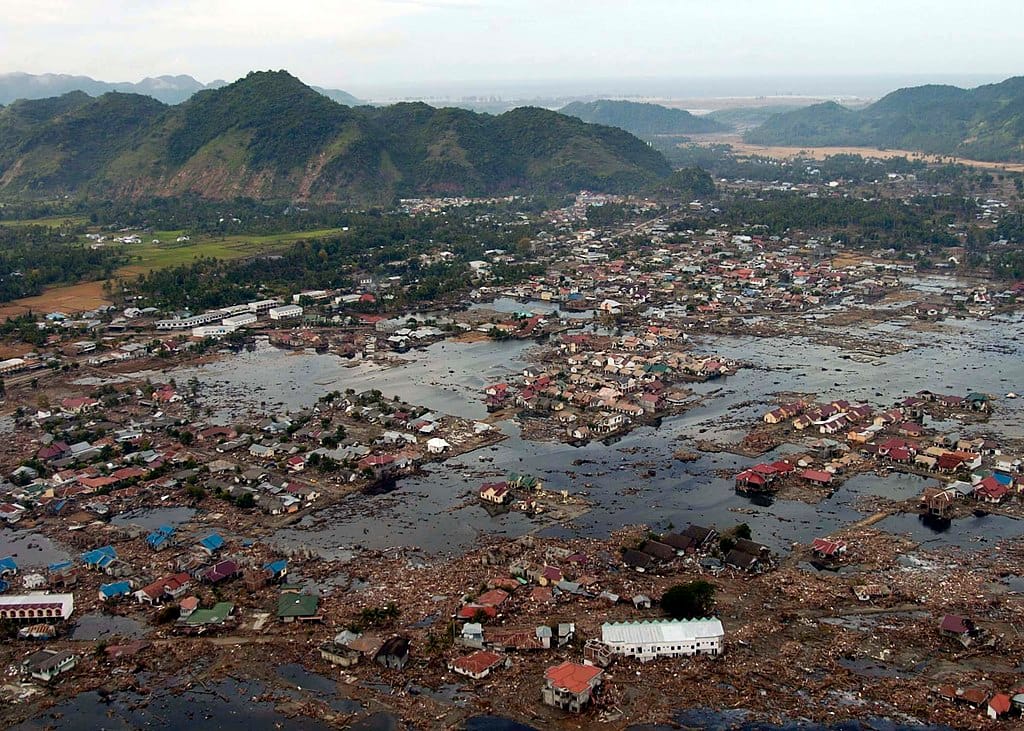
While the 1927 Crimea tsunami was modest compared to the scale of the 2004 Indian Ocean tsunami or the 2011 Great East Japan Tsunami, its occurrence in the Black Sea—a region relatively sheltered from such events—marks it as extraordinary.
Comparing these disasters highlights differences in tectonic settings, warning systems, and social impacts, deepening global comprehension of tsunami science and prompting a more nuanced appreciation of local vulnerabilities worldwide.
14. Memory and Myth: How the 1927 Tsunami Shaped Local Culture
In local lore, the tsunami took on almost mythic proportions. Stories told around fires, poems penned by regional writers, and paintings by Crimean artists all echoed the trauma and awe inspired by the wave.
Folk songs lamented the lost homes and lives, while annual commemorations among some communities kept the memory alive—a testament to human resilience and the intimate relationship between people and their environment.
15. The Black Sea Today: Geological Risks Persist
Today, Crimea remains a seismically active zone. Although modern monitoring systems exist, the risk of underwater earthquakes triggering tsunamis, while still low, cannot be ignored. Climate change and evolving sea conditions add layers of complexity to hazard predictions.
Scientists continue to urge vigilance and have called for regional cooperation to develop early warning systems and improve public awareness to prevent future tragedies.
16. Conclusion: A Wave That Echoes Through Time
The Black Sea tsunami of 1927 was more than a moment of natural disaster; it was a profound rupture in the fabric of Crimean life. Within minutes, the relentless power of nature challenged human assumptions of safety and control.
Yet, from the shattered shores and lives rose resilience and renewed understanding. It is a compelling reminder that beneath the calmest seas lie forces both ancient and immense, waiting to remind humanity of its place within the natural world—a lesson as urgent today as it was nearly a century ago.
Conclusion
The 1927 Black Sea tsunami off the coast of Crimea remains a haunting chapter in the region’s history—part natural phenomenon, part human tragedy. Beyond the immediate destruction lay deeper stories of survival, scientific curiosity, and cultural memory.
When the waves receded, they left behind a challenge that transcended boundaries of politics and ideology, calling for a universal respect for the Earth's restless dynamism. As the world moves forward, remembering and learning from such events becomes essential not just to safeguard communities, but to acknowledge the fragile beauty of the landscapes we call home.
FAQs
Q1: What caused the 1927 Black Sea tsunami near Crimea?
A1: The tsunami was triggered by an undersea earthquake estimated between 6.0 and 6.5 magnitude, which caused a sudden displacement of the seabed and triggered a powerful wave.
Q2: How common are tsunamis in the Black Sea region?
A2: Tsunamis in the Black Sea are rare due to its enclosed nature and tectonic setting. However, submarine earthquakes and landslides can occasionally trigger smaller localized tsunamis.
Q3: What was the immediate impact on the Crimean coastline?
A3: The tsunami caused destruction of buildings, loss of life, damaged infrastructure, destroyed fishing boats, and disrupted local economies in Yalta and surrounding areas.
Q4: How did the Soviet government respond to the disaster?
A4: With limited resources and other political priorities, Soviet response focused mainly on local recovery efforts, but the tsunami was not heavily publicized or politically emphasized.
Q5: Did this event lead to improvements in tsunami warning systems?
A5: While it raised awareness among scientists, comprehensive tsunami warning systems did not come until much later with technological advances. It did influence early recommendations for monitoring seismic activity in semi-enclosed seas.
Q6: How is the tsunami remembered today in Crimea?
A6: The event lives on through local folklore, oral histories, and cultural commemorations, serving as a reminder of the region's vulnerability and history.
Q7: Are similar natural threats still relevant in the Black Sea region?
A7: Yes, the region remains seismically active with some risk of underwater earthquakes and tsunamis. Ongoing geological studies and monitoring aim to mitigate future hazards.
Q8: Where can I learn more about the 1927 Black Sea tsunami?
A8: Detailed scientific and historical accounts are available in specialized research papers and through resources like Wikipedia and regional archives.