Table of Contents
- The Sudden Awakening: September 11, 1927, Yalta’s Dark Morning
- Setting the Scene: The Black Sea in the Roaring Twenties
- Geological Secrets Beneath the Waves: Understanding the Black Sea Fault Lines
- The Precarious Calm: Signs and Omens Before the Deluge
- The Tremor That Shook Crimea: Earthquake Unleashes the Tsunami
- Walls of Water: The Tsunami’s Deadly March on the Yalta Coast
- Human Stories Amidst the Disaster: Victims, Survivors, and Heroes
- Rescue and Relief: How a Region Rebuilt Itself Under the Shadows of Tragedy
- Scientific Curiosity and Mystery: Early Studies of the 1927 Black Sea Tsunami
- Political Undercurrents: Soviet Crimea in the Aftermath
- The Black Sea’s Forgotten Fury: Why This Tsunami Remains Largely Unknown
- Comparing Black Sea Tsunamis: History’s Rare but Fierce Giants
- The Tide of Memory: Cultural Echoes in Crimean and Black Sea Folklore
- Lessons from the Waves: Disaster Preparedness and Risk in the Black Sea Today
- The 1927 Tsunami’s Legacy: A Silent Warning Across Eight Decades
- Conclusion: The Unyielding Force of Nature and Human Resilience
- FAQs: Exploring the Black Sea Tsunami of 1927
- External Resources
- Internal Link: History Sphere
The Sudden Awakening: September 11, 1927, Yalta’s Dark Morning
The sun dawned over Yalta on the morning of September 11, 1927, promising another tranquil autumn day on the shimmering Black Sea coast. Fishermen prepared their nets, children played along the waterfront, and the town’s café terraces hummed with quiet conversations. Yet beneath this peaceful facade, the Earth was stirring with an ominous rumble. Without warning, a deep, ground-shaking tremor surged beneath the waters — a seismic pulse that would ripple toward the shore with catastrophic force. Minutes later, a monstrous tidal wave, vast and unstoppable, smashed into the beaches, ripping homes from their foundations, swallowing lives, and upending the rhythms of this ancient port city. What came to be known as the Black Sea Tsunami of 1927 was not only a geological anomaly but a tragedy that etched itself into the collective memory of Crimea, forever altering its natural and human landscape.
Setting the Scene: The Black Sea in the Roaring Twenties
To understand the impact of the 1927 tsunami, one must first appreciate the backdrop against which history unfolded. The Black Sea region in the 1920s was a complicated world of geopolitical churn and cultural intersections. Crimea, then under Soviet control following the violent upheavals of the Russian Civil War, was a mosaic of ethnicities — Tatars, Russians, Ukrainians, Greeks, and others — all coexisting along a coastline that had long been a crossroads of empires.
Economically, Yalta was a jewel of the southern Crimea — a resort hub famed for its mild climate, lush gardens, and luxurious villas. The city was emerging as a symbol of leisure and healing, frequented by Soviet officials, Russian émigrés, international visitors, and locals alike. The Black Sea itself, a vast inland sea bordered by historically rivalrous nations, was known mostly for its milder waves and relative calm compared to the oceanic fury of other coastlines. Tsunamis here were considered improbable, even implausible.
Yet nature had secrets buried deep beneath the seabed—secrets that scientists then, and even now, were only beginning to grasp.
Geological Secrets Beneath the Waves: Understanding the Black Sea Fault Lines
Beneath the placid waters of the Black Sea sprawls a complex network of tectonic structures. This inland sea, surrounded by the tectonically active Caucasus, Anatolia, and East-European platforms, is shaped by an intricate dance of faults, ruptures, and underwater canyons. Among these, the Crimean Mountains’ undersea extensions and the tectonic boundary between the Eurasian and Anatolian plates hold particular interest.
Though less renowned than the catastrophic plate boundaries of the Pacific "Ring of Fire," the Black Sea region does harbor seismic risks. The 1927 tsunami was precipitated by an earthquake estimated at magnitude 6.4 to 7.0, striking offshore near Yalta. It ruptured a previously underestimated submarine fault, releasing pent-up energy stored over years.
Historical seismic records from the region are fragmentary, yet mystical local legends and coastal damage chronicles hinted at occasional undersea convulsions capable of spawning tsunamis. The 1927 event was a stark and harsh confirmation of these ancient murmurs.
The Precarious Calm: Signs and Omens Before the Deluge
In the days preceding September 11, a subtle unease gripped the fishermen and sailors of Yalta and surrounding coastal villages. Some reported unusual animal behavior — flocks of seagulls abandoning their coastal nesting sites, dogs barking along the shore, and fish inexplicably swimming closer to the surface.
On the morning before, a mild tremor was felt inland—an eerie tremble that unsettled locals but was quickly dismissed. Few could have anticipated the brewing catastrophe, and scientific monitoring infrastructures were scarce, given the period’s technological limitations.
This fragile calm shattered suddenly, the earth heaving underfoot and sending a cascading wave across the bay.
The Tremor That Shook Crimea: Earthquake Unleashes the Tsunami
At precisely 7:45 AM, the Black Sea’s seafloor ruptured. The earthquake originated miles deep beneath the waters off the Crimean coast, releasing a violent shock that reverberated through the surrounding land and sea. For up to 20 seconds, the ground trembled underfoot; windows rattled and masonry cracked. The quake’s epicenter was located offshore, magnifying the devastation at the coastline.
Witnesses from Yalta recalled furniture shaking violently, buildings swaying like reeds in the wind, and a terrible roaring noise emanating not just from underground but from the sea itself. The sea’s surface withdrew dramatically — a natural warning sign in tsunamis — exposing a wide expanse of the seabed before the mountainous wall of water rushed in.
Walls of Water: The Tsunami’s Deadly March on the Yalta Coast
The withdrawing sea gave way to an overwhelming and terrifying surge. Eyewitnesses described a towering column of muddy, debris-laden water hurtling toward the shore at a staggering velocity. Estimates place the height of the initial wave anywhere between 6 and 12 meters, though some local testimonies suggest even greater heights in spots where the coastline funneled the wave’s strength.
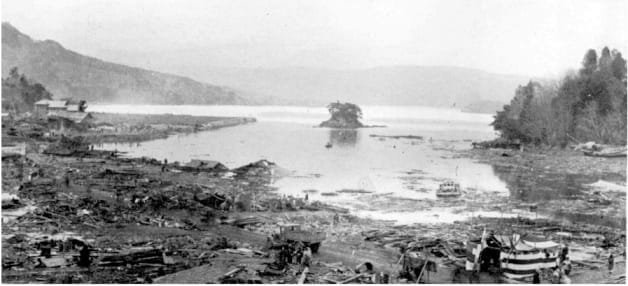
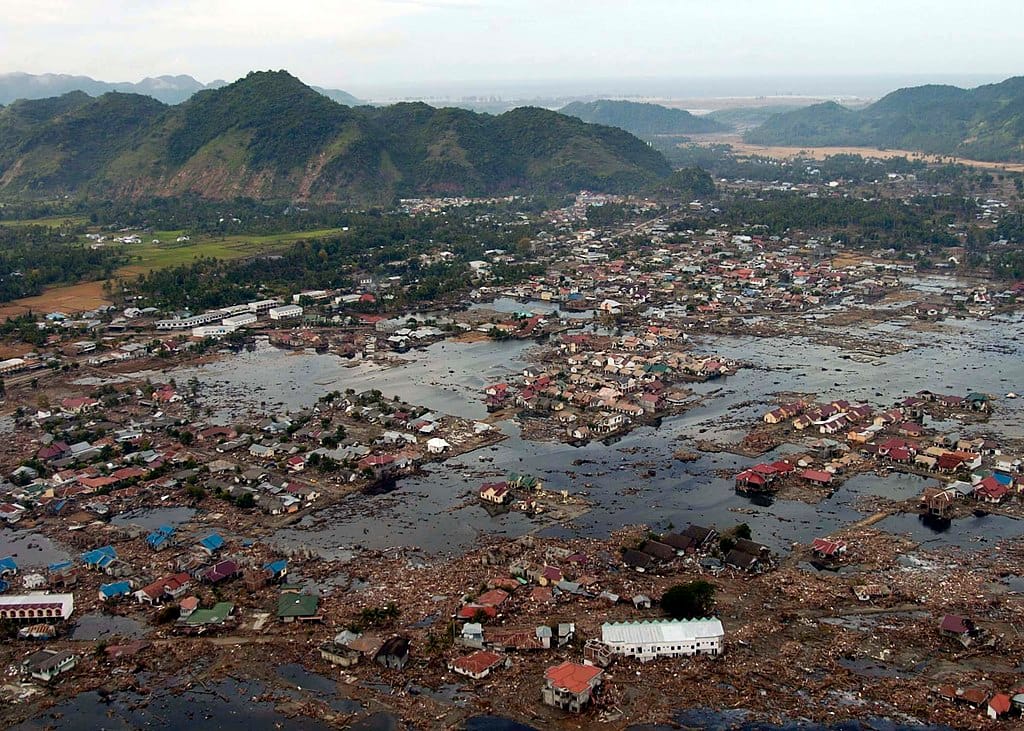
Entire piers collapsed under the impact, fishing boats capsized or smashed onto rocks, and coastal homes were torn from their underpinnings. Streets turned into rivers; the historic embankments of Yalta vanished beneath the tumultuous tide.
The tsunami's fury did not stop at Yalta. Nearby towns such as Alupka and Gurzuf experienced destructive flooding, as the wave wrapped around the Crimean coast. Given the sparsely populated nature of some areas, the overall death toll remained relatively contained, but tragedies of individual families and communities were enormous.
Human Stories Amidst the Disaster: Victims, Survivors, and Heroes
Beyond statistics and geology, the 1927 tsunami’s true tragedy is found in the human stories — stories of loss, courage, despair, and resilience. Maria Ivanovna, a seamstress from Yalta, lost her small shop to the floodwaters but managed to drag her elderly mother to safety. Her testimony, recorded decades later, described the surreal terror of seeing the Black Sea devour their home like a living beast.
Fishermen who were out at sea when the earth shook barely escaped by riding their boats through churning, unstable waters. Meanwhile, local Soviet rescue units mobilized hastily, using horse-drawn wagons and whatever vehicles were available to aid survivors.
In the absence of modern early warning systems, it was the instinctive bravery of neighbors and spontaneous community responses that saved many lives. Villagers pulled the wounded from debris, strangers shared food and shelter, and local medical staff battled exhaustion to treat injuries under difficult conditions.
Rescue and Relief: How a Region Rebuilt Itself Under the Shadows of Tragedy
In the weeks following the tsunami, the full scale of devastation became clear. Thousands were displaced; portions of Yalta’s famed coastal promenade lay in ruins. Soviet authorities, juggling the devastation with the challenges of a young and consolidating regime, launched a campaign to rebuild the infrastructure.
Relief efforts combined government resources with volunteer action—a crucial partnership given the limited technological and logistical means of the era. Temporary shelters sprung up, food supplies were distributed, and medical aid was prioritized. The tragic event highlighted weaknesses in regional disaster preparedness but also strengthened social bonds.
Many homes were rebuilt with greater attention to the risk of flooding, and urban planners proposed changes that would make the coastline more resilient to future disasters.
Scientific Curiosity and Mystery: Early Studies of the 1927 Black Sea Tsunami
For geologists and seismologists, the 1927 Black Sea tsunami was both an alarming warning and a call to scientific action. At the time, information about underwater earthquakes and their capacity to generate tsunamis in enclosed seas like the Black Sea was scant.
Early Soviet seismic stations collected data that helped map the earthquake’s epicenter. In subsequent years, researchers studied sediment layers deposited by the tsunami, piecing together the wave’s reach and impact. Despite these efforts, the Black Sea tsunami remained an anomaly in scientific literature, overshadowed by more dramatic Pacific or Mediterranean events.
It wasn't until decades later, with advances in marine geology and underwater mapping technologies, that the mechanisms triggering the 1927 tsunami became better understood. Today, scientists recognize that undersea landslides triggered by earthquakes, coupled with the region’s unique bathymetry, played critical roles.
Political Undercurrents: Soviet Crimea in the Aftermath
The 1927 tsunami struck during a turbulent chapter in Crimea’s history. The Soviet Union was still consolidating power after the civil wars, collectivization policies were on the horizon, and tensions simmered among Crimea's diverse population.
The disaster provided both a challenge and an opportunity for Soviet authorities. On one hand, the regime sought to control information about the tsunami's human cost, fearing it might undermine public confidence. On the other, the relief campaigns and reconstruction efforts were used to demonstrate the Soviet state's capacity for collective action and technological progress.
The event subtly influenced policy discussions about regional infrastructure investment, civil defense, and scientific research priorities in the USSR, marking the tsunami as more than a natural disaster — it was a political and social pivot.
The Black Sea’s Forgotten Fury: Why This Tsunami Remains Largely Unknown
When the world thinks of tsunamis, visions of the Pacific Ocean—Japan, Indonesia, Chile—dominate. The Black Sea tsunami of 1927, despite its devastating local effect, remains obscure in global historical memory.
Several factors contribute to this relative obscurity: the confined scale of the event, limited media reach in the Soviet Union at the time, sparse scientific documentation, and the overshadowing impact of other historical crises dominating Eastern Europe and Asia in the late 1920s and 1930s.
As a result, the Black Sea tsunami occupies a shadowy niche—a reminder of nature’s capacity for unexpected violence in even the most tranquil-looking seas.
Comparing Black Sea Tsunamis: History’s Rare but Fierce Giants
Scientific and historical records indicate that tsunamis in the Black Sea are rare but not unprecedented. Apart from the 1927 event, notable wave-related disasters occurred in preceding centuries, often linked to strong undersea quakes or landslides.
Modern comparisons reveal both similarities and distinctions with Pacific tsunamis: Black Sea waves tend to be shorter-lived but can still cause immense damage due to the coastline’s steep topography and human settlement patterns.
This rarity breeds a paradox—while the risk seems low, the stakes remain high, emphasizing the need for continued vigilance.
The Tide of Memory: Cultural Echoes in Crimean and Black Sea Folklore
Natural disasters leave marks not only in stone and sediment but in stories, songs, and oral tradition. The 1927 tsunami found its way into local Crimean folklore, told as a tale of the sea’s wrath and the human spirit’s endurance.
Poets and writers from the region incorporated the event into reflections on fate and nature, while elder villagers recounted their narrow escapes around fires and kitchen tables. Such memories, fragile yet persistent, underscore how communities internalize trauma, passing down lessons alongside grief.
Lessons from the Waves: Disaster Preparedness and Risk in the Black Sea Today
Fast-forward nearly a century, and the Black Sea remains a region of seismic and tsunami risk. Advances in technology have endowed scientists with tools to detect early signs—underwater sensors, satellite imaging, and complex models.
Regional cooperation among Black Sea bordering countries has improved, focusing on sharing data and emergency protocols. Coastal cities like Yalta now include tsunami risk in urban planning, deploying warning sirens, educating populations, and strengthening infrastructures.
The 1927 event is frequently cited by experts as a somber benchmark, a reminder that the sea’s serene surface can conceal deadly power.
The 1927 Tsunami’s Legacy: A Silent Warning Across Eight Decades
Though overshadowed by larger historical narratives, the Black Sea tsunami of 1927 continues to offer vital lessons—both scientific and human. It calls attention to the vulnerability of coastal communities even in relatively stable regions. It highlights the intersection of natural hazards with political realities. And perhaps most poignantly, it tells of ordinary people caught in an extraordinary moment.
Today, as climate change, urban expansion, and geopolitical tensions stress the region anew, recalling that dark day in Yalta serves as both caution and commemoration—a silent warning from the depths.
Conclusion
The Black Sea tsunami of September 11, 1927, stands as a powerful testament to the unpredictable forces that shape our world. In an era marked by political upheaval and social transformation, this natural disaster revealed the fragile threads binding humanity to nature. The towering waves that crashed into the Crimean coast dismantled buildings but could not shatter the spirit of the communities that rose from the ruins.
Though for many it remains an obscure footnote in history’s vast ledger, the event encapsulates timeless human themes: vulnerability, resilience, hope, and the quest to comprehend a world both beautiful and perilous. As modern science and society continue to enhance preparedness, the 1927 tsunami calls us to respect the unseen depths beneath the waters and the stories etched into the very stones of Yalta’s shores.
FAQs
Q1: What caused the 1927 Black Sea tsunami?
A: The tsunami was triggered by an undersea earthquake near the Crimean coast, likely involving a rupture of a submarine fault line that displaced a significant volume of seawater.
Q2: How many people were affected or killed by the tsunami?
A: Estimates vary due to limited records, but several hundred people were displaced and dozens lost their lives, with the highest impact in Yalta and nearby coastal towns.
Q3: Why is the 1927 tsunami less known compared to others worldwide?
A: Limited contemporary media coverage, Soviet-era censorship, and the rarity of tsunamis in the Black Sea region contributed to its obscure global profile.
Q4: What was the response of the Soviet authorities to the disaster?
A: The Soviet government mobilized relief efforts focusing on rescue, medical aid, and rebuilding but also controlled information dissemination to maintain political stability.
Q5: Are tsunamis still a threat in the Black Sea region?
A: While rare, tsunamis can occur in the Black Sea due to tectonic activity and underwater landslides, so ongoing monitoring and preparedness remain essential.
Q6: How did the 1927 tsunami impact scientific understanding of Black Sea geology?
A: It spurred initial seismic studies and raised awareness of the Black Sea’s tectonic complexity, paving the way for later geological and oceanographic research.
Q7: Are there cultural memories of the tsunami among Crimean communities today?
A: Yes, oral histories, folklore, and local legends preserve remembrance of the tsunami, intertwining natural history with community identity.
Q8: What lessons does the 1927 tsunami offer for contemporary disaster planning?
A: It underscores the importance of early warning systems, public education, resilient infrastructure, and international cooperation in coastal disaster risk reduction.