Table of Contents
- Embers in the Storm: The Black Sea on September 11, 1927
- The Dawn of Disaster: Early Warnings Ignored
- Crimea’s Stunning Landscape: A Precarious Beauty
- The Roar Before the Wave: Seismic Rumblings in the Black Sea
- The Earth Trembles: Understanding the 1927 Black Sea Earthquake
- The Wave Unleashed: The Tsunami Hits Yalta and Surrounding Coastlines
- Panic and Chaos: Eyewitness Accounts from the Black Sea Shores
- Destruction and Aftermath: The Human Toll in Crimea
- Rescue and Relief Efforts: Local and Regional Responses
- Scientific Pursuit: Early 20th Century Tsunami Understanding
- Political Turmoil Amidst Natural Catastrophe: Soviet Crimea in the 1920s
- The Forgotten Tragedy: Why the 1927 Tsunami Faded From Memory
- Cultural Resonance: Local Legends and Oral Histories
- Environmental Changes: Long-Term Impact on the Black Sea Coast
- Comparative Analysis: The Black Sea Tsunami in Global Context
- Modern Reflections: Tsunami Risk in the Black Sea Today
- Lessons from 1927: Disaster Preparedness and Historical Warnings
- Conclusion: Remembering the Silent Wave
- FAQs: Unraveling the Black Sea Tsunami
- External Resource: Further Reading and Research
- Internal Link: Explore More at History Sphere
Embers in the Storm: The Black Sea on September 11, 1927
The calm surface of the Black Sea shimmered under a pale September sun as if nothing could disturb the placid day. Along the brooding cliffs and golden beaches of Crimea, fishermen cast their nets and children played near the water’s edge, unaware that nature was about to unleash a rare and ruthless force. In the coastal town of Yalta, tourists and locals alike were caught off guard by a sudden, earth-shattering upheaval beneath the waters. The Black Sea, often peaceful and serene, would roar; a monstrous wave would rise and crash down, reshaping lives and landscapes in an instant.
This was no ordinary storm, no fleeting weather anomaly. The 1927 Black Sea tsunami, born of seismic fury, would become an enigmatic chapter in the annals of natural disasters—its echoes long subdued by the political tumult and limited scientific understanding of the era. Yet, the story of that day reveals much about human resilience, nature’s devastating power, and the complexities of memory and history.
The Dawn of Disaster: Early Warnings Ignored
On the dawn of September 11, 1927, subtle tremors were felt beneath Crimean soil, gentle but unsettling vibrations transmitted through the ground to wake the most sensitive sleepers. Fishermen reported strange behavior in the sea’s currents, and some noted the sudden retreat of the Black Sea’s waters—a fateful sign often associated with tsunamis in more familiar maritime contexts. Yet, these warnings went largely unnoticed or were dismissed amid everyday concerns and scant scientific facilities in the region.
At the time, Crimea was grappling with political instability; having been a battlefield in the Russian Civil War just a few years prior, the peninsula was now under Soviet control, but tensions remained high. This political backdrop played a silent role in diverting attention from the natural anomaly brewing beneath the waves.
Crimea’s Stunning Landscape: A Precarious Beauty
Crimea’s peninsula sits like a jewel set against the vast canvas of the Black Sea — a mixture of rugged cliffs, subtropical coasts, and precipitous mountains. Its natural beauty made it a destination for aristocrats, intellectuals, and dreamers. Yalta, with its mild climate and charming promenades, was a crown jewel. But this beauty cloaked geological volatility.
Beneath the sea and surrounding land lie fault lines and ancient tectonic boundaries. The Black Sea’s unique geological features—part enclosed basin, part open connection to larger oceanic systems—make it prone, albeit infrequently, to underwater seismic events. Yet, tsunamis were not part of the common folklore or industrial memory. To most inhabitants, the sea was a source of life and leisure, not a harbinger of disaster.
The Roar Before the Wave: Seismic Rumblings in the Black Sea
Reports from regional seismographs, rudimentary by modern standards, indicate that the Earth’s crust beneath the Black Sea experienced a powerful rupture early on September 11. Geologists today estimate the earthquake’s magnitude to be around 7.0 on the Richter scale—a formidable force capable of triggering underwater landslides and displacing vast volumes of water.
Locals heard a thunderous underground rumble, a low-frequency growl that seemed to shake the very air. Following the quake, the sea itself sank dramatically, as if withdrawing in a fearful retreat from what was to come next. This phenomenon—drawn from eyewitness observations—prototype the tsunami genesis witnessed in other historically known disasters.
The Earth Trembles: Understanding the 1927 Black Sea Earthquake
The earthquake that shook the Black Sea region in 1927 was the largest recorded seismic event in the area during the 20th century. Scientists theorize it originated along one of Crimea’s submerged fault lines, possibly the Gagra–Utrish fault system running beneath the sea. This seismic slip set off a cascade of underwater landslides, some registering massive enough to shift seabed topography and generate tsunami waves radiating outwards.
At this stage, knowledge about tsunamis was limited, and the Black Sea’s enclosed geography led many experts to underestimate potential impacts. Satellite monitoring and advanced seismology were decades away, so the subtleties of this marine quake remained mostly captured in local anecdotes and scattered research notes.
The Wave Unleashed: The Tsunami Hits Yalta and Surrounding Coastlines
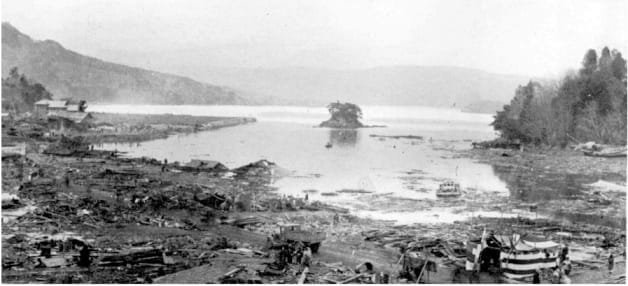
Moments after the quake, the tsunami struck the Crimean coast. A towering wall of water surged ashore, sweeping boats, caught swimmers, and entire shoreline establishments into the sea’s greedy grasp. Yalta, the jewel town on the bay, found its famous embankments submerged. Reports mention waves rising over 3 meters above normal sea level—a height sufficient to devastate coastal infrastructure.
Families scrambled to higher ground, many losing their homes and livelihoods within minutes. Unlike oceanic coastlines where warning systems can sometimes alert residents, this tsunami arrived unheralded, its speed and ferocity defying attempts to escape the natural onslaught.
Panic and Chaos: Eyewitness Accounts from the Black Sea Shores
“I saw the sea pull back as if breathing in,” recalled Ivan Petrov, a fisherman from Yalta, decades later in an interview. “Then, suddenly, it rushed in like a beast. The sound was thunderous—it crushed boats like twigs.”
Children playing on the beach vanished under the water’s thrashing hands. Market stalls selling fresh fruit, nets drying in the sun—all were swept away or buried beneath silt and debris. Eyewitnesses describe a surreal scene: the peaceful bay turned violent in minutes, skies darkened as dust and spray filled the air.
Such firsthand narratives provide a poignant human face to the event—the terror, confusion, and helplessness that statistics fail to convey fully.
Destruction and Aftermath: The Human Toll in Crimea
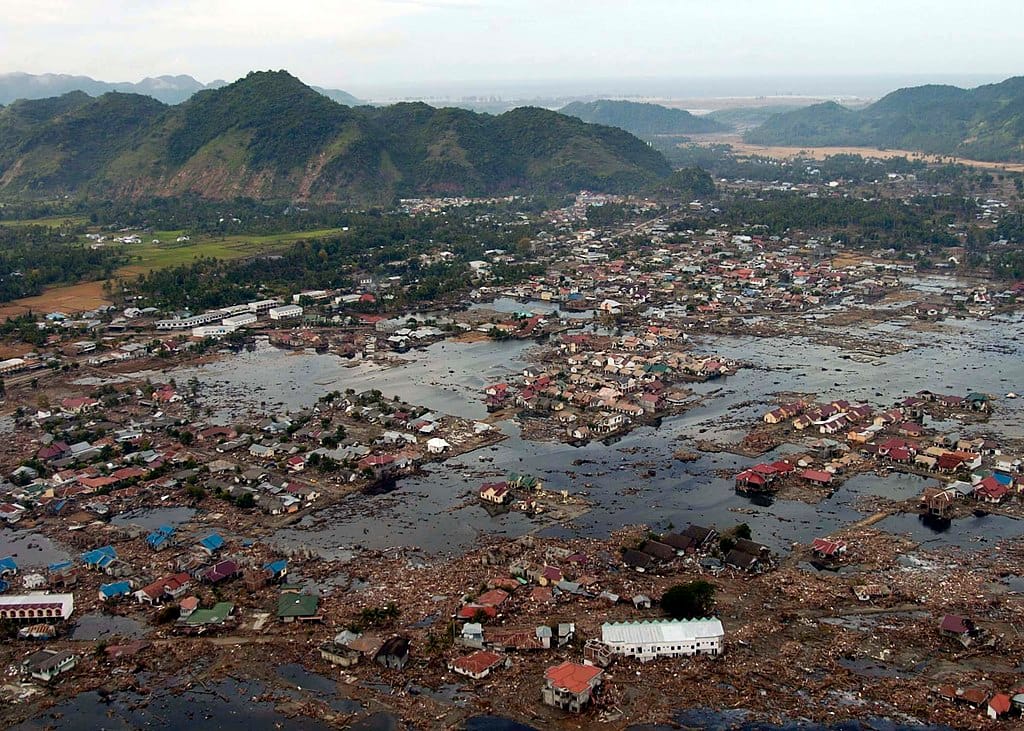
The immediate aftermath revealed a grim picture. Though the exact death toll is uncertain, historians estimate that several hundred lives were lost, with many more displaced. Infrastructure along the coast was crippled: homes, docks, and roadways were washed away or severely damaged.
Yalta, then a modest but culturally vibrant resort town, suffered setbacks that took years to overcome. Agricultural zones near the shore were flooded with saltwater, compromising harvests in subsequent seasons. The psychological scars etched into the communities were deep—whispers of the wave’s wrath passed down through families.
Rescue and Relief Efforts: Local and Regional Responses
In the wake of the disaster, organized relief was slow to materialize. The Soviet government, focused largely on industrialization and political consolidation elsewhere, offered limited assistance. Local officials and ordinary citizens orchestrated spontaneous rescue and recovery missions, embodying resilience amid adversity.
Volunteers worked tirelessly to find survivors, provide shelter, and rebuild shattered neighborhoods. Churches, schools, and communal kitchens became refuge points. But the lack of infrastructural support and the Soviet regime’s ambivalence towards disaster narratives left many victims struggling in silence.
Scientific Pursuit: Early 20th Century Tsunami Understanding
The 1927 Black Sea tsunami arrived at a time when tsunami science was nascent even in regions where such events were more common. The term “tsunami” itself was not widely used in European scientific literature until the mid-20th century.
Russian and Soviet geologists began cautiously documenting the event, piecing together seismic data and eyewitness reports. Their work contributed incrementally to understanding seismic risks in enclosed seas and the mechanics of underwater landslides.
Yet, the event’s relative rarity and political distractions of the era meant it did not galvanize immediate or broad scientific focus.
Political Turmoil Amidst Natural Catastrophe: Soviet Crimea in the 1920s
Crimea in 1927 existed within a complex political landscape. Having experienced the upheavals of the Russian Revolution and Civil War, the peninsula was an important strategic and cultural region now integrated under Soviet governance.
This period saw significant collectivization efforts, infrastructure projects, and ideological campaigns, which often overshadowed local concerns such as natural disasters. The Black Sea tsunami, despite its severity, was embedded in a larger narrative of political transformation.
Some historians argue that the Soviet state’s emphasis on controlling information contributed to the event’s marginalization in official chronicles.
The Forgotten Tragedy: Why the 1927 Tsunami Faded From Memory
Unlike the sweeping awareness generated by more recent tsunamis in Pacific and Indian Ocean regions, the 1927 Black Sea tsunami became an obscure footnote in history. Several factors contributed:
- Geographical isolation: The disaster remained localized within Crimea’s coastline.
- Political censorship: Soviet narratives preferred to highlight human triumph and progress over vulnerability.
- Scientific limitations: Data scarcity impeded broad dissemination of knowledge.
- Competing historical dramas: The late 1920s were rife with social, political, and economic upheavals that dominated attention.
Thus, the tsunami’s memory lived largely in the oral histories and fragmented archives rather than textbooks or public consciousness.
Cultural Resonance: Local Legends and Oral Histories
Despite official silence, the tsunami seeped into Crimean folklore, told in hushed tones around firesides. Parents warned children about the “hungry sea,” a spectral force that could awake without warning.
Poets and artists in the region, inspired by the event and the sea’s dual nature, crafted works embodying the tension between beauty and destruction—an ambivalence deeply felt by those living along the Black Sea shores.
These narratives preserve the humanity and profundity behind the disaster, reminding us that history is as much held in stories as in documents.
Environmental Changes: Long-Term Impact on the Black Sea Coast
The tsunami’s impact extended beyond immediate destruction. Coastal morphology shifted, with some beach areas eroded or reshaped by the surge. Salinization of soil disrupted local agriculture briefly, and marine ecosystems experienced perturbations due to sediment displacement.
However, the Black Sea’s enclosed nature limited massive environmental disruption compared to oceanic tsunamis. Still, the event served as a subtle reminder of the fragility intertwined with nature’s grandeur.
Comparative Analysis: The Black Sea Tsunami in Global Context
Worldwide, tsunamis typically evoke images of Pacific or Indian Ocean catastrophes. The Black Sea tsunami stands as a rare example of such an event in a semi-enclosed, temperate sea environment.
Its study offers valuable insights into geological hazards in regions often deemed low-risk for tsunamis. Comparisons with events like the 1946 Aleutian tsunami or the more recent 2004 Indian Ocean tsunami highlight differing mechanisms and warning capabilities.
Understanding the 1927 tsunami aids in refining risk assessments for countless coastal communities globally.
Modern Reflections: Tsunami Risk in the Black Sea Today
Today, with advanced seismic monitoring and hazard modeling, scientists acknowledge that tsunami risk in the Black Sea, while low, is non-negligible. Modern infrastructure and emergency protocols have been developed to safeguard vulnerable coastal populations.
The 1927 event acts as both historical precedent and cautionary tale, encouraging ongoing vigilance in geological sciences and disaster preparedness.
Lessons from 1927: Disaster Preparedness and Historical Warnings
Reflecting on this largely forgotten tsunami reveals crucial lessons: the importance of attentive local knowledge, the peril of ignoring early signs, and the human cost of political neglect.
Incorporating historical events into current planning ensures communities are not caught unawares, turning past tragedies into future resilience.
Conclusion: Remembering the Silent Wave
The Black Sea tsunami of September 11, 1927, remains a silent giant in the region’s history—its reverberations felt more subtly than the grand catastrophes remembered worldwide. Yet, beneath the veneer of forgotten memory lie vivid stories of survival, loss, and the unpredictable might of nature.
Crimea’s interaction with the sea is a dance of beauty and danger, one that continues to teach us about our place within the forces larger than ourselves. Remembering 1927 is not just an academic exercise; it is a tribute to those who faced the wave and lived to tell the tale, carrying warnings across generations.
In the whisper of waves along the Crimean shore today, the memory of that day remains, urging respect, vigilance, and awe.
FAQs: Unraveling the Black Sea Tsunami
Q1: What caused the 1927 Black Sea tsunami?
A1: The tsunami was triggered by a significant underwater earthquake near Crimea, likely along the Gagra–Utrish fault system, which caused underwater landslides and displaced water to form the wave.
Q2: How many people died during the tsunami?
A2: Precise numbers are uncertain, but estimates suggest several hundred fatalities, with many others injured or displaced along the Crimean coastline, especially in Yalta.
Q3: Why is the event not widely known?
A3: Political factors, geographic isolation, scientific limitations, and competing historical events led to its marginalization in public and academic memory.
Q4: How did Soviet authorities respond?
A4: Relief efforts were primarily local and improvised, with limited official support due to political priorities focused elsewhere.
Q5: Are tsunamis common in the Black Sea?
A5: No, tsunamis are rare in the Black Sea due to its enclosed nature and geological conditions, but seismic activity can occasionally trigger them.
Q6: What lessons can modern coastal communities learn from this event?
A6: Early warning systems, public awareness, and disaster preparedness are essential even in regions with perceived low tsunami risk.
Q7: Did the tsunami affect the environment long-term?
A7: The tsunami caused some coastal erosion, soil salinization, and ecological disturbance, but the Black Sea’s limited size contained widespread environmental damage.
Q8: How is the tsunami remembered culturally?
A8: Through local legends, oral histories, and artistic works that reflect the sea’s paradoxical role as both provider and destroyer.