Table of Contents
- The Calm Before the Wave: Crimea in the Roaring 1920s
- September 11, 1927: Dawn Over Yalta’s Waterfront
- The First Tremors: Nature’s Silent Warning
- The Roar Unleashed: The Black Sea’s Unexpected Fury
- The Wave Hits Yalta: Stories of Panic and Survival
- Eyewitness Voices: Recollections from the Waterfront
- The Aftershock: Earthquakes and Fear in the Region
- The Scientific Puzzle: Understanding the Black Sea Tsunami
- The Geo-Seismic Context of the Crimean Peninsula
- Soviet Response: Crisis Management in a Young Regime
- Human Cost: Lives Lost and Communities Shattered
- Economic Fallout: The Impact on Crimean Tourism and Trade
- The Cultural Ripple: Art, Literature, and Memory of the Disaster
- Historical Neglect: Why the 1927 Tsunami Faded from Global Memory
- Comparative Analysis: Black Sea Tsunami Versus Global Counterparts
- Resilience and Reconstruction: Yalta’s Road to Recovery
- Lessons Learned: Tsunami Preparedness in the Black Sea Basin
- The Black Sea Today: Is Another Tsunami Possible?
- The Legacy of 1927 in Modern Geoscience
- Conclusion: Remembering September 11, 1927 – A Black Sea Tragedy
- FAQs: Understanding the 1927 Black Sea Tsunami
- External Resource
- Internal Link
1. The Calm Before the Wave: Crimea in the Roaring 1920s
The Crimean Peninsula, cradled by the shimmering waves of the Black Sea, had long been a jewel of the region. In the 1920s, Yalta—a city nestled on the southern coast of Crimea—was a retreat for poets, intellectuals, and tourists, basking in the post-World War I calm. The bright sunlight enveloped the palm-lined promenades, and laughter spilled from the grand hotels that dotted the waterfront. It was a place where histories mingled: ancient Greeks, Tatar khans, Russian czars, and Soviet dreams all left their mark.
Yet beneath this tranquil surface, the earth harbored ancient tensions. The Black Sea, usually a generous host, was about to remind its guests of nature's unpredictable might.
2. September 11, 1927: Dawn Over Yalta’s Waterfront
The morning of September 11, 1927, began unremarkably. Fishermen cast their nets from wooden boats, dew still clinging to the cobblestone streets. Vendors set up stalls along the boulevard, and children chased pigeons fluttering over sunlit plazas. The sea, glassy and calm, stretched endlessly into the horizon.
But geophysical instruments in the region, though primitive by today's standards, hinted at shifts deep below the seabed. Few paid attention because, after all, the Black Sea had a reputation for placid repose. Yet the earth was quietly rearranging itself.
3. The First Tremors: Nature’s Silent Warning
Around mid-morning, faint tremors rippled across the region. Minor earthquakes were not unknown in Crimea's complex geological tapestry, but they rarely caused concern. These initial shudders, subtle and brief, awakened a primal vigilance in the local populace.
From the rocky cliffs overlooking the sea to the ancient Fort of Swallow’s Nest, windows rattled and lamps flickered. Yet townsfolk, accustomed to occasional quakes, went about their daily routines. Still, the earth’s tremble was but the prologue.
4. The Roar Unleashed: The Black Sea’s Unexpected Fury
Without warning, the Black Sea, so serene minutes before, began to churn. Waves that had gently kissed the shore swelled into ominous walls of water. A distant rumble, like thunder rolling from under the earth, grew louder. The sea began drawing back in a terrifying display of natural phenomenon—the infamous “drawback”—as if the waters themselves were gasping and retreating.
For the first time in recorded history, a tsunami ripped through the Black Sea basin, barreling towards the coastal settlements with relentless force.
5. The Wave Hits Yalta: Stories of Panic and Survival
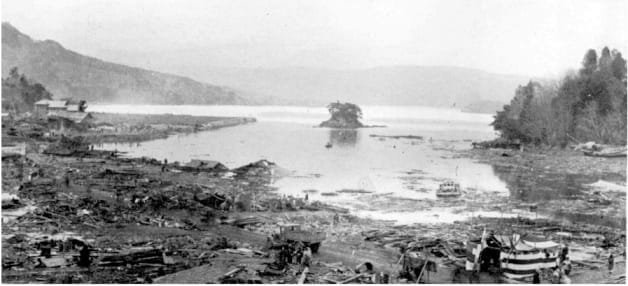
The tsunami struck Yalta’s shores with devastating might. The initial wave, estimated at several meters high, surged onto the promenade, sweeping away market stalls, wooden piers, even entire boats moored in the harbor. People scrambled, screams mixing with crashing waves, in a desperate bid to reach higher ground.
The sea’s unrelenting power tore through buildings near the shoreline, fracturing stone and splintering wood. Businesses that had bustled in the morning were suddenly underwater; families were separated in the sudden chaos.
Yet amid the terror, tales of heroism surfaced: fishermen risking their lives to pull others from the water, neighbors banding together to shelter the injured, children clutching tightly to parents. It was a moment when humanity’s frailty and courage stood starkly side by side.
6. Eyewitness Voices: Recollections from the Waterfront
One crusty fisherman, Ivan Petrovich, recalled decades later, “I felt the sea pull away so far I saw the seabed like never before. Then, with a roar, the water turned beast. I grabbed my net and yelled for everyone to run.”
A local teacher, Maria Antonova, chronicled in her diary the surreal agony of September 11th: “The earth shook beneath our feet, the sky seemed darker, and then the waves descended like angry mountains. We ran uphill, hearts pounding, leaving behind the town we knew.”
These human testimonies, preserved in fading records and oral histories, paint a vivid portrait of a community caught between wonder and disaster.
7. The Aftershock: Earthquakes and Fear in the Region
The tsunami was accompanied by a series of moderate but alarming earthquakes that day, shaking the peninsula and feeding fears of ongoing catastrophe. Anxiety rippled through Crimea’s towns and villages, as the earth’s unrest seemed far from over.
Geologists now understand these aftershocks were tied to the tectonic dynamics of the region, involving complex faults beneath the Black Sea’s abyssal plain and the Crimean Massif. But at the time, the Soviet authorities and local population grappled with fear and confusion, lacking clear scientific explanations for what unfolded.
8. The Scientific Puzzle: Understanding the Black Sea Tsunami
The 1927 event remains one of the few documented tsunamis in the Black Sea, a body of water often underestimated for its seismic risks. Modern research links such tsunamis to underwater landslides or seismic shifts along fault lines.
Scientists have since reconstructed the event using archival reports and geological surveys, establishing that the wave was likely triggered by a powerful submarine earthquake. The fault lines running along Crimea’s southern margin, nestled against the Eurasian and Anatolian plates, are known for episodic strain releases.
Yet, deciphering the precise mechanics is challenging, limited by the period’s scarce instrumentation and fragmented records.
9. The Geo-Seismic Context of the Crimean Peninsula
Crimea sits on a geologically active region marked by the convergence of three tectonic plates—Eurasian, African, and Anatolian. This intricate boundary creates zones of crustal stress, prone to earthquakes, landslides, and, in rare cases, tsunamis.
Historically overshadowed by seismic hotspots like the Mediterranean or Pacific “Ring of Fire,” the Black Sea region quietly nurtured conditions ripe for disaster. The hidden energy beneath its depths can, under certain circumstances, unleash catastrophic waves as 1927 tragically demonstrated.
10. Soviet Response: Crisis Management in a Young Regime
In 1927, the Soviet Union was still solidifying its powers after the revolution and civil war. The tsunami tested the regime’s capacity to manage natural disasters and provide relief in remote territories like Crimea.
Initial responses were hindered by limited communication infrastructure and bureaucratic challenges. Yet local Soviet officials mobilized aid: food supplies, medical teams, and makeshift shelters emerged quickly. The event became a rallying point for authorities to assert control and demonstrate care for “the people’s welfare.”
11. Human Cost: Lives Lost and Communities Shattered
Though precise casualty figures remain debated, estimates suggest dozens to hundreds perished along the Crimean coast. Beyond fatalities, thousands faced displacement, loss of homes, and the destruction of livelihoods, especially those tied to fishing and tourism.
Entire neighborhoods were submerged or structurally compromised. Families scattered, histories disrupted, identities rattled by a night where nature’s power transcended human planning.
12. Economic Fallout: The Impact on Crimean Tourism and Trade
Yalta’s economy, tied closely to its charm as a seaside resort, suffered grievous blows. Hotels lay damaged, beaches scarred, and commercial activity slowed to a halt. Merchants found their stock ruined; fishermen’s boats lost to the waves diminished their means to earn a living.
Recovery was gradual, slowed by the political and economic turmoil of the interwar Soviet Union. Yet the disaster underscored the vulnerability of coastal economies to unseen geological forces.
13. The Cultural Ripple: Art, Literature, and Memory of the Disaster
In the years following the tsunami, Crimea’s artists and writers grappled with the catastrophe. Some works captured the terror and awe of the sea’s fury; others mourned the vanished lives and altered landscapes.
Despite this, the event gradually faded from the wider cultural consciousness, overshadowed by political upheavals—Stalin’s rise, collectivization, and later wars. Still, in Yalta’s quiet corners, memories lingered in stories, paintings, and a collective sense of resilience.
14. Historical Neglect: Why the 1927 Tsunami Faded from Global Memory
Unlike the Pacific tsunamis or well-documented Mediterranean seismic disasters, the Black Sea tsunami escaped international attention. The Soviet Union’s relative isolation and a lack of fast communication in 1927 kept news sparse.
Moreover, Soviet historiography often prioritized class struggle and political narratives over natural disasters, relegating the tsunami to peripheral status. Consequently, modern global awareness of this event is limited, despite its significance.
15. Comparative Analysis: Black Sea Tsunami Versus Global Counterparts
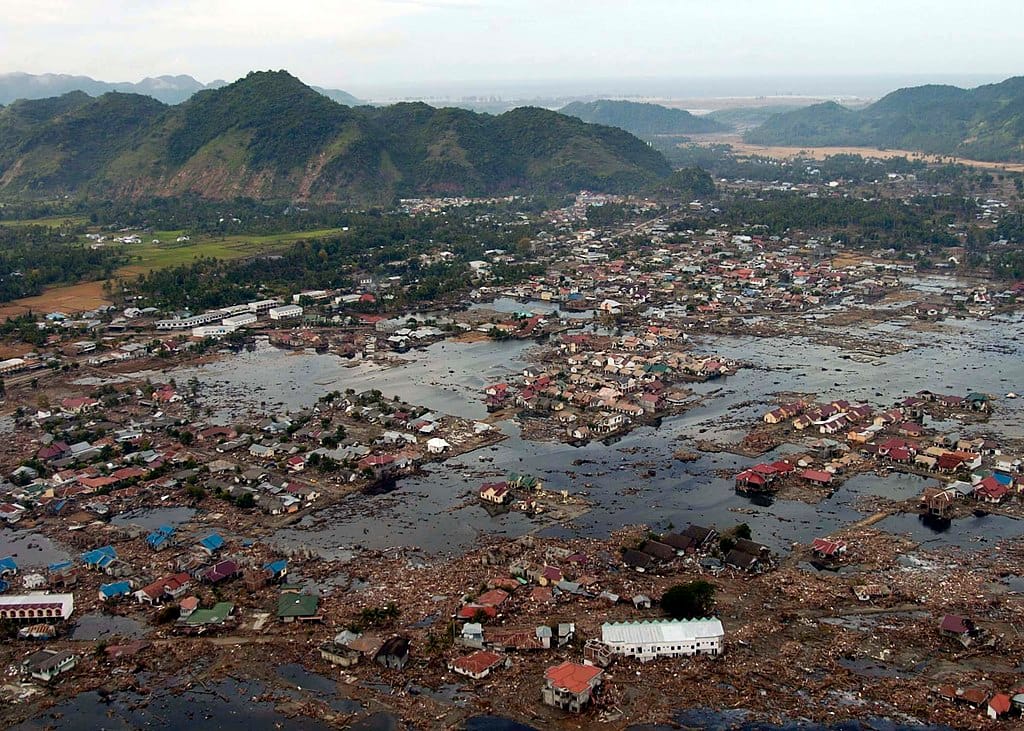
The 1927 tsunami was modest compared to the devastating waves that struck the Indian Ocean in 2004 or Japan in 2011. Yet its occurrence challenges the assumption that enclosed seas are immune to tsunamis.
Studying this event refines hazard models for similar inland seas worldwide, highlighting the need for broader global vigilance and preparedness.
16. Resilience and Reconstruction: Yalta’s Road to Recovery
In the wake of destruction, Yalta demonstrated remarkable resilience. Reconstruction projects rebuilt promenades, repaired infrastructure, and restored the city’s allure as a seaside refuge.
Community solidarity and Soviet investment reanimated the town, honoring both the tragedy and hope for renewal. The scars of 1927 became part of the city’s layered history.
17. Lessons Learned: Tsunami Preparedness in the Black Sea Basin
The rarity of tsunamis in the Black Sea has often bred complacency. However, the 1927 disaster underscored the necessity of monitoring seismic activity, improving early warning systems, and educating coastal populations.
Today, regional cooperation among Black Sea countries focuses on seismic surveillance to mitigate future risks, demonstrating how history informs present-day safety.
18. The Black Sea Today: Is Another Tsunami Possible?
Modern geophysics confirms that the Black Sea remains susceptible to seismic events capable of generating tsunamis. While rare, underwater landslides triggered by earthquakes pose ongoing threats.
Scientists emphasize vigilance, recognizing that the Black Sea’s tranquility can be deceptive, making Yalta’s 1927 ordeal a cautionary tale for generations.
19. The Legacy of 1927 in Modern Geoscience
The 1927 tsunami serves as a case study, shaping contemporary understanding of seismic hazards in semi-enclosed seas. It has prompted extensive research into sediment instability, fault mechanisms, and risk zones around the Black Sea.
This event reminds us that even lesser-known disasters hold keys to unlocking Earth’s complex behavior.
20. Conclusion: Remembering September 11, 1927 – A Black Sea Tragedy
September 11, 1927, was a day when the slow, steady rhythm of the Black Sea was shattered by a sudden, violent pulse. For the people of Yalta and the wider Crimean coast, it was a moment of profound reckoning—the limits of human anticipation testing force against fragility.
Yet amid loss and terror, stories of courage, communal strength, and recovery endured. The tsunami’s echo remains in the stones, the stories, and the silent waves—a powerful reminder that history’s greatest lessons often lie beneath the surface, waiting to be heard.
FAQs
Q1: What caused the Black Sea tsunami in 1927?
A1: It was likely triggered by a powerful submarine earthquake along tectonic faults beneath the Black Sea, possibly coupled with underwater landslides, which displaced massive volumes of water.
Q2: How extensive was the damage caused by the tsunami?
A2: The tsunami caused significant destruction in coastal areas like Yalta, damaging buildings, infrastructure, and boats, and leading to the loss of dozens or potentially hundreds of lives.
Q3: Was this the first tsunami recorded in the Black Sea?
A3: While rare, the 1927 tsunami is one of the first well-documented events in the Black Sea, highlighting that such disasters, though uncommon, are possible in this region.
Q4: How did the Soviet government respond to the disaster?
A4: The response involved mobilization of relief efforts, including medical aid and reconstruction support, though hampered by limited communication and political challenges of the era.
Q5: Why is the 1927 tsunami not widely known internationally?
A5: Due to the Soviet Union’s political isolation, limited contemporary reporting, and overshadowing by subsequent political events, the tsunami faded from global historical narratives.
Q6: Could a similar tsunami occur again in the Black Sea?
A6: Yes, scientific assessments acknowledge the possibility, especially given ongoing tectonic activity and the risk of underwater landslides.
Q7: How has the 1927 tsunami influenced modern disaster preparedness?
A7: It has prompted improved seismic monitoring and heightened awareness among Black Sea nations about tsunami risks, encouraging regional collaboration on early warning systems.
Q8: What cultural impacts did the tsunami have on Crimea?
A8: The event influenced local art and literature, embedding itself into the collective memory of the region, despite its limited wider recognition.