Table of Contents
- The Day the Earth Trembled: Dawn of the Tokachi-Oki Catastrophe
- The Tectonic Foundations: Japan’s Precarious Dance with the Pacific Plate
- A Prelude to Disaster: The Seismic Setting in September 2003
- The Earthquake Strikes: The 8.3 Magnitude Unleashed
- The Birth of the Tsunami: From Subsea Rupture to Raging Waves
- Warnings, Alarms, and the Human Response
- The Tsunami’s Path: Devastation Across Coastal Japan
- Lives Changed Forever: Personal Stories from the Tokachi Coast
- Emergency Response and Evacuation Efforts: A Race Against Time
- The Aftershock Phenomenon: Persistence of the Earth’s Fury
- Japan’s Infrastructure Under Strain: Buildings, Ports, and Power
- Scientific Insights: What the Tokachi-Oki Earthquake Taught Seismologists
- Media Coverage and Global Reactions: A World Watching in Tremor
- The Economic Shockwaves: Impact on Trade and Local Economies
- Environmental Consequences: Landscape and Marine Life Transformed
- The Legacy of 2003: Changes in Policy, Preparedness, and Public Awareness
- Memory and Commemoration: Honoring the Victims
- Japan’s Ongoing Battle with Tsunamis: Lessons Beyond Tokachi-Oki
- Comparative Analysis: Tokachi-Oki in the Long History of Pacific Disasters
- The Role of Technology: Advances Prompted by the 2003 Event
- Community Resilience: Stories of Rebuilding and Hope
- Global Tsunami Warning Systems: Evolution Catalyzed by Tokachi-Oki
- Psychological Impact: Trauma and Recovery in the Aftermath
- The Cultural Reflection: Tokachi-Oki in Literature and Art
- Looking Forward: Preparing for the Next Great Tsunami
In the early morning haze of September 26, 2003, the tranquil coasts of Japan’s Tokachi region were shattered by an earth-shattering force. An immense seismic pulse, an 8.3 magnitude earthquake deep beneath the Pacific Ocean floor, rocked the foundations of continental stability. Mountains trembled, the sea withdrew, and within minutes, a towering tsunami surged forward—an unrelenting wall of water hungry to reshape shores and lives forever.
This was not merely a natural event; it was a reminder of the earth’s restless heartbeat, a stark demonstration of human vulnerability amidst geologic power. The Tokachi-Oki tsunami stands as a defining moment in Japan’s perilous relationship with the sea and tectonics. It revealed the harrowing thinness of safety lines and the resilience concealed within communities battered by nature’s wrath.
As the waves raced inland, so too did questions arise: How had this catastrophe unfolded? What might it tell us about the way the Pacific Rim lives under constant threat? And crucially, how could people learn, adapt, and prepare to mitigate future disasters borne of the earth’s restless shifts?
The Tectonic Foundations: Japan’s Precarious Dance with the Pacific Plate
Japan’s very existence is testimony to the dynamics of a turbulent earth. This island nation, perched at the junction where the Pacific Plate subducts beneath the Eurasian Plate, experiences some of the world’s most frequent and powerful earthquakes. The Tokachi-Oki event was a stark exposition of this precarious relationship.
Beneath the Tokachi region, the Pacific tectonic plate dives slowly yet inexorably, accumulating stress along the fault lines that separate it from the continental plate. Over decades, this stress builds like a drawn bow, the energy waiting to be unleashed. The subduction zones around Japan not only fuel seismic activity but also give rise to volcanic phenomena and geomorphological transformation. This tectonic interplay shapes livelihoods but also carries latent threat.
Scientists had long warned about the potential for a massive earthquake in this area. Historic tremors, including the great Meiji-Sanriku quake of 1896, foreshadowed what could happen when accumulated pressure finally found release. The stage was tense but uncertain, with human vigilance constantly challenged by the unpredictable.
A Prelude to Disaster: The Seismic Setting in September 2003
September 2003 was unusually quiet before the cataclysm. The ground showed subtle signs—minor foreshocks barely noticed against Japan’s usual seismic chatter. The geological sensors placed along the seismically active zones detected tremors, but their ominous significance went largely unobserved by the general population.
For seismologists, these small tremors were critical data points. Each faint shake could be a prelude, a whisper of the larger quake to come. But nature’s signals are complex and often ambiguous. Public awareness remained muted; daily life on the coastal towns went on unchanged, fishermen prepared their boats, children went to school, and the sun rose as usual.
Yet beneath the calm, energy was pooling, synchronized with the tectonic cycles that govern the region’s intermittent cataclysms. No one saw the curtain about to rise on a dramatic and deadly geological performance.
The Earthquake Strikes: The 8.3 Magnitude Unleashed
Without warning, at 6:50 AM local time, the Pacific floor ruptured violently. The earthquake registered 8.3 on the Richter scale—one of the most powerful in decades. The sheer force released was staggering: seismic waves rolled through the earth’s crust, triggering tremors felt across wide swaths of northeastern Japan.
Buildings swayed violently in cities hundreds of kilometers away. The shock was deeply felt in Sapporo and even farther inland. People were thrown from their beds, windows shattered. The rumbling lasted for nearly a full two minutes—an eternity when the earth itself is shaking violently.
This quake was underwater, causing the ocean floor to abruptly shift and displace massive amounts of water. The fault rupture extended approximately 200 kilometers along the Pacific plate boundary, a reminder of the vast scale of geological forces at play.
The Birth of the Tsunami: From Subsea Rupture to Raging Waves
The seismic rupture forced a colossal volume of seawater upward and outward in every direction. In minutes, the tsunamis formed—multiple waves, some towering over 10 meters, hurtling toward the coastline at speeds exceeding 700 kilometers per hour. The sea near the shore retreated suddenly, a dangerous harbinger warning of the waves' arrival.
This was the moment when the invisible earth’s movement became a visible, tangible threat. The waves raced over the deep ocean, preserving their power and speed, only to grow in height as the ocean floor shallowed towards the shore. Coastal villages braced for impact, but the speed and size of the waves outpaced preparation.
For many, this was the moment of fear, confusion, and desperation—the sea, usually a provider, turned into a merciless destroyer.
Warnings, Alarms, and the Human Response
Japan's cutting-edge tsunami warning system was activated within minutes of seismic detection. Sirens blared, television and radio broadcasts switched to emergency messaging. Yet, the time gap between the quake and wave arrival was agonizingly brief—sometimes as little as 20 to 30 minutes—leaving precious little time for evacuation.
Local authorities scrambled to communicate the urgency to residents, some of whom were uncertain or skeptical, a psychological hurdle common in disaster responses. Panic mingled with courage as people fled to higher ground, schoolteachers ushered students to safety, and families abandoned belongings to save lives.
The effectiveness of emergency warning depended on geography, infrastructure, and local disaster culture. In some areas, preparation paid off; in others, confusion reigned. Communication systems stressed under the deluge of calls and alerts.
The Tsunami’s Path: Devastation Across Coastal Japan
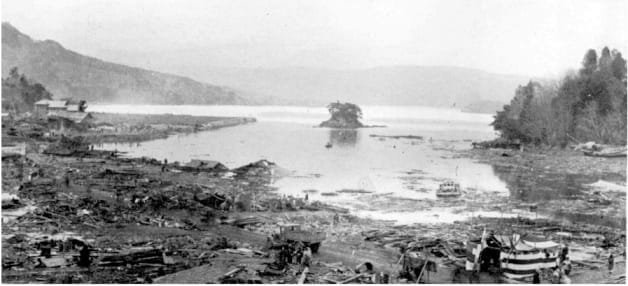
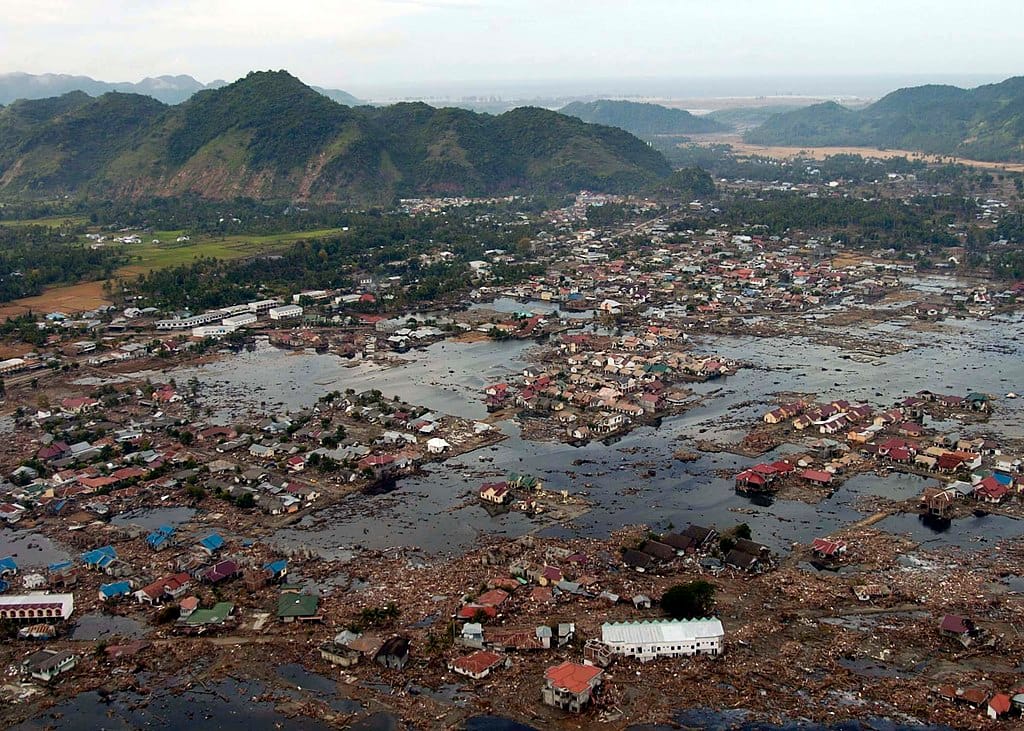
The tsunami struck the Tokachi, Hokkaido coastline with devastating impact. In some places, waves surged as high as 12 meters, obliterating fishing boats, sweeping away homes, and carving new scars in the landscape. Entire communities found their lives forever altered by the merciless surge.
The small fishing village of Rikubetsu, situated near the quake’s epicenter, witnessed extraordinary waves that destroyed harbors and infrastructure, leaving residents isolated and vulnerable. Roads and bridges washed away, cutting off rescue and relief efforts in the crucial hours after the event.
Yet the destruction—though extensive—was not uniform. The rugged coastline and natural topography shielded some areas, while others suffered catastrophic inundation. The famous Sundai town, with its coastal terraces, experienced destructive flooding but was lucky to lose fewer lives compared to the historical toll of past tsunamis.
Lives Changed Forever: Personal Stories from the Tokachi Coast
Behind every statistic lies a human story. Mrs. Hiroko Tanaka, a local schoolteacher, recounted with trembling voice how she led her students to the school's nearby hilltop just minutes after the quake. “The earth shook like nothing I’ve ever felt. But the children were scared, so I had to be strong. The waves came so fast. We climbed higher, praying it would be enough.”
Then there was Mr. Kenji Saito, a fisherman whose boat was ripped from its moorings and carried miles inland before sinking. “I lost everything that morning,” he said, eyes haunted. “My livelihood was gone, but I’m alive. That’s the only blessing.”
Such stories multiply in the wake of disaster—tales of loss, loss averted, survival, and indomitable spirit. They remind us that the Tokachi-Oki tsunami was not only a geophysical event but a deeply human tragedy.
Emergency Response and Evacuation Efforts: A Race Against Time
Japan’s nationally coordinated emergency response was tested to its limits. Rescue teams, emergency medical services, and Self-Defense Forces mobilized rapidly, reaching affected zones often by helicopter or boat due to damaged roadways.
The priority was saving lives, restoring communication, and restoring essential services. In some cases, local volunteers became indispensable, piloting a grassroots response that complemented official efforts. Shelters were set up, supply chains rerouted, and hospitals braced for an influx of injured.
Despite these heroic measures, challenges such as power outages, damaged infrastructure, and weather conditions complicated rescue. The event underscored the need for continual improvement in disaster readiness and community coordination.
The Aftershock Phenomenon: Persistence of the Earth’s Fury
The initial quake was followed by a series of powerful aftershocks, some exceeding magnitude 6, rattling nerves and complicating recovery. These tremors wrought additional damage to already weakened buildings and heightened public anxiety.
Geologists studied these aftershocks closely, as each sequence provided clues to stress redistribution along the fault lines. The persistence of seismic activity reminded inhabitants and authorities alike that while the main event may have passed, nature’s unrest was far from over.
Communities had to cope not only with physical damage but the psychological toll of uncertainty and fear of repetition.
Japan’s Infrastructure Under Strain: Buildings, Ports, and Power
The earthquake and tsunami tested Japan’s advanced infrastructure. Despite stringent building codes designed to withstand seismic events, some structures failed or sustained heavy damage, impacting residential, commercial, and industrial zones.
Ports and harbors, critical for Japan’s island economy, suffered significant disruption. The fishing industry, vital to local economies, faced immense setbacks as vessels and processing facilities were destroyed.
Power grids were destabilized in several regions, triggering blackouts and complicating communications and recovery operations. Still, compared to historical megadisasters, damage was mitigated through lessons learned from past events—a testament to engineering, planning, and sustained commitment.
Scientific Insights: What the Tokachi-Oki Earthquake Taught Seismologists
The 2003 Tokachi-Oki earthquake provided crucial insights into the behavior of subduction zone quakes. Seismologists analyzed rupture patterns, wave propagation, and fault dynamics with unprecedented precision thanks to modern seismic networks and ocean-bottom sensors.
The event underscored the complexity of tsunami generation—including the role of fault slip variability and underwater topography—in influencing wave height and speed. It also refined models predicting tsunami arrival times and impacts, enhancing early warning capabilities.
Moreover, this earthquake helped validate theories about seismic gaps and potential for ‘megaquakes,’ serving as a basis for risk assessment across the Pacific Rim.
Media Coverage and Global Reactions: A World Watching in Tremor
News of the Tokachi-Oki quake and ensuing tsunami spread rapidly across the globe. Media outlets worldwide broadcast images of devastated villages, survivors’ testimonies, and experts’ analyses, capturing public imagination.
Japan’s acting swiftly received praise for its preparedness yet also sparked discussion on the challenges faced and lessons to be learned. Governments in other seismically threatened countries paid close attention, prompting reevaluations of their own monitoring and emergency systems.
International aid offers were tempered by Japan’s comparatively capable infrastructure, but expressions of solidarity poured in—from diplomats, scientists, and citizens.
The Economic Shockwaves: Impact on Trade and Local Economies
While Japan’s national economy was largely resilient, the localized economic damage was significant. Coastal fisheries, tourism, and agriculture—pillars of the Tokachi region’s livelihood—suffered sharp downturns.
Ports handling seafood exports were incapacitated temporarily, affecting supply chains. Reconstruction demanded substantial government funding, diverting resources to emergency response and long-term redevelopment.
The earthquake and tsunami jolted markets, but the national response also restored confidence in Japan’s ability to bounce back—a pattern well noted in disaster management literature.
Environmental Consequences: Landscape and Marine Life Transformed
The geological upheaval reshaped coastlines, altered sediment distribution, and impacted delicate marine ecosystems. Beaches were scoured, forests uprooted, and pockets of saltwater intrusion changed soil chemistry affecting agriculture.
Marine life faced immediate disturbance from sediment plumes and habitat destruction, with some fisheries reporting temporary declines. Over time, dynamic natural regeneration processes began, offering scientists rich case studies in ecological resilience.
The environmental narrative of Tokachi-Oki is a reminder of nature’s cycles of destruction and renewal intertwined with human experience.
The Legacy of 2003: Changes in Policy, Preparedness, and Public Awareness
In the aftermath, Japan intensified efforts to fortify its disaster readiness. New protocols for rapid evacuation were codified, with stronger community engagement and drills. Investment in tsunami hazard mapping increased, helping identify vulnerable zones.
Technological upgrades to seismic and ocean monitoring networks were accelerated. Public education campaigns disseminated knowledge on recognition of natural tsunami signs and immediate survival tactics.
Overall, Tokachi-Oki catalyzed a cultural shift—an acutely heightened respect for the unpredictable forces beneath the waves.
Memory and Commemoration: Honoring the Victims
Memorials arose in towns along the Tokachi coast, places of reflection where survivors gather annually to remember the lost and celebrate perseverance. Photographs, monuments, and oral histories preserve their memories.
These commemorative acts serve not only as testimony to human loss but as reminders motivating ongoing vigilance. Schools incorporate disaster history in curricula, ensuring future generations carry the scars as lessons, not trauma.
Japan’s Ongoing Battle with Tsunamis: Lessons Beyond Tokachi-Oki
The 2003 event was one among many tsunami episodes in Japan’s history, yet its reverberations extended far. It reinforced the nation’s vigilance in a dynamic tectonic environment where the next devastating wave can arrive suddenly.
Lessons learned were tested again in later disasters, such as the 2011 Tōhoku tsunami—larger in scale but with echoes of preparation rooted in earlier experiences. Japan’s evolving approach embodies the tension between respect for nature’s power and human ingenuity.
Comparative Analysis: Tokachi-Oki in the Long History of Pacific Disasters
While not the deadliest, Tokachi-Oki stands as a significant milestone in the Pacific Ring of Fire. Compared to the catastrophic 1896 and 1933 Sanriku tsunamis, it was both a warning and a practice run for modern Japan.
Unlike the unprecedented 2011 tsunami, 2003’s event tested but did not overwhelm Japan’s systems, affording a critical learning opportunity. It remains a reference case for scientists, engineers, and policymakers worldwide.
The Role of Technology: Advances Prompted by the 2003 Event
Post-2003, Japan surged forward in deploying ocean-bottom pressure sensors, satellite communication systems, and real-time data processing. These advances augmented tsunami detection with greater speed and accuracy.
Technology enhanced public alerting systems, integrating cell phone messaging and automated sirens more seamlessly. Computational modeling of tsunami pathways improved, helping forecast inundation zones and refine evacuation routes.
The Tokachi-Oki earthquake was a catalyst driving Japan to the forefront of disaster technology.
Community Resilience: Stories of Rebuilding and Hope
Among rubble and loss, communities demonstrated extraordinary resilience. Grassroots volunteer efforts restored homes, reopened schools, and rekindled local economies.
Traditional cultural practices, social ties, and innovative reconstruction designs blended to create adaptive, stronger towns. The human spirit revealed itself in acts of mutual aid, collective memory preservation, and forward-looking optimism.
Global Tsunami Warning Systems: Evolution Catalyzed by Tokachi-Oki
Tokachi-Oki’s signals rippled internationally, prompting upgrades to the Pacific Tsunami Warning Center (PTWC) system and inspiring multilateral cooperation.
Countries invested in cross-border data sharing and harmonized response protocols, recognizing that tsunamis pay no heed to national boundaries. The event sharpened the global imperative of preparedness.
Psychological Impact: Trauma and Recovery in the Aftermath
Survivors faced not only physical hardship but profound psychological wounds—post-traumatic stress, anxiety, and grief. Mental health services emerged as vital components of disaster recovery.
Community counseling, social support networks, and memorial activities contributed to healing processes. Studying Tokachi-Oki continues to inform psychological disaster response strategies worldwide.
The Cultural Reflection: Tokachi-Oki in Literature and Art
Artists, writers, and filmmakers documented the event, blending witness testimony with creative expression. These cultural products amplify the emotional resonance of the disaster, fostering empathy and awareness.
Poems recount ruptured landscapes; paintings capture the stark contrast of beauty and devastation. This cultural archive deepens public understanding beyond technical or statistical narratives.
Looking Forward: Preparing for the Next Great Tsunami
Tokachi-Oki remains a sobering reminder of the unpredictable power of nature. Japan’s ongoing challenge is to anticipate, prepare, and educate so that when the earth next trembles, communities can act decisively to protect life.
Investment in science, technology, infrastructure, and community empowerment continues as the best defense. As the waves eventually calm, the lesson remains clear: vigilance is humanity’s shield.
Conclusion
The Tokachi-Oki tsunami of September 26, 2003, was more than a natural disaster; it was a profound moment of reckoning for Japan and the world. Beneath its violence lies a story of earth’s restless dynamism and humanity’s fragile existence on shifting grounds. From rupture to wave, from warning to survival, it forced an intimate confrontation with the forces that shape lives and landscapes.
But amid destruction, the human spirit endures—adaptable, resilient, and determined to learn. The waves receded, but their echoes persist in policies, memories, and the relentless pursuit of knowledge. In understanding Tokachi-Oki, we hold a mirror to our relationship with nature—and glimpse the courage required to endure its trials.
FAQs
Q1: What caused the Tokachi-Oki earthquake and tsunami in 2003?
The earthquake was caused by the sudden rupture of a subduction zone where the Pacific Plate dives beneath the Eurasian Plate near northeast Japan, releasing built-up tectonic stress.
Q2: How strong was the earthquake and how high were the tsunami waves?
The quake measured 8.3 in magnitude. Tsunami waves reached up to 12 meters in certain coastal areas.
Q3: What was Japan’s emergency response during the event?
Japan’s advanced tsunami warning system activated quickly, issuing alerts within minutes. Evacuation efforts were intense but challenged by the short time between quake and wave arrival.
Q4: How many lives were lost or affected by the disaster?
While the death toll was relatively low compared to other mega-tsunamis, the disaster caused injuries, displacement, and psychological trauma to thousands of residents.
Q5: What scientific advances arose from studying this earthquake?
It contributed to improved seismic monitoring, better tsunami modeling, and refined early warning systems based on understanding of fault rupture and wave dynamics.
Q6: How did the event influence future disaster preparedness in Japan?
Tokachi-Oki spurred policy changes, enhanced community education, strengthened infrastructure resilience, and expanded technological networks for faster alerts.
Q7: In what ways is the Tokachi-Oki tsunami remembered today?
Through memorials, annual ceremonies, educational programs, and cultural works that honor victims and promote disaster awareness.
Q8: How did the event impact global tsunami warning systems?
It prompted international cooperation and modernization of monitoring and warning platforms across the Pacific Rim to better share real-time data and coordinate responses.