Table of Contents
- The Day the Sea Rose: An Immersive Opening to the Sanriku Tsunami
- The Geology of a Disaster: Understanding the Sanriku Coast
- Japan at the End of the 19th Century: A Nation in Transformation
- The Calm Before the Storm: The Calm of June 15, 1896
- The Earthquake That Set the Tale in Motion
- The Tsunami’s Arrival: Waves of Terror
- Voices from the Past: Eyewitness Accounts and Personal Stories
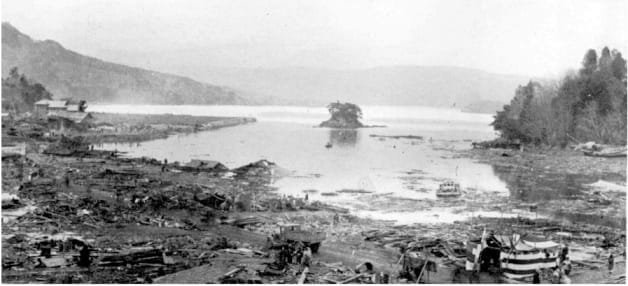
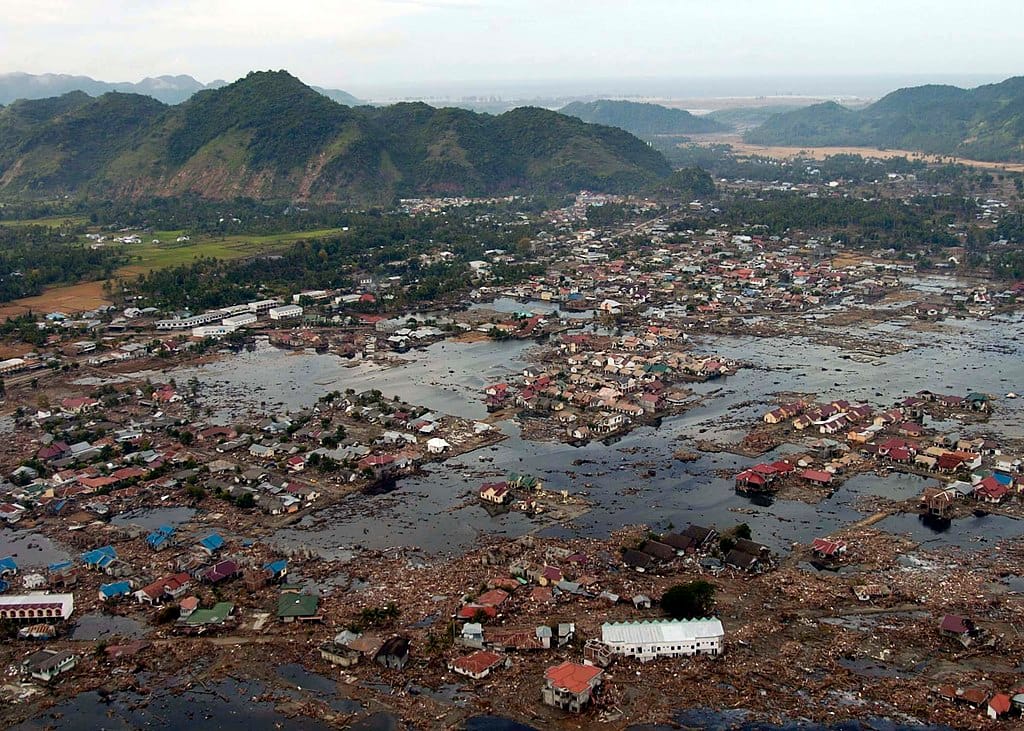
- The Scale of the Catastrophe: Casualties and Destruction
- Government Response: Crisis Management in the Meiji Era
- The Role of Early Tsunami Warning Signs: Did Nature Speak?
- Sociocultural Impact: How Communities Reacted and Rebuilt
- Tsunami Science in 1896: Myths, Knowledge, and Misconceptions
- International Reactions: How the World Viewed the Disaster
- The Reconstruction Efforts: Restoring Sanriku and Its Villages
- Long-Term Psychological and Economic Effects on the Region
- Lessons Learned: Evolution of Japan’s Disaster Preparedness
- Tsunami Memorials and the Culture of Remembrance
- Comparing Sanriku 1896 to Later Tsunamis: Continuity and Change
- How the Sanriku Tsunami Shaped Modern Tsunami Science
- Bridging Past and Future: The 1896 Legacy in Today’s Japan
- Conclusion: The Enduring Echo of the Sea’s Fury
- Frequently Asked Questions
- External Resource
- Internal Link
1. The Day the Sea Rose: An Immersive Opening to the Sanriku Tsunami
The morning of June 15, 1896, dawned peacefully over the jagged coastline of Sanriku, northern Honshu. Fishermen prepared their boats, children played among the seaside rocks, and the usual early bustle of the villages echoed softly. Yet beneath this serene surface, something sinister was about to unfold. Suddenly, the earth trembled, a deep rumble rolling through the mountains, unsettling every living being. Then came the sea—the ocean that had always been a giver of life—gathered its strength and surged with an eerie, unstoppable force. Immense walls of water soared over fishing boats, swallowed homes whole, and reshaped the land with brutal indifference. The 1896 Sanriku Tsunami was not just a natural disaster—it was a profound rupture that tore through the very fabric of coastal life, forever anchoring itself in the collective memory of Japan.
2. The Geology of a Disaster: Understanding the Sanriku Coast
To grasp the full tragedy of the 1896 tsunami, one must understand the unique geography of the Sanriku coast. This steep, rias coastline, carved by deep, U-shaped valleys flooded by the sea, creates a funneling effect that magnifies incoming tsunami waves. The intricate inlets and bays, meant to shelter boats and enable fishing, paradoxically become amplifiers of devastation during such catastrophes. Beneath the waves, the Japan Trench—where the Pacific Plate subducts beneath the North American Plate—bears a complex and volatile relationship with seismic activity. Subduction zones are notorious for producing some of the deadliest earthquakes, and with them, the catastrophic tsunamis that ripple through adjacent coastlines. Such geological conditions had long been a silent threat lurking under Sanriku, ready to unleash disaster.
3. Japan at the End of the 19th Century: A Nation in Transformation
In 1896, Japan was a country in rapid transition. The Meiji Restoration, launched in 1868, had thrust the isolated island nation into an era of industrialization and modernization. Railways spiraled through the landscape, telegraph wires hummed messages of progress, and factories dotted the urban horizon. Yet rural pockets, like Sanriku’s small fishing villages, held onto age-old lifeways steeped in nature’s rhythms. Japan’s government was growing stronger, keen to fortify the nation against both foreign powers and natural calamities. But despite technological strides, disaster preparedness in remote regions remained limited. Traditional beliefs, sometimes fatalistic, coexisted uneasily with burgeoning modernity. This tension between the old and the new framed how the nation confronted the tsunami’s aftermath.
4. The Calm Before the Storm: The Calm of June 15, 1896
June 15 began like many days before—a deceptive tranquility blanketing Sanriku’s shores. Fishermen cast nets, unaware that their lives would soon be thrown into chaos. Birds flew low, and a gentle breeze whispered through the air. For the people living along the coast, the sea’s subtle movements were usually a matter of livelihood and caution, but that day, the sea betrayed none of its impending violence. Few knew that the tectonic plates beneath their feet had just shifted with tremendous force, setting into motion waves that would reach heights previously unimagined.
5. The Earthquake That Set the Tale in Motion
At 07:32 a.m., an earthquake with an estimated magnitude of around 8.5 struck off the coast—the largest known at the time for the Sanriku region. Unlike typical earthquake-tsunami dynamics where an immediate wave follows, this shock produced a destructive aftershock pattern and an abnormal delay before the tsunami hit, which misled many. The ground shook violently, yet some communities felt only a moderate tremor, further deepening the confusion. This peculiar seismic activity delayed the public’s awareness of the tsunami threat, reducing time for escape. This delay would prove fatal.
6. The Tsunami’s Arrival: Waves of Terror
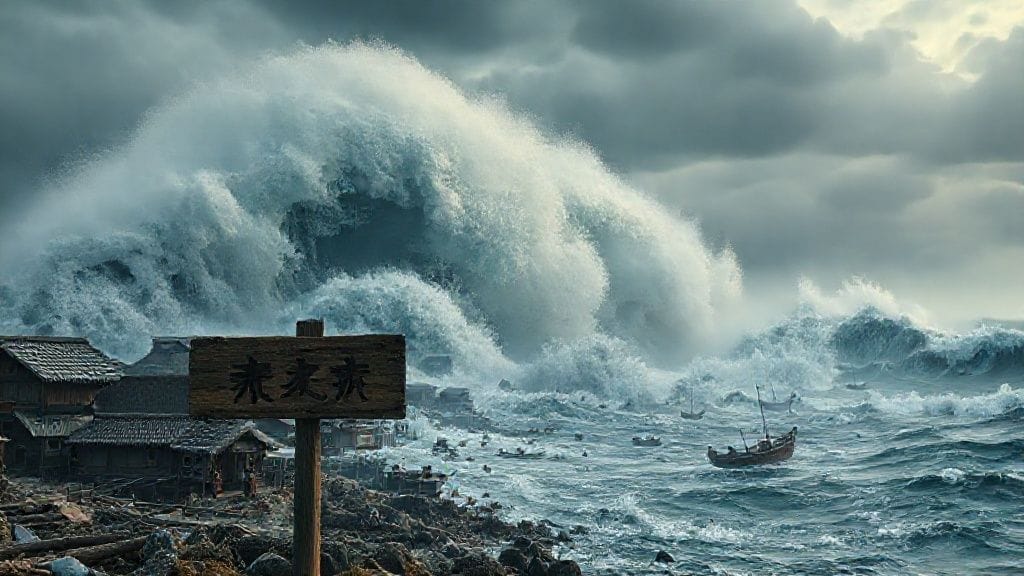
Approximately 30 minutes after the earthquake, the sea began its deadly advance. Observers describe an eerie withdrawal of water—an unsettling rarity—where the ocean seemed to pull away to reveal the seabed before the wall of water surged back with horrifying velocity. Initial waves flooded the low-lying fishing villages, sweeping away boats and houses alike. The tsunami didn't simply come as a single wave: it was a series of monstrous crests, some rising over 25 meters in places. The unique geography of Sanriku amplified the wave heights, creating localized tsunamis that shattered whole communities. Entire families vanished beneath the turbulent waters. For those who survived the first wave, the horror was far from over; successive waves pounded the coast relentlessly for hours.
7. Voices from the Past: Eyewitness Accounts and Personal Stories
Stories from survivors and witnesses have painted invaluable portraits of the tsunami’s human face. An elderly fisherman from Ofunato recalled how the sea seemed to roar like a beast, pulling vessels and people “as if they were toys.” A young woman who lost her entire family described scrambling onto a hill with neighbors, watching helplessly as the waves obliterated everything below. These testimonies reveal the chaos, fear, and unimaginable loss, turning the historical records into shared narratives of trauma. One poignant account from a schoolteacher reads: “We thought the earth’s quiver was punishment, but we never dreamed the ocean would come to claim us.”
8. The Scale of the Catastrophe: Casualties and Destruction
The Sanriku tsunami remains one of the deadliest in history. Estimates suggest that between 22,000 to over 27,000 lives were lost, many drowned or crushed by collapsing structures. Entire villages, including homes, fishing fleets, and livelihoods, were wiped off the map. Damage extended beyond physical destruction—the annihilation of coastal infrastructure crippled food supplies and communication channels. Roads buried under debris prevented relief efforts. The staggering death toll was unequalled in many regions of Japan, drowning in water but also drowning in despair.
9. Government Response: Crisis Management in the Meiji Era
The central government, under then-Prime Minister Itō Hirobumi, faced a monumental challenge responding to the disaster. With limited communication technologies and an infrastructure ravaged by tsunami waves, dispatching aid was a race against time. Military units were mobilized for rescue and relief operations. Yet the scale of destruction outpaced government resources. The event catalyzed debates about disaster management policies nationwide. Officials grappled with allocating funds, providing shelter, medicines, and rebuilding homes, while managing public morale. The crisis revealed the gap between modernizing ambitions and the realities of natural disaster resilience.
10. The Role of Early Tsunami Warning Signs: Did Nature Speak?
Historical records from Sanriku show subtle signs preceding the tsunami—animals behaving strangely, the ocean receding, and ground tremors—that were often ignored or misunderstood. Indigenous knowledge traditionally warned of the sea’s moods, yet scientific frameworks for early warnings were rudimentary at best. The miscarriage between nature’s warnings and human interpretation led to catastrophic consequences. In some accounts, fishermen who saw the sea retreat took their boats to sea and were saved, suggesting flashes of intuitive survival. The 1896 disaster highlighted a pressing need for systematic warnings, a need Japan would only gradually address in the coming decades.
11. Sociocultural Impact: How Communities Reacted and Rebuilt
The devastation disrupted not only homes but cultural continuity. Sanriku’s fishing traditions, festivals, and family lineages fractured. Yet amid despair, communal solidarity blossomed. Villages banded together, sharing resources and rebuilding with collective labor. Shrines and temples became focal points for mourning and remembrance, symbolizing resilience. Oral histories transmitted the catastrophe’s lessons, infused with a resolve to respect the sea’s power. This cultural fusion of grief and determination shaped local identities for generations to come.
12. Tsunami Science in 1896: Myths, Knowledge, and Misconceptions
At the dawn of the 20th century, scientific understanding of tsunamis was embryonic. Seismology was a budding field, and theories on oceanic wave formation due to undersea earthquakes were still hypothesized. Traditional explanations attributing tsunamis to mythical sea gods or supernatural forces persisted in many rural regions. The 1896 disaster spurred intellectual inquiry into seismic phenomena and wave behavior, becoming a catalyst for early earthquake and tsunami research in Japan and abroad. Yet widespread public education on these matters lagged behind.
13. International Reactions: How the World Viewed the Disaster
Though communication was slower than it is today, news of the Sanriku tsunami spread internationally through telegrams and newspapers. The scale of the tragedy evoked sympathy and curiosity, prompting foreign geologists and oceanographers to study the event in detail. Reports appeared in European and American scientific journals, contributing to global seismic research. The disaster also underscored the vulnerability of coastal populations worldwide, influencing early 20th-century efforts to understand and mitigate tsunami risks.
14. The Reconstruction Efforts: Restoring Sanriku and Its Villages
In the months and years following the tsunami, teams of architects, engineers, and local volunteers set to work. Rebuilding was slow and fraught with challenges—from clearing debris to reconstructing harbors resistant to future waves. New building codes sought to reinforce homes, while some communities relocated to higher ground, heeding lessons from the disaster. Government subsidies and local fundraising projects helped restore schools, shrines, and fisheries. These efforts represented a remarkable testament to human endurance in face of nature’s fury.
15. Long-Term Psychological and Economic Effects on the Region
The tsunami’s shock rippled through Sanriku’s social fabric for decades. Survivors faced trauma, loss of livelihoods, and altered demographic patterns as families and youth migrated away in search of stability. Psychologically, the event instilled a fear and respect for the ocean that shaped community behaviors. Economically, fisheries and agriculture took years to regain footing, with some areas never fully recovering their pre-disaster prosperity. The disaster became a shadow that influenced planning, education, and cultural attitudes toward nature’s unpredictability.
16. Lessons Learned: Evolution of Japan’s Disaster Preparedness
The Sanriku tsunami of 1896 was a painful but pivotal turning point. It exposed glaring vulnerabilities in disaster response and sparked the first movements toward organized tsunami forecasting. Japan invested in expanding seismograph networks, educating coastal populations, and developing evacuation protocols. Centuries-old oral traditions combined with scientific innovations to form increasingly sophisticated early-warning systems. This tragic event thus laid groundwork for Japan’s eventual emergence as a global leader in earthquake and tsunami preparedness.
17. Tsunami Memorials and the Culture of Remembrance
Monuments and memorials across the Sanriku coast stand as somber reminders of the 1896 tragedy. These stone markers, often inscribed with prayers and names, provide places for reflection and mourning. Annual ceremonies commemorate victims, blending Shinto and Buddhist rituals. Schools teach about the tsunami’s history, embedding it into cultural memory. This collective remembrance fosters a shared identity rooted in respect for the forces of nature and commitment to resilience.
18. Comparing Sanriku 1896 to Later Tsunamis: Continuity and Change
When juxtaposed with later tsunamis—such as the catastrophic 2011 Tōhoku event—the 1896 disaster reveals patterns and progressing responses. Both occurred along the same geological fault lines, involved massive casualties, and challenged preparedness. Yet advances in technology, infrastructure, and early warnings have since saved countless lives. The 1896 tsunami remains a benchmark, a grim reference point reminding humanity how nature’s power transcends eras and demands perpetual vigilance.
19. How the Sanriku Tsunami Shaped Modern Tsunami Science
The scientific analysis following the Sanriku disaster was foundational. Studies of wave heights, timing, and geological impact illuminated the mechanics of tsunami formation and propagation. This knowledge fed into global scientific communities, influencing modeling techniques and hazard mapping. Japanese researchers’ meticulous documentation set standards that continue to inform modern tsunami science and early warning systems worldwide.
20. Bridging Past and Future: The 1896 Legacy in Today’s Japan
Today’s Japan, a country frequently tested by seismic events, holds the 1896 Sanriku Tsunami as a solemn lesson etched in history. The legacy guides policy, education, and community preparedness, ensuring the past informs the future. Memorials, museums, and continued scientific research keep the memory alive, reminding new generations that the sea can neither be tamed nor ignored. This enduring dialogue between humanity and nature remains at the heart of Japan’s identity.
21. Conclusion: The Enduring Echo of the Sea’s Fury
The Sanriku Tsunami of June 15, 1896, was far more than a natural calamity. It was a transformative event that reshaped the landscape, shattered lives, and catalyzed a nation’s awakening to the dangers that lurk beneath the ocean’s surface. From terrifying waves that swallowed entire villages to the hearts of survivors etched with loss and resilience, this tragedy offers a profound testament to human vulnerability and strength. As we look back with empathy and reflection, the lessons of Sanriku echo across time—a reminder to listen to nature’s warnings, to prepare diligently, and to honor the countless lives forever touched by the sea’s unyielding power.
Frequently Asked Questions
Q1: What caused the Sanriku tsunami of 1896?
A1: The tsunami was triggered by a massive undersea earthquake of about magnitude 8.5 along the Japan Trench, where the Pacific Plate subducts beneath the North American Plate. The seismic activity displaced ocean water, generating devastating waves.
Q2: How many people died in the 1896 Sanriku tsunami?
A2: Estimates vary, but between 22,000 and 27,000 people lost their lives, making it one of the deadliest tsunamis in history.
Q3: Were there any early warning signs before the tsunami struck?
A3: Yes, there were subtle signs such as unusual animal behavior, ground tremors, and the ocean receding unusually before the waves arrived. However, these signs were often misunderstood or noticed too late.
Q4: How did the Japanese government respond to the disaster?
A4: The government mobilized military and civil resources for rescue and relief, but response was hindered by damaged infrastructure. The disaster prompted improvements in disaster management over subsequent decades.
Q5: What long-term effects did the tsunami have on the Sanriku region?
A5: Beyond immediate loss of life and physical destruction, the tsunami caused lasting economic hardship, demographic changes, and psychological trauma. It also forged stronger community bonds and traditions of resilience.
Q6: How did the 1896 tsunami influence scientific understanding?
A6: It spurred early research into seismic activity and tsunami mechanics, contributing to foundational knowledge that shaped modern tsunami science and early-warning systems.
Q7: Are there memorials dedicated to the victims of the 1896 Sanriku tsunami?
A7: Yes, numerous memorials and monuments exist, serving as places of remembrance and education, and fostering cultural reflection on the disaster’s impact.
Q8: How does the 1896 Sanriku tsunami compare to later tsunamis in Japan?
A8: The scale and devastation were comparable to later events like the 2011 Tōhoku tsunami, but improvements in technology and preparedness have since enhanced response and mitigation.