Table of Contents
- The Calm Before the Storm: May 9, 1757, in the Azores
- The Rise of the Atlantic Fury: Geological Precursors
- The Azores Archipelago: A Volcanic Heart in the Mid-Atlantic
- Chronicles of the Unseen: Seismic Activity in the 18th Century
- The Tremors Felt: Eyewitness Accounts of the Earthquake
- The Birth of the Tsunami: Waves Across the Atlantic
- The Immediate Aftermath: Devastation on the Islands
- Between Myth and Reality: Stories Passed down Generations
- The Maritime Tragedy: Ships Lost at Sea and the Ocean's Wrath
- The Scientific Understanding of Tsunamis in the 1700s
- Portugal’s Response: Relief Efforts and Rebuilding
- The Social and Economic Impact on Azorean Society
- The Hidden Toll: Psychological and Cultural Ramifications
- The 1757 Tsunami in the Context of Atlantic Geological Activity
- Lessons Learned and Forgotten: Tsunami Preparedness Afterwards
- The Legacy of 1757 in Modern Azorean Identity
- Comparative Analysis: 1757 Azores Tsunami and Other Atlantic Events
- Rediscovering 1757: Historical Research and Geological Surveys
- Tsunami Risk in the 21st Century Azores: A Persistent Threat
- The Ocean Speaks: The Azores and the Atlantic’s Geological Story
- Conclusion: Remembering the Atlantic’s Silent Fury
- FAQs: Understanding the Azores Atlantic Tsunami of 1757
- External Resource
- Internal Link
The Calm Before the Storm: May 9, 1757, in the Azores
May 9, 1757, dawned serene over the Azores—a string of emerald jewels shimmering in the vast Atlantic Ocean. Fishermen prepared their boats, children played along volcanic cliffs, and daily life hummed with the tranquil rhythm of island communities long accustomed to the occasional tremor and storm. The sea’s surface was deceptively calm, reflecting the clear blue skies that stretched endlessly. For a moment, nature's fury lay dormant, as if holding its breath. Then, beneath this fragile peace, forces ancient and titanic began to stir — precursors to a cataclysm unlike anything the Azoreans had endured in living memory.
The Rise of the Atlantic Fury: Geological Precursors
The Azores archipelago is no stranger to upheaval. Nestled at the nexus of three mighty tectonic plates—the North American, Eurasian, and African plates—the region experiences constant geological tug and pull. Under the mid-18th century ocean surface, pressure silently accumulated where colossal rock slabs grind, diverge, and subduct.
However, in 1757, unusual seismic precursors emerged. Subtle tremors rose in intensity over weeks but were dismissed by many islanders as the archipelago’s routine quakes. Yet beneath this undercurrent of geological tension, the stage was set for a rupture that would unleash a tsunami, sending destructive waves across the Atlantic basin.
The Azores Archipelago: A Volcanic Heart in the Mid-Atlantic
The islands themselves offer a breathtaking panorama of volcanic origins—dramatic peaks, deep calderas, and black lava flows entwined with lush greenery. Each island tells a story of fire and water’s eternal dialogue; the indigenous people, settlers, and scientists alike understood the ambivalent beauty and terror of living in such a volatile crossroads of nature.
In 1757, this volcanic heritage was both a blessing and a curse; it had shaped fertile soils, abundant fisheries, and a resilient society, but it also presaged an elemental vulnerability to seismic events and oceanic upheaval.
Chronicles of the Unseen: Seismic Activity in the 18th Century
Records from the time may seem sparse, yet they speak volumes. Merchants, clerics, and officials maintained detailed logs—letters that would later become precious historical testimonies. On the eve of May 9, several tremors were reported, rattling windows and unsettling livestock. Though no unprecedented damage was noted, the community was on edge.
Scientific understanding of earthquakes at the time was embryonic, often steeped in superstition. Many considered such events as divine punishments or warnings. The idea that seismic disturbances could generate oceanic waves capable of devastation was only beginning to be conceptualized in European intellectual circles.
The Tremors Felt: Eyewitness Accounts of the Earthquake
At approximately mid-morning on May 9, the earth beneath the Azores convulsed violently. Contemporary diaries speak of buildings trembling, fissures cracking through streets, and the islanders’ visceral terror at the shaking land. “The ground roared like a beast awakening from a deep slumber,” wrote a local priest, “and for a moment, the very breath of God seemed to falter.”
This earthquake, estimated today at a magnitude of around 7.0, lasted mere seconds but inflicted structural damage and threw the population into chaos. Cries filled the air as families sought safety from collapsing homes.
The Birth of the Tsunami: Waves Across the Atlantic
Yet, the earthquake’s terrifying crescendo was only the overture. Within minutes, a terrifying spectacle emerged off the coast: the ocean itself withdrew, exposing the seabed in a chilling display, a silent harbinger of the devastating wall of water that would soon follow.
These retreating waters were the terrifying prelude to one of history’s early recorded Atlantic tsunamis. The wall of turbulent seawater surged inwards with ruthless speed, swallowing harbors, homes, and lives.
At some locations, the waves reportedly reached heights of 10 meters or more, relentlessly pounding the shoreline. Residents who knew of the sea’s generosity were stunned by its savage, unyielding hunger.
The Immediate Aftermath: Devastation on the Islands
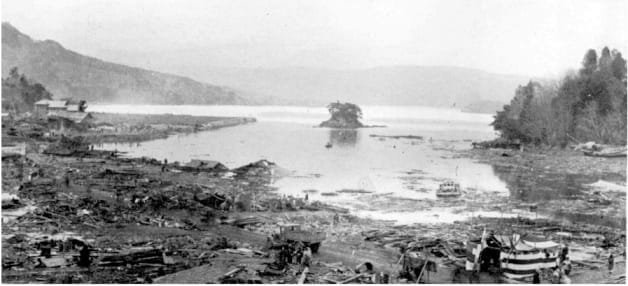
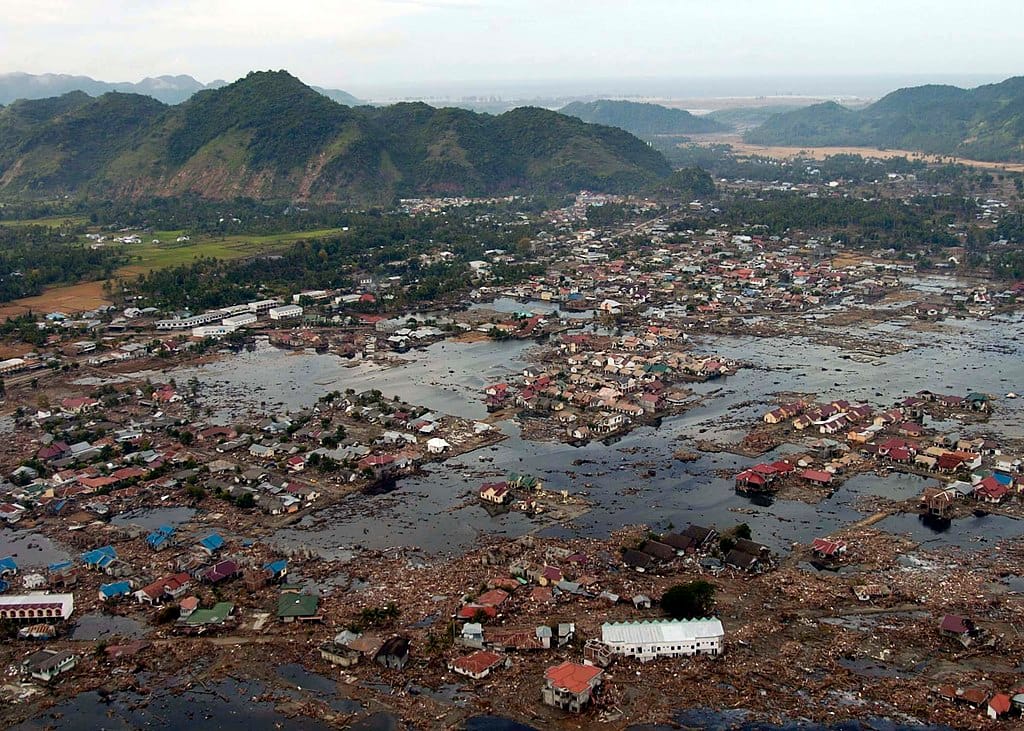
When the ocean finally receded, it left behind devastation—thousands were left homeless, boats shattered on rocks, freshwater supplies contaminated by seawater, and crops ruined by salt.
The communities, isolated in the mid-Atlantic, suddenly faced dire challenges. Food shortages loomed, diseases threatened, and the natural infrastructure lay in tatters. But the Azoreans’ resilience emerged in these dark hours; neighbors opened their doors, clergy offered solace, and leaders began to organize rebuilding efforts.
Between Myth and Reality: Stories Passed Down Generations
For centuries, oral traditions and folklore embellished the catastrophe. Fishermen spoke of the "Great Wave" that swept away entire villages; mothers whispered cautionary tales to children about the sea’s unpredictable wrath.
Yet, underlying these legends lies a kernel of truth that historians today strive to extract from the layers of myth. The 1757 event colored Azorean identity, reminding them of the ocean’s dual nature: life-giver and destroyer.
The Maritime Tragedy: Ships Lost at Sea and the Ocean's Wrath
The Atlantic is a crucial artery of navigation and trade, and on May 9, vessels caught in the open sea bore the full brunt of the tsunami. Shipping logs from British, Spanish, and Portuguese ships recorded sudden, violent waves that capsized smaller boats and flung larger ships off course.
Mariners of the era lacked warning systems; the sea’s fury was sudden and merciless. The loss of life at sea accounted for unknown, yet significant figures, and contributed to economic disruption that rippled far beyond the Azores.
The Scientific Understanding of Tsunamis in the 1700s
In 1757, the European scientific community was beginning to develop theories that linked undersea earthquakes to large ocean waves, though the concept of tsunamis was not yet fully understood or widely accepted.
Natural philosophers debated the causes; some attributed sudden floods to atmospheric phenomena or underwater volcanoes, unaware of the intricate tectonic processes involved. The Azores tsunami added a new data point that would, centuries later, contribute to the global understanding of seismic ocean phenomena.
Portugal’s Response: Relief Efforts and Rebuilding
Portugal’s government, despite its distance from the islands, acted swiftly. Orders for supplies and aid were dispatched, though the logistics were daunting given the mid-Atlantic seclusion. Military engineers arrived to assess structural damage; clergy organized relief assistance.
Reconstruction employed local materials and ingenuity. Towns reshaped their architecture to better withstand future shocks, and a new consciousness of the environment’s perils took hold among planners and residents.
The Social and Economic Impact on Azorean Society
Beyond physical destruction, the tsunami disrupted the social fabric. Fishing and agriculture—the pillars of the Azorean economy—suffered critical setbacks. The population faced displacement, poverty, and a lengthy recovery process.
Yet this adversity also fostered stronger communal bonds, adaptive strategies, and innovations. These changes influenced demographic patterns and economic practices for decades, marking 1757 as a pivotal moment in island history.
The Hidden Toll: Psychological and Cultural Ramifications
Survivors bore psychological scars—fear of the sea, anxiety during storms, and an altered worldview. Rituals, religious observances, and communal gatherings assumed new significance, reflecting a spiritual reckoning with forces beyond human control.
Artists, writers, and musicians—albeit limited in 18th-century Azores—began to reflect themes of nature’s unpredictability and the fragility of life, embedding the tsunami deeply within the cultural memory.
The 1757 Tsunami in the Context of Atlantic Geological Activity
Scientific studies today place the 1757 Azores event within a broader pattern of Atlantic seismicity. The mid-Atlantic Ridge, fault zones, and intermittent volcanic activity all contribute to a complex, evolving geological narrative.
Comparative analysis with later tsunamis and earthquakes emphasizes the event’s significance as both warning and lesson—underscoring the Atlantic’s capacity for sudden, dramatic natural upheavals.
Lessons Learned and Forgotten: Tsunami Preparedness Afterwards
While early response measures demonstrated foresight, awareness of tsunami risks waned over centuries. Periodic seismic episodes were often remembered locally but rarely translated into comprehensive preparedness plans.
Only in recent decades has scientific progress and global cooperation renewed focus on Atlantic tsunami hazards, reflecting a poignant irony: lessons buried beneath layers of time and oblivion.
The Legacy of 1757 in Modern Azorean Identity
For modern Azoreans, the memory of 1757 resonates as a symbol of resilience and respect for nature’s power. It informs local customs, education, and disaster preparedness initiatives.
Places once submerged or scarred have become sites of remembrance. Collective identity continues to be shaped by the echoes of that fateful day, linking past trauma with contemporary consciousness.
Comparative Analysis: 1757 Azores Tsunami and Other Atlantic Events
Though less known than Pacific tsunamis, Atlantic events like 1757 provide valuable insight into differing geological mechanisms and cultural responses.
Comparisons with the 1929 Grand Banks tsunami or the 1755 Lisbon earthquake and tsunami contextualize the Azores event within a wider Atlantic basin narrative of risk, response, and resilience.
Rediscovering 1757: Historical Research and Geological Surveys
Recent multidisciplinary investigations—combining archival research, sediment analysis, and underwater surveying—have progressively clarified the 1757 tsunami’s scale, origins, and impacts.
These efforts invigorate understanding, challenge previous assumptions, and rekindle interest in Atlantic natural disasters that have long remained in shadows.
Tsunami Risk in the 21st Century Azores: A Persistent Threat
Today, the Azores face ongoing volcanic and seismic threats. Advances in technology provide better monitoring, early warning systems, and community education, but the remoteness and geological complexity pose persistent challenges.
The 1757 tsunami serves as a cautionary tale and a catalyst for continuous vigilance in protecting island lives and heritage.
The Ocean Speaks: The Azores and the Atlantic’s Geological Story
Ultimately, the Azores tsunami of 1757 reminds us that beneath the serene ocean surface lies a restless earth—a narrative written in waves, rocks, and human memory.
It is a story of confrontation between humanity and nature’s elemental forces, a sobering reminder of the ocean’s silent, sometimes savage voice.
Conclusion
The Azores Atlantic Tsunami of May 9, 1757, stands as a profound chapter in the tapestry of natural disasters—an event where geological forces collided with human vulnerability in stark clarity. It was more than a sudden rise in sea level or a violent tremor; it was a rupture in the very fabric of island life, a violent whisper of the restless earth beneath the Atlantic’s vast expanse.
This catastrophe reshaped not only landscapes but also identities, economies, and collective memories. The resilience forged in its aftermath echoes through centuries, reminding us of nature’s unpredictable power and the enduring spirit of communities caught in its path.
In revisiting 1757, we bear witness to a silent dialogue between past and present—a lesson in humility, preparedness, and respect for the ocean’s boundless might. It is a call to never forget that the earth beneath us and the waters around us are ever dynamic, their history inscribed in wave and stone, waiting for those who choose to listen.
FAQs
Q1: What caused the 1757 Azores Atlantic Tsunami?
A1: It was triggered by a powerful undersea earthquake, likely around magnitude 7.0, caused by tectonic activity at the converging boundaries of the North American, Eurasian, and African plates near the Azores.
Q2: How large were the tsunami waves, and how far did they travel?
A2: Historical accounts estimate waves as high as 10 meters locally, causing devastation on the islands, and the tsunami’s energy propagated across portions of the Atlantic, affecting maritime traffic and coastal areas.
Q3: How prepared were the Azorean communities for such an event?
A3: In 1757, scientific knowledge and disaster preparedness were limited; the local population had little warning and minimal structural defenses against such a tsunami.
Q4: What were the main human and economic impacts of the tsunami?
A4: The tsunami caused loss of life, destruction of homes and fisheries, contamination of freshwater, and significant disruptions in agriculture and trade, leading to lasting social and economic hardship.
Q5: Did the Portuguese government provide aid after the disaster?
A5: Yes, though distant and logistically challenged, the Portuguese authorities sent relief and reconstruction assistance, supporting the Azorean communities’ recovery efforts.
Q6: How has modern science improved our understanding of the 1757 event?
A6: Modern geological and historical research, including seismic analysis, sediment studies, and archival review, have clarified the tsunami’s causes and impacts, contributing to broader Atlantic seismic risk knowledge.
Q7: Why is the 1757 tsunami less known compared to Pacific tsunamis?
A7: Atlantic tsunamis are rarer and less impactful globally than Pacific ones; limited contemporary documentation and the Azores’ remoteness also contributed to its relative obscurity.
Q8: How does the legacy of the 1757 tsunami influence the Azores today?
A8: It shapes disaster preparedness, cultural memory, and local identity, reminding residents and authorities of the ongoing seismic and tsunami risks in the region.