Table of Contents
- Dawn of a Microscopic Revolution: Paris, 1862
- Louis Pasteur: The Man Behind the Method
- The Scientific Climate of the Mid-19th Century
- The Invisible Enemy: Understanding Microbes Before Pasteur
- Early Attempts at Food Preservation: Struggles and Failures
- Pestilence in the Dairy: The Crisis of Spoiled Milk and Wine
- Pasteur’s Epiphany: Linking Germs and Contamination
- The First Experiments: Heat Meets Microorganisms
- Creating Pasteurization: Technique and Trials
- The Immediate Reception: Skepticism and Curiosity
- From Labs to Tables: Early Applications of Pasteurization
- Transforming Food Safety: The Impact on Milk, Wine, and Beer
- Opposition and Challenges: Industrial and Cultural Barriers
- Pasteurization Beyond France: Global Spread and Adoption
- Pasteur’s Legacy: Foundations for Modern Microbiology and Public Health
- Pasteurization Today: The Method’s Evolution and Endurance
- Historical Significance: A Quiet Revolution Changing Human Lives
- Anecdotes and Human Stories from the Pasteurization Era
- Scientific Quotes and Personal Words from Louis Pasteur
- The Economic Ripple: How Pasteurization Influenced Trade and Industry
- Pasteurization and Public Confidence in Food Safety
- The Method’s Role in Combating Diseases Beyond Food
- Environmental and Social Impacts of Pasteurization
- Conclusion: The Everlasting Flame of Pasteur’s Discovery
- FAQs: Understanding Pasteurization’s Past, Present, and Future
- External Resource
- Internal Link
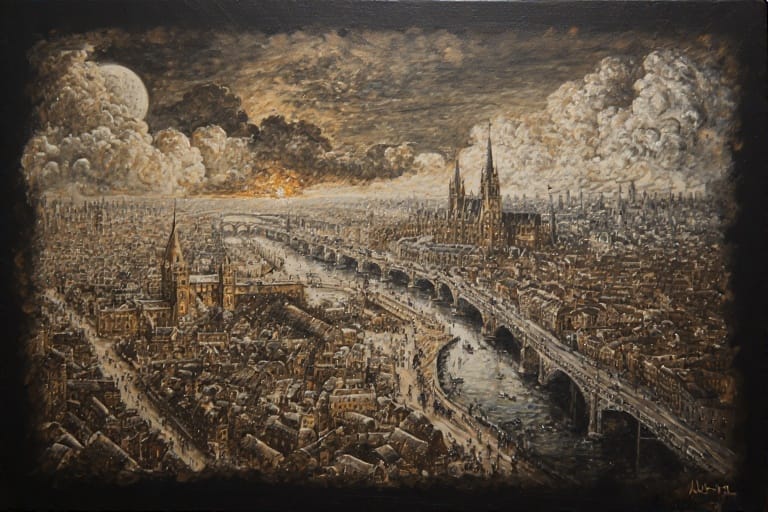
Paris, 1862. A city alive with intellectual fervor, the air buzzing not only with the scents of fresh bread and roasting chestnuts but with a fervent quest for knowledge that could change the very foundations of daily life. Within this vibrant metropolis, a humble French chemist and microbiologist, Louis Pasteur, was about to challenge centuries-old beliefs. With a simple yet revolutionary idea, he unveiled the secret that would save countless lives and transform humanity’s relationship with food and disease. This was the birth of pasteurization.
Dawn of a Microscopic Revolution: Paris, 1862
The year 1862 may appear unassuming—a mere dot on the timeline of human history—but it marks a pivotal moment when science shifted from guesswork to methodical conquest over invisible foes. In the heart of Paris, under gas-lit lamps and behind the walls of the École Normale Supérieure, Pasteur conducted experiments that would dismantle the old dogma blaming spoilage on “spontaneous generation.” People had long accepted that milk, wine, or beer went bad through mysterious forces. Pasteur’s discovery illuminated that tiny organisms—germs—were responsible and that heat could neutralize them without destroying flavor or nutritional value.
Louis Pasteur: The Man Behind the Method
Louis Pasteur was not born a genius; rather, he was a determined and curious mind shaped by adversity and resilience. Raised in a modest family in Dole, France, Pasteur’s early fascination was art and crystallography, but he soon recognized a deep passion for chemistry and biology. By 1862, aged 40, Pasteur was already renowned for his work on fermentation but faced enormous pressure and skepticism within the scientific community. His breakthrough with pasteurization was born from relentless experimentation and a belief that science could serve humanity. He stood not just as a researcher but as a protector—saving lives from unseen perils.
The Scientific Climate of the Mid-19th Century
The mid-1800s were a paradoxical era. While technological advances like the steam engine and telegraph accelerated civilization, the understanding of disease and contamination remained primitive. The prevailing belief in spontaneous generation suggested that life could arise from non-living matter. Germ theory was still embryonic, and the link between microbes and illness was unproven and contentious. Food preservation methods were rudimentary and often ineffective. In this scientific twilight, Pasteur’s work emerged like a beacon.
The Invisible Enemy: Understanding Microbes Before Pasteur
Before 1862, microbes were known but misunderstood. The invention of the microscope had unveiled tiny creatures in pond water and spoiled liquids, but their role in disease and decay was speculative. Physicians blamed miasmas or “bad air” for plagues. Winemakers and brewers fought fermentation failures without understanding the culprit. This ignorance led to widespread food poisoning and economic losses. Pasteur’s work would not merely identify these microbes—it would give humans the tools to control them.
Early Attempts at Food Preservation: Struggles and Failures
From salting and smoking to bottling and refrigeration, humanity’s fight against food spoilage was age-old but imperfect. Particularly vulnerable were milk, wine, and beer—staples prone to souring and contamination. These failures carried not only financial burdens but also severe public health risks; milkborne diseases thrived in urban centers with inadequate sanitation. Cities like Paris faced increasing health crises that demanded scientific intervention.
Pestilence in the Dairy: The Crisis of Spoiled Milk and Wine
Milk’s perishability became a public health concern, especially for infants and the sick. Similarly, French vineyards suffered significant losses due to spoilage and unwanted fermentation processes. Wine turning sour or beer developing off-flavors economically crippled producers. Pasteur’s interaction with these industries was more than scientific; it was deeply personal, witnessing the struggles of farmers and brewers whose livelihoods depended on beating spoilage.
Pasteur’s Epiphany: Linking Germs and Contamination
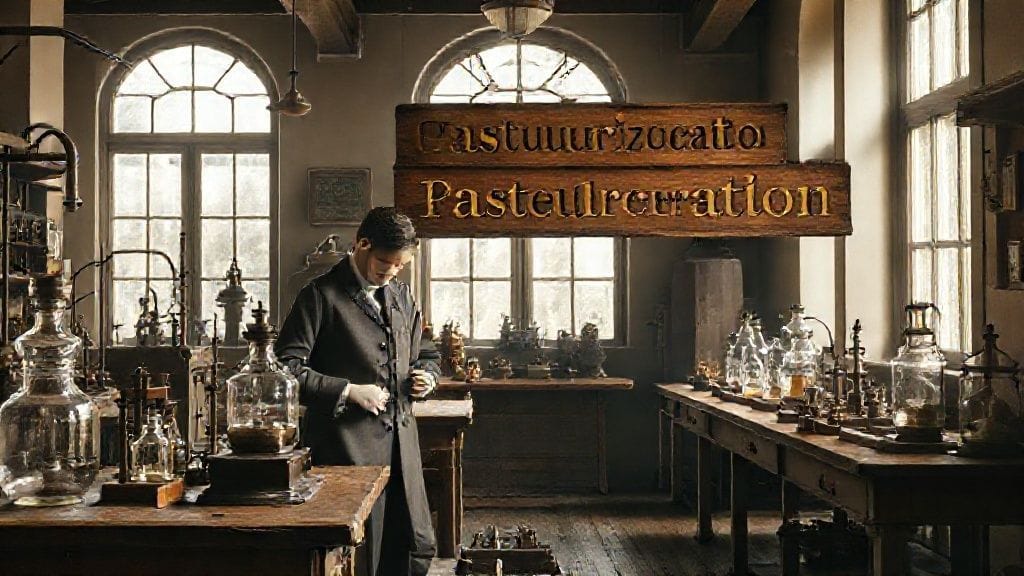
In a laboratory filled with glass flasks and heated baths, Pasteur meticulously documented how certain microorganisms flourished at specific temperatures. He revealed that above a certain heat threshold, these microbes died, halting fermentation and spoilage—without destroying taste or nutritional qualities. This insight was groundbreaking. Pasteur’s epiphany shattered myths: decay wasn’t an act of nature’s whim but a product of life forms that humans could control.
The First Experiments: Heat Meets Microorganisms
Pasteur’s initial experiments involved heating grape juice and milk to moderate temperatures, then carefully observing microbial growth and fermentation outcomes. He found that a brief exposure to heat—around 55 to 60°C (131 to 140°F)—was sufficient to kill spoilage-causing bacteria while preserving the essence of the product. These trials, painstakingly repeated, were accompanied by detailed notes and diagrams, setting the scientific foundation of pasteurization.
Creating Pasteurization: Technique and Trials
The practical aspect of pasteurization required balancing temperature and time—a delicate equilibrium to ensure microbial death without degradation of the product. Pasteur and his team refined these parameters through trial and error, observing sensory quality, microbial counts, and shelf-life extension. The successful method differed depending on the product: wine, beer, and milk each demanded unique handling. Through this, the term “pasteurization” was coined, honoring the man who harnessed heat against germs.
The Immediate Reception: Skepticism and Curiosity
Pasteur’s discovery was initially met with a mixture of enthusiasm from progressive scientists and suspicion from traditionalists and industry figures. Many questioned the practicality of applying heat to foods without ruining flavor or feared the economic implications. Yet, in Parisian salons and academic halls, debates raged. Pasteur defended his findings with eloquence and data, turning skepticism into cautious optimism. The idea that science could safeguard food quality and prevent disease was intoxicating.
From Labs to Tables: Early Applications of Pasteurization
Despite resistance, some forward-thinking producers embraced pasteurization. Dairy farms began adopting heated milk treatments, and wineries experimented with controlled fermentations. Pasteurization gradually moved from an academic novelty toward practical industry standard. The transition was neither quick nor smooth but was propelled by remarkable improvements in food safety and economics.
Transforming Food Safety: The Impact on Milk, Wine, and Beer
Pasteurization’s effect on food safety was nothing short of revolutionary. Infant mortality due to milkborne pathogens such as tuberculosis and brucellosis began to decline where pasteurization was practiced. Wine and beer stability improved, aiding commercial growth. The method offered a new lease on life for perishable goods, allowing distant markets access to safe, long-lasting products, fundamentally changing consumption patterns.
Opposition and Challenges: Industrial and Cultural Barriers
Not all welcomed pasteurization. Some vintners believed the process spoiled traditional wine flavors, considering it a betrayal of centuries-old craftsmanship. Dairy farmers feared investment costs and doubted the method’s necessity. Commercial interests sometimes clashed with scientific evidence. Moreover, broader societal resistance to scientific changes slowed adoption. Pasteur had to champion not only his method but a paradigm shift about invisible life and contamination.
Pasteurization Beyond France: Global Spread and Adoption
The success story of pasteurization did not stop at France's borders. By the late 19th century, the method crossed the Atlantic and other continents. Countries with burgeoning urban populations and industrialized food production saw the technique as vital. Pasteur’s name became synonymous with food safety and scientific rigor. Governments, scientists, and industry leaders collaborated, integrating pasteurization into public health policies, particularly in milk supply chains.
Pasteur’s Legacy: Foundations for Modern Microbiology and Public Health
Pasteurization was more than a food preservation technique; it was an expression of modern scientific methodology with public health at its core. Pasteur’s broader contributions—vaccines, germ theory, and sterilization—formed the pillars of microbiology. Pasteurization’s discovery catalyzed the understanding that disease could be prevented by controlling microorganisms, heralding a new era of medical and societal advancements.
Pasteurization Today: The Method’s Evolution and Endurance
Over a century and a half later, pasteurization remains a cornerstone of food safety worldwide. Advances like Ultra-High Temperature (UHT) processing have refined the method, catering to modern needs. In developing nations, pasteurization continues to combat foodborne diseases. Its endurance is a testament to the solidity of Pasteur’s discovery and the continuous human quest to protect health through science.
Historical Significance: A Quiet Revolution Changing Human Lives
Unlike revolutions marked by upheaval and conflict, the discovery of pasteurization was quiet yet profound. It transformed daily life—turning unsafe milk into a source of nourishment rather than potential death, preserving cherished wines, and supporting economic stability. Pasteurization symbolizes the power of scientific inquiry to conquer fear and uncertainty. Its legacy is written in healthier children, safer communities, and trusted tables worldwide.
Anecdotes and Human Stories from the Pasteurization Era
Consider the Parisian mother whose infant survived because of a milk bottle free from deadly bacteria; the vintner who reclaimed his livelihood thanks to longer-lasting wine; the student scribbling notes in Pasteur’s lectures, inspired to pursue microbiology. These stories infuse soul into the cold rigor of science. Pasteur’s discovery had faces and names, hopes and fears that breathed life into laboratories and markets alike.
Scientific Quotes and Personal Words from Louis Pasteur
Pasteur once famously said, “Science knows no country, because knowledge belongs to humanity.” In describing pasteurization, he wrote, “Let us try to make cleanliness natural, without forgetting that the subtle microbes may blight a comet as a calamity.” His humility and conviction echo through history, reminding us that scientific progress is both a duty and a privilege.
The Economic Ripple: How Pasteurization Influenced Trade and Industry
By preventing spoilage, pasteurization reduced losses and enabled longer transport of dairy and beverages. This boosted trade, opened new markets, and supported the rise of modern refrigerated supply chains. It also incentivized regulatory frameworks ensuring food quality, affecting entire industries and consumer culture. The economic benefits reinforced the scientific truths, making pasteurization indispensable.
Pasteurization and Public Confidence in Food Safety
Trust is an invisible but essential ingredient in food consumption. Pasteurization enhanced public confidence at a time when cities grew and food sources became more complex. People could consume milk without constant fear of illness. This trust extension helped governmental agencies shape food policies and inspect products, amplifying public health successes.
The Method’s Role in Combating Diseases Beyond Food
Pasteurization’s principles extended beyond foods—its fundamentals informed sterilization in medicine and pharmaceutical manufacturing. The understanding that heat could destroy pathogenic microorganisms became a guiding force in surgery, vaccine preparation, and sanitary practices, all crucial in reducing infection and mortality rates globally.
Environmental and Social Impacts of Pasteurization
Pasteurization indirectly influenced environmental concerns by reducing food waste and supporting sustainable consumption. Socially, it contributed to urbanization by enabling safer food supplies for growing populations. The method helped bridge gaps between rural producers and urban consumers, fostering social cohesion through shared health standards.
Conclusion
Pasteurization stands as an extraordinary human achievement—where curiosity met courage and science delivered hope. Louis Pasteur’s discovery in 1862 was not just a triumph over microorganisms but a victory for humanity’s will to survive and thrive. By illuminating the invisible and wielding heat with precision, Pasteur changed how we think about food, health, and safety. This quiet revolution continues to save millions of lives everyday, a testament to the enduring power of knowledge and compassion.
FAQs
Q1: What exactly is pasteurization, and how does it work?
Pasteurization is a heat treatment process that kills harmful microorganisms in food and beverages without compromising taste or nutrition. It typically involves heating the product to a specific temperature for a set time, then rapidly cooling it.
Q2: Why was pasteurization such a breakthrough in 1862?
Before pasteurization, food spoilage and foodborne illnesses were widespread and poorly understood. Pasteur's discovery linked microbes to contamination and offered a practical way to prevent it, saving countless lives.
Q3: Who was Louis Pasteur, and why is he important?
Louis Pasteur was a French chemist and microbiologist whose work revolutionized science, medicine, and food safety. His contributions include germ theory, vaccines, and pasteurization, fundamentally shaping modern public health.
Q4: How did pasteurization change public health?
By reducing microbial contamination in milk and other products, pasteurization drastically lowered rates of diseases like tuberculosis, brucellosis, and other foodborne illnesses, contributing to longer life expectancy and improved quality of life.
Q5: Was pasteurization immediately accepted worldwide?
No. There was initial skepticism and resistance, particularly from traditional producers. However, its undeniable benefits led to gradual adoption globally throughout the late 19th and 20th centuries.
Q6: Is pasteurization still relevant today?
Absolutely. Modern food industries continue to rely on pasteurization and its evolved forms to ensure safety, especially in dairy, juice, and other perishable products.
Q7: Did Pasteur discover germ theory through pasteurization?
Pasteur’s pasteurization work was pivotal evidence supporting germ theory, which he helped develop over time through experiments proving microbes cause disease and contamination.
Q8: What industries benefit most from pasteurization?
Dairy, wine, beer, juice, and pharmaceutical industries are primary beneficiaries, using pasteurization to ensure product safety and shelf life.