Table of Contents
- A Mechanical Revolution Begins: The Birth of the Typewriter
- Milwaukee, 1868: Setting the Stage for Innovation
- Christopher Latham Sholes: The Visionary behind the Machine
- The Long Road to the Patent: Trials, Errors, and Triumphs
- The Patent Day: June 23, 1868—A New Dawn in Communication
- Anatomy of the First Typewriter: From Sketch to Reality
- Overcoming Skepticism: Public Reception and Early Critiques
- From Workshop to Market: Commercial Challenges Ahead
- The QWERTY Keyboard: Design Necessity or Marketing Genius?
- Cultural and Social Ripples: How the Typewriter Changed Office Life
- The Race to Improve: Competitors and Parallel Inventions
- Typewriting and the Rise of Women in the Workforce
- The Typewriter and Its Impact on Literature and Journalism
- Industrial America Embraces the Machine: Economic Implications
- The Global Spread: From Milwaukee to the World
- Legal Battles and Patent Wars: Protecting Innovation in the Gilded Age
- The Typewriter’s Endurance: Legacy Beyond the Electric Age
- Anecdotes from the Early Days: Inventors, Users, and Skeptics
- The Human Element: Stories from Typists and Entrepreneurs
- How the Typewriter Prefigured Digital Communication
- The Typewriter Museum and Modern Memory
- Conclusion: The Echoes of a Patented Idea
- FAQs
- External Resource
- Internal Link
1. A Mechanical Revolution Begins: The Birth of the Typewriter
June 23, 1868 — it was a humid summer day in Milwaukee, a city humming with the industrious pulse of nineteenth-century America, when a piece of paper first pressed against inked letters typed out a message that would forever transform communication. The patent was granted, legitimizing a machine dreamt of by many but finally realized by one trio led by Christopher Latham Sholes. This was not just the birth of an invention; it was the inception of a civilization pivot that would streamline professions, empower voices, and shape the very fabric of written language.
But the story began decades earlier, etched in the dreams of mechanized writing and punctuated by the laborious demands of clerks and authors alike.
2. Milwaukee, 1868: Setting the Stage for Innovation
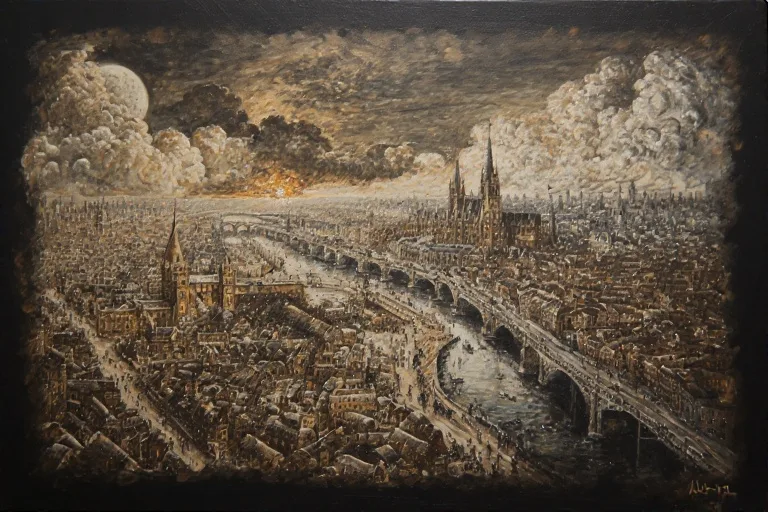
In the mid-19th century, Milwaukee was no stranger to innovation. Nestled on the shores of Lake Michigan, it was a powder keg of manufacturing and invention, the kind of city where factory whistles punctuated the skyline, and immigrant energy propelled relentless progress.
Amid this buzzing atmosphere, the demand for efficient writing tools was growing. Business correspondence was derived from laborious hand copy, often illegible and slow. Before the typewriter was patented, countless inventors grappled with the challenge of mechanizing script — a leap that seemed at once necessary and daunting.
3. Christopher Latham Sholes: The Visionary behind the Machine
Christopher Latham Sholes was not just an inventor. He was a printer, editor, and politician with a restless mind and a deep awareness of the communication struggles of his time. Born in 1819 in Pennsylvania and ultimately settling in Wisconsin, Sholes combined a love for technology with a practical eye on office inefficiencies.
Together with his colleagues Samuel Soule and Carlos Glidden, Sholes sought to forge a device that could replicate handwriting mechanically—uniform, fast, and legible. Their collaboration, though fraught with setbacks, was a testament to creative perseverance.
4. The Long Road to the Patent: Trials, Errors, and Triumphs
The journey to the 1868 patent was anything but smooth. The first rudimentary models, built in workshops cluttered with gears and levers, frequently jammed or failed to imprint clearly. Early versions bore little resemblance to the sleek machines that would follow.
Yet, it was an unyielding commitment—powered by the grit of inventors used to tinkering through nights—that would finally yield the breakthrough. Prototypes evolved, mechanics refined; each test a step closer to a practical, usable device.
5. The Patent Day: June 23, 1868—A New Dawn in Communication
The moment Christopher Latham Sholes and his team received the patent for their “Type-Writer” machine, the world began entering a new era in written communication. Patent No. 79,265, granted by the United States Patent Office, enshrined their invention as the first practical typewriting device.
This document was more than legal affirmation—it was a public signal that the age of mechanized text had officially commenced. On that day, despite the still crude appearance of the machines, the future of offices, libraries, and notebooks had changed forever.
6. Anatomy of the First Typewriter: From Sketch to Reality
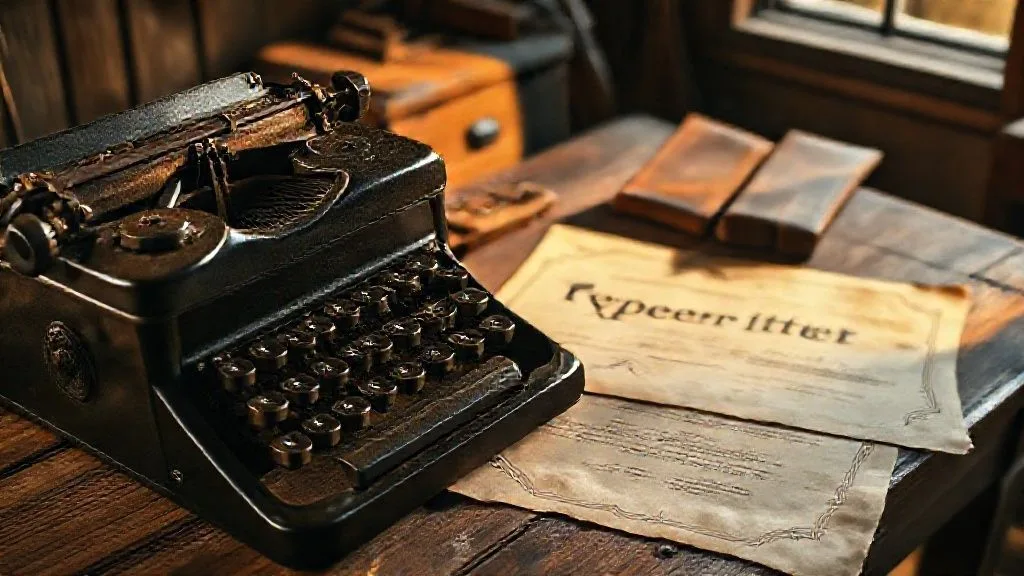
The original typewriter was a complex ballet of levers and keys. Each key connected to a typebar, which struck an inked ribbon, transferring a character onto paper. Unlike later models with visible typing results, the early machines kept the imprint hidden until the page was rolled, adding an element of suspense.
Notably, the keys were arranged not alphabetically, but in a seemingly random layout that would later crystallize into the QWERTY keyboard—designed to prevent typebars from jamming rather than for ease of typing.
The machine was heavy, cumbersome, and far from perfect, yet it functioned consistently enough to inspire confidence.
7. Overcoming Skepticism: Public Reception and Early Critiques
New inventions always face doubt. Many observers in 1868 regarded the typewriter with suspicion or amusement. Could machines truly replace skilled penmanship? Would there be demand for such a clunky contraption in offices steeped in tradition?
Despite such skepticism, early adopters—draftsmen, office clerks, and journalists—recognized the potential. The typewriter promised speed, clarity, and uniformity. Slowly but surely, it began to gain foothold.
8. From Workshop to Market: Commercial Challenges Ahead
Bringing the typewriter to market proved a daunting challenge. Initial production was limited, and the machines costly to manufacture. The Sholes and Glidden Typewriter Company, formed to commercialize the invention, faced hurdles including mechanical reliability and competition from emerging rivals.
Yet persistence and iterative improvements led to a growing user base, primarily in business correspondence and newsroom dispatches—settings hungry for rapid, standardized communication.
9. The QWERTY Keyboard: Design Necessity or Marketing Genius?
One of the most enduring legacies from Sholes’ invention was the QWERTY keyboard. Far from a mere typographical quirk, this layout was an ingenious solution to mechanical jams. By spacing most commonly struck letters apart, the machine avoided typebars colliding when keys were pressed in quick succession.
This accidental or deliberate design became the standard, surviving far beyond the era of mechanical typewriters into today’s digital keyboards—a fascinating bridge across centuries of technology.
10. Cultural and Social Ripples: How the Typewriter Changed Office Life
The typewriter was not just a tool; it was a cultural disruptor. It transformed clerical work, making it more systematic and efficient. Offices expanded their capacity to produce written documents, boosting productivity.
Moreover, it heralded a new kind of workplace rhythm—a cacophony of clicking keys replacing the scratch of quills, introducing a soundscape forever associated with the modern office.
11. The Race to Improve: Competitors and Parallel Inventions
With the patent secured, a wave of inventors and entrepreneurs set out to improve upon Sholes’ design. Remington & Sons, a prominent firearms manufacturer, secured rights and began mass production of refined typewriters, making the machines more affordable and reliable.
Meanwhile, other inventors developed novel mechanisms, leading to an explosion of patents and designs. The typewriter evolved swiftly in complexity, portability, and aesthetics, entering a golden age of innovation.
12. Typewriting and the Rise of Women in the Workforce
An unexpected consequence of the typewriter’s success was the opening of office jobs to women. Typing became a new professional skill predominantly associated with female workers, providing an economic outlet and social emancipation.
The “typewriter girl” emerged as a cultural icon, representing independence and modernity, forever linking the machine to broader social transformations in gender roles.
13. The Typewriter and Its Impact on Literature and Journalism
Writers and journalists embraced the typewriter as a liberating tool. Speedier composition and clearer copies facilitated the rapid production of newspapers, novels, and correspondence.
Authors speaking candidly about their machines often remarked on the liberation from handwriting’s physical strain, allowing creativity to flow in new ways—redefining the very process of writing itself.
14. Industrial America Embraces the Machine: Economic Implications
Industrially, the typewriter symbolized America’s burgeoning reliance on mechanization to drive economic growth. Factories producing these machines contributed to jobs and technological confidence. At the same time, offices saw increased demand for skilled typists, pushing clerical work into a new era.
This wave of mechanized writing paralleled other industrial advances, underscoring the synergy between invention and economic expansion in the post-Civil War United States.
15. The Global Spread: From Milwaukee to the World
Though born in Milwaukee, the typewriter’s influence rapidly transcended American borders. By the late 19th century, machines were being exported worldwide, adopted in European capitals, Asian metropolises, and colonial administrations.
Each new market contributed variations and adaptations, ultimately embedding the typewriter into the global fabric of business, governance, and daily communications.
16. Legal Battles and Patent Wars: Protecting Innovation in the Gilded Age
The patenting of the typewriter also sparked intense legal battles, emblematic of the Gilded Age’s cutthroat industrial competition. Companies jealously guarded their designs and sought to block rivals.
These legal struggles reveal the high stakes attached to what was initially seen by some as a niche invention—a precursor to the fiercely competitive world of intellectual property that defines modern tech industries.
17. The Typewriter’s Endurance: Legacy Beyond the Electric Age
What is remarkable is how long the typewriter endured. Even as electric typewriters and eventually computers appeared, the mechanical typewriter retained a loyal following for decades.
Its utility, tactile feedback, and even aesthetic charms persist among collectors and enthusiasts today, underscoring the profound way it shaped human interaction with text—beyond the mere device itself.
18. Anecdotes from the Early Days: Inventors, Users, and Skeptics
Legend has it that Sholes himself had a sense of humor about his invention, once joking that the keys could “type the alphabet faster than any clerk could write a letter.”
Early adopters found themselves narrating tales of jammed keys during critical deadlines or marveling at the speed that transformed their daily lives. Such stories reveal the human dimension behind the cold mechanics of brass levers and steel typebars.
19. The Human Element: Stories from Typists and Entrepreneurs
Behind every typed page was a human operator—sometimes a fresh office worker thrust into the modern age, sometimes a seasoned journalist racing against the news cycle.
The profession of typing developed its own culture, etiquette, and lore—highlighting the intricate human-machine relationship at the heart of this patent’s legacy.
20. How the Typewriter Prefigured Digital Communication
The typewriter’s design principles helped pioneer standardized keyboards, formal document formats, and uniform typing techniques—all directly influencing the dawn of the computer age.
In this sense, the 1868 patent was not merely a historical footnote but the foundational seed of modern textual communication technologies that shape our digital lives.
21. The Typewriter Museum and Modern Memory
Today, museums dedicated to the typewriter preserve this heritage, exhibiting models from Sholes’ first patent to futuristic electric variants.
Exhibitions narrate the typewriter’s role in democratizing writing, bridging social divides, and embodying the human capacity for innovation—inviting visitors to touch the buttons once clattered by hands over a century ago.
Conclusion
The patenting of the typewriter on June 23, 1868, in Milwaukee was far more than a bureaucratic stamp. It was a moment when human ingenuity, mechanical precision, and cultural need converged to reshape communication forever. From the clunking, heavy machines that first tapped their letters onto paper, to the buzzing digital keyboards of today, the typewriter’s spirit endures.
It democratized writing, raised new voices, especially those of women, and ushered in an age where speed and clarity in text became essential tools of society and progress. The legacy of that day in 1868 is a testament to what perseverance, vision, and a single patent can ignite—a revolution of the written word.
FAQs
Q1: Who was granted the first typewriter patent and when?
Christopher Latham Sholes, along with Samuel Soule and Carlos Glidden, received the first US patent for a practical typewriter on June 23, 1868.
Q2: What was unique about the original typewriter’s keyboard layout?
The first typewriter introduced the QWERTY keyboard layout, designed to prevent mechanical jams by spacing frequently used letters apart.
Q3: How did the typewriter affect female employment in the late 19th century?
It created new clerical positions predominantly occupied by women, enabling greater economic independence and shifting social roles.
Q4: What challenges did the first typewriters face commercially?
Early machines were expensive, prone to mechanical issues, and faced skepticism, which made mass adoption slow at first.
Q5: How did the typewriter influence literary production?
It accelerated writing speed and improved legibility, facilitating faster drafts and wider distribution of written works.
Q6: Are there still people who use or collect typewriters today?
Yes, typewriter enthusiasts and collectors maintain and use these machines, appreciating their tactile experience and historical value.
Q7: What role did legal battles play after the patent was issued?
Patent holders engaged in fierce legal disputes to protect their intellectual property amid rapid technological advances in a competitive industrial landscape.
Q8: How did the typewriter pave the way for modern keyboards?
Its design and layout principles directly informed the keyboards used in computers and smartphones, linking 19th-century mechanics to 21st-century tech.