Table of Contents
- A New Dawn: The Introduction of Solar Roof Tiles in the USA
- The Spark Behind Innovation: Early Solar Energy Technologies
- The Visionaries: Key Figures Driving Solar Roof Tile Development
- Market Conditions Prior to 2016: Challenges and Opportunities
- October 28, 2016: The Unveiling of Solar Roof Tiles
- Technology Transformed: From Panels to Tiles
- Public Perception and Media Buzz Around Solar Roof Tiles
- The Environmental Imperative: Why Solar Roof Tiles Mattered
- Economic Ripples: The Impact on the Energy and Construction Industries
- Solar Roof Tiles and Urban Landscapes: Aesthetic and Practical Considerations
- The Role of Government Policies and Incentives
- Barriers to Adoption: Costs, Installation, and Consumer Trust
- The Competition: How Other Renewable Technologies Responded
- Stories From Early Adopters: Enthusiasm, Doubts, and Realities
- The Broader Movement: Solar Roof Tiles in Global Context
- Innovation Beyond 2016: The Evolution of Solar Roof Technology
- Cultural Shift: Solar Energy and the American Dream
- Environmental Data and Early Impact Reports
- Criticism and Controversy: Technical and Economic Debates
- The Legacy of the 2016 Introduction: Innovations That Followed
- Looking Forward: The Promise of Solar Roof Tiles in the 21st Century
- Conclusion: A Sunlit Future Forged on Rooftops
- FAQs: Answering Your Key Questions about Solar Roof Tiles
- External Resource: Wikipedia Link to Solar Roof Tiles Introduction
- Internal Link: Visit History Sphere
A New Dawn: The Introduction of Solar Roof Tiles in the USA
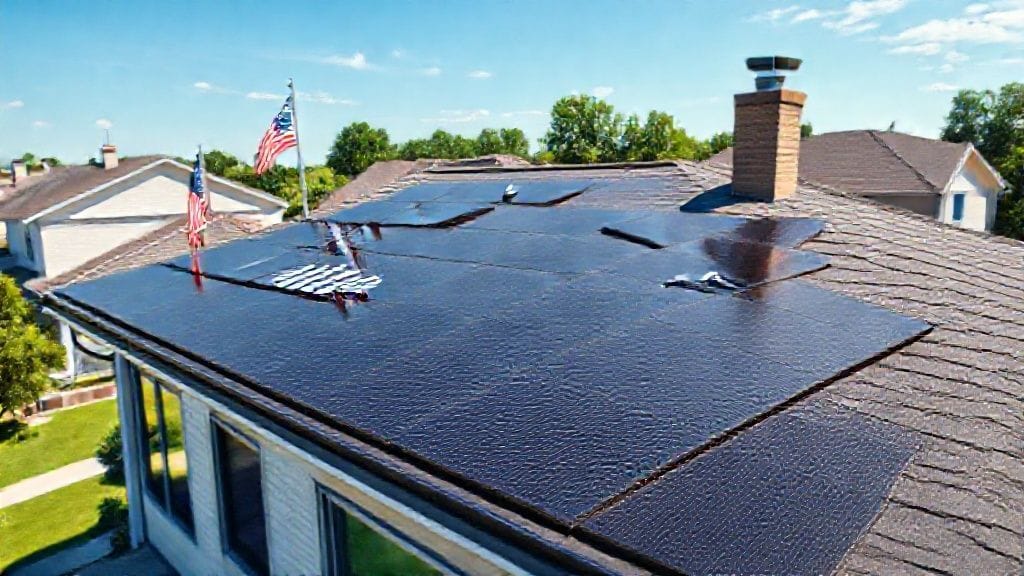
On a crisp autumn day, October 28, 2016, the world watched as an ambitious new chapter in renewable energy unfolded in the United States. Amid the sharp outlines of urban rooftops and suburban homes bathed in golden light, an innovation shimmered into public consciousness: solar roof tiles. Unlike traditional bulky solar panels perched awkwardly atop houses, these were sleek, elegant, and seamlessly integrated into the very fabric of roofs. Their introduction was not merely a technical milestone, but a symbol—a promise of energy independence and environmental stewardship woven directly into American homes.
The excitement was tangible, as if the sunlight itself had conspired to strike a chord with innovation. Homeowners, engineers, environmentalists, and policymakers gathered in curious anticipation, waiting to see if solar roof tiles could truly merge aesthetic appeal with the urgent need for sustainable energy. This was no small feat—it was the moment when clean energy might become not just a utility, but a design choice imbued with hope.
The Spark Behind Innovation: Early Solar Energy Technologies
The journey toward solar roof tiles was paved by decades of tireless experimentation, years stretching back to the mid-20th century when solar cells first captured the imagination of scientists. Early solar panels were large, rigid, and inefficient—suitable perhaps for satellites orbiting Earth but not yet for everyday homes. In the 1970s and ’80s, amid the oil crises and growing environmental awareness, the push for solar power intensified. But aesthetics lagged behind science; rooftops bristling with panel arrays were often deemed eyesores.
It was the gradual advancement in photovoltaic materials, combined with breakthroughs in manufacturing and design, that provided the breakthrough. Thin-film cells, improved silicon crystal technology, and novel encapsulation methods set the stage for a more integrated, approachable solar solution. Yet, turning solar cells into roofing tiles presented a daring challenge—could energy generation be disguised as architecture?
The Visionaries: Key Figures Driving Solar Roof Tile Development
At the heart of this revolution stood visionaries refusing to accept the status quo. Foremost among them was a cadre of engineers and entrepreneurs who saw not just energy efficiency but an aesthetic imperative. Names like Elon Musk and his company Tesla popularized the idea of solar roof tiles as not only functional but desirable.
Elon Musk's vision went beyond mere electricity—it was about transforming homes into power plants, democratizing energy production at the source. His approach was both technological and narrative-driven; smooth, glass-like tiles that could withstand hailstorms and blend invisibly with profiles of traditional roofs created a compelling story. Musk’s public unveiling was a showman’s dream—a mix of grand promises and concrete prototypes. Yet he was not alone; dozens of startups and laboratories were racing alongside, each contributing innovations that fed this growing movement.
Market Conditions Prior to 2016: Challenges and Opportunities
Solar energy in America before 2016 was a patchwork—a mix of hesitant adoption, generous subsidies, and uneven technological progress. High initial costs, complex installation procedures, and lingering doubts about return on investment kept many homeowners wary. Traditional solar panels dominated the market, but faced stiff competition and resentment from those who found them clunky or incompatible with community aesthetics.
Government incentives, notably tax credits and renewable energy mandates, nudged adoption upward, but rooftop solar still remained a niche product primarily for eco-conscious early adopters in sunny states like California and Arizona. Additionally, concerns about the environmental impact of manufacturing and recycling panels wrestled with the stated benefits. The market demanded a solution that could marry performance with elegance, affordability, and durability.
October 28, 2016: The Unveiling of Solar Roof Tiles
The day arrived with global anticipation. At an event in California, amidst flashing cameras and curious press, Tesla revealed the Tesla Solar Roof—a system promising to replace the traditional roof with a fully integrated photovoltaic powerhouse. For the first time, solar technology was presented not as an add-on, but as a built-in feature indistinguishable from classic roofing materials.
The unveiling demonstrated prototypes that included different styles mimicking slate, terra cotta, and smooth glass tiles, each capable of producing energy while withstanding the rigor of weather and time. The event was more than a product launch; it was a cultural statement that advertised a future where every home not only consumed energy but generated it, creating a decentralized electric grid.
Technology Transformed: From Panels to Tiles
To appreciate the intro of solar roof tiles, a technical marvel was essential. Unlike traditional photovoltaic panels mounted on racks, these roof tiles had to perform multiple roles: protect the home from the elements, maintain structural integrity, and produce electricity efficiently. Innovations in tempered glass, photovoltaic cell layering, electrical wiring integration, and weatherproofing coalesced into a product that was both resilient and visually appealing.
Crucially, the high-temperature resistance and mechanical strength of these tiles were extensively tested. The solar cells embedded within had to withstand hail, wind, thermal cycling, and degradation over decades—a standard that was difficult to meet but necessary for consumer confidence. The engineering addressed key concerns that had limited earlier products, enabling broader market acceptance.
Public Perception and Media Buzz Around Solar Roof Tiles
The public reaction was mixed but overwhelmingly fascinated. Some hailed the tiles as a architectural revolution, a fusion of green technology and design that could reshape urban imagery forever. “A roof that pays for itself,” enthusiasts declared. Popular media outlets ran feature stories emphasizing environmental benefits and cost savings.
Yet skepticism prevailed among critics who questioned the cost, installation complexity, and durability. Some consumers feared hidden expenses or unproven performance in less sunny climates. Nevertheless, solar roof tiles ignited conversations far beyond industry insiders. Social media buzz, early customer testimonials, and clever marketing campaigns helped normalize the concept—solar energy now felt less like a sacrifice and more like a desirable upgrade.
The Environmental Imperative: Why Solar Roof Tiles Mattered
This was not innovation for novelties’ sake. The backdrop of climate change, increasing global carbon emissions, and the finite nature of fossil fuels created an urgent imperative for alternative, sustainable energy sources. Buildings account for roughly 40% of global energy consumption, making the integration of renewable energy into architecture a critical front in the battle against warming.
Solar roof tiles promised a pathway to reduce dependency on polluting energy grids silently and efficiently. By turning every home into a micro-generator, they offered a way to decentralize energy production and increase resilience against outages and grid failures. Moreover, encouraging architectural beauty in sustainability had the potential to shift public attitudes in profound ways.
Economic Ripples: The Impact on the Energy and Construction Industries
The introduction spark ignited ripples across sectors. The energy industry, often reliant on centralized power plants and fossil fuels, faced new competition. Construction firms had to rethink roofing materials and installation processes, necessitating new skills and supply chains.
Solar roof tile manufacturing fostered domestic jobs in clean energy sectors, but also challenged traditional solar panel manufacturers. The shift required a reassessment of pricing models, warranties, and customer service infrastructure. Local governments adjusted building codes and regulations to accommodate these new technologies, showing the deep societal impact a technological leap can have.
Solar Roof Tiles and Urban Landscapes: Aesthetic and Practical Considerations
Unlike bulky panels that can clash with architectural styles, solar roof tiles raised an essential question: can aesthetics and utility coexist? The answer was a cautious yes. The new tiles were designed to seamlessly mimic traditional roofing materials like slate or terra cotta, blending into neighborhoods and historic districts.
This design sensitivity allowed the technology to surmount one of the biggest barriers to solar adoption—the fear of spoiling a home’s appearance or neighborhood’s character. Moreover, the practical benefit of integral roofing cells meant less maintenance and greater durability, important considerations for homeowners concerned with long-term investments.
The Role of Government Policies and Incentives
The launch of solar roof tiles did not happen in a vacuum. Federal incentives such as the Investment Tax Credit (ITC), state-level rebates, and net metering policies created fertile ground for rapid adoption. States like California led the way by adopting aggressive renewable energy targets, making solar technologies attractive investments.
However, regulatory hurdles remained, including difficulties in permitting, varying utility policies, and inconsistent enforcement across jurisdictions. Advocacy groups pushed for streamlined processes to match the pace of innovation, underscoring the crucial partnership between invention and governance.
Barriers to Adoption: Costs, Installation, and Consumer Trust
Despite tremendous promise, solar roof tiles faced hurdles inherent in every transformative technology. They demanded a significant upfront investment, often beyond the reach of middle-income homeowners. Installation required specialized contractors trained in both roofing and electrical work, narrowing the pool of qualified professionals.
Consumer education became vital to overcoming mistrust, as past experiences with underperforming solar panels made many wary. Installation delays, warranty confusion, and questions about durability dampened enthusiasm at times. Achieving scalability while maintaining quality proved a delicate balance.
The Competition: How Other Renewable Technologies Responded
As solar roof tiles entered the market, other renewable energy sectors took note. Traditional solar panel manufacturers optimized efficiency and cost; wind energy advocates highlighted complementary technologies; battery storage innovators expanded their offerings to pair with decentralized solar.
The energy ecosystem was evolving rapidly, with solar roof tiles representing a niche initially but rapidly pushing the boundaries. The competition spurred inventors worldwide to rethink integration, efficiency, and user experience, fueling an unprecedented period of renewable innovation.
Stories From Early Adopters: Enthusiasm, Doubts, and Realities
Early adopters quickly emerged as crucial voices shaping the narrative around solar roof tiles. From a family in Palo Alto declaring their home “transformed” into a clean energy hub, to a retired schoolteacher in Denver wary of high costs but motivated by environmental ethics—these genuine testimonials personalized the technology.
Their stories revealed both triumphs—the joy of independence from the grid—and frustrations such as installation delays and unexpected maintenance. Nonetheless, their commitment underscored the human side of this technological leap: it was about hope, responsibility, and future generations.
The Broader Movement: Solar Roof Tiles in Global Context
While pioneered in the USA, solar roof tile technology resonated globally. Countries with aggressive climate targets, like Germany, Australia, and Japan, monitored progress keenly. The technology dovetailed with international commitments under the Paris Agreement, reflecting a shared urgency across borders.
Moreover, solar roof tiles inspired adaptations suited to different cultural and climatic contexts—ranging from heat-resistant tiles for tropical zones to integrated energy-plus-storage solutions in northern Europe. The innovation epitomized global collaboration and local customization.
Innovation Beyond 2016: The Evolution of Solar Roof Technology
Since the initial introduction, solar roof tiles have continued to evolve, integrating advances in materials science and digital connectivity. Smart tiles capable of real-time monitoring and adaptive energy management represent the cutting edge.
Research into flexible, less expensive materials, and improved manufacturing processes are bringing down costs. Meanwhile, the integration of solar tiles with home energy management systems and electric vehicles paints a holistic vision of a connected, sustainable home ecosystem.
Cultural Shift: Solar Energy and the American Dream
The emergence of solar roof tiles tapped into a deeply ingrained American ideal: self-reliance and technological progress as a pathway to a better life. Owning a home that generated its own energy was more than an environmental statement—it was a symbol of economic empowerment and innovation.
Marketing campaigns cleverly merged this dream with the pressing need for climate action, creating an aspirational narrative of modern homeownership intertwined with stewardship of the planet. Solar roof tiles thus became a cultural icon as much as a technological breakthrough.
Environmental Data and Early Impact Reports
Data collected in the first years following the introduction painted an encouraging but nuanced picture. Homes equipped with solar roof tiles showed significant reductions in carbon footprint, with some reports noting up to 50% energy bill savings in sunny regions.
Yet variability existed depending on orientation, local weather, and grid conditions. Independent studies highlighted the need for continued innovation in energy storage and grid integration to maximize benefits. Nonetheless, the environmental impact was incontrovertible—a real step toward decarbonization.
Criticism and Controversy: Technical and Economic Debates
No innovation is without detractors, and solar roof tiles sparked their share of controversy. Critics pointed to the potential for high costs, questions over long-term durability versus traditional panels, and concerns about the environmental costs of producing the tiles themselves.
Debates emerged in academic and policy circles about the true lifecycle emissions, recycling challenges, and whether subsidies distorted markets. These discussions were vital, reflecting the complex balance between optimism and realism in pioneering a new technology.
The Legacy of the 2016 Introduction: Innovations That Followed
The 2016 unveiling was a catalyst that rippled far beyond that singular moment. It inspired further research in building-integrated photovoltaics (BIPV), encouraged cross-industry partnerships, and accelerated solar adoption across demographics.
The narrative around solar roof tiles fueled consumer demand for sustainable, beautiful homes and spurred governments worldwide to craft better regulatory frameworks. The legacy endures as this technology continues to evolve, proving that bold ideas can truly reshape the architectural and energy landscape.
Looking Forward: The Promise of Solar Roof Tiles in the 21st Century
As the 21st century unfolds, solar roof tiles stand at the intersection of design, technology, and ecology—a beacon of what is possible when innovation meets necessity. Emerging trends suggest integration with smart grids, improved storage solutions like solid-state batteries, and mass affordability on the near horizon.
The vision is clear: homes no longer as passive consumers but active, sustainable participants in global energy ecosystems. Solar roof tiles, born from the events of October 2016, have set in motion a transformative journey toward greener, smarter living.
Conclusion
The introduction of solar roof tiles in the USA on October 28, 2016, was more than a product launch; it was a defining moment in humanity's response to the urgency of climate change and energy independence. It merged the poetic allure of sunlight with the practical necessities of daily life, inviting individuals to become stewards of their energy futures. As tiles gleam across rooftops—silent generators transforming cities and towns—they embody a future where technology is not only functional but artful, where the quest for sustainability is woven into the very fabric of our homes. The story of solar roof tiles is still unfolding, but its roots were firmly planted on that autumn day—a dawn heralding a sunlit and sustainable tomorrow.
FAQs
Q1: What exactly are solar roof tiles?
Solar roof tiles are photovoltaic cells integrated directly into roofing materials, allowing homes to generate electricity without the bulky appearance of traditional solar panels. Designed to mimic conventional roof styles, they produce energy while protecting the structure.
Q2: Why was the 2016 introduction significant?
It marked the first large-scale public unveiling by Tesla, showcasing a durable, aesthetically pleasing product that redefined the relationship between solar technology and home design, signaling a leap toward mainstream adoption.
Q3: Who were the main innovators behind solar roof tiles?
Elon Musk and Tesla were the most prominent figures, but the innovation was the result of multiple companies and researchers working to improve photovoltaic technology, materials, and integration.
Q4: What challenges have slowed solar roof tile adoption?
High upfront costs, specialized installation needs, consumer skepticism, and regulatory hurdles have posed significant barriers, though these are diminishing as technology matures and market acceptance grows.
Q5: How do solar roof tiles impact the environment?
They reduce reliance on fossil fuels, lower carbon footprints for households, and promote decentralized energy production, contributing positively to climate change mitigation.
Q6: Are solar roof tiles suitable for all climates?
While generally adaptable, performance varies with location and weather patterns. Advances are ongoing to improve efficiency under diverse environmental conditions.
Q7: What is the future outlook for solar roof tiles?
With ongoing innovations in materials, integration with smart home systems, and decreasing costs, solar roof tiles are poised to become a common feature of sustainable architecture worldwide.
Q8: Where can I learn more about solar roof tiles?
A comprehensive overview can be found on the Wikipedia page dedicated to solar roofing technologies.